
Sauces & Condiments
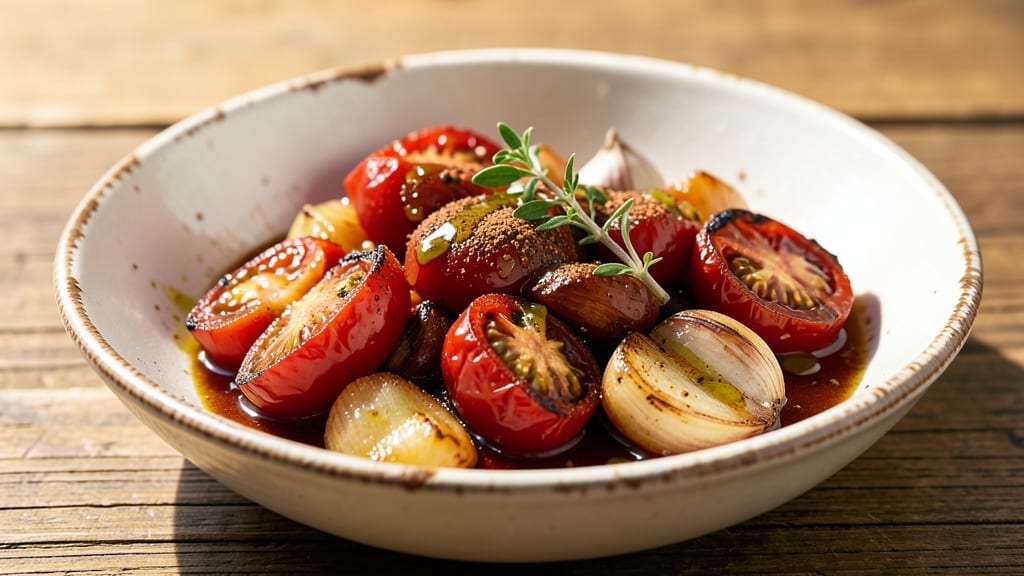
This salsa de tomate recipe transforms simple tomatoes into a rich, smoky masterpiece that elevates every dish it touches. The secret lies in slow-roasting tomatoes and garlic until caramelized, then blending them into a velvety sauce with just the right balance of acidity and depth.
I developed this version after years of testing—it’s the kind of sauce that turns ordinary meals into something extraordinary without overpowering them.
The process is straightforward but precise: roast tomatoes and garlic in the oven until deeply caramelized, then simmer with aromatics like onion and bay leaf to build layers of flavor. A splash of sherry vinegar brightens the sauce, while a touch of smoked paprika adds that signature smokiness.
The result is a sauce that’s smooth yet complex, with a texture that clings beautifully to pasta, meats, or even toasted bread.
What makes this sauce truly special is its versatility—use it as a marinade, a pasta sauce, or a dipping sauce for crusty bread. It keeps well in the fridge for up to a week, so you can make a big batch and enjoy it throughout the week.
The slow-roasting step might take a little time, but the payoff is a sauce that tastes like it simmered all day, not just minutes.
For extra depth, add a pinch of sugar to balance the acidity or a spoonful of cream for a richer finish. This isn’t just a sauce—it’s a flavor foundation that turns simple ingredients into something unforgettable. Let’s get started on creating yours.
Ingredients for salsa de tomate
Simple ingredients, big flavor—this sauce is all about roasted tomatoes and garlic.
| Ingredient | Amount | Notes |
|---|---|---|
| Roma Tomatoes 🍅 | 2 ½ lbs | Heirloom or vine-ripened preferred |
| Garlic Cloves 🧄 | 8 whole | Peeled, left whole for roasting |
| Yellow Onion 🧅 | 1 whole | Medium, chopped into chunks |
| Extra-Virgin Olive Oil 🫒 | ½ cup | High quality, fruity variety |
| Smoked Paprika 🌶️ | 1 tbsp | For that signature smokiness |
| Sherry Vinegar 🍷 | 2 tbsp | Brightens the sauce beautifully |
| Bay Leaves 🌿 | 2 whole | Fresh or dried, removed later |
| Granulated Sugar 🍚 | 1 tsp | Balances acidity (optional) |
| Heavy Cream 🥛 | ¼ cup | For richness (optional) |
| Salt 🧂 | 1 tsp | Kosher or sea salt |
The tomatoes and garlic are the stars here. Roma tomatoes are ideal—they’re meaty and hold up well to roasting, but any ripe tomatoes will work. Grab the heirloom or vine-ripened ones if you can find them; they’ve got more flavor. For garlic, Spanish or Italian varieties often have the best punch. I usually grab mine from Whole Foods or the bulk section at Trader Joe's—they keep better and taste fresher. If you’re using dried bay leaves, make sure they’re food-grade and not from the spice aisle that’s been sitting there for years. Smoked paprika? Penzeys has great options, but the regular grocery store stuff works too—just check the expiration date.
No sherry vinegar? Red wine vinegar or apple cider vinegar will work in a pinch, but sherry adds that extra depth. Short on heavy cream? Half-and-half or even a splash of milk will give you a lighter sauce. The sugar is totally optional, but it helps balance the acidity if you’re using tart tomatoes. Want more smokiness? Add a pinch of liquid smoke or a dash of chipotle powder. If you’re roasting the tomatoes in the oven, don’t peel them—the skin adds texture and flavor. And if you’re short on time, char them in a dry skillet instead of the oven.
This sauce keeps beautifully—up to 1 week in the fridge if stored in an airtight container. It even freezes well for up to 3 months, though the texture might get a little watery when thawed. I like to make a big batch and use it all week—it’s perfect for pasta, dipping bread, or even as a marinade for grilled meats. If you make extra, portion it into ice cube trays and freeze for easy single servings later.
Why You'll Love This Recipe
- Five-Ingredient Magic: I swear by this combo—just tomatoes, garlic, onion, olive oil, and smoked paprika. That’s it. No fancy gadgets, no hidden shortcuts. Honestly, the only thing harder than making it is deciding what to eat it with first.
- Smoky Depth in Minutes: The smoked paprika gives it this warm, almost campfire-like richness that takes zero effort. I’ll be real: I’ve burned garlic before, but even when it’s slightly charred, that smoky-sweet balance makes it ridiculously good.
- Weeknight Superstar: This is my go-to when I’m too tired to think. Toss it on toast with Manchego, drizzle it over eggs, or pile it onto grilled fish. My kids even ask for it in their lunchboxes—(yes, even on a Tuesday night).
- Leftovers That Lie: Between us, I’ve made this twice and still had jars left. The flavors actually improve after a day or two—more concentrated, deeper. I freeze half for when I’m too lazy to chop again. Budget-friendly? Absolutely. Waste-free? Even better.
Step-by-step instructions for smoky garlic roasted tomato salsa
This isn't your average tomato sauce—we're building deep, smoky flavor through roasting and slow cooking.
Roast the Tomatoes, Garlic, and Onion
Preheat your oven to 425°F. Cut the 2.5 lbs Roma tomatoes in half lengthwise and place them cut-side up on a rimmed baking sheet. Add the 8 whole garlic cloves (peeled) and 1 whole yellow onion (cut into chunks) around them. Drizzle everything with 0.5 cup extra-virgin olive oil and sprinkle with 1 tsp salt. Toss gently to coat.
Roast for 30-35 minutes until the tomatoes collapse slightly and darken to a deep golden color. You'll see the garlic turning soft and translucent, and the onions caramelizing at the edges. This roasting step develops the sweet, smoky depth that separates this sauce from basic tomato paste. Real talk: don't skip this—it's where the magic happens.
Build the Base with Smoked Paprika and Vinegar
Transfer the roasted vegetables to a food processor or blender. Add 1 tbsp smoked paprika, 2 tbsp sherry vinegar, 2 whole bay leaves, and 1 tsp granulated sugar. Pulse until you get a chunky but smooth texture—think of it like a thick, rustic paste rather than silky smooth.
Here's the thing—we're not making a puree yet. You want some texture to carry through to the final sauce. If it's too thick, add 1-2 tablespoons of water (just enough to loosen it). The vinegar brightens the flavors while the sugar balances any acidity from the tomatoes. This is where the sauce starts to come together with that signature smoky depth.
Simmer for Rich, Concentrated Flavor
Pour the mixture into a saucepan and place it over medium-low heat. Add 0.25 cup heavy cream (if using) and stir to combine. Let it simmer gently for 15-20 minutes, stirring occasionally. You're looking for the sauce to thicken slightly and reduce—this concentrates the flavors and creates that luxurious body.
Watch for the sauce to darken slightly and develop a glossy sheen. If it gets too thick before the flavors meld, add a splash of water. The heavy cream adds richness, but if you're skipping it, just simmer the sauce longer to achieve the same concentration. This slow cooking step is what transforms simple ingredients into something truly special.
Strain and Finish with Perfect Balance
Remove the 2 whole bay leaves and strain the sauce through a fine-mesh sieve into a clean bowl. This step removes any remaining skins or seeds, giving you that silky texture while keeping all the flavor. Press on the solids with a spoon to extract every last bit of sauce.
Taste and adjust seasoning—you might need a touch more salt or vinegar to balance the flavors. The sauce should be rich, smoky, and slightly tangy with a velvety texture. If it's too thick, thin it with a little water or broth. This is your chance to perfect the balance before serving. The sauce will thicken slightly as it cools, so don't worry if it looks perfect right now.
Pro Tips For Making Salsa De Tomate
- CHAR THE ONION LOW: Roma tomatoes need a sweeter base, so cook the onion in olive oil over medium-low heat until it’s translucent but not brown—about 8-10 minutes. I used to rush this, and the salsa always tasted sharp and raw. Let it soften first, then add garlic so it infuses without burning.
- SMASH THE TOMATES: Skip the blender—use a wooden spoon or your hands to crush the Roma tomatoes right in the pot. This breaks down the skins and seeds naturally, giving you a smoother, brighter salsa without chunks. (Yes, even if you’re impatient like me.)
- SALT THE GARLIC: Toss the minced garlic in a pinch of salt before adding it to the pan. This mellows its bite and prevents it from turning bitter when cooked. I learned this the hard way after one batch tasted like a garlic factory exploded.
- DILUTE GRADUALLY: If the salsa is too thick, add water a tablespoon at a time while stirring. Roma tomatoes release a ton of liquid when cooked—rushing to thin it can turn your salsa into soup. Taste as you go; you’re aiming for a loose but still cohesive texture.
Make-ahead tips for this dish
Roast Ahead
Prep the tomatoes, garlic, and onion 24 hours ahead—they’ll keep in an airtight container in the fridge until ready to roast. I like to roast them straight from the fridge for more even cooking.
If you’re short on time, roast them up to 3 days ahead and store in the fridge; reheat in a skillet for 5 minutes before blending. 🌱
Sauce Prep Timeline
Make the sauce base 1 day ahead—it tastes even better after flavors meld overnight. Let it cool completely, then store in an airtight container. When reheating, warm over low heat for 10 minutes with a splash of water to restore texture.
If you’re freezing, cool it completely before transferring to containers.
Portion for Convenience
Divide the finished sauce into 4-ounce portions in airtight containers or silicone molds. Freeze flat for easy stacking, then transfer to a zip-top bag. Thaw overnight in the fridge or reheat directly from frozen in a saucepan with 1 tablespoon water per portion. This keeps the texture intact. ✨
Flavor Boost Freezing
For extra depth, add 1 teaspoon of tomato paste when reheating frozen sauce. It thickens the texture and enhances the umami. If the sauce separates after freezing, whisk vigorously to recombine. The roasted flavors actually improve over time, so don’t hesitate to make a big batch!
Reheating for Pasta
For pasta dishes, reheat the sauce with ½ cup pasta water to loosen it. Simmer for 5-7 minutes until heated through. The starch in the pasta water helps restore the sauce’s clingy texture.
If making a big pot, keep the sauce warm in a slow cooker on low for up to 4 hours. 🍝
Long-Term Storage
This sauce keeps in the freezer for up to 3 months without significant texture loss. Label containers with the date and reheat only what you need. For best quality, use within 2 months. The slow-roasted flavors actually deepen over time, making it perfect for meal prep. 💫
Nutrition facts
Frequently asked questions
Why roast the tomatoes instead of cooking them in a pan?
Roasting deepens the natural sweetness and caramelizes the sugars, creating a richer, more complex flavor profile than simple sautéing. The oven's dry heat concentrates the tomato's essence while developing smoky notes that pan-searing can't match. This technique transforms ordinary tomatoes into a flavor powerhouse that forms the sauce's foundation.
Can I make this sauce without heavy cream?
Skip the cream for a lighter version or substitute with ½ cup whole milk or ¼ cup tomato paste for extra depth. The sauce will be slightly thinner but still packed with flavor. The roasted tomato base carries the dish, so the cream is purely for richness. For a vegan option, use coconut milk instead.
How do I adjust the texture if it's too thick or thin?
For a thicker sauce, simmer uncovered for 5-10 extra minutes to reduce. If too thin, mix in 1 teaspoon cornstarch with 1 tablespoon water and stir vigorously while heating. For a chunkier texture (like traditional salsa de tomate), blend less thoroughly and leave some tomato pieces intact. The sauce will naturally thicken as it cools.
What's the best way to use leftover sauce?
This sauce is incredibly versatile! Use it as a marinade for grilled chicken or fish, drizzle over roasted vegetables, or mix with cooked grains like rice or quinoa. It also makes an excellent dip for breadsticks or a topping for bruschetta. For extra flavor, add a pinch of red pepper flakes or fresh herbs before serving. The possibilities are endless!
Can I substitute canned tomatoes for fresh?
While fresh tomatoes yield the best results, you can use 2 (28 oz) cans whole peeled tomatoes in a pinch. Drain them well, remove the skins, and roast as directed. For deeper flavor, add 1 teaspoon tomato paste to the blend. The texture will be slightly different but still delicious. Fresh tomatoes develop more complex flavors through roasting, so they're preferred.