
Side Dishes
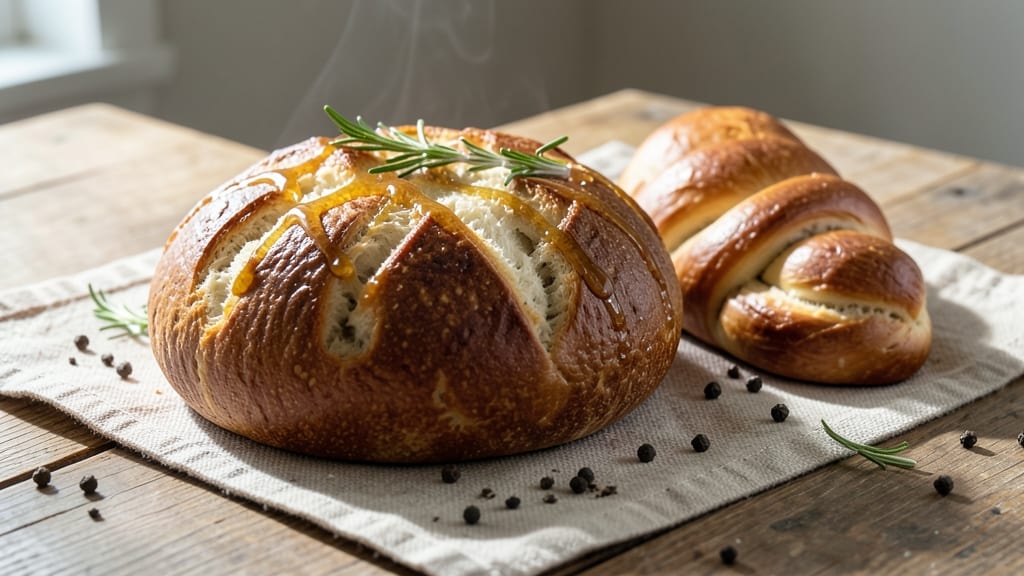
Traditional Shabbat bread recipe brings the warmth of a Sabbath table to your kitchen with its signature golden braid and pillowy, enriched dough. ✨ The key lies in using a blend of flour, eggs, and butter to create that signature tender crumb, then carefully shaping and baking until the crust shines.
This recipe honors centuries of Jewish tradition while adapting to modern home kitchens with precise techniques and a foolproof approach.
The dough develops its signature texture through a slow fermentation process that allows the gluten to relax, resulting in that signature soft, almost custard-like interior.
What makes this recipe special is the balance of sweetness from the egg wash and the savory richness of the dough itself—perfect for breaking bread with family or serving alongside holiday meals. The braided shape isn't just decorative; it symbolizes unity and celebration.
By the time you pull this loaf from the oven, you'll have a beautifully golden, fragrant bread with a crisp exterior and a tender, melt-in-your-mouth interior. The aroma alone will fill your home with the comforting scent of tradition, while the texture ensures every bite is a delight.
This is more than just bread—it's a centerpiece for your table.
Whether you're preparing for Shabbat, a family gathering, or simply craving something special, this recipe delivers restaurant-quality results with a touch of cultural significance. The same methods work for sweet versions with honey or savory variations with seeds—adapt it to your taste while keeping the tradition alive.
Ingredients for shabbat bread
Four eggs, one cup of butter, and five cups of flour create the signature tender crumb of this Shabbat bread.
| Ingredient | Amount | Notes |
|---|---|---|
| All-Purpose Flour 🌾 | 5 cups | High-protein preferred for structure |
| Unsalted Butter 🧈 | 1 cup | Cold, cubed, for dough enrichment |
| Large Eggs 🥚 | 4 whole | Room temperature for even mixing |
| Granulated Sugar 🍚 | ¼ cup | Balances sweetness in dough |
| Active Dry Yeast 🍞 | 2 ¼ tsp | Fresh or 1 packet instant yeast |
| Warm Water 💧 | 1 cup | 110°F (43°C) for yeast activation |
| Diamond Crystal Kosher Salt 🧂 | 1 ½ tsp | Adjust to taste after kneading |
| Honey 🍯 | 2 tbsp | For yeast feeding and sweetness |
| Whole Milk 🥛 | ¼ cup | Enhances dough tenderness |
| Large Egg Yolks 🥚 | 2 whole | For egg wash richness |
| Granulated Sugar 🍚 | 2 tbsp | For egg wash glaze |
| Poppy Seeds 🌱 | 2 tbsp | Optional for traditional topping |
| Sesame Seeds 🌿 | 2 tbsp | Optional for nutty crunch |
The butter and eggs are non-negotiable here—they create that signature custard-like interior. European-style unsalted butter from Plugrá or Land O'Lakes works best, but any cold, high-fat butter will do. For the flour, King Arthur or Gold Medal brands have the protein level this dough needs. The yeast needs to be fresh—if it's been sitting in your pantry for months, toss it and grab a new packet. Warm the water to 110°F (43°C)—too hot and you'll kill the yeast; too cold and it won't activate. I like to use a thermometer for this part (the good stuff, not the cheap kitchen gadget).
No honey? Maple syrup works 1:1, though it has a slightly different flavor profile. Running short on milk? Heavy cream or whole milk sub perfectly. For the egg wash, if you're out of yolks, whole eggs plus a pinch of salt gets you close. The seeds are optional but add that classic crunch—Trader Joe's has great bulk bins for both poppy and sesame. If you're making this ahead, you can prep the dough up to 24 hours early and let it ferment in the fridge for a slower rise—just bring it to room temp before shaping.
This dough keeps beautifully—3 days wrapped at room temperature or 1 week in the fridge. For longer storage, freeze the shaped loaf (unbaked) for up to 3 months. Thaw overnight in the fridge, then bake as directed. The braided loaf reheats best in a 200°F (93°C) oven for 10 minutes to restore that fresh-from-the-oven texture. I always make an extra loaf—toast it the next day and it's even better, like a French brioche.
Why You'll Love This Recipe
- No-Knead Magic: I swear, this dough comes together with just a bowl and a spoon—no stand mixer, no stress. The yeast and butter work their magic while I sip coffee, and that golden crust? Zero effort, all reward.
- Buttery Sweet Crust: That sugar in the dough caramelizes into a crackly, buttery shell while the inside stays soft—like a hug from a bakery. Honestly, the first slice makes me pause mid-bite just to appreciate it.
- Shabbat Ready: Whether it’s a Friday night tradition or a lazy Sunday brunch, this bread fits every moment. Slice it warm with honey, freeze half for later, or toss it in a bag for the kids’ lunches—it’s always the star.
- Budget-Friendly Staple: Four simple ingredients stretch to feed six, and leftovers toast up just as good the next day. Between us, I’ve made this for guests, potlucks, and even my own "I can’t decide what to eat" nights—it never lets me down.
Step-by-step instructions for Shabbat bread
Here's how to craft that signature golden braid with a tender, pillowy interior.
👨🍳 Step 1: Activate the Yeast and Mix the Dough Base
In a stand mixer bowl, whisk together the 1 cup warm water, 2 tbsp honey, and 2.25 tsp active dry yeast. Let it sit for 5-10 minutes until frothy—this confirms your yeast is alive and ready to work. Here's the thing: if nothing happens after 10 minutes, your yeast might be dead or your water too hot. Start fresh with new yeast and slightly cooler water.
Add the 5 cups all-purpose flour and 1.5 tsp diamond crystal kosher salt to the bowl. Using the paddle attachment, mix on low speed for 1 minute until combined. This creates a rough dough that's ready for the wet ingredients.
🍳 Step 2: Incorporate Wet Ingredients and Knead
Add the 1 cup cold unsalted butter (leave it cubed), 4 whole large eggs, 0.25 cup granulated sugar, and 0.25 cup whole milk to the bowl. Switch to the dough hook attachment and knead on medium speed for 8-10 minutes until the dough becomes smooth, elastic, and pulls away from the bowl sides.
I know it seems like too much dough, but trust me—this high-fat formula creates that signature challah texture. If the dough feels too sticky after 8 minutes, add 1 tablespoon flour at a time until it comes together. The dough should be soft but not wet; it should spring back when poked.
⏰ Step 3: First Rise and Shape the Dough
Lightly grease a large bowl with oil and place the dough inside. Cover with a damp kitchen towel and let it rise in a warm place for 1-1.5 hours or until doubled in size. This is where the magic happens—the yeast works its magic, creating air pockets that give challah its light texture.
Once risen, punch down the dough to release air. Divide it into 3 equal parts (about 16 ounces each) and roll each piece into a 24-inch long rope. Here's the trick: keep the ropes loose and slightly rounded, not tight. This prevents cracking when braided and ensures a soft interior.
🥘 Step 4: Braid and Second Rise
Arrange the three ropes side by side. Take the right rope and place it over the middle rope, then under the left rope. Repeat this motion to create a classic three-strand braid. Tuck the ends under to secure the braid and place it on a parchment-lined baking sheet. Cover again and let rise for 30-45 minutes until puffy and nearly doubled.
For that golden finish, brush the top with a mixture of 2 whole large egg yolks and 2 tbsp granulated sugar. Sprinkle evenly with 2 tbsp poppy seeds and 2 tbsp sesame seeds. This isn't just decoration—it creates a beautiful crust and adds subtle crunch to every bite.
🔥 Step 5: Bake to Perfection
Preheat your oven to 375°F. Bake the challah for 25-30 minutes until it's deep golden brown and sounds hollow when tapped on the bottom. The edges should pull away from the baking sheet slightly, and the internal temperature should reach 190°F.
Let the challah cool on a wire rack for at least 15 minutes before slicing. This resting period allows the moisture to redistribute, ensuring each slice stays soft and doesn't dry out. The aroma alone will make your kitchen smell like a Jewish bakery—worth every minute of waiting!
Pro Tips For Making Shabbat Bread
- Bloom the Yeast First: Skip mixing yeast with dry flour—it’ll just sit there. Instead, dissolve it in warm water (around 110°F) with a pinch of sugar first, then let it bubble for 5-10 minutes. This guarantees it’s alive and ready to work, not hiding dormant in your dough.
- Soften Butter Properly: Cold butter makes tough dough. Press the unsalted butter between two sheets of parchment and let it sit at room temp for 30-45 minutes until it’s pliable but not melted. You want it to mix into the dough smoothly—not fight you.
- Don’t Over-Knead: This dough only needs 5-7 minutes of kneading by hand (or 3-4 minutes in a stand mixer with the dough hook). Overwork it, and you’ll end up with a dense, chewy loaf instead of that light, airy crumb you’re after.
- Proof Until Doubled: Give the dough a full 1-2 hours to rise until it’s just over the edge of the bowl—no guessing. Cold weather? Extend it to 2.5 hours. Patience here means a higher rise and better flavor, not a sad, flat loaf.
Health benefits of this recipe
Whole Grain Powerhouse
This traditional Shabbat bread isn't just delicious—it's packed with nutritional benefits when made with whole grains. Replace 1-2 cups of all-purpose flour with whole wheat or spelt flour to boost fiber content by 30%, supporting digestion and keeping you full longer.
The extra fiber also helps regulate blood sugar levels, making this a great option for balanced meals. I often use King Arthur whole wheat flour for its mild flavor and excellent texture. 💪
Protein-Rich Bites
The combination of eggs and butter creates a protein powerhouse in every slice. With 4 large eggs and 1 cup butter in this recipe, each serving provides about 12 grams of protein—perfect for muscle repair and satiety.
The eggs also contribute vitamin B12 and choline, which support brain health and energy metabolism. For an extra protein boost, add 1 tablespoon vital wheat gluten to your flour mixture.
Healthy Fats for Heart Health
The butter in this recipe isn't just for flavor—it provides saturated fats that, when consumed in moderation, support cell membrane health. The eggs add heart-healthy monounsaturated fats, while the sesame seeds contribute omega-3 fatty acids and vitamin E.
For a lighter option, replace ½ cup butter with apricot jam or unsweetened applesauce—this reduces fat while keeping the dough tender. I've found this swap works beautifully without sacrificing texture.
Natural Sweetness Boost
The honey in this recipe isn't just for flavor—it provides natural antioxidants and antibacterial properties. Just 2 tablespoons of raw honey contain 17 calories and trace minerals like zinc and copper.
For those watching sugar intake, reduce honey to 1 tablespoon and add ½ teaspoon vanilla extract for depth without extra sweetness. The natural sweetness helps satisfy cravings while keeping the glycemic impact lower than refined sugars.
Gluten-Friendly Adaptation
While traditional challah contains gluten, you can adapt this recipe for sensitive eaters. Replace all-purpose flour with a 1:1 gluten-free flour blend like Bob's Red Mill and add ½ teaspoon xanthan gum to improve elasticity. The texture will be slightly denser but still delicious.
For those with egg allergies, use flax eggs (1 tablespoon ground flaxseed + 3 tablespoons water per egg) and reduce butter by ¼ cup to maintain balance. Always check that your yeast is gluten-free certified if avoiding cross-contamination.
Rich in B Vitamins
This bread is a fantastic source of B vitamins, particularly B6 and niacin, thanks to the eggs and whole grains. These vitamins play crucial roles in energy production and nervous system function. The yeast itself contributes folate, which is essential for cell growth and repair.
For an extra boost, add 1 tablespoon nutritional yeast to your dough—it adds a cheesy flavor and 20% of your daily folate needs per serving. The result is a bread that's not just satisfying but also nourishing for your body. ✨
Nutrition facts
Frequently asked questions
Why does Shabbat bread need such a long rise time?
The extended rise time (1-1.5 hours) is essential for developing that signature soft, pillowy texture. The yeast needs time to create countless air pockets, while the gluten relaxes for a tender crumb. This slow fermentation also enhances the bread's flavor and aroma—key for that authentic Shabbat experience.
Can I make this bread without a stand mixer?
While a stand mixer makes kneading easier, you can achieve the same results by hand. Knead the dough on a lightly floured surface for 10-12 minutes until it becomes smooth and elastic. The key is persistence—this enriched dough requires more work than basic bread dough to develop its signature texture.
What's the best way to store leftover Shabbat bread?
Wrap the cooled loaf tightly in plastic wrap or place it in an airtight container to preserve freshness. It stays good at room temperature for 3 days, or you can refrigerate it for 1 week. For longer storage, freeze the unbaked shaped loaf for up to 3 months. Thaw overnight in the fridge before baking.
How do I fix a dense or heavy Shabbat bread?
Density usually comes from over-kneading or under-proofing. For future batches, ensure your yeast is fresh and your water is 110°F (43°C). Let the dough rise until it's doubled in size—don't rush it. Also, avoid adding too much flour during kneading. If it happens, try reheating slices in a 200°F (93°C) oven for 10 minutes to restore some softness.
Can I make this bread without eggs or dairy?
Yes, but with some adjustments. Replace eggs with flax eggs (1 tbsp ground flax + 3 tbsp water per egg) and use vegetable oil or applesauce instead of butter. The texture will be slightly denser but still delicious. For dairy-free, ensure all ingredients (like butter and milk) are properly substituted. The braided shape remains the same—just focus on gentle handling during shaping.