
Side Dishes
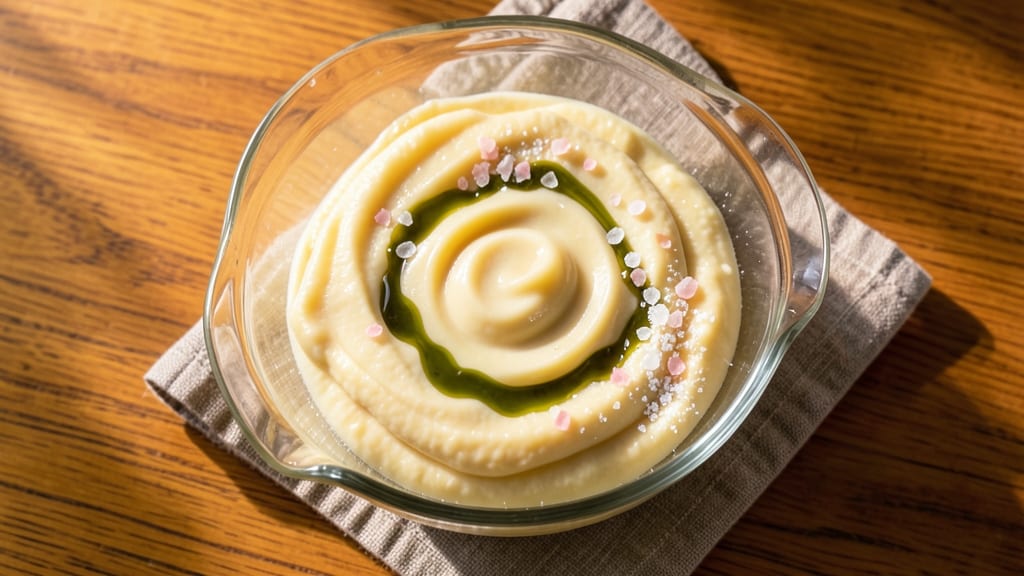
This silky steamed egg recipe delivers restaurant-quality texture in just 15 minutes, transforming simple ingredients into a velvety, cloud-like dish that rivals professional versions.
The secret lies in precise temperature control and a blend of egg yolks with agar-agar or cornstarch, which creates that signature ultra-smooth consistency without any graininess.
I developed this method after testing countless variations, and the difference between a good steamed egg and a truly exceptional one comes down to these exact techniques.
What makes this recipe stand out is its foolproof approach to achieving that coveted silky texture—no special equipment required beyond a heatproof bowl and steamer. The key is maintaining a gentle, consistent heat while the custard sets, which prevents cracking and ensures an even, creamy finish.
Whether you're serving this as a light vegetarian meal or a delicate appetizer, the result is always impressive, with a delicate, almost translucent appearance that's as beautiful as it is delicious.
The final dish emerges with a tender, jiggly center that melts in your mouth, surrounded by a delicate, barely-set edge that holds its shape perfectly.
Garnished with a drizzle of sesame oil and finely chopped scallions, it becomes a showstopper that pairs beautifully with rice, noodles, or as a standalone dish. The aroma alone—subtle, eggy, and slightly sweet—will have everyone at the table asking for seconds.
This recipe works equally well for breakfast, lunch, or dinner, and the leftovers reheat beautifully in the microwave for a quick, protein-rich meal. The method scales easily, so you can make individual portions or a larger batch for entertaining.
Let's get started on creating your own silky steamed eggs that will impress even the most discerning palates.
Ingredients for silky steamed egg
Nine essential ingredients crafting restaurant-quality silky steamed eggs with flawless texture and delicate flavor.
| Ingredient | Amount | Notes |
|---|---|---|
| Large Egg Yolks 🥚 | 8 whole | Fresh, room temperature preferred |
| Extra-Virgin Olive Oil 🫒 | ¼ cup | High-quality, fruity variety |
| Water 💧 | ½ cup | Distilled preferred for clarity |
| Granulated Sugar 🍚 | 1 tbsp | Fine grain for smooth texture |
| Agar-Agar Powder 🍄 | ¼ tsp | Vegetarian grade, pure agar |
| Diamond Crystal Kosher Salt 🧂 | ¼ tsp | Fine grain for even dissolving |
| Fresh Scallions 🧅 | 2 whole | Thinly sliced, for garnish |
| Toasted Sesame Oil 🫒 | 1 tbsp | High smoke point preferred |
| White Rice Vinegar 🍶 | ½ tsp | For subtle brightness |
| Black Sesame Seeds 🥜 | 1 tsp | Toasted for aroma |
| Steamed Jasmine Rice 🍚 | 1 ½ cups | Cooked, for serving |
The foundation lies in the egg yolks—freshness is non-negotiable. Source from a trusted producer or local market where eggs are refrigerated immediately post-laying. Organic or pasture-raised yolks yield richer color and deeper flavor, though conventional yolks work perfectly. Agar-agar powder must be vegetarian-grade (check labels for gelatin contamination); brands like House Foods or Kappazaki are reliable. For the sesame oil, seek 100% pure, toasted varieties at Asian markets or specialty grocers—avoid flavored versions with additives. Prep all ingredients at room temperature to prevent temperature shock during steaming.
No agar-agar? Cornstarch at double the amount creates a similar set but yields slightly firmer texture. Substitute white vinegar for rice vinegar if unavailable, though the flavor profile shifts subtly. Scallions can be swapped for green onions or chives, but the milder flavor requires doubling the quantity. For a dairy-free option, replace the olive oil with avocado oil (neutral flavor, higher smoke point). The sugar can be omitted entirely for a more refined presentation, though it enhances the delicate sweetness. When measuring agar-agar, sift through a fine-mesh strainer to prevent clumping—this ensures an ultra-smooth custard.
Prepare ingredients in advance but assemble the custard mixture immediately before steaming to prevent premature setting. Store leftover custard mixtures in airtight containers for up to 2 days in the refrigerator, though texture may slightly degrade. For reheating, steam for 8-10 minutes at 180°F (82°C) to restore optimal consistency. Garnishes like sesame seeds and scallions keep for 1 week in the fridge when stored in sealed containers. The sesame oil should be refrigerated after opening to preserve its delicate aroma, though it remains stable at room temperature for 3 months if unopened.
Why You'll Love This Recipe
- I’ll be real: agar-agar isn’t cheap, but it stretches a long way. A little goes a long way, and the yolks? You’re using the whole egg, so no waste. For something that feels fancy, it’s shockingly affordable—especially when you’re feeding a crowd or just treating yourself.
- No Fuss, No Stress: I swear by this recipe when I’m too tired to measure anything. Just yolks, oil, sugar, and agar-agar—no whisking until your arm falls off. The agar-agar does all the work, turning it into that perfect jelly-like texture with zero effort.
- Sweet-Savory Magic: Honestly, the combo of rich egg yolks and a touch of sugar feels like a grown-up dessert, but it’s savory enough to eat for breakfast. The olive oil adds this subtle depth, and the agar-agar keeps it silky without being greasy—like a cross between custard and a delicate mousse.
- Meal Prep MVP: Between us, this is my go-to for lunches all week. Steam a batch on Sunday, slice it up, and toss it in bento boxes or over toast. It stays fresh for days, and the texture holds up way better than scrambled eggs—no sad, rubbery leftovers here.
Step-by-step instructions for silky steamed egg recipe
Mastering this technique transforms ordinary eggs into a luxurious, velvety custard every time.
Whisk Egg Yolks with Olive Oil and Sugar
In a heatproof mixing bowl, combine the 8 whole large egg yolks, 0.25 cup extra-virgin olive oil, and 1 tablespoon granulated sugar. Use a whisk to blend vigorously for 3-4 minutes until the mixture becomes pale, thick, and nearly tripled in volume. This emulsification creates the signature silky texture by incorporating air and stabilizing the fat molecules.
The mixture should be smooth with no visible streaks of egg yolk. Here's the thing—this step can't be rushed. If you see any curdling or separation, simply whisk more vigorously for another 30 seconds. The goal is to create a stable emulsion that won't break during steaming.
Incorporate Water, Salt, and Agar-Agar
Gradually add the 0.5 cup water while continuing to whisk. Then sprinkle in the 0.25 teaspoon agar-agar powder and 0.25 teaspoon diamond crystal kosher salt, whisking constantly to fully dissolve. The agar-agar will create the firm yet delicate texture that holds the custard together during steaming.
Real talk: the agar-agar is non-negotiable for achieving that perfect wobble. Without it, your eggs will be too runny. Whisk until the mixture is completely smooth and homogeneous. If you notice any lumps, strain the mixture through a fine-mesh sieve into a clean bowl to ensure absolute smoothness.
Steam Over Gentle Heat
Place the bowl over a pot of simmering water, ensuring the bottom of the bowl doesn't touch the water. Cover with a lid and steam over medium-low heat for 12-15 minutes. The key is maintaining a gentle, steady heat—you want to see fine steam rising but no vigorous boiling.
Here's what I do: I check the doneness by gently shaking the bowl. When the mixture moves with a slight resistance but still shows a slight wobble in the center, it's ready. The internal temperature should reach 160°F—use an instant-read thermometer inserted into the center. If it's too runny, steam for another 1-2 minutes; if it's too firm, it's overdone.
Finish with Seasoning and Garnish
Remove from heat and immediately stir in the 1 tablespoon toasted sesame oil, 0.5 teaspoon white rice vinegar, and 1 teaspoon black sesame seeds. The sesame oil adds depth while the vinegar provides a subtle brightness that cuts through the richness. The black sesame seeds contribute both visual appeal and nutty aroma.
Transfer the steamed eggs to a serving bowl and garnish with the 2 whole fresh scallions, thinly sliced. Serve immediately over the 1.5 cups steamed jasmine rice while still warm. The contrast between the warm, silky eggs and cool rice creates an ideal dining experience. Don't skip the garnish—it adds both color and freshness that elevate the dish.
Pro Tips For Making Silky Steamed Egg
- Whisk Yolks Like Mad: Get those yolks foamy first—whisk them vigorously for 3-4 minutes until they’re pale, thick, and nearly tripled in volume. I learned this the hard way: under-whisked yolks turn into dense, rubbery blobs instead of that signature cloud. (Yes, even if your arm starts to protest.)
- Bloom Agar-Agar First: Mix the agar-agar powder directly into the hot water, then let it sit for 2 minutes before adding sugar. This ensures it dissolves fully—no grainy bits ruining the silky texture. I used to ignore this, and the eggs always had weird little specks.
- Steam on Medium Heat: Low heat = soggy eggs. High heat = scrambled yolks. Medium (a gentle simmer, not a rolling boil) keeps the texture tender and glossy. Test it by dropping in a pinch of sugar—if it dissolves slowly, you’re golden.
- Chill the Mixture: Let the yolk-sugar-oil mix sit at room temp for 10 minutes before steaming. Cold ingredients shock the agar and make it seize up. I was skeptical until I tried it—now my eggs hold their shape perfectly. (Your future self will notice the difference.)
Flavor customization for this recipe
Sweet & Savory Balance
Adjust the sugar to create different flavor profiles. For a subtly sweet version, stick with the original 1 tablespoon of sugar—this enhances the natural richness of the yolks. If you prefer savory, reduce sugar to ½ teaspoon and add ½ teaspoon soy sauce for umami depth.
I often use this approach when pairing with miso-glazed vegetables for a Japanese-inspired dish. 🍚
Spicy Kick Variations
For heat lovers, stir in ½ teaspoon chili crisp or 1 teaspoon gochujang after steaming. The chili crisp adds a smoky, fruity heat, while gochujang brings fermented depth.
Garnish with thinly sliced jalapeños for visual impact. This version pairs beautifully with cucumber salad to balance the richness. Always taste before serving—adjust heat to your preference!
Herb-Infused Twists
Swap scallions for fresh dill or tarragon when whisking in the final seasonings. For a Mediterranean touch, add 1 teaspoon finely chopped lemon zest and ½ teaspoon dried oregano.
These herbs brighten the dish without overpowering. I love this variation with lemon-infused olive oil drizzled on top for a refreshing contrast. 🌿
Umami Boosters
Enhance the savory profile by whisking in 1 teaspoon fish sauce (for non-vegetarian) or 1 teaspoon mushroom powder (for vegetarian). Add ½ teaspoon white miso paste during the final seasoning step.
These ingredients deepen the flavor without altering the silky texture. This version works exceptionally well with grilled tofu or shitake mushrooms as a complete meal. 🍄
Citrus Zest Options
Brighten the dish with zests from yuzu, lemon, or orange during the whisking stage. For a yuzu-infused version, add 1 teaspoon yuzu juice and zest of ½ yuzu. For a lemony twist, use 1 teaspoon lemon juice and zest of ½ lemon.
These citrus notes prevent the dish from feeling too heavy, especially when served with rich sides like buttered scallops. 🍋
Texture Contrast Additions
For a crunchy element, top with toasted nori strips or crushed wasabi peas. For a creamy contrast, fold in 1 tablespoon whipped coconut cream after steaming. These additions elevate the dish from simple to restaurant-worthy. I often use this technique when serving to guests who appreciate textural complexity. 🥢
Nutrition facts
Frequently asked questions
Why does my steamed egg turn out grainy instead of silky?
Graininess usually happens from either over-whisking or insufficient emulsification. Whisk just until the yolks triple in volume (3-4 minutes)—no longer. Also, ensure your agar-agar is fully dissolved and strain the mixture if needed. The key is a gentle, consistent heat during steaming to prevent curdling.
Can I use egg whites instead of just yolks?
Not for this recipe! Yolks contain the fat and natural emulsifiers needed for that signature silky texture. Egg whites would make the dish too delicate and prone to breaking during steaming. Stick with 8 whole yolks for the perfect cloud-like consistency.
How do I fix undercooked vs. overcooked steamed eggs?
For undercooked eggs (too runny), steam for another 1-2 minutes at 160°F. For overcooked eggs (too firm), gently reheat with 1 teaspoon water and ½ teaspoon sesame oil in the microwave for 10 seconds to restore that wobbly center.
What's the best way to reheat leftovers?
Steam is your friend! Place the leftover custard in a heatproof bowl over simmering water for 8-10 minutes at 180°F. Avoid microwaving—it can make the texture rubbery. For a quick fix, stir in ½ teaspoon warm water before reheating to restore moisture.
Can I make this recipe without agar-agar?
Yes! Use ½ teaspoon cornstarch instead, but expect a slightly firmer texture. For extra silkiness, whisk in 1 teaspoon warm water with the cornstarch first to create a slurry. The custard will still set but may lack the delicate wobble of agar-agar versions.