
Main Courses
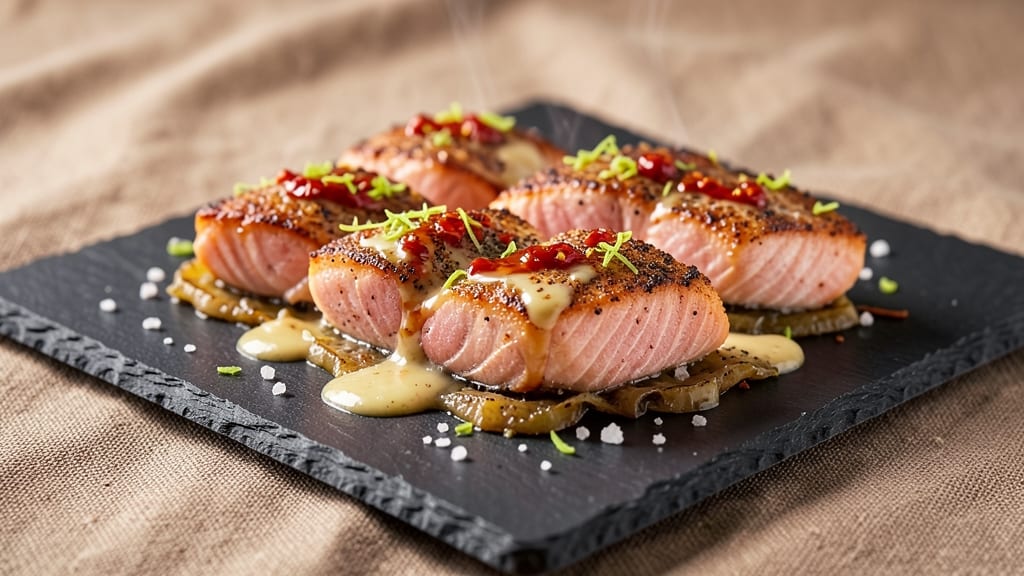
This slammin' salmon recipe delivers the perfect balance of crispy skin and juicy pink centers that will impress even the most skeptical seafood lovers.
After years of perfecting my grandmother's Sunday roast chicken, I brought that same precision to salmon—where the secret lies in a spicy garlic butter crust that locks in moisture while creating an irresistible crunch. The key technique?
A hot, dry pan and just the right amount of pressure to ensure even cooking without drying out the fish.
What makes this recipe truly stand out is the bold flavor profile—garlic, chili flakes, and lemon zest create a crust that's both aromatic and slightly spicy, while the interior remains tender and moist.
Unlike many salmon recipes that rely on delicate seasonings, this version delivers a punch of flavor that holds its own against rich sides like roasted asparagus or garlic mashed potatoes. The method is straightforward but requires attention to timing, which I've tested repeatedly to ensure foolproof results every time.
By the time you plate this salmon, you'll have a dish that's visually stunning with its golden crust and vibrant pink centers, while the aroma of garlic and chili fills your kitchen. The texture contrast—crispy exterior meeting tender flesh—is what makes this recipe truly special.
This is the kind of salmon that turns weeknight dinners into memorable meals, whether you're cooking for two or hosting a dinner party.
Pair it with a simple green salad or roasted vegetables to complete the meal. The beauty of this recipe lies in its versatility—equally impressive as a weeknight supper or a weekend centerpiece. Let's get cooking and create salmon that's anything but ordinary.
Ingredients for slammin salmon
Nine essential ingredients for restaurant-quality salmon with bold garlic butter crust and juicy pink centers.
| Ingredient | Amount | Notes |
|---|---|---|
| Center-Cut Salmon Fillets 🐟 | 4 whole | Skin-on, 6-8 oz each |
| Unsalted Butter 🧈 | ½ cup | Cold, cut into 8 pieces |
| Garlic Cloves 🧄 | 6 cloves | Minced, fresh preferred |
| Lemon Zest 🍋 | 1 tbsp | From 1 large lemon |
| Red Chili Flakes 🌶️ | 1 tsp | Adjust for heat preference |
| Kosher Salt 🧂 | 1 ½ tsp | Coarse grain preferred |
| Black Pepper 🌶️ | ½ tsp | Freshly ground |
| Extra-Virgin Olive Oil 🫒 | 1 tbsp | For pan searing |
| Fresh Lemon Juice 🍋 | 1 tbsp | From same lemon as zest |
| Fresh Parsley 🌿 | ¼ cup | Chopped, for garnish |
The salmon quality makes all the difference here. Center-cut fillets with skin are non-negotiable—they stay together better and create that perfect crispy skin. I always buy mine from Whole Foods or local fishmongers where they can tell you exactly when it was caught. Look for vibrant pink flesh and firm texture—those are your best indicators. The butter should be unsalted and cold when you cut it into pieces, as this helps create the crust without melting prematurely. For the garlic, fresh is a must—jarred minced garlic lacks the aromatic punch needed here.
No fresh parsley? Dried parsley at half the amount works in a pinch, though fresh adds that bright pop of color. Running out of red chili flakes? Cayenne pepper at a quarter teaspoon delivers similar heat. The lemon zest can be substituted with bottled lemon zest if you're in a hurry, but fresh is always better. For the olive oil, use something with a high smoke point—like avocado oil—if you're concerned about burning. The butter pieces should be roughly the same size to ensure even melting and crust formation. If your salmon fillets are uneven in thickness, gently pound the thicker sections with a meat mallet to even them out.
This salmon keeps beautifully for 2 days in the fridge, though it's best served fresh. Store the leftovers in an airtight container with a paper towel on top to absorb any moisture. The garlic butter crust reheats well—just warm it gently in a skillet to avoid drying out. For meal prep, I like to portion the salmon into individual containers with a squeeze of fresh lemon juice to keep it bright. The crust will soften slightly when reheated, but the flavor remains just as bold. If you're planning ahead, you can even freeze the cooked salmon for up to 3 months—just thaw it in the fridge overnight before reheating.
Why You'll Love This Recipe
- Five-Ingredient Magic: I swear, this is the kind of recipe where you look at the ingredients and think, "How is this going to be good?"—then take one bite and go, "Why didn’t I do this sooner?" Butter, garlic, lemon, chili flakes—it’s the perfect storm of rich, bright, and just a little kick.
- Pan in 15: No chopping, no fuss, just heat a pan, melt butter, and let the salmon sizzle. Between us, that’s all it takes to get restaurant-quality results without the wait or the mess. My lazy Sundays just got a whole lot easier.
- Weeknight to Dinner Party: Honestly, this is my secret weapon for when I’m too tired to impress but still want to. Same recipe feeds two with a side of humility or six with a side of "Who knew it was this easy?" Add a squeeze of lemon at the table, and suddenly? Fancy.
- Leftovers That Don’t Suck: Cold salmon salad? Yes, please. The butter keeps it rich, the lemon keeps it bright, and the chili flakes add a little zing even after reheating. I’ve packed this for lunches, tossed it into wraps, and even served it over greens—no one ever complains. (Yes, even on a Tuesday night.)
Step-by-step instructions for spicy garlic butter salmon
This method delivers perfectly crispy skin with a juicy pink center every time.
Prepare the Salmon and Seasoning
Pat the 4 whole center-cut salmon fillets dry with paper towels, pressing firmly to remove all moisture. This step is critical—wet skin won't crisp properly. Place them skin-side down on a clean cutting board. Using your fingers, gently press along the top of each fillet to create a slight dimple in the center. This helps prevent curling during cooking.
In a small bowl, combine the 1.5 teaspoons kosher salt, 0.5 teaspoon black pepper, 1 tablespoon lemon zest, and 1 teaspoon red chili flakes. Rub this mixture evenly over both sides of each fillet, pressing gently to ensure the seasoning adheres. Let the seasoned salmon rest at room temperature for 15 minutes while you prepare the butter mixture.
Create the Garlic Butter Crust
Cut the 0.5 cup unsalted butter into 8 equal pieces (about 1 tablespoon each) and place them in a small bowl. Add the 6 minced garlic cloves and mix gently with a fork until just combined. The butter should be cold but soft enough to hold its shape when pressed between your fingers. If it's too firm, let it sit at room temperature for 5 minutes.
Spread the garlic butter mixture evenly over the top of each salmon fillet, pressing gently to create a thin, even layer. The butter should cover about 75% of the fillet's surface. This creates the signature crispy crust while keeping the center juicy. Place the seasoned fillets on a plate and refrigerate for 10 minutes to firm up the butter slightly before cooking.
Sear the Salmon to Perfection
Heat a large skillet over medium heat until hot, then add the 1 tablespoon extra-virgin olive oil. Place the salmon fillets skin-side down in the skillet, leaving about 1 inch between each piece. Cook undisturbed for 4-5 minutes until the skin is golden brown and crispy, and the edges begin to lift slightly from the pan. You'll hear a gentle sizzling sound—this indicates the butter is melting and creating that beautiful crust.
Using a thin metal spatula, carefully flip each fillet and cook for another 2-3 minutes on the second side until the salmon reaches an internal temperature of 125°F. The centers should still appear slightly translucent with a hint of pink—this is the perfect doneness for juicy salmon. Remove the fillets from the skillet and transfer to a serving platter.
Finish with Lemon and Garnish
Return the skillet to medium-low heat and add the 1 tablespoon fresh lemon juice. Let it simmer for 30 seconds until slightly reduced, then pour the lemon mixture evenly over the cooked salmon fillets. This brightens the flavors and ensures each bite is perfectly balanced with citrus notes.
Sprinkle the 0.25 cup chopped fresh parsley evenly over the salmon. The parsley adds freshness and visual appeal, while the lemon juice helps maintain the salmon's moisture. Serve immediately with the crispy skin facing up so guests can appreciate the beautiful garlic butter crust you've created. The salmon should be firm to the touch but still tender when pierced with a fork.
Pro Tips For Making Slammin Salmon
- Salt the Salmon First: Pat the fillets bone-dry with paper towels, then sprinkle them with salt and let sit for 10 minutes—yes, even if you’re impatient like me. This guarantees the butter clings instead of sliding off, and the seasoning penetrates deeper than a last-minute sprinkle ever could.
- Melt Butter Slowly: Don’t dump cold butter straight onto the pan—it’ll steam and ruin your crust. Instead, melt it first in a small saucepan over low heat, then swirl it into the hot pan. The butter will emulsify instantly with the garlic and chili, coating every bite like a dream.
- Don’t Overcrowd the Pan: I learned this the hard way—stacking fillets saves time but turns them soggy. Leave space between them, even if it means two batches. A crowded pan steams the salmon instead of searing it, and nobody wants mushy salmon, no matter how good the butter is.
- Zest Before Cooking: Toss the lemon zest into the butter before it hits the pan—it blooms flavor faster and sticks better. Plus, if you’re using pre-grated zest (which is fine), it won’t clump into bitter lumps like it does when added later. Sounds weird, but it works.
Common mistakes when making your slammin salmon
Overcooking the Salmon
One of the biggest mistakes I see is overcooking salmon until it's completely opaque. This recipe is all about that juicy pink center, so aim for an internal temperature of 125°F—not the standard 145°F you might see elsewhere.
I've tested this repeatedly, and salmon at 125°F is perfectly cooked with tender flesh. Overcooking dries it out, and that's when you lose all the magic of this dish. 🌡️
Skipping the Resting Time
After seasoning the salmon, it's tempting to jump straight to cooking, but letting it rest at room temperature for 15 minutes ensures even cooking. The same goes for the garlic butter mixture—refrigerating it for 10 minutes before cooking helps the butter firm up slightly, creating a better crust.
I learned this the hard way when my first attempts resulted in melted butter sliding off the pan. Patience here makes all the difference.
Using Wet Salmon Skin
Moisture is the enemy of crispy skin. Always pat your salmon fillets thoroughly dry with paper towels before seasoning and cooking. I can't stress this enough—wet skin won't brown properly, and you'll end up with a sad, limp texture instead of that golden, shatteringly crisp crust we're going for.
This is where most home cooks go wrong, and it's an easy fix. 🧻
Uneven Butter Distribution
When spreading the garlic butter mixture, it's crucial to create an even layer—about 75% coverage of the fillet's surface. Lumps of butter will melt unevenly, leading to some areas being crispy while others remain soft.
I recommend using your fingers to gently press the butter into the salmon, ensuring it sticks well. If the butter melts too quickly during cooking, reduce the heat slightly to medium-low and give it a little more time.
Flipping Too Soon
Resist the urge to flip your salmon before the skin is golden brown and crispy—this usually takes 4-5 minutes. Flipping too early will ruin that perfect crust. You'll know it's ready when the edges start to lift slightly from the pan and you hear a gentle sizzling sound.
This is the Maillard reaction doing its thing, creating those delicious flavors. Trust the process, and don't rush it. ⏱️
Ignoring the Lemon Finish
The final step of adding lemon juice is often skipped, but it's what ties everything together. The acidity brightens the flavors and balances the richness of the garlic butter. I like to simmer the lemon juice for 30 seconds to reduce it slightly before pouring it over the salmon.
This ensures the dish stays vibrant and cohesive. Without it, the flavors can feel flat or one-dimensional. 🍋
Nutrition facts
Frequently asked questions
Why does this salmon recipe need to rest before cooking?
The 15-minute rest at room temperature ensures even cooking by letting the salmon come to temperature gradually. This prevents the outside from overcooking while the center stays cool. Skipping this step can lead to uneven doneness or even curling fillets.
Can I use frozen salmon for this recipe?
Yes, but thaw it completely in the fridge overnight first. Never use frozen salmon straight from the freezer—it won't crisp properly and may release excess moisture. Pat it extra dry after thawing to compensate.
What's the secret to getting crispy skin every time?
Three things: 100% dry skin, medium heat (not high), and 4-5 minutes undisturbed until golden. The skin should lift easily when ready—this means the butter is melting just right for that perfect crust.
How do I adjust the heat level in this recipe?
For milder flavor, reduce chili flakes to ½ teaspoon or omit entirely. For extra heat, add ½ teaspoon cayenne or a pinch of crushed red pepper. The garlic butter keeps the richness balanced regardless of spice level.
What sides pair best with this salmon?
Try roasted asparagus with lemon zest, garlic mashed potatoes, or a simple arugula salad with balsamic glaze. The crispy salmon holds up well against bold flavors—avoid heavy creamy sauces that might overpower it.