Appetizers
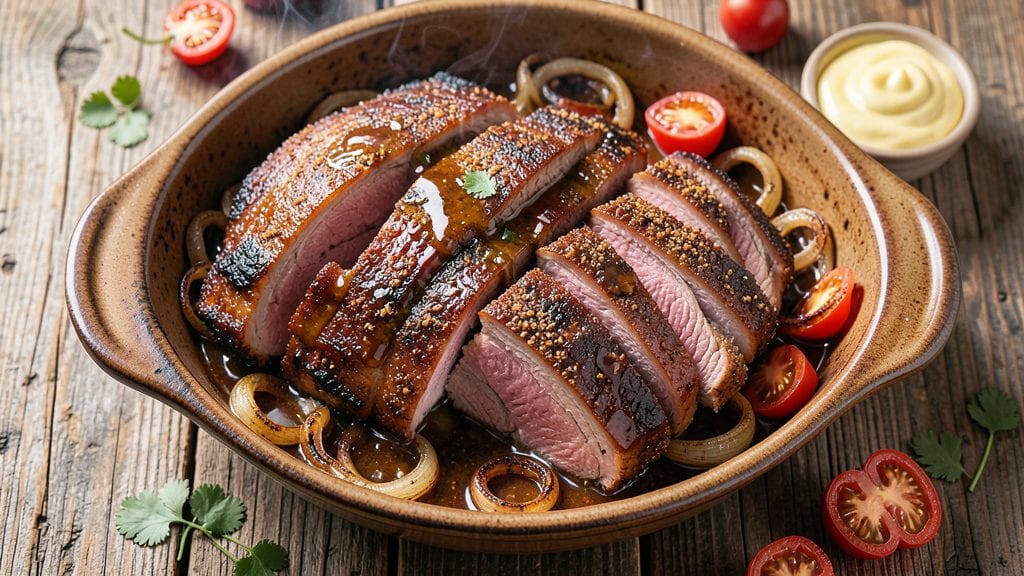
Mastering a smoked Boston butt roast transforms backyard gatherings into legendary events—where every slice reveals melt-in-your-mouth tenderness and layers of smoky depth. This recipe delivers the perfect balance of technique and patience, ensuring your roast emerges juicy, flavorful, and ready to impress.
The key lies in precise temperature control, thoughtful seasoning, and knowing exactly when to pull it from the smoker.
Professional pitmasters rely on low-and-slow smoking to break down connective tissue while preserving moisture, and you can achieve the same results with the right setup.
We’ll use hickory or pecan wood for that classic barbecue aroma, maintain a steady 225°F, and monitor internal temperature with a meat probe—critical for avoiding dryness. The process takes time, but the reward is a roast that falls apart at the touch of a fork.
What sets this recipe apart is the attention to detail: a dry rub that clings to the meat, a bark that develops over hours, and the patience to let it rest before slicing.
The result is a centerpiece that commands the table—smoky, tender, and packed with flavor in every bite. This isn’t just a meal; it’s an experience that turns ordinary Sundays into unforgettable feasts.
Pair it with classic sides like tangy coleslaw, buttery cornbread, and a drizzle of your favorite barbecue sauce for the full spread. Let’s get started on creating a roast that’ll have everyone asking for seconds—and the recipe to match.
Ingredients for smoked boston butt roast
Twelve essential ingredients for a showstopping smoked Boston butt roast that delivers melt-in-your-mouth perfection.
| Ingredient | Amount | Notes |
|---|---|---|
| Boston Butt Roast 🥩 | 10 lb | Bone-in, well-marbled preferred |
| Yellow Mustard 🍯 | ¼ cup | For rub adhesion |
| Brown Sugar 🍬 | ½ cup | Light or dark variety |
| Smoked Paprika 🌶️ | ¼ cup | High-quality for smoky depth |
| Kosher Salt 🧂 | ½ cup | Diamond Crystal preferred |
| Ground Black Pepper 🌶️ | 2 tbsp | Freshly cracked for intensity |
| Garlic Powder 🧄 | 2 tbsp | Not garlic salt |
| Onion Powder 🧅 | 2 tbsp | For balanced sweetness |
| Ground Cumin 🌿 | 1 tbsp | Toasted for complexity |
| Hickory Wood Chips 🌳 | 2 lb | Or pecan for lighter smoke |
| Apple Juice 🍎 | 1 cup | For spritzing during smoke |
| Butter 🧈 | ¼ cup | Unsalted, softened for basting |
| Fresh Thyme Leaves 🌿 | ¼ cup | Chopped for finishing |
The Boston butt is the star—look for a well-marbled, bone-in roast weighing 10 pounds (the sweet spot for 12 servings). Costco or your local butcher are the best bets for quality cuts. If you're buying from a grocery store, check the marbling—fat equals flavor. For wood, hickory gives bold smoke while pecan offers a sweeter profile. Soak your wood chips for 30 minutes before using to prevent flare-ups. The mustard in the rub isn't just for flavor; it helps the dry rub stick to the meat like glue—trust me, this is non-negotiable for even coating.
No smoked paprika? Regular paprika plus a pinch of liquid smoke works in a pinch, but the flavor won't be as authentic. Diamond Crystal kosher salt is the gold standard here—it dissolves better than table salt and enhances flavor without overpowering. Running short on time? Pre-mix your dry rub and store it in an airtight container for up to 6 months. The apple juice spritz isn't just for moisture—it adds subtle sweetness that complements the smoky flavors. For the thyme, fresh is ideal, but if you're using dried, cut the amount to one-third of what's called for. And if you're feeling fancy, add a splash of bourbon to your spritz—it adds depth that'll have everyone asking for the recipe.
This roast is a marathon, not a sprint—plan for 12-16 hours of smoking time depending on your setup. Once it's done, let it rest for at least 1 hour before slicing (this is where the magic happens—juices redistribute for maximum tenderness). Store leftovers in the fridge for up to 5 days or freeze for 3 months. For serving, I like to slice against the grain into 1/2-inch thick slices and arrange on a platter with the basting butter melted over the top. The roast actually tastes better the next day—leftovers reheated with a splash of apple juice are pure comfort food.
Why You'll Love This Recipe
- Foolproof Rub Job: I’ll be real—this roast only needs four ingredients to shine. Slather on that yellow mustard base, then just sprinkle the brown sugar, smoked paprika, and salt. No fancy techniques, no stress. The mustard keeps it sticky and caramelized while you nap (or binge your show).
- Sweet-Smoky Magic: That brown sugar and smoked paprika combo? It’s the kind of flavor that makes people pause mid-bite. The outside gets this deep, glossy crust—almost like a cross between a BBQ glaze and a dry rub—while the inside stays juicy. Honestly, my picky uncle asked for seconds twice.
- Weeknight Crowd-Pleaser: Between us, this is my go-to for game day, family dinners, or when I’m too tired to plan. Slice it thin for sandwiches, serve it whole for a centerpiece, or toss it in tacos later. The leftovers? Even better cold the next day—perfect for quick lunches or a lazy breakfast hash.
- Budget Hero: A whole Boston butt feeds a crowd for less than $2 a serving. I’ve fed eight people (including my partner’s skeptical parents) with this, and they all left happy. Plus, the leftovers stretch into pulled pork for wraps or nachos—so you’re basically getting two meals for the price of one. Smart, right?
Step-by-step instructions for smoked Boston butt roast
Here's how to transform a tough cut into melt-in-your-mouth perfection with a bark so crisp it'll make your guests ask for seconds.
Prepare the Rub and Season the Roast
In a large bowl, combine the 0.5 cup brown sugar, 0.25 cup smoked paprika, 0.5 cup kosher salt, 2 tbsp ground black pepper, 2 tbsp garlic powder, 2 tbsp onion powder, and 1 tbsp ground cumin. Mix thoroughly until evenly distributed. This blend creates the perfect balance of sweet, smoky, and savory flavors that will penetrate the meat.
Pat the 10 lb Boston Butt Roast completely dry with paper towels—this is crucial for bark formation. Spread 0.25 cup yellow mustard evenly over the entire surface, then press the spice mixture firmly into the meat. The mustard helps the rub adhere and adds a subtle tang that complements the smoky flavors. Let the roast sit at room temperature for 1 hour before smoking to ensure even cooking and maximum flavor penetration.
Set Up the Smoker and Preheat
Fill your smoker with 2 lb hickory wood chips and soak them in water for 30 minutes before adding to the firebox. Preheat the smoker to 225°F—this low-and-slow temperature is key for tenderizing the tough connective tissue in the roast. Place a water pan in the smoker to maintain moisture and prevent the bark from drying out prematurely.
Once the smoker reaches temperature and you see clean, blue smoke (not thick white smoke), place the roast fat-side up on the smoker grate. The fat cap will render slowly, basting the meat as it cooks. Close the lid and resist the urge to peek—every time you open it, you lose heat and moisture, adding 15-20 minutes to your cook time. This is where patience pays off.
Smoke Until the Stall
Smoke the roast undisturbed for 6-8 hours, or until the internal temperature reaches 165-170°F. You'll notice the temperature stall around this point—the internal temp stops rising as moisture evaporates. This is normal and expected. The bark should be deep mahogany brown and slightly crispy to the touch, while the meat beneath remains tender.
Here's the thing—don't rush this stage. The low temperature breaks down collagen, turning it into gelatin that makes the meat fork-tender. If you're using a meat thermometer, insert it into the thickest part of the roast, avoiding the bone. The probe should slide in easily, and the juices should run clear when you pierce the meat.
Wrap and Finish Cooking
Once the roast hits the stall, it's time for the "Texas crutch." Remove the roast from the smoker and wrap it tightly in butcher paper (not foil—paper allows for better bark retention). Return it to the smoker and continue cooking until the internal temperature reaches 200-203°F, which typically takes another 2-4 hours. This step ensures the meat is probe-tender and juicy without drying out.
During this final stage, spritz the roast with apple juice every hour to keep it moist. The juice adds subtle sweetness and helps maintain the bark's integrity. The roast is done when it reaches the target temperature and the probe slides in like butter with no resistance. This is the moment that matters—patience here guarantees a perfect result.
Rest and Slice for Maximum Juiciness
Remove the roast from the smoker and transfer it to a cutting board. Tent loosely with foil and let it rest for at least 1 hour (I prefer 2 hours if possible). This resting period allows the juices to redistribute throughout the meat, ensuring every slice is moist and flavorful. Real talk: Skipping this step means dry, tough meat—don't skip it.
Unwrap the roast and locate the grain direction—you'll see lines running through the meat. Using a sharp carving knife, slice against the grain into ¼-inch thick pieces. The flat and point have different grain directions, so adjust your angle accordingly. Before serving, brush the slices with melted 0.25 cup butter and sprinkle with 0.25 cup fresh thyme leaves for added aroma and moisture. The result should be slices that pull apart with a gentle tug, not so soft they fall apart, and not tough or chewy.
Pro Tips For Making Smoked Boston Butt Roast
- SEAR THE FAT SIDE: Flip the roast fat-side down first—it’s the only time you’ll do this. That crispy, golden crust locks in flavor and keeps the meat from drying out later, especially when you’re dealing with a tough cut like Boston butt. (Yes, even if you’re impatient like me.)
- BRINE IT OVERNIGHT: Toss the roast in a mix of 1 gallon water, 1 cup kosher salt, and ½ cup brown sugar for 12+ hours. I learned this the hard way—skipping the brine means fighting dryness, no matter how much you smoke it. The mustard and paprika will stick better too.
- SKIP THE PEELING: Don’t remove the fat cap—it’s your smoke shield. That layer of fat renders down, basting the meat and protecting it from direct heat. If you’re worried about it burning, just trim it to ¼-inch thick and leave the rest alone.
- PROBE THE THICK END: Check doneness in the thickest part of the roast, not the edge. Aim for 195°F internal temp—any lower and you’ll regret it when slicing. If it’s not there after 6 hours, wrap it in foil with a splash of apple juice and let it rest. (Your future self will thank you.)
Storing and reheating your smoked boston butt roast
Refrigerator Storage
After your smoked Boston butt reaches perfection, let it cool to room temperature (about 1 hour) before storing. Transfer leftovers to airtight containers—I use glass Pyrex with snap-on lids—and refrigerate within 2 hours.
The flavors actually deepen overnight, so this roast tastes even better the next day. Store for up to 5 days at 40°F or below for maximum freshness. 💪
Freezer Preservation
For longer storage, freeze your roast in quart-sized freezer bags with 1 inch of headspace to prevent freezer burn. Squeeze out excess air before sealing, and label with the date. It keeps for up to 3 months without losing texture or flavor.
When ready to eat, thaw in the fridge overnight for even cooking. Never microwave-thaw—it creates uneven temperatures that ruin the texture.
Stovetop Reheating
My preferred method is low-and-slow reheating on the stovetop. Place slices in a heavy-bottomed skillet with 2 tbsp beef broth or apple juice, cover, and heat over medium-low heat for 10-15 minutes.
The liquid prevents drying while gently warming the meat. Stir occasionally and check for 165°F internal temperature before serving. This keeps the bark intact and maintains juiciness.
Oven Reheating Tips
For larger portions, reheat in a 325°F oven on a wire rack over a baking sheet. Cover loosely with foil and heat for 20-25 minutes, basting with melted butter halfway through.
The foil traps moisture while the rack allows air circulation for even warming. Avoid high heat—it dries out the meat faster than you can say "Texas crutch."
Microwave Shortcuts
When time is tight, use the microwave on 50% power in 1-minute intervals, stirring between each. Add 1 tbsp apple juice or broth to keep slices moist.
Cover with a damp paper towel to prevent drying. This method works best for quick lunches but won't match the texture of stovetop reheating.
Serving Leftovers Creatively
Transform leftover slices into pulled pork sandwiches by shredding with forks. Mix with 2 tbsp barbecue sauce and serve on toasted buns with pickles. For tacos, warm slices in a skillet with 1 tsp taco seasoning and top with avocado.
The smoky depth shines in new ways—don't waste a single bite! ✨
Nutrition facts
Frequently asked questions
Why does the recipe call for a 1-hour room temperature rest before smoking?
This step ensures even cooking by bringing the roast to a uniform temperature throughout. Cold meat takes longer to heat up, risking uneven doneness and potential food safety concerns. A 1-hour rest at room temperature also helps the rub adhere better, creating a more flavorful bark. Never skip this—it's the difference between perfect and problematic results.
Can I use a pellet grill instead of a traditional smoker?
Pellet grills work beautifully for this recipe. Set the temperature to 225°F and use hickory or pecan pellets for authentic smoke flavor. The advantage is automatic temperature control, which makes maintaining the low-and-slow cook more consistent. Just follow the same timing and probe guidelines as the original recipe.
What's the best way to handle the temperature stall?
The stall happens when the roast reaches 165-170°F and the internal temperature stops rising. This is normal—it means moisture is evaporating. The solution is the "Texas crutch": wrap the roast in butcher paper (not foil) and return it to the smoker. The paper lets moisture escape while keeping the bark intact, allowing the meat to reach 200-203°F without drying out. Patience here is key!
How do I know when the roast is done without a meat thermometer?
While a thermometer is ideal, you can use the "finger test": press your finger into the meat near the bone. If it feels soft and the juices run clear (not pink), it's done. The bark should be deep mahogany brown and slightly crispy. For a 10 lb roast, expect 12-16 hours total cook time. If unsure, err on the side of undercooking—you can always finish it in the oven.
What's the difference between butcher paper and foil for wrapping?
Butcher paper is the gold standard because it allows moisture to escape while keeping the bark intact—unlike foil, which traps steam and can make the meat mushy. The paper's breathability lets the roast cook through evenly without losing the crispy exterior. For extra insurance, use two layers of paper and wrap it tightly. This is a game-changer for texture and flavor.