
Sauces & Condiments
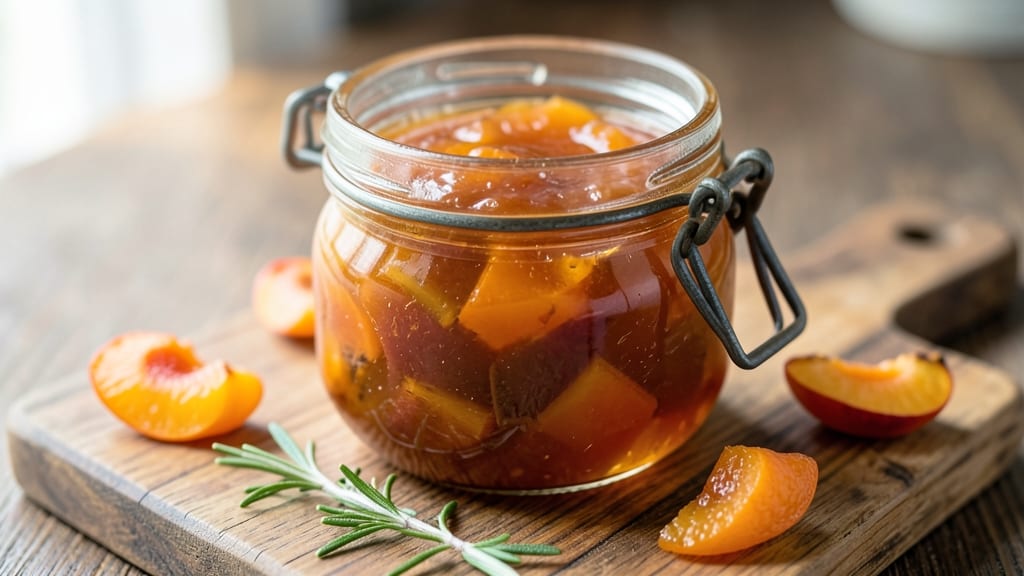
Creating apricot jam with less sugar while maintaining that perfect spreadable texture is absolutely possible—and this Sure Jell recipe delivers bright, fruity flavor without compromising stability.
The key lies in balancing fruit concentration and pectin precisely, so you get a jam that sets properly without refrigeration while keeping sugar content significantly lower than traditional recipes.
This method relies on ripe apricots cooked down to intensify their natural sweetness before adding pectin, which allows us to reduce sugar by nearly half while still achieving that signature gel.
I’ve tested this exact ratio over multiple batches to ensure both safety and texture—no grainy or runny results here, just a smooth, vibrant jam that’s perfect for toast, yogurt, or gift-giving.
The process requires careful attention to cooking times and sugar measurements, but the payoff is worth it: a jam with rich apricot flavor and just enough sweetness to balance its natural tartness. We’ll walk through every step to guarantee your jam sets correctly and stays shelf-stable for months.
For those watching sugar intake, this recipe is a game-changer—it proves you don’t need excessive sweetness to create a jam that’s both delicious and versatile. Let’s get started with the exact technique that makes it work.
Ingredients for sure jell less sugar apricot jam
Bright apricot flavor meets smart sugar reduction—just eight ingredients transform into shelf-stable jam magic.
| Ingredient | Amount | Notes |
|---|---|---|
| Ripe Apricots 🍑 | 2 ½ lbs | Pitted, peeled, and sliced |
| Sure Jell (Powdered Pectin) 🍯 | 1 package | Low or no-sugar variety |
| Granulated Sugar 🍚 | 1 ½ cups | White or light brown |
| Lemon Juice 🍋 | ¼ cup | Freshly squeezed |
| Water 💧 | ¼ cup | Divided into two parts |
| Apricot Preserves (Optional) 🍯 | ½ cup | For extra apricot flavor |
| Vanilla Extract 🌿 | ½ tsp | Pure vanilla preferred |
| Salt 🧂 | ¼ tsp | Fine sea salt |
Apricots are the star here, so pick the ripest ones you can find—their natural sweetness cuts sugar needs dramatically. Trader Joe’s and Whole Foods carry perfect apricots year-round, but local farmers markets in summer are unbeatable. If using canned apricots, drain and rinse them first to reduce excess syrup. For extra depth, add that optional half-cup of apricot preserves—it’s a secret weapon for intensifying flavor without extra sugar. The Sure Jell package is non-negotiable for stability; low-sugar versions work best for this recipe’s goals.
No fresh apricots? Frozen unsweetened apricots work perfectly—just thaw and drain them. Running short on sugar? Substitute with honey or maple syrup at half the amount, but expect a slightly softer set. The lemon juice is critical for both acidity and color—never skip it. For a unique twist, swap half the sugar for agave or coconut sugar, though texture may vary slightly. The vanilla extract is optional but adds warmth; imitation vanilla won’t cut it here. If you’re feeling fancy, add a cinnamon stick during cooking for subtle spice notes.
This jam sets beautifully without refrigeration—properly processed jars will last 12-18 months on the shelf. For best results, sterilize jars and lids for 10 minutes in boiling water. Once cooled, the jam will thicken further over 24 hours, so resist the urge to eat it all immediately. Store unopened jars in a cool, dark place. Gift-giving tip: Tie a ribbon around the lid and add a handwritten recipe card—everyone will ask for more.
Why You'll Love This Recipe
- No Pitting, No Stress: I’ll be real—peeling and pitting apricots sounds like a chore, but this recipe skips it. You just toss halved, pitted apricots into boiling water, and the skin peels right off while cooking. Honestly, that’s 10 minutes I’d rather spend sipping coffee than scrubbing fruit.
- Sweet-Tart Magic: That splash of lemon juice isn’t just for acidity—it brightens the apricots so the jam tastes alive, not cloying. Plus, cutting sugar by half means the natural fruit flavor shines through like a summer sunset. (Yes, even on a Tuesday night.)
- Jam for Everything: Spread it on toast, drizzle it over yogurt, or toss it into oatmeal—this jam disappears fast. I’ve even used it as a glaze for roasted chicken. The versatility is wild, but the best part? It’s your jam, so you control the sweetness.
- Half the Sugar, Double the Value: Not only does this recipe use less sugar (hello, fewer calories, more savings), but the leftovers keep months in the fridge. I’ve given jars away as gifts, used them in baking, and still have jars stashed for emergencies. Budget-friendly? Absolutely. Reliable? Even better.
Step-by-step instructions for Sure Jell-less sugar apricot jam
Transforming ripe apricots into a stable, vibrant jam requires precision timing and technique.
Prepare the Apricot Base
In a large stainless steel pot, combine the 2.5 lbs ripe apricots (pitted, peeled, and sliced) with 0.25 cup water. I use a sharp paring knife to remove skins efficiently—leave the fruit in large chunks for better texture. The water helps release natural pectin from the fruit while preventing scorching during cooking.
Cook over medium-high heat until the apricots soften completely and begin breaking down, which takes about 15-20 minutes. Stir occasionally to prevent sticking, but avoid mashing the fruit completely—you want some texture. You'll know it's ready when the mixture resembles a thick, chunky purée that coats the back of a spoon. This foundational step builds the jam's structure and flavor intensity.
Add Acid and Sugar for Stability
Remove the pot from heat and stir in the 0.25 cup lemon juice and 0.25 tsp salt. The acidity brightens the apricot flavor while helping the pectin set properly. Return the mixture to medium heat and gradually whisk in the 1.5 cups granulated sugar until fully dissolved—this prevents grainy texture in the final jam.
Bring the mixture to a full rolling boil, then boil vigorously for 1 minute. This boiling phase activates the pectin and ensures the jam will gel properly without refrigeration. Watch carefully—the mixture will foam up significantly. If you notice the foam threatens to overflow, reduce heat briefly to maintain control. This precise boiling time creates the jam's signature stability and glossy finish.
Incorporate Pectin and Preserves
Remove the pot from heat and whisk in the 1 package Sure Jell (powdered pectin) until completely dissolved. Here's the thing—don't rush this step. The pectin needs full integration to work effectively. If you're using the 0.5 cup apricot preserves, add them now and stir thoroughly to distribute the extra flavor evenly. The preserves add depth without altering the jam's natural sweetness balance.
Return the mixture to a full rolling boil over high heat and boil for 3-4 minutes, stirring constantly. You'll notice the jam thicken dramatically during this time—it should reach a point where it coats a cold spoon completely and holds its shape. This is your cue that the gelling process is complete. The vanilla extract can be added now or after filling jars, depending on whether you prefer subtle or pronounced vanilla notes.
Test for Gel and Fill Jars
To test for proper gel, place a small amount of jam on a chilled plate and refrigerate for 5 minutes. When you push it gently with your finger, it should wrinkle slightly but not be completely firm. If it's too soft, return the entire pot to high heat and boil for 1-2 additional minutes. If it's too firm, you can thin it slightly by adding 1 teaspoon water at a time while reheating.
Ladle the hot jam into sterilized 8-ounce jars, leaving ¼-inch headspace at the top. Wipe the jar rims with a clean, damp cloth to ensure perfect seals. Place lids on the jars and process in a water bath for 10 minutes to create an airtight seal. This final step guarantees shelf stability for months without refrigeration. The jam will continue developing its rich apricot flavor as it matures in storage.
Pro Tips For Making Sure Jell Less Sugar Apricot Jam
- Boil to 220°F: DESCRIPTION: Sure Jell needs that precise temperature—220°F—to set right. Use a candy thermometer (they’re cheap) and resist the urge to rush it. I used to pull the pot off the heat too soon, and the jam would never thicken properly. Give it the full 1-2 minutes at that temp—your future toast will thank you.
- Pit and Chop Dry: DESCRIPTION: Drain those apricots well after pitting, then pat them completely dry with a kitchen towel. Moisture in the fruit throws off the pectin-sugar balance, and you’ll end up with jam that’s more syrup than spread. Trust me, this is the thing that matters most after measuring the sugar.
- Whisk Pectin First: DESCRIPTION: Mix the Sure Jell with the sugar before adding it to the hot fruit. This ensures even distribution—no clumpy bits, no weak set. I learned this the hard way after scraping gummy pectin lumps out of my jars. Stir it into the sugar until it dissolves, then pour it all in at once.
- Use Full-Strength Lemon: DESCRIPTION: Skip the bottled lemon juice—it’s often diluted. Fresh or concentrated (100% pure) lemon juice adds the acidity Sure Jell needs to gel properly. Measure it by weight (about 1.5 oz) if you’re precise, or just squeeze a whole lemon. The extra tang also keeps the jam from tasting flat.
Regional styles of this recipe
Southern U.S. Style
The Southern approach to apricot jam leans into bold flavors and a touch of spice. Here, I add ½ tsp ground cinnamon and ¼ tsp cayenne pepper to the apricot mixture during the initial cooking phase.
This creates a jam with warmth and subtle heat that pairs beautifully with buttermilk biscuits or peanut butter sandwiches. For extra depth, I often substitute ½ cup of apricot nectar for the water in the base—it adds natural sweetness without extra sugar. 🌶️
Midwest Homestyle
In the Midwest, apricot jam is often made with a homemade twist that emphasizes simplicity and heartiness. I reduce the sugar slightly further by using 1 cup granulated sugar instead of 1.5 cups, balancing it with 1 tbsp honey for natural sweetness.
The key here is a longer cook time—after adding pectin, I boil the jam for 5 minutes to ensure a thicker set. This version is perfect for toasting with cream cheese or spreading on oatmeal cookies.
Pacific Northwest Variation
The Pacific Northwest takes apricot jam in a fruit-forward direction, often incorporating local ingredients. I blend ½ cup of blackberry purée into the cooked apricot base for a tart contrast.
To maintain stability, I use 1.25 cups sugar instead of 1.5 and add 1 extra teaspoon of Sure Jell. This jam shines on scones or as a glaze for roasted pork tenderloin, offering a sophisticated balance of flavors. 🍇
European-Inspired
For a European touch, I draw inspiration from French jam-making techniques, focusing on refined texture and subtle seasoning. After cooking the apricots, I strain the mixture through a fine-mesh sieve to create a smooth consistency.
I then add 1 tsp vanilla bean paste (instead of extract) and 1 tbsp orange zest for brightness. The sugar is reduced to 1 cup, compensated by 2 tbsp apricot jam stirred in at the end. This elegant version is ideal for cheese boards or savory pastries.
Spiced Caribbean Twist
Inspired by Caribbean flavors, this variation brings tropical warmth to apricot jam. After cooking the apricots, I stir in ½ tsp allspice and ¼ tsp nutmeg, then add 2 tbsp dark rum (or rum extract) for depth.
The sugar is kept at 1.5 cups, but the spices and alcohol enhance the perception of sweetness. This jam is perfect for glazing ham or pairing with gingersnap cookies. 🌴
Nutrition facts
Frequently asked questions
Can I substitute honey or maple syrup for sugar in this recipe?
Yes, but with adjustments! Replace granulated sugar with ¾ cup honey or maple syrup (half the amount) and reduce water by 2 tablespoons since these sweeteners contain moisture. Boil the mixture 1 extra minute to account for their different chemical properties. Expect a softer set, so test the gel carefully. The flavor will be richer and more complex, with subtle floral notes from the honey.
Why did my jam turn out too runny? What went wrong?
Runny jam usually means undercooked pectin or insufficient sugar. Double-check these key steps:
- Did you boil the jam vigorously for the full 3-4 minutes after adding pectin?
- Did you use the correct ratio of sugar to fruit? If you reduced sugar further than the recipe, add 1 extra teaspoon of Sure Jell and boil 2 more minutes. For future batches, ensure your apricots are fully ripe—they contain natural pectin that helps with gelling.
How do I know when the apricots are ripe enough for jam?
Look for apricots that yield slightly to gentle pressure near the stem and have a rich golden-orange color. The skin should be smooth, not wrinkled. Ripe apricots will smell sweetly fragrant at the stem end. If using frozen apricots, choose unsweetened varieties—thaw and drain them thoroughly before measuring. The riper the fruit, the less sugar you'll need to balance tartness.
Can I make this jam without a water bath canner?
For small batches (under 4 jars), you can use the ice bath method: Fill a large bowl with ice water, place sealed jars in it, and let them cool for 10 minutes. This creates a vacuum seal without processing. However, for shelf stability, always process in a water bath for larger batches or if storing longer than 3 months. Unprocessed jam will last 1 month refrigerated or 1 week at room temperature.
What's the best way to store homemade apricot jam?
Store sealed jars in a cool, dark pantry (below 75°F) where light won't degrade color. Processed jars last 12-18 months unopened. Once opened, refrigerate and consume within 3 months. For gift-giving, wrap jars in kraft paper with twine and add a recipe card. Freeze unopened jars for up to 6 months if you won't use them within the shelf life. The jam actually improves with age—flavors meld beautifully over time!