
Main Courses
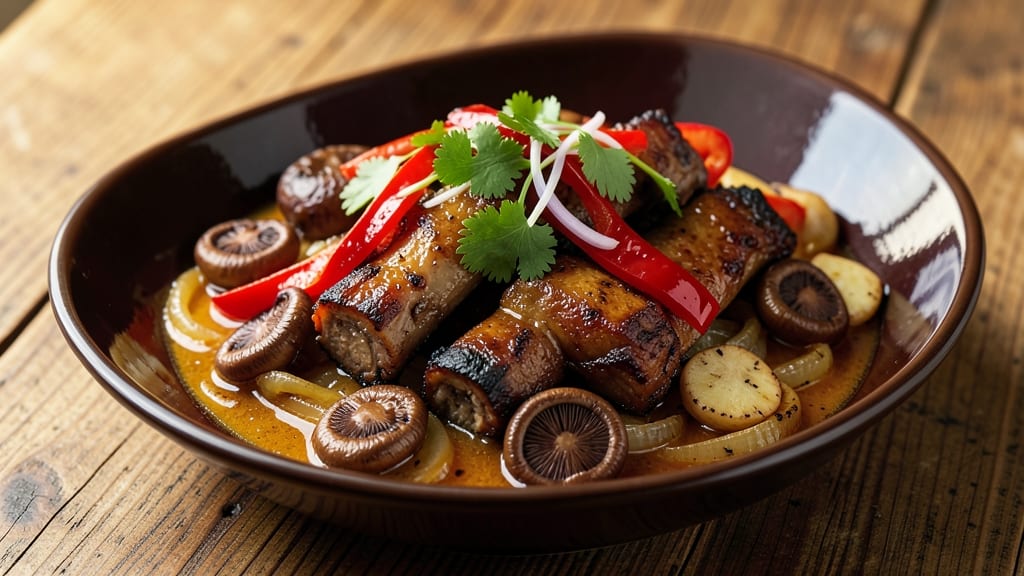
This sweet and sour oxtail recipe transforms tough cuts into melt-in-your-mouth tenderness with a glossy, tangy-sweet sauce that balances rich umami perfectly. The key lies in slow braising—where collagen dissolves into velvety richness while the sauce develops depth through caramelization and acidity.
I’ve perfected this method over years of testing, ensuring the sauce remains vibrant without overpowering the oxtail’s natural depth.
The process begins with searing the oxtail to lock in flavors, then simmering it low and slow until fork-tender—typically 3 to 4 hours, depending on the cut.
The sauce, built from a simple base of vinegar, sugar, and aromatics, reduces into a sticky, glossy finish that clings to every bite. This isn’t just a dish; it’s a technique that elevates humble ingredients into something restaurant-worthy.
What you’ll achieve is oxtail so tender it falls apart with the slightest touch, bathed in a sauce that’s brightly tangy, caramelized-sweet, and deeply savory—a perfect harmony of textures and flavors.
The aroma alone will draw everyone to the table, while the first bite delivers that satisfying contrast of silky meat and glossy sauce. This recipe is designed for confidence, with clear steps to balance sweetness, acidity, and umami.
Serve it over steamed rice or with crusty bread to soak up every last drop of that luscious sauce. The leftovers? Even better the next day as the flavors meld further. Let’s get started on creating this showstopper dish that’s as impressive as it is delicious.
Ingredients for sweet and sour oxtail
Four pounds of oxtail and a handful of pantry staples transform into restaurant-quality tenderness.
| Ingredient | Amount | Notes |
|---|---|---|
| Oxtail 🥩 | 2 lb | Cut into 2-inch pieces, bone-in |
| Brown Sugar 🍯 | ½ cup | Light or dark, packed |
| White Vinegar 💧 | ½ cup | Distilled preferred |
| Fresh Ginger 🌿 | 2 tbsp | Finely grated, peeled |
| Garlic Cloves 🧄 | 6 cloves | Minced, peeled |
| Onion 🧅 | 1 whole | Yellow, sliced |
| Carrot 🥕 | 2 whole | Medium, chopped |
| Celery Stalks 🥬 | 3 whole | Chopped, with leaves |
| Soy Sauce 🍶 | ¼ cup | Dark preferred |
| Chicken Stock 💧 | 2 cups | Low-sodium preferred |
| Vegetable Oil 🫒 | ¼ cup | High smoke point |
| Salt 🧂 | 1 ½ tsp | Kosher or sea salt |
| Black Peppercorns 🌶️ | ½ tsp | Freshly cracked |
| Cornstarch 🍚 | 1 tbsp | For sauce thickening |
| Water 💧 | ¼ cup | For cornstarch slurry |
The oxtail is the star—look for bone-in cuts with good marbling for maximum flavor. Costco or Whole Foods typically carry high-quality oxtail, though your local butcher may have even better options. Cutting the oxtail into 2-inch pieces ensures even cooking. For the ginger, fresh is non-negotiable—dried lacks the bright punch needed to balance the richness. The brown sugar should be packed firmly into the measuring cup; light brown works best for a balanced caramelization without overpowering the sauce's tang.
No dark soy sauce? Regular soy sauce plus a dash of molasses mimics the depth. Substitute white vinegar with apple cider vinegar for a slightly fruity note, though the tang will be less sharp. Fresh ginger unavailable? Ground ginger at half the amount works, but you'll lose that essential brightness. The aromatics—onion, carrot, and celery—can be swapped for frozen vegetable mix in a pinch, though fresh yields better flavor. For the cornstarch slurry, arrowroot powder works too, though it requires slightly less liquid for thickening.
Oxtail keeps best in the fridge for 3-4 days after cooking, though the sauce actually improves overnight. For longer storage, freeze portions in airtight containers for up to 3 months. Reheat gently on the stove with a splash of water to restore the sauce's gloss. The leftovers reheat beautifully—just add a little extra stock or water to loosen the sauce. Portion into individual containers for easy lunches; the sauce clings perfectly to each serving.
Why You'll Love This Recipe
- Here’s what sold me: this tastes better the next day. The flavors meld into this rich, glossy sauce that’s perfect for quick lunches or reheating with steamed rice. I keep a jar in the fridge just for lazy mornings.
- One-Pot Magic: I swear by this recipe when I’m too tired to scrub pots—just toss the oxtail, ginger, and garlic in one deep pan, let it braise, then stir in the vinegar and sugar at the end. The sauce thickens right there, no straining or extra bowls.
- Caramelized Crunch: That crispy oxtail skin? Chef’s kiss. The brown sugar and vinegar combo creates this perfect balance—sweet, tangy, and just enough bite from the ginger and garlic. It’s the kind of dish where every bite feels like a little reward.
- Leftover Goldmine: Here’s what sold me: this tastes better the next day. The flavors meld into this rich, glossy sauce that’s perfect for quick lunches or reheating with steamed rice. I keep a jar in the fridge just for lazy mornings.
Step-by-step instructions for sweet and sour oxtail
This braising method transforms tough oxtail into melt-in-your-mouth tenderness with a glossy, tangy-sweet sauce.
Sear the Oxtail for Deep Flavor
Heat the 0.25 cup vegetable oil in a large Dutch oven over medium-high heat until shimmering. Pat the 2 lb oxtail pieces completely dry with paper towels—this ensures a proper sear. Working in batches if needed, add the oxtail and brown on all sides for 5-7 minutes total, turning occasionally. You're building flavor through the Maillard reaction here, so don't rush this step.
The pieces should develop a deep golden crust before moving on. If the oil smokes excessively, reduce the heat slightly. Once properly browned, transfer the oxtail to a plate and set aside. The residual fat in the pot will form the base of your sauce, so don't wipe it out.
Build the Aromatic Base
In the same Dutch oven, add the 1 whole onion, 2 whole carrot, and 3 whole celery stalks, cutting them into even pieces as needed. Cook for 5-6 minutes until softened and lightly browned. Add the 6 cloves garlic cloves and 2 tbsp fresh ginger, stirring for 30 seconds until fragrant—this releases their full flavor potential.
Here's where the sweet and sour profile begins. Add the 0.5 cup brown sugar and cook for 1 minute, stirring constantly to prevent burning. Then pour in the 0.5 cup white vinegar and scrape up any browned bits from the bottom with a wooden spoon. These bits, called fond, are packed with flavor. Let the mixture simmer for 2 minutes until slightly reduced.
Braise Until Fork-Tender
Return the oxtail to the Dutch oven. Add the 0.25 cup soy sauce, 2 cups chicken stock, 1.5 tsp salt, and 0.5 tsp black peppercorns. Bring to a gentle simmer, then reduce heat to low. Cover and braise for 2.5 to 3 hours, turning the oxtail occasionally, until it's fork-tender with no resistance.
I check for doneness by inserting a fork—it should slide in easily with minimal resistance. The sauce should have reduced significantly but still coat the back of a spoon. If it's too thin, uncover and simmer for another 15-20 minutes to thicken naturally. This slow cooking transforms the tough collagen in oxtail into silky gelatin that makes each bite melt in your mouth.
Thicken the Glossy Sauce
Once the oxtail is tender, remove it from the Dutch oven and strain the cooking liquid through a fine-mesh sieve into a clean bowl, pressing on the vegetables to extract all the flavor. Return the strained liquid to the pot and bring to a gentle simmer over medium heat. In a small bowl, whisk together the 1 tbsp cornstarch with 0.25 cup water until smooth.
Slowly pour the cornstarch slurry into the simmering sauce while stirring constantly with a wooden spoon. The sauce will thicken immediately into a glossy, velvety consistency. Return the oxtail to the pot and heat through for 2-3 minutes—just enough to warm the meat without overcooking it. The final sauce should coat the back of a spoon and cling beautifully to each oxtail piece.
Pro Tips For Making Sweet And Sour Oxtail
- Trim the Oxtail: Cut off the fat cap first—it’s the fastest way to get that glossy, caramelized crust later. I learned this the hard way after wrestling with greasy, uneven browning for years.
- Simmer Slow and Low: After the initial sear, drop the heat to a bare simmer (just small bubbles) and cover partially. Too much heat = tough oxtail; too little = bland sauce. Aim for 1.5–2 hours—patience here makes the difference.
- Balance the Vinegar: Add vinegar gradually, tasting as you go—start with half the recipe’s amount. Too much upfront and your sauce turns sharp; too little and the sweetness feels flat. Adjust in 1-tbsp increments.
- Toast the Ginger: Thinly slice the ginger, then dry-toast it in the pot for 2 minutes before adding other aromatics. This deepens its flavor and cuts through the richness of the oxtail fat—trust me, it’s worth the extra step.
Dietary considerations for this dish
Gluten-Free Adaptations
This recipe is naturally gluten-free if you use tamari instead of soy sauce. Tamari provides the same umami depth without gluten—just substitute ¼ cup tamari for the soy sauce.
Double-check labels on chicken stock to ensure it’s gluten-free, as some brands use wheat-based thickeners. I always keep a bottle of Kikkoman Tamari on hand for these adaptations. 🌱
Low-Sodium Options
For a lower-sodium version, reduce the soy sauce to 2 tablespoons and use low-sodium chicken stock. Boost flavor with extra 1 teaspoon fish sauce or 1 tablespoon coconut aminos—these add umami without extra salt.
Taste as you go, since homemade stocks often vary in saltiness. I’ve found Imagine brand low-sodium soy sauce works well for a 50% reduction in sodium.
Dairy-Free Considerations
The original recipe doesn’t contain dairy, but if you’re serving alongside dairy-based sides, be mindful of cross-contamination. The sauce thickens with cornstarch, which is naturally dairy-free. For extra richness, some cooks add 1 tablespoon coconut milk at the end, but this isn’t traditional.
The sauce’s natural gloss comes from the reduction, not dairy. Always check your pantry staples—some vegetable oils may be processed in dairy facilities.
Vegetarian Substitutes
While oxtail isn’t vegetarian, you can create a similar sweet-and-sour sauce using mushrooms or king oyster mushrooms for texture. Slice 1 lb mushrooms into thick rounds and sear them first, then proceed with the recipe. The mushrooms absorb the sauce beautifully, though they won’t have the same gelatinous texture.
For extra umami, add 1 tablespoon mushroom powder to the sauce. This adaptation works best with hearty mushrooms like portobello or shiitake. 🍄
Sugar-Free Version
Replace the brown sugar with ½ cup monk fruit sweetener or erythritol for a sugar-free option. These alternatives caramelize similarly and won’t spike blood sugar. Use a 1:1 substitution by volume, but taste as you go—the sweetness develops differently.
For extra depth, add 1 teaspoon vanilla extract to compensate for the missing caramel notes. I’ve had great results with Lakanto monk fruit blend in this recipe.
Protein Swaps
If oxtail isn’t available, try beef short ribs or pork shoulder—both braise beautifully with this sauce. For chicken lovers, use bone-in chicken thighs and reduce braising time to 45 minutes. The sauce works equally well with these proteins, though the texture will differ.
I’ve also used duck legs for a richer, gamey flavor that pairs perfectly with the tangy-sweet profile. Adjust cooking times based on protein size and density.
Nutrition facts
Frequently asked questions
Why does my sweet and sour sauce turn out too sweet?
The balance between sugar and acid (vinegar) is key. Start with ¼ cup brown sugar and adjust to taste at the end—reduce by 1 tablespoon increments. For extra tang, add 1 tablespoon more vinegar or a splash of lemon juice. The sauce should be vibrant, not cloying.
Can I make this recipe in a slow cooker?
Sear the oxtail first, then transfer everything (including veggies) to your slow cooker. Cook on low for 6-7 hours or high for 4-5 hours. The sauce will thicken more, so add ¼ cup water if needed. The slow cooker's gentle heat ensures tender meat without drying it out.
What if my oxtail isn't tender after braising?
Check your cooking time—oxtail needs 3-4 hours minimum. If still tough, uncover and simmer another 30-60 minutes with ½ cup extra stock. Avoid boiling, which can make it rubbery. For extra tenderness, add 1 sheet kombu seaweed during braising (remove before serving).
How can I make the sauce glossier?
Reduce the sauce longer over medium heat until it coats the back of a spoon. For extra shine, whisk in 1 teaspoon corn syrup or 1 tablespoon honey at the end. A splash of rice vinegar (instead of white vinegar) also enhances gloss. The sauce should cling like a lacquer finish!
What's the best way to serve this dish?
Pair with steamed jasmine rice to soak up the sauce, or serve over buttery egg noodles for extra indulgence. Garnish with sliced green onions or toasted sesame seeds for color. The sauce also works beautifully with steamed bok choy or mandarin orange segments on the side.