
Side Dishes
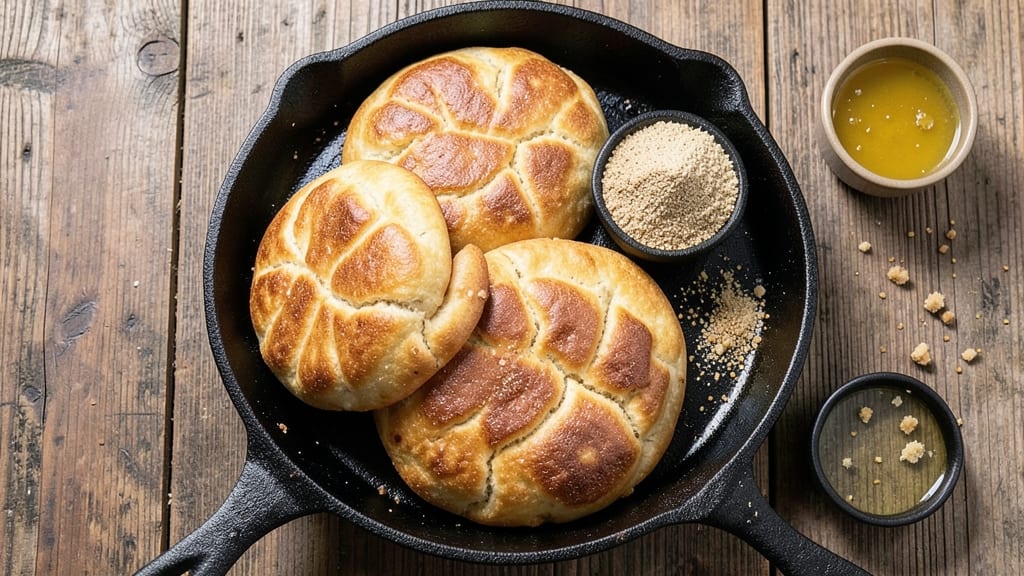
Creating traditional Indian fry bread delivers that perfect balance of crispy layers and warm spice infusion that pairs beautifully with curries or sweet chutneys. This recipe stays true to heritage methods while adapting for home kitchens—whether you deep-fry or bake, the result is always golden and satisfying.
The secret lies in the cornmeal base and careful frying technique that creates those signature air pockets.
What makes this fry bread truly special is its versatility—serve it with spicy lamb curry for a hearty meal or drizzle with honey for a sweet treat. The dough requires just five simple ingredients, including cornmeal for texture and a pinch of salt to enhance flavor.
Traditional methods call for deep-frying, but baking works too when you need a lighter option.
By following this method, you'll achieve perfectly crispy edges with tender, flaky layers that hold up to any topping. The warm spices infused in the dough create an aromatic base that elevates every bite.
Whether you're serving a full Indian feast or enjoying a simple snack, this fry bread brings authenticity to your table.
For extra flavor, try brushing with melted ghee or sprinkling with sesame seeds before serving. The possibilities are endless—let this traditional recipe become a staple in your cooking repertoire. Ready to master the art of Indian fry bread?
Ingredients for traditional indian fry bread
Five simple ingredients transform into golden, crispy fry bread with layers of flavor.
| Ingredient | Amount | Notes |
|---|---|---|
| All-Purpose Flour 🌾 | 1 cup | For structure and binding |
| Medium-Grind Cornmeal 🌽 | 1 cup | Stone-ground preferred for texture |
| Baking Powder 🧂 | 1 ½ tsp | Aluminum-free for best flavor |
| Salt 🧂 | ½ tsp | Fine sea salt preferred |
| Ground Cumin 🌿 | ½ tsp | Freshly toasted for aroma |
| Vegetable Oil 🫒 | ½ cup | For frying or brushing |
| Whole Milk 🥛 | ½ cup | Full-fat for richness |
| Unsalted Butter 🧈 | 2 tbsp | Melted for brushing |
| Sesame Seeds 🌻 | 1 tbsp | Optional topping |
| Ghee 🧈 | 2 tbsp | For extra flavor brushing |
The cornmeal is non-negotiable for that signature texture—Bob's Red Mill or Maseca are top choices for authenticity. Look for medium-grind in bulk sections if your grocery store carries it, as finer grinds can make the bread too dense. The ground cumin should be toasted lightly before adding to the dough (just dry-toast in a pan for 30 seconds) to deepen its aroma. Whole milk and unsalted butter create the perfect balance of richness without overpowering the spices. For the oil, vegetable or canola works well for frying, but ghee is ideal if you want that authentic flavor profile—it's worth the splurge for special occasions.
No cornmeal? Fine semolina flour is a decent substitute, though the texture won't be identical. Short on milk? Heavy cream or yogurt adds richness, but reduce slightly to avoid a gummy texture. The baking powder is crucial for lift—Diamond Crystal is aluminum-free and preferred by professionals for its gentle rise. For a lighter version, replace half the oil with applesauce, though the bread will be less crispy. If you're baking instead of frying, brush with egg wash for extra golden color, but expect slightly denser layers. The sesame seeds can be swapped for poppy seeds or crushed nuts if you prefer a different crunch.
Store leftover fry bread in an airtight container with a paper towel to keep it crispy for up to 3 days. For longer storage, freeze portions wrapped in parchment paper for up to 1 month. Reheat in a 350°F oven for 5-7 minutes or fry briefly in oil until golden. Pro tip: Brush warm bread with melted ghee before serving to restore crispness. These keep well, so make a batch ahead for curry nights or snacking.
Why You'll Love This Recipe
- No-Fuss Dough: I swear by this mix—just flour, cornmeal, and a pinch of cumin. No yeast, no waiting, no stress. Roll it out, fry it fast, and you’re done. My kids help me shape the dough while I stir the oil, and somehow, it always turns out golden.
- Earthy-Crisp Magic: That cornmeal gives it this perfect texture—crispy outside, tender inside. And the cumin? It’s subtle but adds this warm, cozy depth that makes it taste like comfort in every bite. Honestly, I’ve tried fancy fry breads, but this simple version hits harder.
- Weeknight Superhero: I keep a batch in the freezer for lazy nights—just reheat in the oven or air fryer. Slather with honey, fry it up with eggs, or serve it alongside chili. It’s my go-to when I don’t want to cook but still need something good.
- Pocketbook Hero: Flour, cornmeal, and spices? That’s it. No specialty ingredients, no markup. I make a double batch for $3, and it lasts us days. My budget-friendly secret weapon for feeding the whole family without breaking the bank.
Step-by-step instructions for traditional Indian fry bread
Here's the precise method to achieve that signature crispy exterior with tender, fluffy layers—just like traditional Indian fry bread.
Combine Dry Ingredients for Perfect Texture
In a large mixing bowl, whisk together the 1 cup all-purpose flour and 1 cup medium-grind cornmeal until completely blended. Add the 1.5 teaspoons baking powder, 0.5 teaspoon salt, and 0.5 teaspoon ground cumin, whisking again until all dry ingredients are uniformly distributed. The cornmeal should be fully incorporated—you'll see no visible streaks of flour remaining.
This dry mixture forms the foundation of your bread's structure. The cornmeal gives that characteristic rustic texture, while the baking powder ensures proper rise. I always sift these ingredients first to eliminate any lumps, which prevents dense spots in the finished bread. Use a fine-mesh sieve for best results.
Create the Batter with Liquid Ingredients
In a separate small bowl, whisk together the 0.5 cup whole milk and 2 tablespoons melted unsalted butter until smooth. The butter should be completely melted but not hot—just warm enough to blend seamlessly with the milk. Gradually pour this liquid mixture into the dry ingredients while whisking continuously.
Whisk until you achieve a smooth, slightly thick batter with no dry spots. The consistency should resemble heavy pancake batter—it should coat the back of a spoon but still hold its shape. If it's too thick, add 1-2 teaspoons additional whole milk to reach the perfect pouring consistency. This step is critical for achieving that ideal crispy-yet-tender texture.
Heat the Oil for Perfect Frying
Fill a deep skillet with 0.5 cup vegetable oil and heat over medium-high heat until it reaches 350°F on a deep-fry thermometer. If you don't have a thermometer, test the oil by dropping in a small piece of batter—it should sizzle vigorously and rise to the surface immediately. This is your signal the oil is ready.
Here's the thing—temperature control is everything. Oil that's too cool will produce greasy bread, while oil that's too hot will burn the outside before the inside cooks. Maintain this 350°F temperature throughout frying. For best results, use a candy or deep-fry thermometer inserted into the oil, not the air temperature of your stove.
Fry the Bread to Golden Perfection
Using a spoon or small ladle, carefully drop 2-ounce portions of batter into the hot oil, working in batches to avoid overcrowding. Fry each piece for 2-3 minutes per side, turning carefully with a slotted spatula, until they develop a deep golden brown color with crispy edges. The bread should puff slightly as it cooks—this indicates proper heat and texture.
Don't press down on the bread while frying. Let it cook undisturbed for the first minute to develop that perfect crust. You'll know it's ready when it releases easily from the spatula and has a beautiful golden hue. Transfer cooked bread to a paper towel-lined plate to drain excess oil while you finish the remaining pieces.
Finish with Ghee and Sesame Seeds
In a small saucepan, gently warm the 2 tablespoons ghee over low heat until it melts completely. Immediately brush this warm ghee over the hot fry bread using a pastry brush, coating each piece evenly. While still warm, sprinkle with 1 tablespoon sesame seeds, pressing them gently into the surface.
The ghee adds that signature rich flavor and enhances the crispiness, while the sesame seeds provide a delightful textural contrast. Serve immediately while the bread is still warm and crispy. This final step transforms ordinary fry bread into something truly special—just like you'd find in traditional Indian cuisine.
Pro Tips For Making Traditional Indian Fry Bread
- Preheat Oil to 375°F: I learned this the hard way—lower heat means soggy bread. Use a thermometer if you’re unsure, but the oil should shimmer like a desert sunset. Too hot, and it burns before it puffs. Too cool, and you’ll be flipping limp dough all night.
- Sift Cornmeal First: Medium-grind cornmeal clumps like a stubborn mule if you don’t sift it. Do this before mixing with flour, or your bread will taste gritty instead of nutty. Trust me, your jaw will thank you.
- Don’t Overwork the Dough: This isn’t pizza dough—handle it like it’s fragile. Mix just until combined, then let it rest. Over-kneading makes the bread dense, and nobody wants a fry bread that’s heavier than a brick.
- Use a Slotted Spoon: Drain the dough in a colander for 30 seconds—this removes excess moisture without drying it out. Then, use a slotted spoon to transfer pieces to the oil. Wet fingers = sticky mess. Skip the mess.
Troubleshooting perfect results
Oil Too Hot?
If your fry bread turns brown too quickly but stays raw inside, your oil is too hot. Lower the heat immediately and let the oil cool for 2-3 minutes before continuing. I've found that 350°F is the sweet spot—use a thermometer to monitor it precisely.
For an instant test, drop a small batter piece: if it burns instantly, reduce heat to medium and wait. 🌡️
Dough Too Sticky?
Sticky dough usually means too much liquid. If your batter is unmanageable, gradually add 1 tablespoon cornmeal at a time until it reaches a thick, spoonable consistency. I keep extra cornmeal on hand for this exact issue—it's the quickest fix.
For a lighter texture, you could also add 1 teaspoon baking powder to help with lift, but don't exceed the original amount.
Bread Not Puffing?
Lack of puffing often means insufficient baking powder or underheated oil. First, verify your baking powder is fresh (test by mixing with water—it should bubble). Then ensure your oil is at 350°F.
If it still doesn't puff, try adding ¼ teaspoon extra baking powder to your dough. The bread should rise slightly during frying—if not, your oil temperature is likely too low.
Greasy Texture?
Greasy fry bread usually results from oil that's too cool or overcrowding the pan. Maintain 350°F oil and fry in small batches—never more than 2-3 pieces at once. After frying, drain on a wire rack instead of paper towels to allow excess oil to drip away completely.
For extra crispiness, brush with melted ghee after frying, which adds flavor while sealing in moisture.
Baking Instead of Frying?
If baking, preheat your oven to 400°F and brush the dough with 2 tablespoons melted butter before shaping into ½-inch thick rounds. Bake for 12-15 minutes until golden.
The texture will be slightly denser, but still delicious. For best results, brush baked bread with ghee immediately after removing from the oven to restore some crispness.
Dough Too Dry?
Dry dough happens when you add too much cornmeal or forget the milk. Fix it by adding 1 teaspoon milk at a time until you reach a smooth, pourable consistency. If the dough is crumbly, mix in 1 tablespoon melted butter to help bind it.
Remember, the batter should be thick enough to hold its shape when spooned but still flow smoothly—like heavy pancake batter. 💡
Nutrition facts
Frequently asked questions
What's the difference between Indian fry bread and Navajo fry bread?
While both share similar textures, Indian fry bread typically includes warm spices like cumin and cornmeal for that signature rustic flavor, whereas Navajo fry bread often uses just flour, baking powder, and salt. The Indian version also frequently incorporates ghee or sesame seeds for extra richness.
Can I make this recipe without cornmeal?
Yes! For a substitute, use 1 cup fine semolina flour or 1 cup all-purpose flour with 2 tablespoons cornstarch to mimic the texture. The bread will still be delicious but may lack the traditional rustic bite. For authenticity, try Maseca or stone-ground cornmeal if available.
How do I store leftover fry bread to keep it crispy?
Place bread in an airtight container with a paper towel to absorb moisture. For longer storage, freeze portions wrapped in parchment paper for up to 1 month. Reheat in a 350°F oven for 5-7 minutes or fry briefly in oil until golden.
What are the best toppings for Indian fry bread?
Try melted ghee with honey for sweetness, or serve with spicy chutneys and curries for savory meals. Other great options include crushed peanuts, cinnamon sugar, or even avocado mash. The possibilities are endless!
Why does my fry bread turn out dense instead of fluffy?
Dense bread usually means overmixing the batter or insufficient baking powder. Whisk just until combined, and ensure your baking powder is fresh (test by mixing with water—it should bubble). Also, maintain 350°F oil for proper puffing.