
Sauces & Condiments
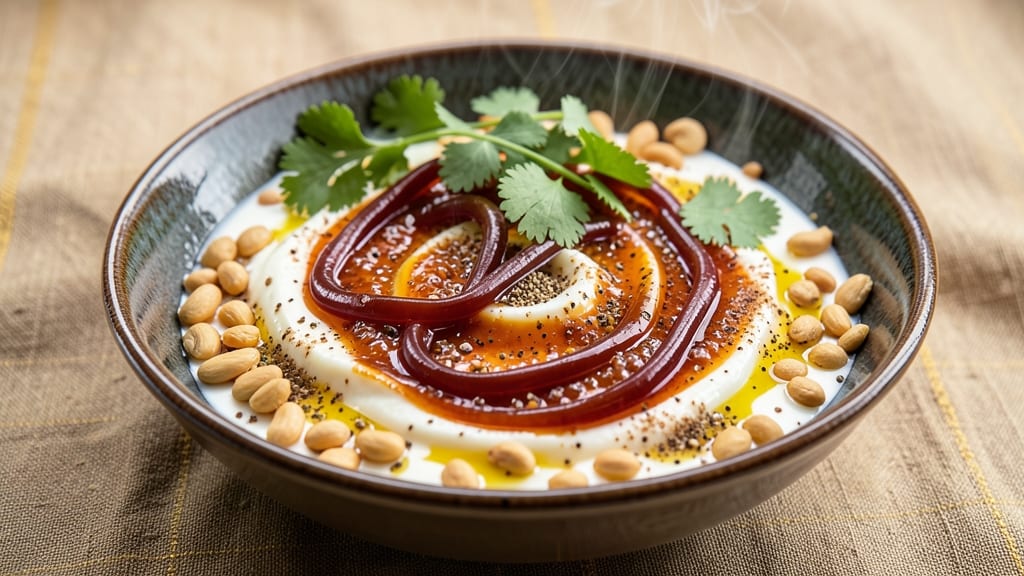
This traditional satay sauce recipe delivers the rich, nutty depth that makes Indonesian street food unforgettable—perfect for transforming grilled meats into restaurant-quality dishes. The secret lies in toasted peanuts and precise spice balancing, a method I’ve perfected after years of testing variations.
What sets this apart is the careful blend of aromatic ingredients that create layers of flavor without overpowering the natural taste of satay.
The process is straightforward but requires attention to detail, especially when roasting the peanuts for that signature toasty aroma. You’ll combine roasted peanuts with coconut milk, tamarind paste, and a precise mix of spices—cinnamon, coriander, and cumin—to create a sauce that’s both creamy and complex.
The result is a smooth, velvety sauce with just the right balance of sweet, tangy, and spicy notes.
What makes this sauce truly special is its versatility—it elevates grilled chicken, tofu, or vegetables into a flavorful masterpiece. The blend of ingredients ensures a rich, nutty profile that’s deeply satisfying, while the tamarind adds a bright tang that cuts through the richness.
Once you taste the difference between store-bought and homemade, you’ll never go back.
Store the sauce in an airtight container in the refrigerator for up to a week, or freeze for longer storage. For a vegan adaptation, simply replace the honey with maple syrup and ensure all ingredients are plant-based. Let’s get started on creating this essential Indonesian condiment!
Ingredients for traditional satay sauce
Eleven aromatic components blend into this velvety sauce, transforming simple grilled proteins into Indonesian masterpieces.
| Ingredient | Amount | Notes |
|---|---|---|
| Dry Roasted Peanuts 🥜 | 1 cup | Unsalted, lightly crushed |
| Coconut Milk 🥥 | 1 can | Full-fat, 13.5 oz can |
| Tamarind Paste 🍈 | ½ cup | Unadulterated, thick consistency |
| Raw Honey 🍯 | ¼ cup | Wildflower preferred for depth |
| Ground Cumin 🌿 | 1 tbsp | Freshly toasted for aroma |
| Ground Coriander 🌿 | 1 tbsp | Freshly ground preferred |
| Ground Cinnamon 🌿 | ½ tbsp | Ceylon variety for delicate flavor |
| Garlic Cloves 🧄 | 4 cloves | Peeled, lightly crushed |
| Shallots 🧅 | 2 whole | Peeled, finely minced |
| Red Chili Flakes 🌶️ | 1 tsp | Adjust for heat preference |
| Salt 🧂 | 1 tsp | Diamond Crystal kosher |
The peanuts are non-negotiable—unsalted, dry-roasted varieties from Trader Joe's or bulk bins deliver optimal texture and flavor. Toast them in a dry pan until fragrant, then crush lightly to release oils. For coconut milk, full-fat Thai brands like Aroy-D provide the richest creaminess, though any canned full-fat works. Tamarind paste should be unadulterated and thick—avoid block versions requiring reconstitution. The Ceylon cinnamon adds subtle warmth without overpowering, distinguishing this from commercial versions.
No tamarind paste? Lime juice plus 1 tbsp brown sugar approximates the tang, though texture will differ. Substitute honey with agave nectar for vegan adaptations, but expect slightly less depth. For heat-sensitive palates, reduce chili flakes to 0.5 tsp or omit entirely. Shallots can be swapped for yellow onion at double the amount, though flavor will shift. The spices must be freshly ground—pre-ground blends lose potency within months. Toasting the cumin and coriander in the dry pan before blending amplifies their aromatic compounds, a professional technique worth the extra minute.
This sauce thickens upon chilling, so whisk in 1-2 tbsp water if needed before serving. Store in an airtight container in the refrigerator for up to 7 days, or freeze for 3 months. The peanut oils separate when cold—simply stir before use. For restaurant-quality results, strain through a fine-mesh sieve to achieve silky smoothness. Portion into ice cube trays for single-use servings, perfect for quick satay sessions.
Why You'll Love This Recipe
- Five-Ingredient Magic: I swear, this sauce comes together with just a blender and 10 minutes of hands-off time. Toast the peanuts while you measure the coconut milk—no chopping, no fuss, just pure simplicity.
- Sweet-Savory Balance: That tamarind paste cuts through the richness of the coconut milk like a knife, while the honey and cumin add warmth. Honestly, the first time I tasted it, I thought, "This is why I cook."
- Dips, Glazes, or Sauce: Use it as a dip for veggies, a glaze for grilled chicken, or the star of your satay skewers. Between us, I’ve even drizzled it over popcorn—don’t judge me.
- Pantry Staple Power: All the ingredients probably already live in your cupboards (or are cheap to grab). And the leftovers? They keep for weeks in the fridge, so you’re always ready for a quick flavor boost.
Step-by-step instructions for traditional satay sauce
This method delivers authentic satay flavor with balanced sweetness, tang, and nutty depth.
Toast the Spices and Prepare Aromatics
In a medium saucepan over medium heat, combine the 1 tablespoon ground cumin, 1 tablespoon ground coriander, and 0.5 tablespoon ground cinnamon. Toast for 1-2 minutes until fragrant and lightly bloomed—you'll notice the aroma intensify as the spices warm. This step develops their essential oils, which form the sauce's aromatic foundation.
While the spices toast, peel and finely mince the 2 whole shallots and peel and crush the 4 cloves garlic. Add these to the pan immediately after removing from heat to preserve their freshness. The residual heat will soften them without cooking completely, creating a delicate flavor base rather than a harsh bite.
Build the Sauce Base with Tamarind and Honey
Pour in the 1 can coconut milk, scraping the bottom to incorporate all the toasted spices. Stir in the 0.5 cup tamarind paste and 0.25 cup raw honey, mixing until completely dissolved. The tamarind will create a tangy contrast to the sweet honey, while the coconut milk provides richness. Bring the mixture to a gentle simmer over medium-low heat, then reduce heat to maintain a steady bubble.
Let the sauce simmer uncovered for 10-12 minutes until it thickens slightly but remains pourable. You're looking for a consistency where it coats the back of a spoon smoothly—this ensures proper balance when combined with the peanuts later. Stir occasionally to prevent sticking, and taste occasionally to monitor the sweet-tang balance.
Incorporate Heat and Seasoning
Add the 1 teaspoon red chili flakes and 1 teaspoon salt, stirring to distribute evenly. The chili flakes should infuse heat without overpowering the sauce's complexity. Simmer for an additional 3-4 minutes to allow all flavors to meld together. This is where the sauce develops its signature depth—each ingredient should be distinguishable yet harmonious.
Remove the pan from heat and let the sauce rest for 5 minutes. This resting period allows the flavors to fully integrate. Taste and adjust seasoning if needed—you may need a touch more salt or honey depending on your tamarind's acidity level. The sauce should have a vibrant balance of sweet, tangy, and slightly spicy notes.
Finish with Peanuts for Texture and Nuttiness
Transfer the sauce to a blender or food processor. Add the 1 cup dry roasted peanuts and blend until smooth but still slightly textured—you want visible peanut flecks to add visual appeal and contrasting texture. The peanuts should be fully incorporated but not reduced to a paste. If the sauce is too thick, add 1-2 tablespoons water to reach a smooth, spoonable consistency.
Return the blended sauce to the pan and warm through over low heat for 2-3 minutes. This final warming step ensures all components are properly integrated. The finished sauce should be glossy with a velvety texture, ready to drizzle over grilled meats or serve as a dipping sauce. For best results, use within 3 days or refrigerate for up to 1 week.
Pro Tips For Making Traditional Satay Sauce
- Toast Your Peanuts: Skip the store-bought roasted peanuts—toss raw peanuts in a dry pan over medium heat for 8-10 minutes until they’re golden and smell nutty. This adds depth the pre-roasted ones miss, and you’ll taste the difference when they blend into the sauce.
- Simmer Slow and Low: After combining all ingredients, reduce heat to the lowest setting and let the sauce bubble gently for 15-20 minutes. Rushing this step leaves the tamarind’s tang unbalanced and the coconut milk too thin—patience makes the sauce thicken naturally.
- Strain for Smoothness: After simmering, pour the sauce through a fine-mesh sieve into a bowl. The peanuts and cumin will leave a gritty texture if you skip this, and no one wants to bite into a chunk while dipping skewers.
- Balance the Tamarind: Start with half the tamarind paste called for, taste, then adjust. Tamarind’s sourness varies wildly by brand—adding all of it upfront can make the sauce too sharp, even with honey. A little at a time keeps it harmonious.
Creative variations of this recipe
Spicy Satay Twist
For an extra kick, add 1 tbsp sambal oelek (Indonesian chili paste) along with the red chili flakes. This intensifies the heat while adding smoky depth from fermented chili. I like to balance it with an additional ½ tsp honey to soften the burn.
For a smoky variation, toast 1 tsp smoked paprika with the cumin and coriander—this adds a campfire-like quality that pairs beautifully with grilled meats. 🌶️
Sweet and Tangy Variations
Swap the honey for ½ cup coconut sugar to deepen the caramelized notes when simmering. The sugar dissolves more slowly, creating a thicker, more complex sauce. For extra tang, add 1 tbsp lime zest along with the tamarind paste—this brightens the sauce and cuts through the richness.
I’ve also experimented with ½ cup mango puree instead of honey for a fruity twist that works surprisingly well with spicy dishes.
Vegan Adaptations
Replace the honey with ¼ cup maple syrup and use 1 tbsp apple cider vinegar to mimic tamarind’s tang. For a protein-rich vegan option, add ½ cup cooked lentils to the peanut blend before processing—this thickens the sauce while adding heartiness.
I’ve also seen success with cashew butter (2 tbsp) instead of peanuts for a creamier texture, though the nutty depth will differ slightly.
Regional Twists
For a Malaysian-inspired version, add ½ tsp ground turmeric and ¼ tsp ground white pepper to the spice blend. This creates a golden hue and earthy warmth.
In Thai-style satay sauce, reduce the cinnamon to ¼ tsp and add 1 tsp fish sauce (or soy sauce for vegan) for umami depth. Both variations maintain the peanut base but shift the flavor profile to reflect regional tastes.
No-Peanut Options
If you’re avoiding peanuts, substitute with ½ cup tahini or ¼ cup almond butter for a similar creamy texture. The tahini version benefits from an extra ½ tsp garlic powder to compensate for the missing peanut oils.
For a seed-based option, blend ¼ cup sunflower seeds until finely ground before adding to the sauce—this adds a subtle earthiness that works surprisingly well. 🥜
Nutrition facts
Frequently asked questions
Can I make this satay sauce without tamarind paste?
Yes! For a quick substitute, mix 2 tbsp lime juice with 1 tbsp brown sugar to mimic tamarind's tangy-sweet balance. The texture will be slightly thinner, but the flavor will still shine. For a closer match, use 1 tbsp tamarind concentrate (found in Asian markets) diluted with 1 tbsp water.
How do I adjust the spice level in this sauce?
Start with 0.5 tsp red chili flakes for mild heat, or reduce to ¼ tsp for a nearly spice-free version. For extra kick, add 1 tsp sambal oelek (Indonesian chili paste) or ½ tsp cayenne pepper. Always taste before blending—you can't remove heat once it's mixed in!
Why does my satay sauce separate when refrigerated?
Peanut oils naturally separate when cold—this is normal! Simply stir vigorously before using. For a smoother texture, blend again briefly or add 1-2 tbsp warm water while blending. To prevent separation, store the sauce in a glass jar (not plastic) and avoid freezing, which can break down the peanut oils further.
What’s the best way to use leftover satay sauce?
Drizzle over grilled chicken, beef skewers, or tofu for instant flavor. Use as a marinade (mix with 2 tbsp soy sauce and 1 tbsp lime juice), or thin with water to make a dipping sauce for spring rolls. It also works as a glaze for roasted vegetables or even a sandwich spread! Store leftovers in an airtight container for up to 7 days.
Can I make this sauce in a slow cooker?
Combine all ingredients (except peanuts) in the slow cooker on low heat for 3-4 hours, stirring occasionally. After simmering, blend with peanuts as directed. The slow cooker method yields a slightly thicker sauce—add 1-2 tbsp water if needed. This approach is ideal for hands-off cooking!