
Snacks
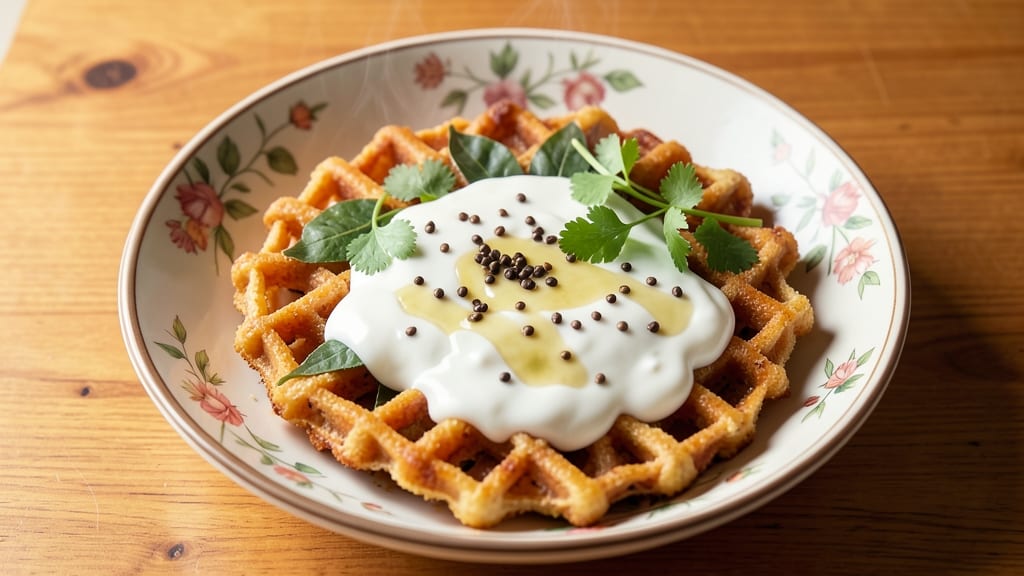
This veg pudla recipe captures the heart of South Indian snack traditions with its golden, spiced cornmeal dumplings and bright vinegar tang. The traditional dish, originally made with rice flour, gets a modern twist here using cornmeal for a delightfully textured result that holds up beautifully during frying.
I first encountered pudla at a bustling Karnataka street stall, where the sizzle of hot oil and the aroma of mustard seeds drew crowds—now you can recreate that experience at home.
The magic lies in the preparation: a simple batter of cornmeal, rice flour, and spices like mustard seeds and curry leaves, bound together with a tangy vinegar and yogurt mixture. This combination creates dumplings that are light yet sturdy, absorbing flavors beautifully while maintaining their signature crispy exterior.
The dish is not only vegetarian but can easily be adapted to vegan by omitting ghee and using coconut oil instead—making it versatile for any dietary preference.
What makes this recipe special is how it transforms humble ingredients into something extraordinary. The dumplings puff slightly as they fry, developing a golden crust that contrasts perfectly with the cool, tangy vinegar dip.
Each bite delivers a symphony of textures—crispy, chewy, and tender—paired with the bright, spicy kick of the vinegar mixture. This is the kind of snack that disappears quickly, making it ideal for parties, picnics, or as a satisfying afternoon treat.
The beauty of pudla is its adaptability. While the classic version hails from Karnataka, variations across Tamil Nadu and Andhra Pradesh often include additional spices like black pepper or asafoetida for depth. You can also experiment with toppings like fresh coriander or grated coconut to add extra layers of flavor.
Ready to bring this flavor-packed snack to life? Let’s get started with the ingredients and instructions.
Ingredients for veg pudla
Humble ingredients transform into crispy, aromatic pudla dumplings with a tangy vinegar bite.
| Ingredient | Amount | Notes |
|---|---|---|
| Fine Cornmeal 🌽 | 1 ½ cups | Stone-ground preferred for texture |
| Rice Flour 🍚 | ½ cup | Fine grind for smooth batter |
| Plain Yogurt 🥛 | ½ cup | Full-fat for creaminess |
| White Vinegar 🍶 | ¼ cup | Distilled or apple cider |
| Mustard Seeds 🌶️ | 1 tbsp | Lightly toasted for aroma |
| Curry Leaves 🌿 | ¼ cup | Fresh, finely chopped |
| Asafoetida Powder 🌶️ | ¼ tsp | Optional for depth |
| Turmeric Powder 🧂 | ¼ tsp | Bright yellow color |
| Salt 🧂 | ½ tsp | Diamond Crystal preferred |
| Vegetable Oil 🫒 | 2 cups | High smoke point for frying |
| Ghee 🧈 | 2 tbsp | Clarified butter for richness |
| Red Chili Powder 🌶️ | ½ tsp | Adjust for heat preference |
| Fresh Coriander Leaves 🌿 | ¼ cup | Chopped for garnish |
| Lemon Juice 🍋 | 1 tbsp | Freshly squeezed for dip |
The foundation of pudla lies in the cornmeal and rice flour blend. Stone-ground cornmeal from brands like Bob’s Red Mill delivers superior texture, while fine rice flour ensures a smooth batter. For curry leaves, hit the Indian grocery aisle—they’re fresher than the wilted bunches at regular stores. Mustard seeds should be toasted until they sizzle; this releases their nutty aroma. Asafoetida, if using, can be found in bulk bins at Whole Foods or specialty spice shops. The yogurt should be thick and tangy—Greek-style works best, but full-fat plain yogurt is ideal for that classic South Indian creaminess. Vinegar matters too: apple cider adds subtle sweetness, while white vinegar delivers sharper tang. For ghee, Pure Indian Foods brand is a reliable choice, though any high-quality clarified butter will work.
No curry leaves? Fresh cilantro at half the amount mimics the bright, herbal note. Substitute rice flour with all-purpose flour in a pinch, though texture may differ slightly. Mustard seeds too strong? Skip them entirely and boost cumin instead. For a vegan version, replace ghee with coconut oil—it fries beautifully and maintains the dish’s integrity. The red chili powder can be swapped for Kashmiri chili powder for a milder, sweeter heat. If you’re making pudla for a crowd, double the batter and fry in batches—don’t overcrowd the oil or the dumplings will steam instead of crisp. The lemon juice in the dip should be freshly squeezed; bottled juice lacks the bright acidity needed to cut through the richness.
Store the batter in an airtight container in the fridge for up to 2 days, though it’s best used fresh. Leftover dumplings reheat beautifully in a dry skillet over medium heat for 2-3 minutes—they’ll regain some crispness. The vinegar dip keeps for 3 days in the fridge, but the flavor peaks the day it’s made. For parties, prepare the batter ahead and fry just before serving. Pudla freezes surprisingly well: fry the dumplings, cool completely, then store in a single layer before transferring to a freezer bag. They’ll keep for 1 month and reheat like a dream. Garnish with fresh coriander just before serving—it adds a pop of color and freshness that elevates the dish.
Why You'll Love This Recipe
- Pantry Staples Only: I swear by this recipe because it uses what I already have—no special trips to the store. Fine cornmeal and rice flour blend into that perfect, slightly chewy texture, while yogurt and vinegar do all the heavy lifting for tangy depth. Honestly, the only thing I buy extra is mustard seeds, and even then, I use them for everything.
- Tangy Crispy Magic: That first bite? The vinegar and yogurt create this addictive contrast—crispy edges with a soft, almost custard-like center. The mustard seeds pop like tiny fireworks, and the cornmeal gives it that satisfying bite that keeps me reaching for seconds. (Yes, even on a Tuesday night.)
- Lunchbox Hero: Between us, this is my go-to for packed lunches. It reheats beautifully, stays fresh for days, and my kids actually eat it cold too—no weird textures or soggy messes. I just portion it into containers, and boom: no more sad, wilted salads at work.
- Budget Breakthrough: I make this for $2 a serving, easy. Cornmeal and rice flour are cheap, yogurt stretches miles, and vinegar lasts forever. Leftovers? They’re even better the next day, and I’ve turned them into fritters or even a quick stir-fry when I’m lazy. My wallet and taste buds thank me.
Step-by-step instructions for veg pudla recipe
This method delivers perfectly textured, aromatic pudla dumplings with a satisfying bite.
Prepare the Spiced Batter
In a medium bowl, combine the 1.5 cups fine cornmeal and 0.5 cup rice flour. This base creates the signature pudla texture - the cornmeal provides structure while rice flour ensures smoothness. Sift the mixture to eliminate any lumps that could disrupt the batter's consistency.
In a separate small bowl, whisk together the 0.5 cup plain yogurt, 0.25 cup white vinegar, 2 tbsp ghee, 0.25 tsp asafoetida powder, 0.25 tsp turmeric powder, 0.5 tsp salt, and 0.5 tsp red chili powder. The vinegar and yogurt create a tangy contrast that balances the rich spices. Let this mixture sit for 5 minutes to allow the spices to bloom and the asafoetida to fully dissolve - you'll notice the aroma intensify as it develops.
Gradually pour the wet mixture into the dry ingredients while stirring continuously with a whisk. The batter should achieve a thick, pourable consistency similar to pancake batter. If it appears too thick, add 1-2 tablespoons of water. The ideal texture should coat the back of a spoon without being gluey - this ensures proper frying without excessive oil absorption.
Toast the Mustard Seeds and Curry Leaves
Heat 2 tablespoons of vegetable oil in a small skillet over medium heat. Add the 1 tbsp mustard seeds and allow them to sizzle for 30 seconds until they begin popping. Immediately add the 0.25 cup chopped curry leaves and stir continuously for 1 minute until the leaves darken slightly and release their aromatic oils.
This quick toasting step is crucial - it develops the characteristic nutty aroma of mustard seeds while preserving the delicate flavor of curry leaves. Remove from heat and let cool for 2 minutes before folding into the batter. The seeds should be golden and fragrant, with no green seeds remaining unpopped - this indicates proper toasting.
Gently fold the toasted mustard-curry leaf mixture into the prepared batter using a spatula. Work quickly but thoroughly to distribute the seeds evenly. The seeds should remain distinct rather than blending completely, as their texture contributes to the pudla's character. Cover the batter and let rest for 15 minutes at room temperature - this allows the flavors to meld and the batter to reach optimal frying consistency.
Deep-Fry the Pudla Dumplings
Heat 2 cups vegetable oil in a deep, heavy-bottomed pot to 350°F (175°C). Use a candy or deep-fry thermometer to monitor the temperature - maintaining precise heat is essential for even cooking without burning. The oil should shimmer gently when ready, with small bubbles forming around the thermometer.
Using a tablespoon or small ice cream scoop, carefully drop spoonfuls of batter into the hot oil. Work in batches to avoid overcrowding, maintaining at least 2 inches between each pudla. The batter will immediately begin to set and form round, golden dumplings. Fry for 3-4 minutes per batch until the pudla develop a deep golden brown color with crisp edges.
Use a slotted spoon to transfer the cooked pudla to a paper towel-lined plate. Allow them to drain for 2 minutes before serving. The interior should remain slightly soft and moist, while the exterior develops a satisfying crunch. If any pudla float to the surface, they're properly cooked - the air pockets indicate even frying.
Assemble and Serve
Arrange the warm pudla on a serving platter and immediately sprinkle with the 0.25 cup chopped fresh coriander leaves. The vibrant green provides a visual contrast to the golden dumplings while adding a fresh herbal note. Drizzle with the 1 tbsp lemon juice just before serving - this final touch brightens the flavors and cuts through the richness.
Serve immediately while the pudla maintain their crisp exterior and warm interior. The combination of textures - crisp exterior, soft interior, and crunchy seeds - with the tangy vinegar and lemon notes creates a balanced, satisfying bite. For best results, serve with a side of coconut chutney or tamarind sauce to complement the pudla's inherent flavors.
Pro Tips For Making Veg Pudla
- Bloom the Mustard: Toast the mustard seeds in a dry pan for 30 seconds until they pop and smell nutty—this stops them from tasting raw and bitter. I used to skip this, and the flavor always fell flat; now it’s the first step I never rush.
- Mix Vinegar Last: Add white vinegar to the batter after all other ingredients are combined, or it’ll curdle the yogurt on contact. Stir it in just before pouring—this keeps the texture smooth and the tang sharp.
- Cook on Medium-Low: Too much heat = a burnt crust before the center sets. Keep the flame steady and let the pudla steam gently for the first 10 minutes, then crank it if needed. I learned this after one disastrous attempt where the outside was charcoal and the inside was doughy.
- Use Warm Yogurt: Let the yogurt sit at room temperature for 10 minutes before mixing—it blends better and prevents lumps in the batter. Cold yogurt makes the pudla dense; warm yogurt keeps it light and fluffy. (Yes, even if you’re impatient like me.)
Regional styles of these flavors
Karnataka's Classic Style
The most traditional version of veg pudla comes from Karnataka, where it’s known as "pudla" or "pudla dosa"—a beloved street food. Here, the batter relies on rice flour and semolina (sooji) instead of cornmeal, creating a lighter, crispier texture.
The key difference is the addition of grated coconut (about ¼ cup) to the batter, giving it a subtle sweetness that balances the tangy vinegar.
I’ve seen vendors in Mysore use ginger-garlic paste (about 1 tsp) in the batter for a sharper kick, which works beautifully if you love bold flavors. 🌿
Tamil Nadu's Spicy Twist
In Tamil Nadu, pudla often incorporates black pepper and asafoetida (hing) more prominently—sometimes even dried fenugreek leaves (about 1 tbsp) for a bitter, earthy depth. The batter here might include chana dal (split chickpeas) (about 2 tbsp, soaked and ground) for extra protein and a nutty flavor.
For a Tamil-style pudla, I recommend adding ½ tsp black pepper powder to the batter and serving with a tamarind-chili dip instead of vinegar. The heat level is higher, so adjust red chili powder to taste.
Andhra's Crispy Delight
Andhra Pradesh takes pudla to another level by using raw rice (unpolished) flour (about ½ cup) blended with cornmeal for a heartier texture.
The batter often includes roasted chana dal (about 2 tbsp) for crunch, and the dumplings are fried twice—first at 325°F (160°C) for 2 minutes to set, then at 375°F (190°C) for 1-2 minutes until deep golden. This "double-fry" technique creates an extra-crispy exterior while keeping the inside soft.
Serve with a mango pickle for a sweet-spicy contrast that’s pure Andhra style. 🌶️
Kerala's Coconut Variation
Kerala’s version, often called "pudla appam," skips cornmeal entirely and uses grated coconut (about 1 cup) mixed with rice flour for a denser, almost cake-like texture. The batter includes sugar (about 1 tbsp) and cardamom powder (about ¼ tsp) for a dessert-like sweetness.
Fry at 300°F (150°C) for 4-5 minutes until puffed and golden. This version is less crispy but incredibly fragrant—perfect with sweetened coconut milk for dipping. It’s a must-try if you love South Indian sweets with a savory twist.
Modern Fusion Adaptations
For a contemporary take, try adding roasted cumin powder (about ½ tsp) to the batter for a smoky depth or finely chopped mint leaves (about 2 tbsp) for a refreshing twist.
Some chefs in Bangalore experiment with avocado slices on top for a creamy contrast or spicy mango chutney as a dip. If you’re feeling adventurous, swap ½ cup of the cornmeal for mashed ripe banana (about ½ cup) for a naturally sweet, slightly chewy pudla.
These fusions keep the tradition alive while adding exciting new dimensions. ✨
Nutrition facts
Frequently asked questions about veg pudla
What’s the secret to getting crispy veg pudla?
Maintain the oil temperature at 350°F (175°C) and avoid overcrowding the pan. The batter should be thick but pourable—like pancake batter—and must rest for 15 minutes before frying. A deep-fry thermometer is your best friend here for consistent results.
Can I make veg pudla without cornmeal?
The classic version uses rice flour and semolina (Karnataka style) or raw rice flour (Andhra style). For a gluten-free option, swap cornmeal with chickpea flour (besan) or buckwheat flour. The texture will differ slightly but still deliver that satisfying bite.
How do I store leftover veg pudla?
Keep cooked pudla in an airtight container at room temperature for up to 2 days. For longer storage, freeze them in a single layer before transferring to a freezer bag (up to 1 month). Reheat in a dry skillet over medium heat for 2-3 minutes to restore crispiness.
What’s the best dip for veg pudla?
The traditional vinegar dip works perfectly, but you can also try tamarind-chili sauce (Tamil style) or coconut chutney (Kerala style). For extra zing, mix 1 tbsp lemon juice + ½ tsp red chili powder + 1 tsp sugar with a splash of water. The acidity balances the richness beautifully.
Why did my pudla turn out dense instead of crispy?
This usually happens if the oil wasn’t hot enough or the batter was too thin. Double-check your oil temperature (350°F) and ensure the batter coats the back of a spoon without dripping. Also, avoid opening the lid while frying—steam makes them soggy. Try frying in smaller batches next time.