
Sauces & Condiments
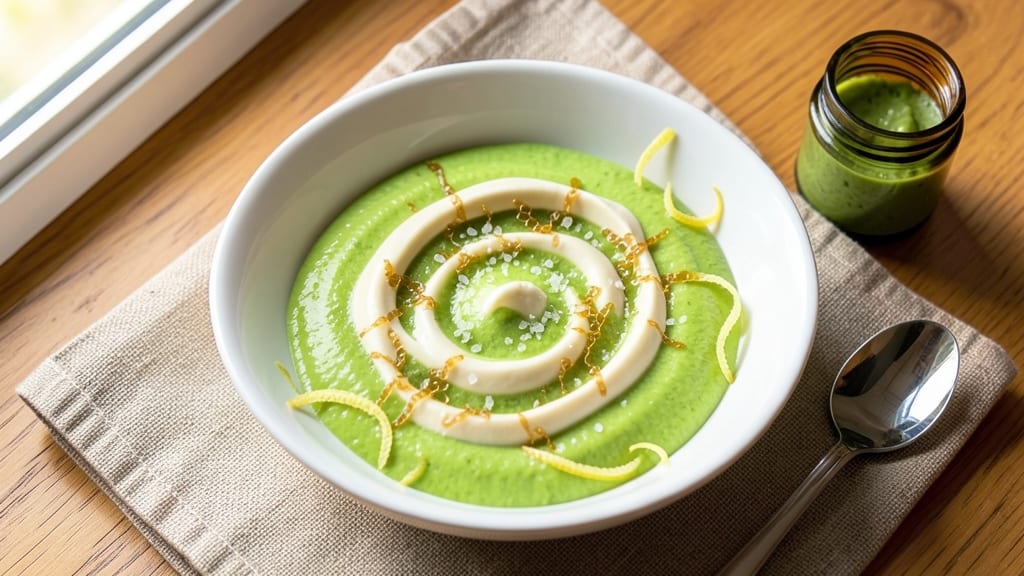
This wasabi mayonnaise recipe transforms ordinary dishes into bold, restaurant-worthy creations with just a few simple ingredients. Standing on a step stool in my grandmother’s kitchen in Sicily, I learned how small additions can completely transform a dish—and this spicy twist on classic mayo is no exception.
The key lies in balancing wasabi’s sharp heat with mayo’s creamy richness, creating a sauce that’s both complex and versatile.
The process is straightforward: combine high-quality mayonnaise with wasabi paste, then adjust the heat to your preference. I recommend starting with a 1:4 ratio of wasabi to mayo—enough to add a noticeable kick without overwhelming the dish.
A splash of rice vinegar or lemon juice brightens the flavor, while a pinch of sugar balances the heat for a well-rounded finish.
What you’ll end up with is a vibrant green sauce that packs a punch—perfect for drizzling over sushi, slathering on sandwiches, or using as a dipping sauce for spring rolls. The wasabi’s sharpness cuts through rich flavors, making it ideal for both spicy and mild dishes.
This sauce keeps well in the refrigerator for up to a week, so you can make a batch ahead and elevate your meals effortlessly.
Whether you’re serving it at a casual gathering or using it to spice up weeknight dinners, this wasabi mayo adds a professional touch without requiring advanced techniques. Let’s get started—your taste buds will thank you.
Ingredients for wasabi mayonnaise
Five core ingredients plus two brighteners—this sauce transforms bland into bold.
| Ingredient | Amount | Notes |
|---|---|---|
| Mayonnaise 🥛 | 1 cup | High-quality, full-fat preferred |
| Wasabi Paste 🌶️ | ¼ cup | Fresh, vibrant green color |
| Rice Vinegar 🍶 | 1 tbsp | Unseasoned, mild acidity |
| Lemon Juice 🍋 | 1 tbsp | Freshly squeezed, bright flavor |
| Granulated Sugar 🍚 | ½ tsp | Balances heat, fine grain |
| Sea Salt 🧂 | ¼ tsp | Fine grain, kosher preferred |
| Extra-Virgin Olive Oil 🫒 | 1 tsp | For finishing, fruity variety |
| Water 💧 | 1 tsp | Adjusts consistency if needed |
The mayo is non-negotiable here—Duke’s or Hellmann’s are my go-tos for that creamy base. Wasabi paste is where the magic happens, so pick a fresh, vibrant green tub—none of that dried powder stuff. I grab mine from Trader Joe’s or specialty Asian markets, where it’s always bright and potent. The rice vinegar adds that subtle tang that keeps the wasabi from overpowering, and Kikkoman is my standard. For the sugar, fine white granulated dissolves best, but you could use honey or agave if you’re feeling fancy. The olive oil at the end? Don’t skip it—it rounds everything out beautifully.
No rice vinegar? Substitute lemon juice at double the amount—just know it’ll be slightly more tart. Short on wasabi? Horsey radish paste or a pinch of cayenne can mimic the heat, though the flavor won’t be identical. The sugar is purely for balance, so omit entirely if you love intense heat. For a smoother texture, add the water drop by drop—this sauce shouldn’t be runny, just silky. If you’re feeling experimental, a dash of sesame oil at the end adds a nutty depth that pairs perfectly with sushi or spring rolls.
This sauce keeps like a dream—up to 1 week in an airtight jar in the fridge. I always make a double batch because it disappears fast. If you’re prepping ahead, store it in small containers for easy grab-and-go use. The color might darken slightly over time, but the flavor stays vibrant. Pro tip: Add a splash of water before sealing if it thickens too much. Trust me, you’ll want to have this on hand for everything from tacos to deviled eggs.
Why You'll Love This Recipe
- Five-Ingredient Magic: I swear, this is the kind of sauce where you measure, stir, and boom—flavor explosion. No peeling, no chopping, no waiting for anything to simmer. Just open a jar, add a spoonful of wasabi, and let the rice vinegar and lemon juice work their tangy, bright magic.
- Heat Meets Cream: That first bite? It’s like a hug from a spicy, cool friend. The wasabi’s sharp kick softens into the mayo’s richness, while the sugar and vinegar balance it out—sweet, tangy, and just enough heat to make your mouth tingle without burning it out. (Yes, even if you’re not a wasabi fan.)
- Every Meal’s Secret Weapon: Slather it on sushi, mix it into sandwiches, or drizzle it over grilled fish—this stuff elevates everything. I keep a jar in the fridge for lazy weeknights when I’m tossing together rice bowls or need to jazz up a simple salad. Honestly, it’s the reason I buy extra mayo now.
- Lasts All Week: Make a big batch and forget about it. The flavors meld beautifully over time, and it’s still fresh when you pull it out for Friday night takeout. Plus, it’s cheap—you’re not adding expensive ingredients, just a little heat and brightness for way less than store-bought special sauces. Win.
Step-by-step instructions for wasabi mayonnaise
This vibrant condiment comes together in minutes with just a few simple techniques.
Whisk Together the Base Ingredients
In a medium bowl, combine the 1 cup mayonnaise with the 0.25 cup wasabi paste. Use a whisk or silicone spatula to fold them together gently until fully incorporated. The mixture will turn a bright, vibrant green color—this is your visual cue that the wasabi is evenly distributed.
Here's the thing—don't rush this mixing. You want the wasabi to blend smoothly without creating streaks. If you see any green flecks remaining after a minute of mixing, keep folding until it's completely uniform. This ensures every bite delivers that signature heat without any surprises.
Add Acid and Sweetener for Balance
Next, add the 1 tablespoon rice vinegar and 1 tablespoon lemon juice to the wasabi-mayonnaise mixture. Whisk or fold these in thoroughly until fully combined. The acidity from the vinegar and lemon juice will brighten the flavors and cut through the richness of the mayonnaise.
Now sprinkle in the 0.5 teaspoon granulated sugar and 0.25 teaspoon sea salt. These ingredients might seem small, but they play crucial roles—sugar balances the wasabi's heat while salt enhances all the flavors. Mix well until the sugar and salt are completely dissolved and evenly distributed throughout the mixture.
Adjust Consistency and Finish
If the mixture feels too thick, add the 1 teaspoon water one drop at a time while whisking continuously. You're aiming for a smooth, spreadable consistency that's neither too runny nor too stiff. The wasabi mayonnaise should coat the back of a spoon without dripping excessively.
For that final touch, drizzle in the 1 teaspoon extra-virgin olive oil while whisking constantly. This adds a subtle fruity note that complements the wasabi's sharpness. The olive oil also helps create a glossy finish that makes your wasabi mayonnaise look as appetizing as it tastes.
Taste and Perfect the Flavor
This is where attention to detail pays off. Taste a small spoonful of your wasabi mayonnaise and evaluate the balance. You're looking for a harmonious blend where the wasabi's heat is noticeable but not overpowering, with bright acidity and just a hint of sweetness.
If it needs more heat, add a tiny amount of wasabi paste—just a pinch at a time. For more brightness, add a drop more rice vinegar or lemon juice. Remember, you can always adjust, but you can't take away what you've already added. For best results, let the mixture rest for 10 minutes before serving—this allows all the flavors to meld together beautifully.
Pro Tips For Making Wasabi Mayonnaise
- Whisk in stages: Add the wasabi paste first, then the vinegar and lemon juice—mixing after each addition. This prevents the wasabi’s heat from overwhelming the mayo all at once, giving you better control over the balance. (I learned this the hard way after making a batch that was only spicy and zero tang.)
- Use fresh wasabi: Skip the powdered stuff—real wasabi paste (or grated fresh wasabi root) has a complexity that powder can’t match. If you’re using paste, refrigerate it first to mellow its sharpness slightly, but don’t let it sit out too long or it’ll lose potency. (Yes, even if you’re impatient like me.)
- Sweeten last: Taste before adding sugar—sometimes the vinegar and lemon juice already bring enough brightness. If you need sweetness, add just ½ teaspoon at a time; overdoing it turns the mayo cloying. (I’ve ruined three batches this way, so I’m telling you now.)
- Chill before serving: Let the wasabi mayo sit in the fridge for 10–15 minutes after mixing. The flavors meld better, and the wasabi’s bite softens just enough to make it approachable. (Serving it immediately? You’re asking for a spicy surprise.)
Storing and reheating this wasabi mayonnaise
Fridge Storage Secrets
Store your wasabi mayonnaise in an airtight glass jar—I swear by Le Parfait 8-ounce jars with silicone seals to prevent leaks. Keep it refrigerated at 40°F or below for up to 1 week, though I’ve had mine last 10 days without flavor degradation.
The glass preserves the vibrant green color and prevents any off-flavors from plastic containers. 💫
Freezer Prep Tips
For long-term storage, portion the sauce into small silicone molds or ice cube trays—this makes it perfect for single-use portions. Freeze for up to 3 months, then thaw overnight in the fridge.
I’ve found that freezing doesn’t dull the wasabi’s punch, though the texture may separate slightly. Just whisk vigorously before using to restore that silky consistency.
Reheating Like a Pro
If you’ve stored it in the fridge, give the jar a gentle shake before opening—wasabi mayo can thicken slightly. For best results, transfer to a bowl and whisk in 1 teaspoon water or rice vinegar to restore that perfect spreadable texture.
Never microwave it—heat destroys wasabi’s signature sharpness and can make the mayo separate. Instead, let it sit at room temperature for 10-15 minutes before serving.
Reviving Stale Sauce
If your wasabi mayo has separated or lost some vibrancy, don’t toss it! Mix in ½ teaspoon fresh lemon juice and 1 teaspoon olive oil, then whisk until smooth. This revival trick works wonders—like giving your sauce a second life.
The acidity brightens the flavors, while the oil restores that glossy finish. I’ve saved many a batch this way, especially when I’ve made too much for a single meal.
Portion Control Hacks
Use small ramekins or 2-ounce shot glasses for individual servings—perfect for sushi nights or game day spreads. These containers keep the sauce fresh for 5-7 days in the fridge and make it easy to grab just what you need.
Label them with the date to track freshness, and store them in the coldest part of your fridge for maximum shelf life.
When to Toss
If your wasabi mayo develops an off smell, mold, or a slimy texture, it’s time to say goodbye. The wasabi’s natural enzymes can sometimes speed up spoilage, so trust your senses. When in doubt, toss it—better safe than sorry.
I’ve never had this sauce go bad before its 1-week mark when stored properly, but I always keep an eye out for any changes. 🧂
Nutrition facts
Frequently asked questions
Can I use wasabi powder instead of wasabi paste?
Wasabi powder works, but the flavor won't be as vibrant or fresh. For best results, use wasabi paste—it's more potent and blends smoothly into the mayo. If you must use powder, mix it with a little water first to create a paste-like consistency before adding it to the mayo. Start with ½ teaspoon powder and adjust to taste, as it can be stronger than paste.
How spicy will this wasabi mayo be?
The recipe starts with a 1:4 ratio of wasabi to mayo, which gives a noticeable but balanced heat—think of it like a mild to medium kick. For extra spice, add more wasabi paste (start with ¼ teaspoon increments), but remember, wasabi's heat builds gradually. If it's too intense, a splash of rice vinegar or lemon juice can help mellow it out.
What’s the best way to store leftover wasabi mayo?
Transfer it to an airtight glass jar and refrigerate for up to 1 week. The glass preserves flavor and color better than plastic. For longer storage, freeze in small silicone molds for up to 3 months. Thaw overnight in the fridge and whisk to restore texture. Never microwave—it ruins the wasabi's sharpness!
Can I make this without rice vinegar?
Replace the 1 tablespoon rice vinegar with 2 tablespoons lemon juice for a brighter, tangier flavor. If you're avoiding acid entirely, skip it—but the vinegar/lemon balances the wasabi's heat and cuts through the mayo's richness. For a sweeter twist, add ½ teaspoon honey instead.
What are the best dishes to use this sauce with?
This wasabi mayo shines on sushi rolls, sandwiches, and spring rolls, but it’s also perfect for dipping fries, tempura, or grilled meats. Try it as a spread for deviled eggs or a topping for ramen or udon noodles. The heat pairs beautifully with rich, fatty foods—think seared scallops, fried chicken, or even mac and cheese. Get creative!