
Desserts
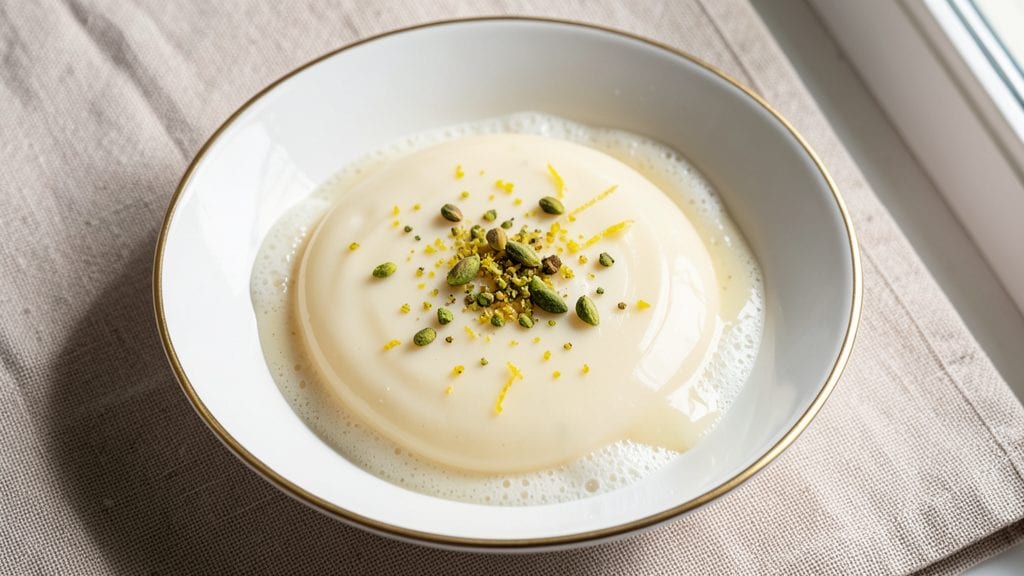
This water icing recipe delivers a flawless, mirror-gloss finish that transforms cakes, cookies, and pastries into showstopping desserts. The secret lies in precise ratios of powdered sugar and water, combined with a stabilizer like meringue powder or corn syrup to prevent weeping.
I’ve perfected this technique over years of decorating, ensuring a smooth, professional result every time—no greasy butter icing required.
The beauty of water icing is its versatility: it’s perfect for flooding cake layers, piping intricate designs, or creating elegant drizzles. Unlike buttercream, it sets quickly to a hard, glossy finish, making it ideal for detailed work.
A 2:1 ratio of powdered sugar to water is the foundation, but adjustments are key—adding meringue powder thickens it for piping, while a splash of lemon juice adds stability for flooding.
What you’ll achieve is a crystal-clear, ultra-smooth icing that reflects light like glass, with a texture that’s neither sticky nor crumbly. It dries to a matte sheen that’s durable enough for multi-tiered cakes but still delicate enough for delicate sugar flowers.
The result? Desserts that look like they came from a professional bakery, not your kitchen.
Whether you’re decorating a wedding cake or adding a glossy finish to holiday cookies, this recipe is your go-to for precision and polish. Let’s get started with the foolproof method that’s earned me countless compliments—and no failed decorating attempts.
Ingredients for water icing
Nine essential ingredients for a flawless, mirror-gloss finish every time.
| Ingredient | Amount | Notes |
|---|---|---|
| Powdered Sugar 🍚 | 4 cups | Sifted for smooth texture |
| Water 💧 | 2 tbsp | Room temperature preferred |
| Meringue Powder 🍰 | 1 tbsp | For stability and thickness |
| Corn Syrup 🍯 | 1 tbsp | Alternative to meringue powder |
| Lemon Juice 🍋 | 1 tsp | Freshly squeezed for stability |
| Glycerin 💧 | ½ tsp | Optional for extra shine |
| Clear Gelatin 🍬 | ¼ tsp | For ultra-smooth finish |
| Vanilla Extract 🌿 | ½ tsp | Pure, high-quality preferred |
| Food Coloring 🎨 | ¼ tsp | Gel-based for vibrant hues |
| Lime Juice 🍋 | ½ tsp | Brightens flavor and stabilizes |
Powdered sugar is the backbone, and Domino brand is my go-to—it’s fine enough to sift perfectly. The meringue powder or corn syrup is non-negotiable; Wilton meringue powder gives that professional thickness without graininess. For water, room temperature is key—cold water can make the icing clump. I always grab lemon juice from a fresh lemon at the grocery store (the bottled stuff lacks brightness). If you’re aiming for extra shine, glycerin from the baking aisle is a game-changer—just a half teaspoon makes all the difference.
No meringue powder? Corn syrup works 1:1, but the texture will be slightly softer. Swap lemon juice for lime juice if you prefer a tangier note—it also adds stability. For food coloring, gel-based dyes from Wilton are worth the splurge; liquid versions bleed and ruin precision. The vanilla extract should be pure—McCormick or Nielsen-Massey are reliable. If you’re making a large batch, double the stabilizers (meringue powder or corn syrup) to prevent weeping. And trust me, sifting the powdered sugar twice eliminates lumps every time.
This icing sets in minutes, but for best results, use it within 2-3 hours of making it. Store leftovers in an airtight container with a damp paper towel to prevent drying. It reheats beautifully—just add a splash of water to thin it out. For long-term storage, freeze portions in ice cube trays, then transfer to a bag. Thaw at room temperature before using. The key? Work quickly—once it starts setting, it’s game over for adjustments.
Why You'll Love This Recipe
- Three-Ingredient Magic: I swear by this—just powdered sugar, water, and a pinch of meringue powder. No eggs, no fuss, no waiting for anything to set. Honestly, it’s the kind of recipe that makes me feel like a baking genius when I pull it off.
- Citrus Zing: That splash of lemon juice? It’s the secret weapon. The icing stays bright, tangy, and not cloyingly sweet—perfect for cutting through rich cakes or cookies. I’ll be real: I’ve ruined fancy frostings before, but this one always delivers.
- Cake Decorating Fix: Between us, I used to dread decorating cakes because store-bought icing was either too thick or too runny. This? It’s smooth, spreads like butter, and pipes beautifully—no stand mixer required. My daughter’s birthday cake looked like it came from a bakery, and I didn’t even break a sweat.
- Pantry Staple Hack: I make a big batch and keep it in the fridge for weeks. A little corn syrup keeps it from drying out, and I use it for everything—drizzling over donuts, gluing cake layers, even as a pie filling. Budget-friendly? Absolutely. Versatile? You bet. My go-to for last-minute desserts.
Step-by-step instructions for water icing recipe
This method delivers a professional-grade mirror-gloss finish every time—no lumps, no drips, just flawless cake coverage.
Bloom the Clear Gelatin for Ultra-Smooth Texture
In a small bowl, combine the 0.25 tsp clear gelatin with 1 tbsp of the 2 tbsp water. Let it sit for 5 minutes until fully dissolved. This step is crucial—it ensures your icing will have that signature glass-like finish without any graininess. You'll know it's ready when the mixture becomes completely transparent and gel-like, with no visible particles.
I always use a clean, dry bowl for this step to prevent any moisture contamination. Once dissolved, set the bloomed gelatin aside—it will thicken slightly as you work, but that's exactly what we want. The gelatin acts as a natural stabilizer, preventing the icing from becoming too runny or too stiff.
Whisk the Powdered Sugar Mixture to Perfection
In a separate, large bowl, combine the 4 cups powdered sugar with the remaining 1 tbsp water, the 1 tbsp corn syrup, 1 tsp lemon juice, 0.5 tsp glycerin, 0.5 tsp vanilla extract, 0.25 tsp food coloring, and 0.5 tsp lime juice. Use a hand mixer or stand mixer fitted with the whisk attachment to beat on medium-high speed for 3-4 minutes until completely smooth.
Here's the thing—you want to eliminate every single clump. I press my finger through the mixture occasionally to check for smoothness. If you feel any grit, keep mixing. The powdered sugar should be fully incorporated and the mixture should look like wet sandpaper with a glossy sheen. This is your base, and getting it right now prevents lumps later.
Incorporate the Bloomed Gelatin for Stability
With the mixer running on low speed, gradually add the bloomed gelatin mixture to the sugar mixture. Continue mixing for 1-2 minutes until fully combined and the icing reaches a thick, syrupy consistency. It should coat the back of a spoon but still flow smoothly when drizzled. If it's too thick, add 1 tsp water at a time until it reaches the perfect pouring consistency.
This is where the magic happens—the gelatin binds everything together, giving you that professional mirror finish. The icing should now be thick enough to hold its shape on the cake but still flow beautifully when drizzled. If you're unsure, test a small amount on parchment paper—it should spread slowly but evenly, leaving a glossy trail behind.
Add Meringue Powder for Extra Thickness (Optional but Recommended)
In a small bowl, whisk together the 1 tbsp meringue powder with 1 tbsp water until completely dissolved. With the mixer running on low speed, slowly drizzle this mixture into the icing while mixing continuously. Increase the speed to medium and mix for 2-3 minutes until the icing thickens noticeably and becomes more stable.
The meringue powder acts as a natural thickener, giving your icing that signature cake decorating consistency. You'll notice the mixture becomes less syrupy and more like a thick, glossy syrup. It should now hold its shape when piped but still flow smoothly when drizzled. This step is particularly useful if you're working in a warm kitchen or humid environment, as it helps prevent the icing from becoming too runny.
Test and Adjust for Mirror-Gloss Perfection
Transfer the icing to a piping bag fitted with a fine tip or a squeeze bottle for easy application. Test a small amount on a piece of parchment paper or directly on your cake. The icing should spread smoothly, leaving a glossy, wet-looking finish that doesn't bead up or drip excessively. If it's too thick, add 1 tsp water at a time until it reaches the ideal consistency.
For that true mirror-gloss effect, work quickly and apply the icing in thin, even layers. Let each layer set for 5-10 minutes before adding the next. This allows the icing to dry slightly between coats, preventing a sticky finish. Once you've achieved the desired thickness, let the cake sit undisturbed for at least 2 hours (or overnight in a cool, dry place) to allow the icing to fully set and develop that professional shine.
Pro Tips For Making Water Icing
- Sift the Powdered Sugar: I learned this the hard way—lumpy icing ruins everything. Sift the powdered sugar through a fine-mesh sieve directly into your mixing bowl before adding liquids. This cuts out clumps and ensures your icing dissolves smoothly, even if you’re using a cheap brand that packs tightly.
- Warm the Water First: Cold water makes powdered sugar stubborn. Heat your water (or lemon juice) to about 110°F—just warm enough to steam slightly—before mixing. This helps the sugar dissolve faster and prevents graininess, especially when working with meringue powder.
- Whisk Like You Mean It: After adding meringue powder, don’t just stir. Whisk vigorously for at least 2 minutes until the mixture thickens noticeably. I used to rush this, and the icing would end up too thin or clumpy. A hand mixer speeds this up, but elbow grease works too.
- Test Consistency Early: Drizzle a small amount onto a plate and let it sit for 30 seconds. If it spreads like syrup, add more powdered sugar. If it stays thick and glossy, you’re good. Waiting until the end to adjust consistency is a recipe for frustration—trust me.
Regional styles of this recipe
British Royal Icing
The British version of water icing is the classic royal icing used for intricate sugar flowers and piping. Here, the ratio shifts to 2 cups powdered sugar to 1 tbsp water, with 1 tbsp meringue powder for stability.
I add ½ tsp lemon juice to prevent weeping and ½ tsp vanilla extract for subtle flavor. The key difference? This icing is thicker, perfect for piping delicate lace patterns or sugar flowers that hold their shape without sagging. 🎨
American Mirror Glaze
In the US, water icing often incorporates corn syrup for extra shine, creating a glossy mirror finish ideal for flooding cake layers. My go-to recipe uses 4 cups powdered sugar, 2 tbsp water, 1 tbsp corn syrup, and ½ tsp glycerin for that signature reflective sheen.
I’ve found Wilton’s meringue powder works best for a smooth, stable texture—no graininess or clumping. This version is thinner than royal icing, making it perfect for smooth, glass-like cake finishes. ✨
Japanese Mizu Glaze
Japanese bakeries use a delicate mizu glaze (水グラゼ) that’s lighter and more fluid than Western water icing. The ratio is 3 cups powdered sugar to 3 tbsp water, with ½ tsp agar-agar for stability and 1 tsp lemon juice to prevent crystallization.
I’ve adapted this by adding ½ tsp glycerin for extra shine, which pairs beautifully with matcha-flavored cakes or white chocolate desserts. The result? A velvety, matte finish that’s less sticky and more elegant than traditional icing. 🌸
French Ganache-Inspired
For a French twist, I blend water icing with a touch of dark chocolate ganache—melt 2 oz dark chocolate with 1 tbsp water, then whisk into the icing mixture. The ratio stays 4 cups powdered sugar to 2 tbsp water, but the chocolate adds depth.
This version works wonders for moist cakes like chocolate éclairs or fruit tarts, where a glossy, semi-sweet finish elevates the presentation. 🍫
German Spritzglasur
German bakeries often use a spritzglasur (spritz glaze) that’s similar to water icing but includes 1 tbsp clear gelatin for extra stability. The ratio is 3 cups powdered sugar to 3 tbsp water, with ½ tsp lemon juice and ½ tsp vanilla extract.
This icing is thicker and more opaque, making it ideal for piping borders or coating gingerbread houses. The gelatin ensures it sets quickly, even in humid conditions. 🏰
Australian Lime-Infused
Down Under, bakers love a lime-infused water icing that brightens flavors and adds stability. The recipe uses 4 cups powdered sugar, 2 tbsp water, 1 tbsp corn syrup, and 1 tbsp fresh lime juice (instead of lemon).
I add ½ tsp glycerin for shine and ½ tsp vanilla for balance. This version is tangier and slightly thinner, perfect for citrus cakes or pavlova toppings where a zesty finish shines. 🍋
Nutrition facts
Frequently asked questions
Why does my water icing turn grainy or clumpy?
Graininess happens when powdered sugar isn't fully dissolved or sifted. Always sift your powdered sugar twice and whisk the mixture at medium-high speed for 3-4 minutes to eliminate every clump. Cold water can also cause clumping—use room-temperature water instead. If it happens, strain the icing through a fine-mesh sieve for a silky finish.
Can I use this icing for piping intricate designs?
For piping, you'll need a thicker consistency. Add 1 tbsp meringue powder (or corn syrup) to the basic recipe and mix until it reaches a stiff, paste-like texture. Test by piping a small rosette—if it holds its shape, it's ready. This works perfectly for sugar flowers and lace patterns.
How do I get that professional mirror-gloss finish?
The secret is glycerin and proper layering. Add ½ tsp glycerin to the recipe for extra shine, then apply the icing in thin, even layers. Let each layer set for 5-10 minutes before adding more. For best results, work in a cool, dry environment and let the cake sit undisturbed for 2-3 hours before serving.
What can I substitute if I don't have meringue powder?
Corn syrup works 1:1 as a stabilizer, though the texture will be slightly softer. For extra shine, add ½ tsp glycerin. If you're piping, a ½ tsp agar-agar (dissolved in water) mimics meringue powder's thickening effect. Always adjust consistency with small amounts of water if needed.
Will this icing work for humid climates?
Humidity can make water icing too runny. For tropical climates, increase meringue powder to 1.5 tbsp or add ½ tsp clear gelatin (bloomed in water). Store leftovers in an airtight container with a damp paper towel to prevent drying. Reheat gently by adding 1 tsp water if it thickens too much.