
Side Dishes
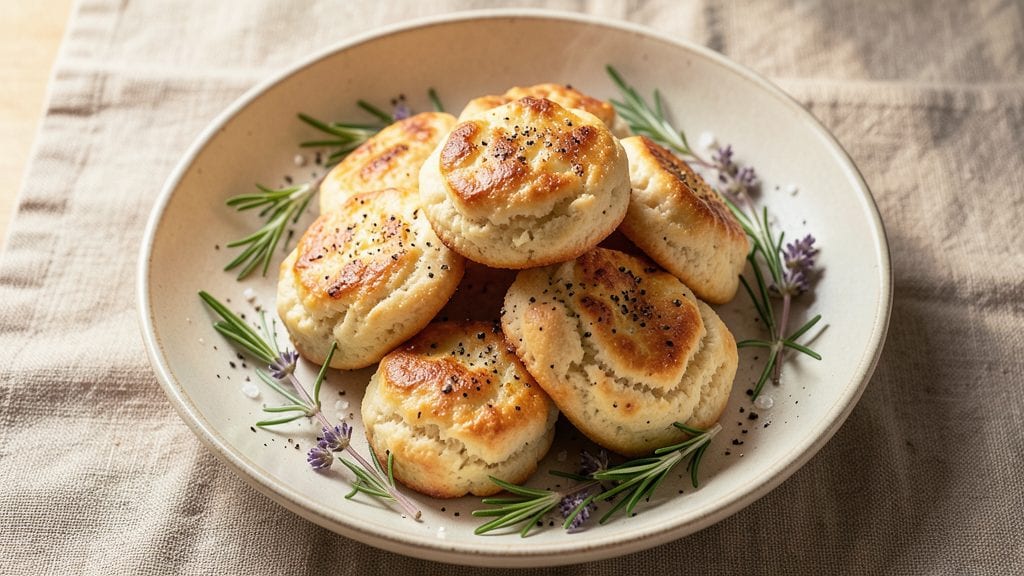
This White Lily self-rising flour biscuit recipe delivers the kind of flaky, buttery layers that make every bite feel like a Southern tradition. The secret lies in the self-rising flour—no yeast, no fuss, just tender crumb and crisp edges that shatter at the first touch.
I've baked these for holiday tables and weeknight suppers, and they never disappoint.
What sets these biscuits apart is the precise technique of cutting hot butter into cold flour, creating those signature pockets of air. The dough comes together in minutes, and with just a few simple steps, you'll have golden, pillowy biscuits ready in under 20 minutes.
Perfect for soaking up gravy, pairing with jam, or serving alongside breakfast meats.
The result is a batch of biscuits with a crisp exterior and a tender, melt-in-your-mouth interior, all thanks to the self-rising flour's built-in leavening. No rolling required—just pat, cut, and bake. These biscuits stay warm and fresh for hours, making them ideal for feeding a crowd or prepping ahead.
For extra flavor, brush the tops with melted butter before baking, or add herbs to the dough for a savory twist. Whether you're serving them with honey butter or savory chili, these biscuits will elevate any meal. Let's get baking!
Ingredients for white lily self rising flour biscuit
The magic starts with White Lily flour and cold butter—just these seven things transform into golden, shatteringly crisp biscuits.
| Ingredient | Amount | Notes |
|---|---|---|
| White Lily Self-Rising Flour 🌾 | 3 cups | Plus 1 tbsp for dusting |
| Unsalted Butter 🧈 | ¾ cup | Cold, cubed into 1-inch pieces |
| Whole Milk 🥛 | ½ cup | Cold, straight from fridge |
| Kosher Salt 🧂 | ½ tsp | For additional seasoning |
| Black Pepper 🌶️ | ¼ tsp | Freshly cracked |
| Fresh Rosemary 🌿 | 1 tbsp | Chopped, optional for savory twist |
| Melted Butter 🧈 | 2 tbsp | For brushing tops |
White Lily self-rising flour is the secret weapon here. Grab a 5-pound bag from Southern grocery stores—it's worth the trip if you don't have a local supplier. The flour already has baking powder and salt, so no measuring those extra ingredients. For the butter, use European-style if possible—it stays cold longer while cutting into the flour. I always buy Plugrá or Land O'Lakes European from the freezer section. The milk should be cold straight from the fridge, and the rosemary? Trader Joe's sells fresh bundles that last weeks in the freezer if you're not using it all at once.
No White Lily? Substitute 3 cups all-purpose flour plus 1.5 tsp baking powder and 0.5 tsp salt, but these won't be quite the same—self-rising is non-negotiable for that tender crumb. Butter too soft? Pop the block in the freezer 10 minutes before cubing. Short on milk? Buttermilk or even water works, but whole milk gives the best texture. The rosemary's optional but adds a lovely herbal note—dried works at half the amount if you're in a pinch. And if you're making a big batch, double the recipe—these freeze beautifully for up to 3 months.
Freshly baked biscuits stay warm for hours in a 200°F oven with a damp towel draped over them. For longer storage, wrap in foil and freeze—reheat at 350°F for 10-12 minutes until crispy again. I always bake these in a cast-iron skillet for that perfect golden crust. The dough comes together in 5 minutes, but don't rush the butter-cutting—work quickly but gently to keep everything cold. And trust me, the extra 1 tbsp flour for dusting saves a world of frustration.
Why You'll Love This Recipe
- No-Fuss Flour Magic: I swear by White Lily’s self-rising blend—no measuring baking powder, no extra salt, just mix and bake. The butter cuts in like butter should, and the milk keeps it tender without fuss.
- Buttery Crisp Perfection: That first bite? Golden crust snapping, buttery richness melting into a soft center—it’s the kind of biscuit that makes you close your eyes. The pepper? Just a whisper, but it works.
- Weeknight Workhorse: Serve with breakfast hash, pair with chili, or toast them for a snack—these biscuits never let me down. Honestly, I’ve had them at 7 AM and midnight, and they’re always welcome.
- Pantry Staple Savior: A bag of White Lily lasts forever, and these biscuits cost pennies to make. Freeze extras for lazy mornings or last-minute guests—no one will guess they’re this easy.
Step-by-step instructions for White Lily self-rising flour biscuits
Here's how to create flaky, golden biscuits with layers that practically melt in your mouth.
Mix Cold Butter and Flour for Perfect Layers
In a large mixing bowl, combine the 3 cups White Lily Self-Rising Flour and the 0.75 cup Unsalted Butter (cubed and cold). Using your fingertips or a pastry cutter, work the butter into the flour until the mixture resembles coarse crumbs with some pea-sized butter pieces remaining. This texture is crucial—it creates those signature flaky layers when baked.
Real talk: Don't overwork the butter or the biscuits will turn out tough. You want to see some visible butter pieces still intact when you're done mixing. If the dough starts to stick together, sprinkle a little extra flour from the 1 tbsp reserved for dusting and continue working gently.
Add Wet Ingredients and Form the Dough
Create a well in the center of your flour-butter mixture and pour in the 0.5 cup Whole Milk (cold, straight from the fridge). Add the 0.5 tsp Kosher Salt, 0.25 tsp Black Pepper, and 1 tbsp Fresh Rosemary (if using). Using a wooden spoon or silicone spatula, gently stir until just combined—you should still see some dry spots in the mixture.
Here's the thing—you don't want to overmix. Once the dough comes together when pressed, stop stirring. The gluten develops quickly, and overworking will make your biscuits dense instead of light and tender. If the dough feels too wet, add 1 tablespoon more of the reserved flour at a time until it holds together when pressed.
Shape and Cut the Biscuits
Turn the dough out onto a lightly floured surface (use the extra 1 tbsp flour if needed) and gently pat it into a 1-inch thick rectangle. This thickness ensures even baking and prevents the bottoms from burning while the tops brown. Fold the dough in half like a book, then fold it in half again to create a compact block.
Using a sharp biscuit cutter or a round glass (about 2.5 inches in diameter), cut out biscuits and place them on an ungreased baking sheet, leaving about 1 inch between each biscuit. Press down gently on each biscuit to ensure they bake evenly. Don't be tempted to stack them—they need space to rise properly.
Bake Until Golden Brown
Preheat your oven to 425°F. Bake the biscuits for 12-15 minutes until they're golden brown on top and the edges are set. The key here is to watch closely after 10 minutes—ovens vary, and you want to pull them out just as they reach that perfect golden hue. Overbaking will make them dry.
As soon as they're done, remove the biscuits from the oven and immediately brush the tops with the 2 tbsp Melted Butter. This step adds that signature buttery flavor and keeps the biscuits moist. Let them cool on a wire rack for 5 minutes before serving—this prevents them from getting soggy.
Pro Tips For Making White Lily Self Rising Flour Biscuit
- Chill the Dough: I learned this the hard way—White Lily self-rising flour is eager to rise, and skipping the 30-minute fridge rest means biscuits that spread into pancakes. Even if you’re in a hurry, pop the dough in the fridge while you preheat the oven. Trust me, the texture’s worth it.
- Cut Butter Cold: Unsalted butter straight from the fridge should be rock-hard—like a hockey puck. If it’s soft, stick it in the freezer for 10 minutes. You’re not just making biscuits; you’re building flaky layers, and warm butter turns into grease. No one wants a biscuit that’s basically a butter-soaked sponge.
- Milk at Room Temp: Cold whole milk makes biscuits dense. Warm it up to about 70°F (just dip the bottle in warm water for 2 minutes)—it blends better with the butter and keeps the crumb light. I used to skip this, and my biscuits always felt heavy. Now? They’re airy and tender.
- Press, Don’t Roll: Resist the urge to roll the dough—press it down gently with your palm, about ½-inch thick. Rolling compresses the gluten, and you’ll end up with tough biscuits. The dough should feel like a firm cloud, not a brick. (Yes, even if it looks uneven—it’ll bake up fine.)
Wine and beer pairings for this recipe
Classic Southern Wine
These buttery biscuits pair beautifully with a crisp Southern-style white wine like Albemarle Country Vineyards' Chardonnay from Virginia. The wine's bright acidity and subtle citrus notes cut through the richness while complementing the buttery layers.
I always reach for a bottle chilled to 45-50°F—just cool enough to preserve its crispness without being overly cold. 🍷
Honey-Sweetened Mead
For a non-alcoholic option, try honey mead—a traditional fermented honey drink that enhances the biscuits' natural sweetness. Look for a lightly spiced mead like Björk's Mead or make your own by mixing ½ cup honey with 1 cup hot water and a pinch of cinnamon.
The floral honey notes mirror the biscuits' buttery richness while adding a subtle depth. 🍯
Smoky Bourbon Old Fashioned
When serving these biscuits with savory dishes like chili or fried chicken, a bourbon old-fashioned elevates the meal. Use 4 oz Buffalo Trace bourbon, 1 sugar cube, and 2 dashes Angostura bitters, then garnish with an orange peel.
The caramel and oak notes in the bourbon contrast beautifully with the biscuits' crisp edges. 🥃
Creamy Stout Beer
A nitro-infused stout like Samuel Smith's Oatmeal Stout adds a velvety texture that pairs surprisingly well with the biscuits' flaky layers. The beer's malty sweetness and roasted notes balance the buttery richness, making it a great choice for a hearty breakfast or brunch spread.
Serve at 40°F to highlight its creamy mouthfeel. 🍺
Herbal Tea Pairing
For a caffeine-free option, steep Earl Grey tea with a splash of lemon juice and a drizzle of honey. The bergamot's citrusy aroma and the tea's warmth complement the biscuits' buttery notes without overpowering them. Brew it strong and serve it hot for the best flavor harmony. ☕
Spiced Apple Cider
In fall or winter, warm spiced apple cider (like Martinelli's Classic) adds a cozy touch to your biscuit spread. The cinnamon and clove spices echo the rosemary in the dough, creating a seasonal flavor connection.
Serve it in a mug and pair it with a dollop of whipped cream for extra indulgence. 🍎
Nutrition facts
Frequently asked questions
Can I make these biscuits without White Lily self-rising flour?
You can substitute with 3 cups all-purpose flour plus 1.5 teaspoons baking powder and 0.5 teaspoon salt, but the texture won't be identical. White Lily's built-in leavening creates that signature tender crumb and crisp edges. If you're in a pinch, this combo works, but the biscuits may be slightly denser.
Why do my biscuits turn out tough instead of flaky?
Overworking the dough or using warm butter are the most common culprits. Keep everything cold—cold butter and cold milk are key—and work the butter into the flour just until pea-sized pieces remain. Also, avoid overmixing once the wet ingredients are added. The dough should come together with minimal handling.
How do I store leftover biscuits?
Keep them fresh for up to 3 days in an airtight container at room temperature. For longer storage, freeze them for up to 3 months. To reheat, warm at 350°F for 10-12 minutes until crispy again. For extra warmth, place them in a 200°F oven with a damp towel for up to 1 hour.
Can I add cheese or herbs to these biscuits?
For a savory twist, try 1 cup shredded sharp cheddar or 1 tablespoon dried herbs like thyme or parsley. Fold them into the dough after adding the wet ingredients. Keep the amount to 10-15% of the total dough to avoid making the biscuits dense. Fresh herbs like rosemary work beautifully too!
What's the best way to cut the biscuits for even baking?
Use a sharp biscuit cutter or a round glass (2.5 inches in diameter) for clean edges. Press down firmly but gently when cutting to ensure even thickness. For extra flakiness, chill the dough for 15-20 minutes before cutting. This helps maintain the cold butter pockets that create those signature layers.