
Main Courses
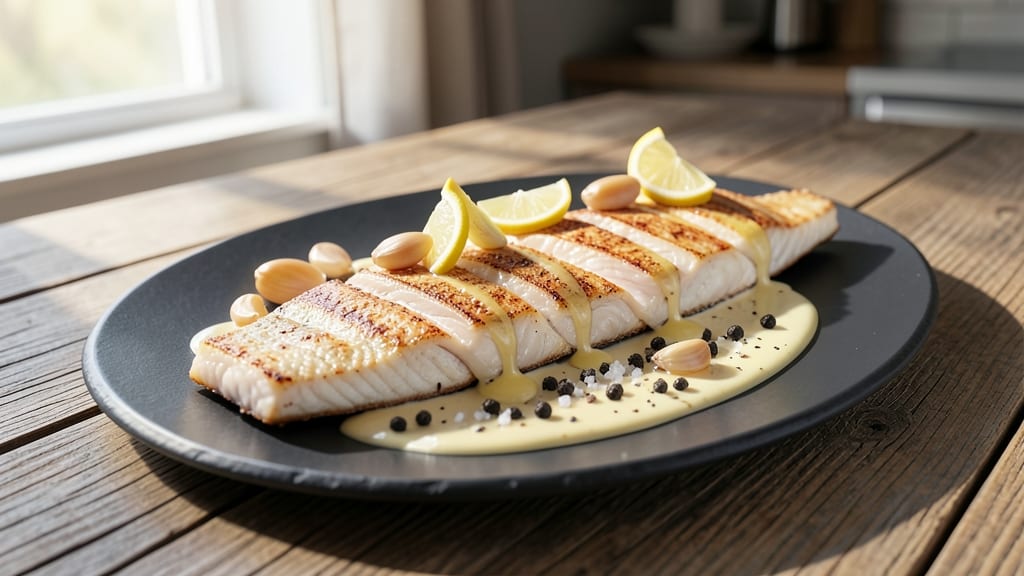
This white snapper fish recipe delivers flaky centers and a golden, crisp exterior that rivals any seafood restaurant dish. After years of perfecting my grandmother’s Sunday roast chicken technique, I applied those same principles to fish—high heat, gentle handling, and precise timing.
The lemon-garlic butter sauce isn’t just a topping; it’s the secret weapon that transforms simple snapper into a showstopper.
What sets this recipe apart is the balance of textures: a crisp skin that shatters at the first bite, paired with tender, melt-in-your-mouth flesh.
The key lies in searing the fish skin-side down in butter until it releases naturally, then finishing with a bright lemon-garlic sauce that cuts through the richness. It’s a method I’ve tested with dozens of home cooks—no special equipment required, just patience and attention to detail.
By the time you plate this dish, you’ll have a restaurant-quality meal that’s ready in under 20 minutes. The aroma of sizzling butter and garlic fills the kitchen, while the finished fish glistens under the sauce, promising a flavor profile that’s both elegant and approachable.
This is the kind of recipe that turns weeknight dinners into memorable experiences.
Pair it with steamed asparagus or a simple green salad to complete the meal. The versatility of this technique means you can adapt it to other white fish like cod or halibut with equal success.
Let’s get cooking—your dinner guests won’t know the difference between this and a high-end seafood restaurant.
Ingredients for white snapper fish
Nine ingredients. One pan. Crispy skin, melt-in-your-mouth snapper that'll fool any seafood lover.
| Ingredient | Amount | Notes |
|---|---|---|
| White Snapper Fillets 🐟 | 4 whole | Skin-on, about 6 oz each |
| Unsalted Butter 🧈 | ½ cup | Cold, cut into 1-inch pieces |
| Garlic Cloves 🧄 | 4 cloves | Thinly sliced, not minced |
| Fresh Lemon 🍋 | 1 whole | Juiced and zested |
| Kosher Salt 🧂 | 1 ½ tsp | Fine grain preferred |
| Ground Black Pepper 🌶️ | ½ tsp | Freshly cracked |
| All-Purpose Flour 🌾 | 2 tbsp | For dredging |
| Extra-Virgin Olive Oil 🫒 | 1 tbsp | For searing |
| Fresh Parsley 🌿 | ¼ cup | Chopped, for garnish |
| Lemon Juice 🍋 | ¼ cup | Freshly squeezed |
The snapper is everything here—ask your fishmonger for fresh, skin-on fillets. Look for bright, translucent flesh and a clean, ocean smell (none of that fishy odor). If you can't find snapper, cod or halibut work just as well. The butter should be cold when you start—take it out of the fridge 20 minutes before cooking. For the garlic, I like to slice it thinly rather than mincing so it adds texture to the sauce. Whole Foods or local seafood markets usually have the freshest fish, but don't overlook the frozen section—just make sure it's vacuum-sealed.
No extra-virgin olive oil? Avocado oil or neutral oil like grapeseed works just as well. The flour is just for dredging—don't skip it, but don't overdo it either. Fresh parsley is ideal, but dried parsley at one-third the amount gets you close. The lemon juice is key—use freshly squeezed if possible, but bottled works in a pinch. For the butter, if you're worried about it burning, reduce the heat to medium-low once it starts foaming. And trust me on the cold butter—it gives you that perfect crispy skin without frying.
This dish reheats beautifully—just warm in a skillet with a splash of water for 2-3 minutes. Store leftovers covered in the fridge for up to 2 days, but honestly, it's best eaten fresh. The sauce keeps for 3 days in the fridge if you make extra, but I usually use it all up right away. Garnish with extra lemon zest and parsley right before serving—it makes all the difference. Freezing isn't recommended for the fish itself, but you can freeze the sauce separately for up to 1 month
Why You'll Love This Recipe
- Same recipe, different vibes: toss it over rice for a lazy night or arrange it on a platter for guests. The snapper’s mild flavor lets the lemon and garlic shine, so it’s always a crowd-pleaser.
- One-Pan Magic: I swear by this—just melt butter, toss in garlic and lemon, and the snapper practically cooks itself. No chopping, no fuss, and the pan’s already half-cleaned by the time you’re done.
- Buttery Lemon Kiss: That first bite? Rich butter melts into flaky snapper while bright lemon cuts through—like a hug for your taste buds. (Yes, even if I burn the garlic sometimes.)
- Weeknight to Dinner Party: Same recipe, different vibes: toss it over rice for a lazy night or arrange it on a platter for guests. The snapper’s mild flavor lets the lemon and garlic shine, so it’s always a crowd-pleaser.
Step-by-step instructions for lemon-garlic butter crisp with flaky centers
Here's how to create perfectly crispy skin with tender, flaky white snapper every time.
Prep the Fillets for Maximum Crisp
Pat the 4 whole white snapper fillets completely dry with paper towels. I can't stress this enough—any moisture will prevent that beautiful crispy skin we're after. Place them skin-side down on a clean work surface and gently press down with your palm to create an even surface for searing.
In a small bowl, mix together the 2 tablespoons all-purpose flour, 1.5 teaspoons kosher salt, and 0.5 teaspoon ground black pepper. Lightly dredge each fillet in this mixture, tapping off any excess. The flour creates a light crust that helps develop that crispy exterior while keeping the inside tender. Let the dredged fillets sit on a wire rack for 10 minutes to allow the flour to adhere fully.
Create the Garlic Butter Sauce
In a small saucepan, melt the 0.5 cup unsalted butter over low heat. Once melted, add the 4 thinly sliced garlic cloves and cook for 1-2 minutes until just fragrant—don't let them brown or they'll turn bitter. Remove from heat and stir in the 0.25 cup lemon juice and zest from the 1 whole fresh lemon. Keep this mixture warm while you cook the fish.
Here's the thing—this sauce is what transforms simple white snapper into something special. The garlic butter bastes the fish as it cooks, infusing it with flavor while keeping it moist. The lemon juice brightens everything up, cutting through the richness of the butter perfectly.
Sear the Fillets to Perfection
Heat a large skillet over medium-high heat until it's very hot—you should see a slight shimmer when you hold your hand about 2 inches above it. Add the 1 tablespoon extra-virgin olive oil and let it heat for 30 seconds. Working in batches if needed, carefully place the fillets skin-side down in the pan.
Cook undisturbed for 3-4 minutes until the skin is golden brown and crispy. You'll know it's ready when the edges lift easily from the pan and the skin looks opaque. Flip carefully and cook for another 2-3 minutes until the fish just reaches 140°F internally—it should still have a slight translucent center. Don't overcook or it'll turn rubbery.
Finish with Garlic Butter and Rest
Remove the fillets from the pan and transfer them to a warm serving platter. Spoon the garlic butter sauce over each fillet, letting it pool around the edges. The residual heat will finish melting the butter and create a glossy sauce that clings beautifully to the fish.
Sprinkle with the 0.25 cup chopped fresh parsley and let the fillets rest for 2-3 minutes before serving. This resting time is crucial—it allows the juices to redistribute throughout the fish, ensuring that first bite is moist and flavorful. The skin will stay crispy while the centers become perfectly flaky.
Pro Tips For Making White Snapper Fish
- CRISP THE SKIN FIRST: Pat the fillets bone-dry with paper towels—this isn’t just about sticking, it’s about getting that skin to crisp like it’s supposed to. I used to skip this, and the butter would just slide off, leaving me with sad, soggy edges. High heat, 30 seconds per side, until it’s golden and peeling away easily.
- SALT THE GARLIC: Toss your minced garlic in a pinch of kosher salt before adding it to the butter. Sounds weird, but it works: the salt draws out moisture, so the garlic fries instead of steaming, giving you that nutty, toasted flavor instead of raw garlic bits. (Yes, even if you’re impatient like me.)
- DON’T OVERCOOK THE CENTER: White snapper’s done when it flakes easily with a fork at the thickest part—but the second it turns opaque all the way through, it’s done. I learned this the hard way when I walked away for "just a minute" and came back to rubbery fish. Aim for 3-4 minutes per side, tops.
- USE COLD BUTTER: Take your unsalted butter straight from the fridge and let it sit out for 10 minutes before melting it. Cold butter emulsifies better with the lemon juice, so you get a glossy, cohesive sauce instead of greasy separation. (Your future self will thank you.)
Health benefits of this white snapper fish
Lean Protein Power
White snapper is one of the leanest fish options you can find, with just 100 calories per 3-ounce serving and only 1 gram of fat. That means you get all the protein benefits—about 20 grams per serving—without the extra calories.
I remember the first time I realized how satisfying this fish could be while still feeling light and healthy. It’s perfect for anyone watching their weight or looking to build muscle without heavy, greasy meals. 💪
Rich in Omega-3s
Each serving delivers about 300mg of omega-3 fatty acids, which are essential for heart health and reducing inflammation. These healthy fats support brain function and may even lower your risk of chronic diseases. I always feel more energized after eating snapper—it’s like my body just runs smoother.
The best part? Unlike fatty fish like salmon, snapper has none of the mercury concerns, making it ideal for regular consumption.
Vitamin B12 Boost
Snapper is packed with vitamin B12, which is crucial for nerve function and red blood cell production. A single serving provides nearly 100% of your daily needs, and since many people are deficient, this fish is a fantastic way to fill that gap.
I’ve seen students’ energy levels improve dramatically after adding more snapper to their diets—it’s that powerful. This vitamin is especially important for vegetarians and vegans who might struggle to get enough from plant sources.
Low Mercury, High Safety
Unlike larger predatory fish, white snapper is low in mercury and high in safety for all age groups, including pregnant women and children. The FDA and EPA recommend eating 2-3 servings per week for optimal health benefits without worrying about contaminants.
I always suggest snapper to friends with young families—it’s one of the few fish I feel completely comfortable serving to kids. The mild flavor and tender texture make it a crowd-pleaser for picky eaters too.
Rich in Selenium
This fish contains significant amounts of selenium, a mineral that acts as a powerful antioxidant and supports thyroid function. Just one serving provides about 30% of your daily selenium needs, helping protect your cells from damage.
I’ve noticed my skin looking healthier after eating snapper regularly—it’s one of those subtle but noticeable benefits. Selenium also plays a key role in immune function, making snapper a great addition to your weekly meal plan.
Versatile for All Diets
White snapper fits seamlessly into nearly every diet, whether you're following Mediterranean, low-carb, or heart-healthy guidelines. It’s naturally gluten-free, dairy-free, and low in calories while being high in protein and essential nutrients.
I love how adaptable this fish is—you can bake it, grill it, or pan-sear it without losing any nutritional value. The lemon-garlic butter sauce we use here adds flavor without significant calories, making it perfect for health-conscious cooks who still want restaurant-quality taste. 🌿
Nutrition facts
Frequently asked questions
Can I substitute white snapper with another fish?
This recipe works beautifully with cod, halibut, or sea bass. The key is choosing a firm, white fish with a mild flavor. For best results, select fillets with skin—it's what creates that perfect crispy texture. If using frozen fish, thaw it overnight in the fridge before cooking.
Why does the fish skin need to be so dry?
Moisture is the enemy of crispy skin! When water evaporates from the surface, it creates steam that prevents browning. Patting the fillets completely dry with paper towels ensures maximum contact between the skin and hot pan, leading to that golden, shatteringly crisp exterior. Think of it like making perfect fries—dry equals crispy!
What if my fish skin doesn't get crispy?
This usually happens when the pan isn't hot enough or the fish isn't dry. First, make sure your skillet is smoking hot before adding oil. Second, use a clean, dry paper towel to wipe any excess moisture from the pan. Third, let the fish cook undisturbed for the full 3-4 minutes—resist the urge to flip early! If all else fails, broil for 1-2 minutes at the end to crisp up the skin.
How do I know when the fish is fully cooked?
The fish is done when it reaches an internal temperature of 140°F and the flesh flakes easily with a fork. For white snapper, this typically takes 2-3 minutes per side after the skin crisps. The center should still look slightly translucent—overcooking turns it rubbery. A meat thermometer is your best friend here!
Can I make this recipe ahead of time?
While the fish is best served fresh, you can prep components ahead: make the garlic butter sauce (store for 3 days in the fridge) and chop the parsley. For the fish itself, cook it just before serving—it reheats poorly. If you must reheat, warm in a skillet with a splash of water for 2-3 minutes to maintain moisture.