
Breakfast & Brunch
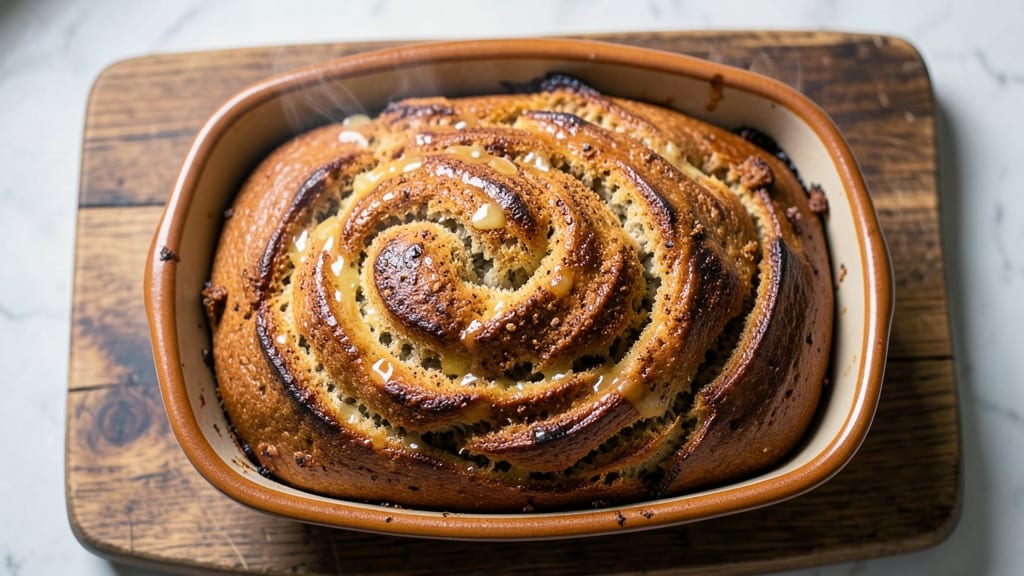
This Amish sourdough cinnamon bread recipe delivers the kind of warm, spiced goodness that makes every morning feel like a celebration.
The secret lies in a long fermentation process that develops deep flavor while keeping the crumb tender and pull-apart soft—just like the bread you'd find at a Pennsylvania farmhouse table. I've perfected this version over years of baking, using traditional techniques that create that signature cinnamon swirl and golden crust.
The beauty of this recipe is its simplicity combined with professional results. You'll start with a sourdough starter (or use store-bought if you're short on time), then build a dough that ferments slowly to develop maximum flavor.
The cinnamon-sugar mixture gets folded into the dough, creating those beautiful swirls that release warm spice with every bite. What makes this different from regular cinnamon bread is the sourdough's tangy complexity that elevates the cinnamon flavor to something extraordinary.
By the time it emerges from the oven, you'll have a loaf with a crispy, crackly crust that gives way to a tender, slightly chewy interior filled with caramelized cinnamon-sugar pockets.
The aroma alone will have everyone gathering around your kitchen, and the first bite delivers that perfect balance of sweet, spiced warmth. This bread is ideal for breakfast with butter or jam, but it's also wonderful toasted or sliced for sandwiches. Let's get started on creating this homemade treasure.
The best part? This recipe scales beautifully—whether you're baking for a family breakfast or prepping for a brunch gathering. The long fermentation means you can actually prepare the dough the night before, waking up to the smell of baking bread in the morning.
That's the Amish way: simple ingredients, patience, and a result that tastes like comfort itself.
Ingredients for amish sourdough cinnamon bread
Four cups flour, a splash of milk, and a pinch of patience create this farmhouse-style treasure.
| Ingredient | Amount | Notes |
|---|---|---|
| Active Sourdough Starter 🍞 | ½ cup | Unfed, bubbly starter (100% hydration) |
| All-Purpose Flour 🌾 | 4 cups | Unbleached, high-protein preferred |
| Granulated Sugar 🍚 | ¼ cup | White or light brown |
| Instant Yeast 🍞 | ¼ tsp | For reliable rise |
| Unsalted Butter 🧈 | ½ cup | Cold, cubed for dough |
| Large Eggs 🥚 | 1 whole | Room temperature |
| Milk 🥛 | ½ cup | Whole milk for richness |
| Salt 🧂 | 1 tsp | Fine sea salt |
| Ground Cinnamon 🌿 | 2 tbsp | Freshly ground preferred |
| Light Brown Sugar 🍚 | ½ cup | Packed, for filling |
| Coarse Sugar 🍚 | ¼ cup | Turbinado or sanding sugar |
| Cornstarch 🌾 | 1 tbsp | For crispy crust |
| Melted Butter 🧈 | 2 tbsp | For brushing crust |
The sourdough starter is the heart of this recipe—look for bubbles and a slightly tangy aroma when you feed it. If you're short on time, store-bought starter works (like King Arthur or Bob's Red Mill), but it won't have that authentic Amish tang. For flour, King Arthur or White Lily are my go-tos—they handle the long fermentation beautifully. The butter matters too: use European-style butter if you can find it, but regular unsalted works in a pinch. The cinnamon should be freshly ground for that warm, aromatic punch that makes this bread special.
No sourdough starter? Use 1/4 cup plain yogurt or buttermilk instead—it adds tang without the fermentation wait. Running low on brown sugar? Lightly toast white sugar in a dry pan for 3-4 minutes to caramelize it. The cornstarch is key for that crackly crust—don't skip it if you want that authentic Amish texture. For the filling, mix the sugars and cinnamon right before folding into the dough so they stay fresh. And if you're making this ahead, prepare the dough the night before—the long fermentation is what makes it taste like a Pennsylvania farmhouse.
This dough keeps beautifully—cover tightly and refrigerate for up to 24 hours before baking. The filling will caramelize more overnight, making the flavor even deeper. Once baked, let it cool completely before slicing—that crispy crust needs time to set. Store wrapped at room temperature for 3 days, or freeze slices for up to 3 months. The best part? It reheats perfectly—just wrap a slice in foil and warm in the oven for 5 minutes. That's the Amish way: simple, patient, and delicious.
Why You'll Love This Recipe
- No-Knead Magic: I swear by this—just mix the dough, let it rise overnight, and wake up to a golden loaf that smells like a bakery. The sourdough starter does all the hard work while you sleep, and the butter makes it melt-in-your-mouth tender.
- Cinnamon Swirl Bliss: That caramelized sugar and butter swirl? It’s the star. The yeast and sourdough give it a tangy depth, but the cinnamon-sugar crust is what turns this into a dessert-worthy breakfast. (Yes, even on a Tuesday.)
- Weeknight Workhorse: Freeze half the batch for lazy mornings or pack slices for lunch—it reheats beautifully. The dough’s forgiving, so I often double it for company, and the leftovers last forever. Honestly, it’s my go-to for everything from brunch to after-school snacks.
- Budget-Friendly Luxury: You’re using pantry staples—flour, sugar, butter—and a little starter that keeps giving. The yeast boosts the rise, so you don’t need fancy ingredients, just patience. I’ve made this for $3 a loaf, and it feels like a bakery treat.
Step-by-step instructions for Amish sourdough cinnamon bread
Here's how to create that signature pull-apart texture and warm spice aroma everyone loves.
Mix the Dough for Perfect Texture
In a large mixing bowl, combine the 0.5 cup active sourdough starter, 0.25 cup granulated sugar, 0.25 tsp instant yeast, and 1 tsp salt. This is your flavor foundation - the yeast will activate beautifully with the sourdough's natural tang. Add the 0.5 cup milk and 1 whole large egg, mixing until just combined. The mixture should be slightly sticky but manageable.
Gradually add the 4 cups all-purpose flour, mixing with a wooden spoon or dough whisk until a shaggy dough forms. You'll want to use your hands now - press the dough together until it comes together into a smooth, elastic ball. This step develops the gluten that gives your bread its signature pull-apart quality. The dough should be soft but not sticky - if it's too wet, add 1-2 tablespoons more flour.
Divide the dough into two equal portions. Shape each into a smooth ball and place them in a lightly greased bowl. Cover with a clean kitchen towel and let rise at room temperature for 1-2 hours, or until doubled in size. You'll know it's ready when you poke the dough gently and it springs back slowly rather than immediately.
Prepare the Cinnamon Filling
While the dough rises, create the irresistible cinnamon filling. In a small bowl, mix together the 0.5 cup light brown sugar, 2 tbsp ground cinnamon, and 1 tbsp cornstarch. This combination creates that perfect balance of sweetness and spice that defines Amish cinnamon bread. Add the 0.25 cup coarse sugar and mix well - the different sugar textures will create interesting crunch points in your bread.
In a separate small bowl, melt the 0.5 cup unsalted butter until completely liquid but not browned. Pour this melted butter over the sugar mixture and stir until fully combined. The butter will help bind the filling and create that signature glossy sheen when baked. Set this mixture aside - it'll be ready when your dough has risen.
Assemble and Shape the Loaves
Once your dough has risen, punch it down gently to release any air bubbles. On a lightly floured surface, roll out each dough portion into a 12x8-inch rectangle, about 1/4-inch thick. This is where the magic happens - spread half of the cinnamon mixture evenly over each rectangle, leaving a 1/2-inch border around the edges. The filling should be distributed thinly but completely covered.
Carefully roll up each rectangle from the long side, sealing the edges tightly as you go. This creates the classic log shape that makes this bread so special. Place each log seam-side down in a greased 8x4-inch loaf pan. The dough should come up about 1 inch above the pan's edges - this is perfect for creating that beautiful pull-apart texture when baked.
Bake to Golden Perfection
Preheat your oven to 375°F. Brush the tops of the loaves with the 2 tbsp melted butter, being generous - this will create that beautiful golden crust we all love. Bake for 30-35 minutes, until the tops are deep golden brown and the bread sounds hollow when tapped on the bottom. The edges should pull away slightly from the pan, indicating it's done.
For the final touch, broil for 1-2 minutes at the end of baking time. Keep a close eye on this - you want just enough color to enhance the crust without burning. Let the bread cool in the pans for 10 minutes before carefully removing it. The bread will be incredibly tender when warm, but it's best served at room temperature for that perfect texture.
Slice while still warm for that signature pull-apart experience. Each bite should deliver tender, slightly chewy bread with bursts of warm cinnamon and sweetness throughout. The crust should be crisp but not hard, and the filling should be moist and flavorful.
Pro Tips For Making Amish Sourdough Cinnamon Bread
- STRETCH THE DOUGH: Let the final dough rest in the fridge overnight—this isn’t just lazy baking, it’s what makes the cinnamon swirls stay put. Cold slows fermentation, letting flavors meld without overproofing, and the butter stays soft enough to fold in cleanly the next day.
- WEIGH YOUR FLOUR: Ditch the scoop-and-sweep method—this bread demands precision. Use a kitchen scale for the all-purpose flour; even a 5-gram difference throws off the balance between the sourdough’s tang and the cinnamon’s sweetness. (Yes, even if you’re impatient like me.)
- SKIP THE OVERMIXING: Once you fold in the butter and sugar, stop as soon as the dough just holds together. Overworking it turns the crumb dense, and the cinnamon filling will fight to stay in layers. Two or three gentle folds with a spatula is all it takes.
- BAKE WITH STEAM: Place a metal tray on the oven rack before preheating, then add ½ cup boiling water when you put the loaf in. The steam mimics a bread basket’s humidity, giving you that signature Amish crust—crisp on top, tender underneath—without needing a Dutch oven. (Your kitchen will smell like heaven.)
Wine and beer pairings for these flavors
Morning Coffee Pairings
This warm, spiced bread pairs beautifully with classic morning coffees. A medium-roast Arabica from a local roaster—like Blue Bottle or Stumptown—complements the cinnamon's warmth without overpowering its natural sweetness. The bread's tangy sourdough base cuts through the coffee's bitterness, creating a perfect balance.
For a creamy touch, try a cinnamon dolce latte with Starbucks' Cinnamon Dolce Syrup—the extra cinnamon echoes the bread's flavors beautifully. ☕
Spiced Apple Cider
In fall or winter, warm spiced apple cider makes an excellent pairing. Simmer 4 cups apple cider with 2 cinnamon sticks, 1 star anise, and 1 orange slice for 20 minutes.
The bread's caramelized sugars and cinnamon harmonize perfectly with the cider's natural tartness. Serve warm for a cozy, comforting experience that feels like a Pennsylvania farmhouse breakfast. 🍎
Chai Tea Harmony
A well-brewed chai tea with cardamom and cloves enhances the bread's spiced profile. I recommend Tazo's Chai Tea or a homemade blend with 1 tsp black tea, 1 cinnamon stick, and 3 cardamom pods per cup.
The tea's warmth and spice mirror the bread's flavors, creating a cohesive sensory experience. For extra indulgence, add a splash of vanilla almond milk to deepen the richness. 🍵
Light Beer Contrast
For those who prefer beer, a crisp American wheat beer like Blue Moon or Hoegaarden provides a refreshing contrast. The beer's citrusy notes balance the bread's sweetness, while its effervescence cleanses the palate between bites.
Avoid heavy stouts or dark ales—they can overpower the delicate cinnamon and sourdough flavors. Serve chilled for the best experience. 🍺
Warm Spiced Wine
For a special occasion, warm Moscato d'Asti or Riesling to 70-75°F and pair it with a slice of this bread. The wine's natural sweetness and slight effervescence complement the caramelized sugars in the cinnamon filling.
For a non-alcoholic option, try sparkling grape juice with a splash of orange liqueur—it captures the same refreshing contrast. 🍷
Creamy Butter Pairing
Sometimes, the simplest pairing works best. A generous pat of cultured European-style butter (like Plugrá) melts into the warm bread, enhancing its pull-apart texture and cinnamon flavors.
The butter's richness balances the bread's slight tang, making each bite even more indulgent. This is my go-to pairing for a quick, satisfying breakfast. 🧈
Nutrition facts
Frequently asked questions
Can I make this bread without a sourdough starter?
If you don't have an active starter, substitute 1/4 cup plain yogurt or buttermilk for the 0.5 cup sourdough starter. This adds tanginess without requiring fermentation time. For best results, let the dough rest 10-15 minutes before shaping to develop some gluten structure. The flavor won't be identical but will still be delicious and aromatic.
Why does my bread turn out dense instead of pull-apart?
Dense bread usually means the dough didn't develop enough gluten or didn't rise properly. Make sure to knead until the dough is smooth and elastic, and let it rise until it's doubled in size. Also, don't overfill the loaf pans - the dough should only come up about 1 inch above the pan edges. If your oven runs hot, reduce the temperature to 350°F to prevent over-browning before the bread is fully baked.
Can I make this ahead of time for breakfast?
This recipe is perfect for meal prep! Shape the dough the night before, cover tightly, and refrigerate for up to 24 hours. The cold rise enhances flavor and makes the bread even more tender. When ready to bake, let the dough sit at room temperature for 1 hour before baking to help it rise properly. The filling will caramelize more overnight, giving deeper flavor.
What's the best way to store leftovers?
Wrap cooled bread tightly in plastic wrap or aluminum foil and store at room temperature for 3 days. For longer storage, slice and freeze individual portions for up to 3 months. To reheat, wrap slices in foil and warm in a 350°F oven for 5-7 minutes until the cinnamon filling is gooey again. The crust will stay crispy while the interior remains soft.
How do I adjust the recipe for a pull-apart loaf instead of two individual loaves?
For a single large pull-apart loaf, use the same dough amount but shape it into a 9x13-inch rectangle. Spread the entire cinnamon filling over the dough, leaving just a 1/2-inch border. Roll it up tightly, then fold the ends toward the center to create a log shape. Place in a greased 9x13-inch baking dish and bake at 375°F for 35-40 minutes. The result will be a massive, show-stopping centerpiece perfect for serving families or gatherings.