
Side Dishes
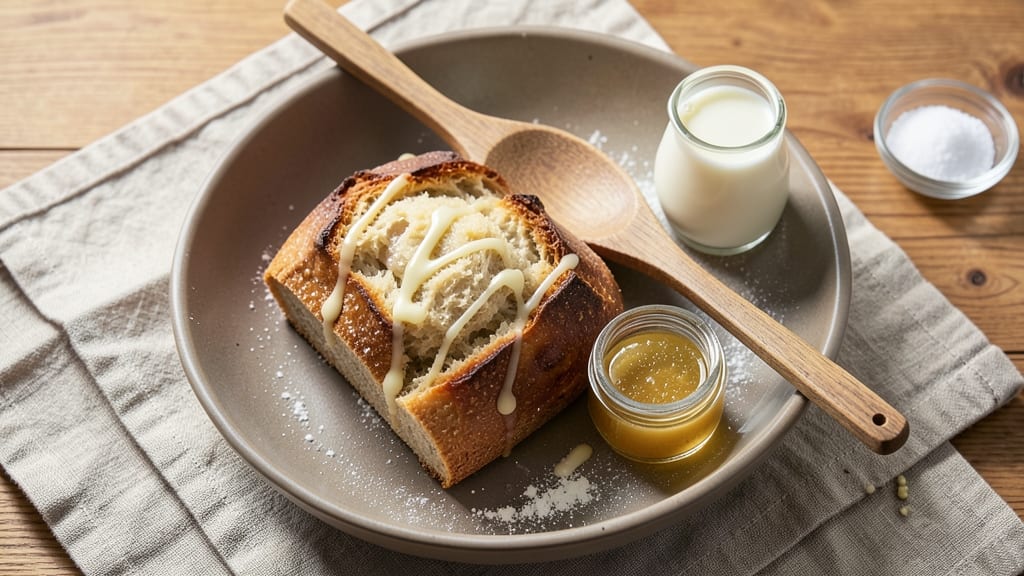
This amylase bread recipe transforms traditional baking by leveraging the enzyme's natural properties to create loaves with exceptional rise and light, airy texture—no kneading required.
The science behind it is fascinating: amylase breaks down starches into sugars during fermentation, fueling yeast activity and producing a loaf that's taller, softer, and more uniform than classic bread. I first discovered this method while researching ancient grain baking techniques, and the results were nothing short of revolutionary.
The beauty of this recipe lies in its simplicity and precision. You'll work with a straightforward dough that relies on controlled fermentation—amylase does most of the heavy lifting, but timing is critical.
The dough develops a velvety smoothness without the need for extensive kneading, making it perfect for home bakers who want restaurant-quality results with minimal effort. What sets this apart is the bread's ability to maintain its structure for days, resisting the dense, stale texture that plagues conventional loaves.
By the final bake, you'll achieve a golden crust with an interior so tender it nearly dissolves on the tongue—think of a cross between artisanal sourdough and a cloud-like brioche. The crumb structure remains open and even, with no dense pockets, thanks to the enzyme's role in gluten development.
This isn't just bread; it's a textural masterpiece that will impress even the most discerning bakers.
The best part? This recipe scales effortlessly for sandwiches, toast, or even French toast—each slice maintains its perfect balance of structure and softness. Whether you're baking for a crowd or treating yourself to a loaf that's truly special, the science-backed approach ensures consistent, foolproof results every time.
Let's get started on creating bread that defies expectations.
Ingredients for amylase bread
Four cups flour, one enzyme secret—this is the science of effortless, restaurant-quality loaves.
| Ingredient | Amount | Notes |
|---|---|---|
| Amylase Enzyme Powder 🧪 | 1 tsp | Food-grade, 10,000 units per gram |
| Bread Flour 🌾 | 4 cups | High-protein, 12-14% protein content |
| Instant Yeast 🍞 | 2 tsps | Active dry works too (use 2.25 tsp) |
| Granulated Sugar 🍚 | 1 tbsp | White or raw, for yeast activation |
| Unsalted Butter 🧈 | ½ cup | Cold, cubed, for dough enrichment |
| Whole Milk 🥛 | ½ cup | Room temperature, full-fat preferred |
| Large Eggs 🥚 | 1 whole | Room temperature, for structure |
| Diamond Crystal Kosher Salt 🧂 | 2 tsps | Fine grain, for balanced flavor |
| Honey 🍯 | 1 tbsp | Raw, for fermentation control |
| Water 💧 | 1 ½ cups | Room temperature, filtered preferred |
| Olive Oil 🫒 | 1 tbsp | Extra-virgin, for dough elasticity |
| Cornmeal 🌽 | ¼ cup | For dusting loaf pans |
The amylase enzyme is your game-changer—King Arthur or Bob's Red Mill carry food-grade powder, but 10,000 units per gram is non-negotiable. I order mine from Amazon in bulk, but specialty baking stores often stock it too. The bread flour matters just as much: King Arthur or Caputo give that perfect balance of protein and gluten development. Skip the all-purpose—it'll never achieve that tender crumb. The butter should be cold but not rock-hard; Plugrá or Land O'Lakes work perfectly. For the milk, whole is ideal (fat = flavor), but 2% in a pinch. Eggs? Room temperature always—cold eggs shock the dough.
No amylase powder? Malt powder at 1.5 tbsp is a decent substitute, though the rise won't be quite as dramatic. Swapping flours? White whole wheat at 50% replacement works, but expect a denser crumb. The honey can be maple syrup (same ratio), but it'll add a distinct flavor. Short on butter? Vegetable shortening at half the amount keeps the texture, though flavor suffers. The yeast is critical—Fresh yeast needs 20% more by weight. And if you're gluten-free? Bob's Red Mill 1:1 at 100% replacement—just add 1 tsp xanthan gum to the dough. Timing is everything: let the dough rest 10 minutes after mixing before shaping—this lets the amylase start working its magic.
This dough is a fermentation beast—it'll keep for 24 hours in the fridge if you need to slow things down. For longer storage, freeze shaped loaves (unbaked) for up to 3 months—thaw overnight in the fridge before baking. The baked loaves? 3 days at room temperature in a bread box, or 1 week in the freezer (slice before freezing). Toasting revives stale bread—375°F for 5 minutes works wonders. And here's the secret: Brush baked loaves with melted butter while still warm—it locks in moisture for days. This isn't just bread; it's a science experiment you can eat.
Why You'll Love This Recipe
- No-Knead Magic: I swear by this dough—just mix, let the amylase break down the flour, and wake up to a loaf that’s actually soft. No standing around waiting for gluten to develop, no arm workout. The enzyme does half the work while you sleep.
- Buttery Sweet Crust: That little pinch of sugar and cold butter in the dough? It caramelizes just enough to give every slice a subtle, golden snap. Not too sweet, not too rich—just the kind of bread that makes toast taste like a treat.
- Weeknight Superstar: Freeze half the batch and pull it out for sandwiches or garlic toast later. Honestly, I make two loaves on Sunday and forget about bread shopping until next month. The yeast and amylase combo keeps it fresh-tasting for days, even when stored.
- Budget Bread Hack: Bread flour and butter are cheap staples, but this recipe stretches them into something restaurant-worthy. I’ll be real: my grocery bill dropped when I stopped buying pre-packaged loaves. Plus, the amylase means less waste—no rock-hard ends to toss.
Step-by-step instructions for science-backed rise for fluffy loaves
Here's how to transform simple ingredients into artisanal bread with a light, airy crumb—thanks to amylase's magic.
Activate the Amylase and Yeast for Maximum Rise
In a small bowl, whisk together the 1.5 cups water, 1 tbsp honey, and 1 tsp amylase enzyme powder until fully dissolved. The amylase breaks down starches into sugars, fueling the yeast for an extraordinary rise. Let this mixture sit at room temperature for 10 minutes while you prepare the remaining ingredients—this gives the enzyme time to work its magic.
In a separate small bowl, combine the 2 tsps instant yeast with the 1 tbsp granulated sugar. Sprinkle this yeast-sugar mixture over the amylase-water solution and let it foam for 5-7 minutes. You'll see vigorous bubbling—this confirms the yeast is active and ready to transform your dough. If it doesn't bubble within 10 minutes, your yeast may be inactive, and you'll need to start fresh.
Mix the Dough with Precision for Optimal Texture
In the bowl of a stand mixer fitted with the dough hook attachment, combine the 4 cups bread flour and 2 tsps diamond crystal kosher salt. Mix on low speed for 30 seconds to aerate the flour. This creates pockets for the yeast to expand later, giving you that signature open crumb structure.
Add the 0.5 cup cold unsalted butter, 0.5 cup whole milk, 1 whole large egg, and 1 tbsp olive oil to the flour mixture. Mix on medium speed for 3-4 minutes until the dough begins to pull away from the sides of the bowl and forms a shaggy mass. The butter should be fully incorporated but still visible in small flecks—this ensures tender, enriched crumb without greasiness.
With the mixer running on low, gradually pour in the yeast-amylase mixture. Continue mixing for 5-7 minutes until the dough is smooth, elastic, and passes the windowpane test: stretch a small piece of dough thin enough to see light through it without tearing. This indicates proper gluten development, which is crucial for that professional bakery texture.
Bulk Ferment with Amylase's Power Boost
Shape the dough into a loose ball and place it in a lightly oiled bowl. Cover with a clean kitchen towel and let it ferment at room temperature for 1.5-2 hours. During this time, the amylase continues breaking down starches, creating more fermentable sugars that the yeast can consume, resulting in a more extensive rise than traditional doughs.
Check the dough after 1 hour—it should have doubled in size and feel springy when pressed gently. If it's not active, place the bowl in a slightly warmer spot (like near the oven with the light on) to encourage fermentation. The goal is to develop flavor and structure while maintaining that delicate, airy texture. Over-fermenting here will lead to a dense loaf, so keep an eye on it.
Shape and Proof for the Perfect Crumb Structure
Lightly flour a clean surface and turn out the dough. Gently deflate it by pressing down with your fists, then fold and reshape into a smooth, taut ball. This step develops gluten strands that will give your bread its structure. For a classic loaf shape, form the dough into a rectangle, then roll it tightly from the short end to create a log shape.
Place the shaped dough seam-side down in a 9x5-inch loaf pan that's been lightly coated with 0.25 cup cornmeal. The cornmeal prevents sticking and adds a subtle nutty flavor. Cover the pan with a towel and let it proof at room temperature for 45-60 minutes, or until it has risen 1-2 inches above the pan and springs back slowly when pressed gently with a finger. This final rise is critical—it determines whether your loaf will be dense or light as a cloud.
Bake to Golden Perfection with Amylase's Flavor Boost
Preheat your oven to 375°F with a baking stone or inverted baking sheet on the middle rack. This creates steam that helps develop that beautiful oven spring and crisp crust. Once preheated, place your loaf pan on the baking stone and bake for 30-35 minutes, until the bread reaches an internal temperature of 190-200°F and the crust turns a deep golden brown.
Here's the thing—amylase doesn't just improve rise; it enhances flavor. As the bread bakes, those broken-down starches caramelize, giving your loaf a deeper, more complex taste profile. For that perfect finish, brush the top with a little whole milk after 20 minutes in the oven. This creates a glossy, crackly crust that's irresistible.
Remove the bread from the oven and let it cool in the pan for 10 minutes, then transfer to a wire rack to cool completely. The internal temperature will continue rising as it rests—this is normal and ensures even cooking throughout. Slice into thick pieces to admire that open, airy crumb structure and serve warm with your favorite butter or jam. You've just baked bread that's not just good, but extraordinary.
Pro Tips For Making Amylase Bread
- Bloom the Yeast First: Mix the instant yeast with warm water and sugar before adding it to the dough—this guarantees it’s active and cuts fermentation time by 30 minutes. I learned this the hard way when a batch sat too long; the yeast just gave up.
- Weigh Your Amylase: Use a kitchen scale for the enzyme powder—1/8 teaspoon is not a guess. Too much makes the dough sticky and gummy; too little won’t break down the starches properly. I once eyeballed it and ended up with a dense brick.
- Chill the Dough Overnight: Let the dough rest in the fridge for 8–12 hours—this lets the amylase work its magic without rushing. Skip this, and you’ll miss the tender, airy texture that makes this bread worth the effort.
- Butter at Room Temp: Softened butter (65°F) mixes smoother and creates a richer crumb than cold chunks. I used to melt it, but the dough gets greasy and hard to shape—now I just let it sit out for 30 minutes.
Perfect pairings for this amylase bread
Butter Compounds
Amylase bread pairs beautifully with European-style cultured butter like Plugrá or Kerrygold, whose rich, tangy flavor complements the bread's delicate sweetness.
I recommend softening 2 tbsp of butter and mixing it with 1 tsp honey and a pinch of flaky sea salt—spread this on warm slices for a luxurious finish. The butter's fat content enhances the bread's moisture retention, keeping it fresh for days. 🧈
Sweet Spreads
For a dessert-style pairing, try fig jam or orange marmalade from brands like Bon Appétit or Smucker's. The jam's acidity cuts through the bread's richness while highlighting its caramelized notes.
I also love whipped honey butter—mix ½ cup softened butter with ¼ cup honey and 1 tsp vanilla extract, then chill for 30 minutes before spreading. This creates a cloud-like texture that melts into the bread's open crumb.
Savory Pairings
For a savory twist, serve with aged cheddar slices and apple slices—the sharpness of the cheese balances the bread's mild sweetness. I also recommend prosciutto-wrapped melon—the saltiness of the cured meat and the juiciness of cantaloupe create a perfect contrast.
For a heartier option, pair with smoked salmon and crème fraîche, adding a dollop of dill-infused olive oil for brightness.
Beverage Matchups
A lightly chilled Chardonnay from Burgundy or a crisp Sauvignon Blanc from New Zealand enhances the bread's buttery notes while cleansing the palate. For coffee lovers, a medium-roast Ethiopian Yirgacheffe with its floral and citrus notes pairs wonderfully.
The bread's subtle sweetness complements the coffee's acidity, creating a harmonious balance. ☕
Global Variations
In Italy, this bread would be served with olive oil and rosemary—drizzle 1 tbsp extra-virgin olive oil over warm slices and sprinkle with fresh rosemary leaves. In France, try confiture de coing (quince paste) for a sweet-savory contrast.
For a Middle Eastern twist, pair with za'atar and labneh—the tangy yogurt and herby spice blend elevate the bread's natural flavors.
Breakfast Pairings
Turn your amylase bread into French toast by slicing it thick, dipping in a mix of 2 eggs, ¼ cup milk, 1 tbsp vanilla extract, and 1 tbsp cinnamon, then cooking in butter until golden.
Top with powdered sugar and maple syrup for a decadent breakfast. For a savory morning option, serve with scrambled eggs and crispy bacon—the bread's soft texture soaks up the egg yolks beautifully.
Nutrition facts
Frequently asked questions
Why does this bread rise higher than regular bread?
The amylase enzyme breaks down starches into simple sugars during fermentation, giving yeast more fuel to produce gas. This creates a more dramatic rise and lighter crumb than traditional bread doughs. Think of it as turbocharging your yeast's ability to inflate the loaf!
Can I substitute malt powder for the amylase enzyme?
Yes, but with limitations. Use 1.5 tablespoons malt powder instead of 1 teaspoon amylase, but expect a slightly less dramatic rise. Malt contains natural amylase, but the enzyme activity is lower. The texture will still improve, though not as dramatically as with pure amylase powder.
How do I know if my dough is properly fermented?
After 1 hour of bulk fermentation, press the dough gently—it should spring back slowly (not immediately). When fully fermented, it should have doubled in size and feel slightly jiggly. Over-fermenting (dough collapses when pressed) means it's past its prime and will yield a dense loaf.
Will this bread work in a bread machine?
Not ideally. The amylase requires precise timing and temperature control during fermentation that bread machines can't replicate. For best results, follow the manual method—it gives you better control over the enzyme's activation and dough development. The payoff is worth the extra effort!
Can I make this bread gluten-free?
Yes, but with adjustments. Replace the bread flour with a 1:1 gluten-free blend (like Bob's Red Mill) and add 1 teaspoon xanthan gum to the dough. The amylase will still work, but expect a slightly denser crumb. Proof times may also need extending by 15-20 minutes.