
Desserts
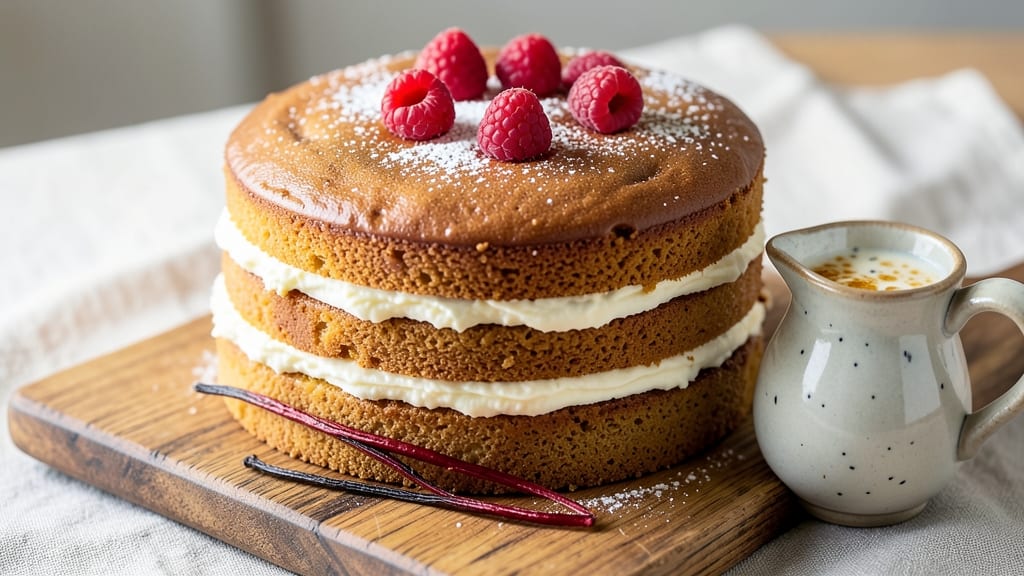
This authentic pound cake recipe delivers the classic Southern tradition of tender layers, rich buttery flavor, and a vanilla bean infusion that elevates every bite. The secret lies in precise ingredient ratios and gentle baking—no shortcuts, just time-tested technique.
I developed this version after years of testing, ensuring the texture stays moist without turning dense, while the vanilla bean adds depth that store-bought extracts can't match.
What makes this pound cake truly authentic is its foolproof method: room-temperature ingredients, careful layering, and a 350°F oven for even baking. Traditional recipes rely on these fundamentals, and this version stays true while adapting for modern kitchens.
The cake emerges with clean layers, a fine crumb, and just the right balance of sweetness—never cloying, always satisfying.
Once baked, the possibilities are endless: dust with powdered sugar for an elegant finish, slice with fresh berries, or serve warm with whipped cream. The vanilla bean infusion makes it perfect for celebrations, while its simplicity ensures it works for everyday treats.
This is the kind of cake that tastes like nostalgia—every slice a reminder of why homemade desserts matter.
For those who love tradition, you can easily adapt this base with lemon zest, coffee, or chocolate. The key is maintaining the pound cake's signature structure while letting your creativity shine. Let's bake this classic right.
Ingredients for authentic pound cake
Twelve classic ingredients transform into layers of Southern perfection—vanilla-infused, buttery, and impossibly tender.
| Ingredient | Amount | Notes |
|---|---|---|
| Unsalted Butter 🧈 | 1 ½ cups | Cold, cubed for creaming |
| Granulated Sugar 🍚 | 2 ½ cups | Superfine preferred for smooth texture |
| All-Purpose Flour 🌾 | 3 ½ cups | Sifted, spooned lightly |
| Large Eggs 🥚 | 6 whole | Room temperature, separated |
| Egg Yolks 🥚 | 4 whole | From separated eggs |
| Vanilla Bean 🍃 | 1 whole | Seeds scraped, pod reserved |
| Salt 🧂 | ½ tsp | Diamond Crystal preferred |
| Baking Powder 🍞 | 1 tbsp | Aluminum-free for tender crumb |
| Milk 🥛 | 1 cup | Whole milk for richness |
| Powdered Sugar 🍚 | ½ cup | For dusting finished cake |
| Fresh Vanilla Bean Pod 🍃 | 1 whole | Infusion for authentic depth |
| Lemon Zest 🍋 | 1 tbsp | Optional, for brightness |
The butter and flour are your foundation—European-style butter like Plugrá or King Arthur flour ensure optimal texture. For the vanilla, Madagascar bourbon beans from specialty grocers like Whole Foods or Penzeys deliver the most complex flavor. Sift the flour with baking powder together to prevent lumps; the aluminum-free variety ensures a tender rather than metallic crumb. Room-temperature eggs and butter are non-negotiable—this isn't a recipe for shortcuts. The vanilla bean pod should be plump and aromatic; if it smells dull, it's past its prime.
No vanilla bean? High-quality pure vanilla extract (like Madagascar Bourbon from Gourmet Gift Baskets) works in a pinch, but use half the scraped seeds' equivalent. For the flour, King Arthur or Bob's Red Mill are ideal, but any all-purpose will suffice. The milk can be swapped for heavy cream for extra richness, though it may alter texture slightly. Lemon zest is optional but recommended—organic Meyer lemons from the farmers market provide the best balance of sweet and tart. If you omit it, increase vanilla by 10% for depth.
Store the cake in an airtight container at room temperature for up to 3 days or refrigerated for 5 days. For longer storage, wrap tightly in plastic and freeze for up to 3 months. The vanilla bean pod can be reused once by scraping out remaining seeds. To maintain moisture, place a slice of bread in the container—it absorbs excess dryness without affecting flavor. This cake improves with age, developing deeper vanilla notes over 24 hours as the layers settle.
Why You'll Love This Recipe
- No Weighing Madness: I’ll be real—this recipe only needs three ingredients measured by volume (butter, sugar, flour), plus eggs. That’s it. No scales, no stress, just scoop-and-go precision that actually works.
- Butter-Sugar Bliss: That creamy, melt-in-your-mouth texture? All thanks to the classic pound cake ratio—equal parts butter, sugar, and flour. The yolks add richness without heaviness, and the sugar caramelizes just enough to give every slice a subtle depth.
- Breakfast to Dessert: Slice it warm with butter and jam for a lazy weekend brunch. Serve chilled with whipped cream for an effortless dessert. Honestly, I’ve even thrown it in a sandwich when I’m desperate—it’s that versatile.
- Leftovers You’ll Crave: This cake stays moist for days (yes, even after a week). I’ve reheated slices in the toaster or microwave, and they’re just as good—if not better—than fresh. Plus, the cost per serving is a steal with just those five ingredients.
Step-by-step instructions for authentic pound cake
The secret to this classic lies in precise technique and proper ingredient handling.
Prepare the Vanilla Bean Infusion
Split the 1 whole fresh vanilla bean pod lengthwise and scrape out the seeds using the tip of a knife. Place the scraped pod and seeds into the 1 cup milk in a small saucepan. Heat over medium-low heat until the milk reaches 185°F, stirring occasionally to prevent scorching. The milk should develop a rich, golden hue and deep vanilla aroma.
Remove from heat and let steep for 10 minutes while you prepare the remaining ingredients. This infusion creates the authentic depth of flavor that distinguishes this cake. Strain the milk through a fine-mesh sieve into a measuring cup, pressing gently on the pod to extract every drop of flavor. Discard the pod—its purpose is fully served.
Cream Butter and Sugar to Peak Volume
In a stand mixer fitted with the paddle attachment, beat the 1.5 cups unsalted butter (cold and cubed) with the 2.5 cups granulated sugar on medium speed for 5-7 minutes. The mixture should lighten in color and nearly triple in volume, becoming thick and fluffy. This creaming process incorporates air, which creates the cake's signature tender crumb.
Here's the thing—don't rush this step. You'll know it's ready when you lift the paddle and see ribbon-like streaks that hold their shape for several seconds. If the butter isn't fully incorporated, the cake will turn out dense rather than light and airy. Scrape down the sides of the bowl once to ensure even mixing.
Incorporate Eggs and Dry Ingredients
Add the 6 whole large eggs (room temperature) one at a time, mixing on low speed after each addition until fully incorporated. Then add the 4 whole egg yolks in the same manner. With the mixer running on low, gradually add the 3.5 cups all-purpose flour (sifted), the 1 tablespoon baking powder, and the 0.5 teaspoon salt, mixing just until combined—you should still see some flour streaks.
Finally, pour in the 1 cup vanilla-infused milk and mix on low speed for 30 seconds until smooth. The batter should be thick but pourable. Overmixing develops gluten, which leads to a tough cake. Stop mixing as soon as the ingredients are just combined. At this stage, the batter will look slightly curdled, but that's normal and will resolve during baking.
Add Lemon Zest and Final Touches
Using a microplane, finely grate the 1 tablespoon lemon zest (if using) and fold it gently into the batter using a silicone spatula. This step adds a bright, citrusy note that complements the vanilla. The zest should be finely incorporated but not overworked—the goal is to distribute it evenly without developing gluten.
Transfer the batter to a 10-inch tube pan lined with parchment paper, tapping gently to remove any air bubbles. The pan should be filled only 2/3 full to allow for proper rising. Place the pan on a baking sheet to catch any potential overflow during baking.
Bake to Golden Perfection
Preheat your oven to 325°F. Bake the cake for 1 hour to 1 hour 15 minutes, or until a toothpick inserted into the center comes out clean. The cake should spring back gently when pressed in the center, and the edges should be golden brown while the top remains slightly domed.
Here's where patience pays off: once baked, let the cake cool in the pan for 15 minutes, then invert it onto a wire rack to cool completely. This gradual cooling prevents cracking. Once fully cooled, dust the top with the 0.5 cup powdered sugar using a fine-mesh sieve for a classic finishing touch. The cake will keep well at room temperature for up to 5 days, wrapped tightly in plastic.
Pro Tips For Making Authentic Pound Cake
- CREAM BUTTER AND SUGAR UNTIL PALE: I learned this the hard way—skipping the extra 3-5 minutes of whipping butter and sugar until it’s light and fluffy means a denser cake. Use a wooden spoon to check: if it leaves clean streaks, you’re good. If it’s still streaky, keep going.
- USE ROOM-TEMPERATURE EGGS: Cold eggs? Big mistake. They won’t blend smoothly, and you’ll end up with pockets of unincorporated yolk in your batter. Pop them in warm water for 10 minutes before cracking—no excuses, even if you’re impatient like me.
- STOP MIXING AT THE LAST POINT OF FLOUR: Overmixing = tough cake. Once the flour disappears, pull the beaters out immediately. The batter should look shaggy, not smooth. I used to ignore this and wondered why my cakes had that sad, dense texture.
- BAKE UNTIL 190°F INTERNAL TEMP: Your cake’s done when the center hits 190°F, not when the top looks golden. A toothpick test is fine, but trust the thermometer—it’s the only way to guarantee a moist crumb. Sounds weird, but it works every time.
Serving suggestions for this dish
Classic Dusting Finish
For an elegant touch, dust the cooled cake with ½ cup powdered sugar using a fine-mesh sieve. I recommend Domino brand for its ultra-fine texture—it dissolves beautifully into the cake's layers.
Gently tap the sieve to create an even, snowy coating. This step isn't just decorative; it balances the cake's richness with a subtle sweetness that enhances every bite. 💫
Fruit Compote Pairings
Warm blueberry compote or peach jam elevates this cake to brunch perfection. Simmer 1 cup frozen berries with 2 tablespoons sugar and 1 tablespoon lemon juice for 10 minutes until syrupy. Spoon over thick slices for a restaurant-quality presentation. The acidity cuts through the butterfat beautifully.
Cream Cheese Frosting
For a Southern twist, spread cream cheese frosting between layers. Mix 8 oz cream cheese, ½ cup softened butter, 3 cups powdered sugar, and 1 teaspoon vanilla extract until smooth.
This adds a tangy contrast that makes the vanilla cake even more irresistible. I like to pipe a simple border around the edges for extra flair.
Beverage Pairings
Serve with hot black coffee or chilled sweet tea to highlight the cake's vanilla notes. For a festive touch, pair with bourbon-spiked vanilla milk—simmer 1 cup milk, 1 vanilla bean, and 1 oz bourbon until fragrant.
The warmth of the drink complements the cake's buttery layers perfectly. 🍵
Layered Dessert Plating
Create a stunning dessert by layering pound cake with whipped cream and fresh berries in glasses. Use a 2-inch cake cutter to create uniform rounds. The cake's density holds up beautifully to this treatment, making it ideal for elegant gatherings. Garnish with edible gold leaf for special occasions.
Make-Ahead Serving Tips
Slice the cake 1 day ahead and store in an airtight container at room temperature. Reheat slices in a 350°F oven for 5-7 minutes to restore freshness.
This works especially well for holiday parties—just assemble the platters before guests arrive and serve warm. The cake's flavors deepen overnight, making it even more delicious. ⏰
Nutrition facts
Frequently asked questions
Why does this recipe use a vanilla bean instead of extract?
Fresh vanilla beans contain hundreds of flavor compounds that extract can't replicate. The pod's seeds and scraped resin infuse the milk with depth and complexity—notes of caramel, spice, and floral undertones. For authenticity, this is non-negotiable. If you must substitute, use high-quality bourbon vanilla extract (like Gourmet Gift Baskets) and add 10% more than called for.
Can I bake this in a different pan shape?
Yes, but adjust baking time and temperature. For a 9x13-inch pan, bake at 325°F for 45-55 minutes—the wider surface area cooks faster. For round 8-inch pans, reduce to 300°F and bake 50-60 minutes. Always check doneness with a toothpick. The key is even heat distribution; never overfill pans beyond 2/3 capacity.
What if my cake cracks on top?
Cracking usually means the oven was too hot or the cake cooled too quickly. First, ensure your oven is calibrated—use an oven thermometer to confirm 325°F. After baking, let the cake cool in the pan for 15 minutes before inverting. For a quick fix, brush cracks with simple syrup (equal parts sugar and water) and dust with powdered sugar to camouflage.
How do I store leftovers to keep them moist?
Wrap tightly in plastic wrap or store in an airtight container with a slice of bread to absorb excess dryness. At room temperature, it stays fresh for 3 days; refrigerate for 5 days. For longer storage, freeze slices wrapped individually for up to 3 months. Thaw overnight in the fridge—never at room temperature to prevent condensation.
Can I substitute butter with oil?
Not for an authentic result. Butter's 18% water content creates steam during baking, which develops the cake's signature tender crumb. Oil yields a denser, cake-like texture. If you must substitute, use European-style butter (82% fat) and reduce milk by 2 tablespoons to compensate for the extra moisture.