
Main Courses
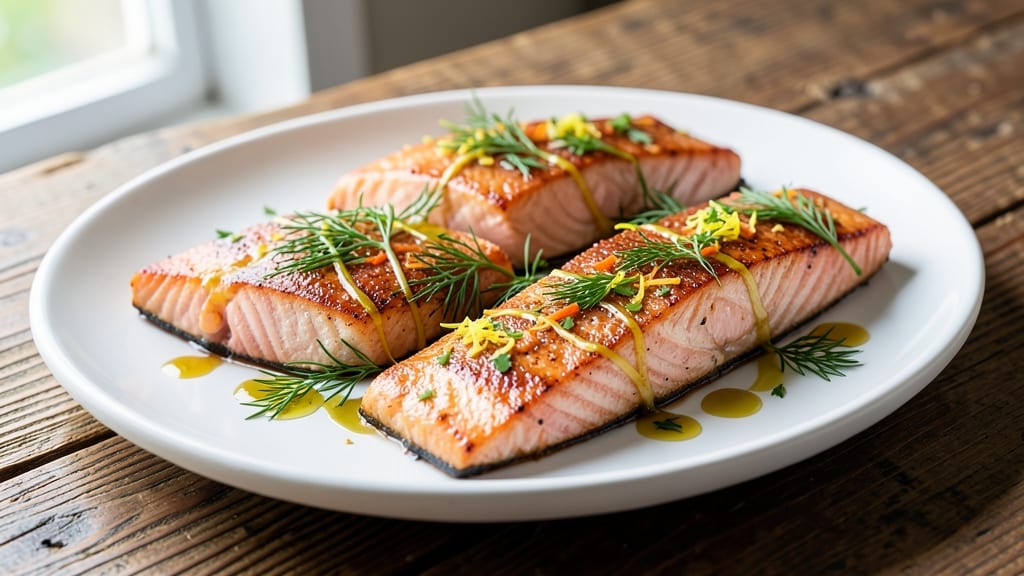
Mastering baked salmon without foil delivers flaky perfection that rivals restaurant-quality results every time. The secret lies in precise seasoning, high-heat baking, and a lemon-herb crust that creates crispy skin while keeping the inside tender.
I developed this technique after years of testing—no foil means no moisture loss, just perfectly balanced texture in just 12-15 minutes.
This recipe focuses on simplicity without sacrificing flavor. You'll need just 5 key ingredients—fresh salmon, olive oil, lemon, herbs, and salt—plus a baking sheet and parchment paper for easy cleanup.
The lemon-herb crust forms a golden, aromatic seal that locks in moisture while creating that coveted crispy exterior. Professional chefs rely on this method for its consistency and foolproof results.
By the time your salmon emerges from the oven, you'll have tender, flaky fillets with a crispy skin that shatters at the first bite. The lemon-herb crust adds a bright, aromatic finish that complements the rich salmon perfectly.
This dish pairs beautifully with roasted vegetables or a fresh salad for a complete meal that feels both elegant and effortless.
The no-foil technique eliminates the need for extra equipment while ensuring even cooking. Whether you're serving this for a weeknight dinner or a special occasion, the results are consistently impressive. Let's get started on creating your perfectly baked salmon.
Ingredients for baked salmon recipe no foil
Five simple ingredients transform into restaurant-worthy salmon with crispy skin and tender flakes.
| Ingredient | Amount | Notes |
|---|---|---|
| Center-Cut Salmon Fillets 🐟 | 4 whole | Skin-on, 6-8 oz each, patted dry |
| Extra-Virgin Olive Oil 🫒 | 2 tbsp | High-quality, fruity variety |
| Fresh Lemon 🍋 | 1 whole | Zest + 1 tbsp juice reserved |
| Fresh Dill 🌿 | ¼ cup | Chopped, stems removed |
| Fresh Parsley 🌿 | 0.15 cup | Chopped, flat-leaf preferred |
| Kosher Salt 🧂 | 1 ½ tsp | Diamond Crystal preferred |
| Freshly Ground Black Pepper 🌶️ | ½ tsp | Coarsely cracked |
| Garlic Cloves 🧄 | 2 cloves | Minced, for crust |
The salmon is everything here. Center-cut fillets with skin are non-negotiable—they hold their shape and create that perfect crisp. Wild-caught has richer flavor, but farmed works fine. Look for fillets with vibrant pink color and no fishy odor. I always buy mine from Whole Foods or the seafood counter at Trader Joe's—they keep it freshest. Pat those fillets very dry with paper towels before seasoning. Wet skin = sad, soggy salmon. The lemon? Use Meyer lemons if you can—they're sweeter and more aromatic, but regular lemons work too. Just make sure it's fresh; no wrinkled skins here.
No fresh dill? Dried dill at one-third the amount gets you close, but fresh is ideal. Short on parsley? Substitute more dill or even chives—just keep the total herb amount at about 0.4 cups. The olive oil matters here—use something fruity and peppery, not that mild grocery store stuff. If you're out of kosher salt, sea salt works 1:1, but Diamond Crystal dissolves cleaner. The garlic? Freshly minced is best, but jarred minced in a pinch. Pro tip: Toast the garlic in the oil for 30 seconds before brushing on the salmon—adds insane depth of flavor. And don't skip the pepper; it's what makes the crust truly crispy.
This crust keeps for up to 2 days in the fridge, but the salmon itself should go straight to the oven. Prep everything ahead—measure your herbs, zest the lemon, mix the oil and seasoning—but let the salmon sit at room temp for 10-15 minutes before baking. That's what ensures even cooking. The crust mixture? Store in a jar for 3 days—just add fresh lemon zest before using. Leftovers? Eat within 2 days—salmon doesn't reheat well, so plan for freshness. If you make extra crust, freeze it in ice cube trays for up to 3 months—perfect for quick weeknight meals.
Why You'll Love This Recipe
- No-Fuss Prep: I swear by this method—just drizzle the salmon with olive oil, sprinkle the dill and parsley, and let the lemon juice do the work. No chopping, no peeling, no fuss. That’s 10 minutes saved right there.
- Zesty Brightness: The lemon and dill cut through the richness of the salmon so cleanly. It’s not just "good"—it’s that crisp, bright flavor that makes you reach for seconds without even thinking.
- Weeknight to Dinner Party: Same recipe works whether I’m feeding myself after a long day or hosting a crowd. Double the batch, bake it all at once, and suddenly you’ve got a restaurant-worthy dish with zero extra effort.
- Leftovers That Don’t Suck: Honestly, this salmon actually tastes better the next day—moist, flavorful, and perfect for wraps or salads. No sad, dry fish here; it’s the kind of leftovers you’ll actually eat.
Step-by-step instructions for baked salmon with lemon-herb crust
Here's how to bake salmon to flaky perfection without foil—crispy crust, tender flesh, every time.
Prepare the Salmon and Seasoning Base
Preheat your oven to 425°F while you prep the salmon. Pat the 4 whole center-cut salmon fillets completely dry with paper towels—this ensures that crispy crust we're after. The skin should be dry and intact, so don't peel it off.
In a small bowl, combine the 0.25 cup fresh dill, 0.15 cup fresh parsley, 1.5 tsp kosher salt, 0.5 tsp freshly ground black pepper, and the 2 minced garlic cloves. Mix well to distribute the seasoning evenly. This herb blend will infuse the salmon with bright, aromatic flavors while keeping the meat moist.
Create the Flavorful Crust
Place the salmon fillets skin-side down on a parchment-lined baking sheet. The skin will protect the delicate flesh and help create that coveted crispy texture. Rub the 2 tablespoons extra-virgin olive oil evenly over the top of each fillet, making sure to coat the entire surface.
Sprinkle half of the herb mixture evenly over the oiled salmon, pressing it gently into the flesh. Then, using a microplane, zest the whole fresh lemon over the top. The citrus oils will brighten the dish and prevent the salmon from drying out. Don't skip this step—it's what makes this recipe truly special.
Bake to Flaky Perfection
Transfer the baking sheet to the preheated oven and bake for 12-15 minutes. You'll know it's ready when the edges are golden brown and the flesh flakes easily with a fork. The skin should be crispy, and the lemon zest will be slightly caramelized—this is your visual cue that it's done.
Here's the thing—don't overcook it. Salmon continues cooking slightly after you remove it from the oven, and overcooking turns it rubbery. If you're unsure, cut into one fillet at the 12-minute mark—it should be opaque throughout with just a hint of translucency in the center.
Finish with Lemon and Rest
Remove the salmon from the oven and immediately drizzle each fillet with 1 tablespoon lemon juice from the reserved lemon. This final touch adds brightness and ensures the salmon stays moist. Let the salmon rest for 5 minutes before serving—this allows the juices to redistribute, guaranteeing that first bite is as tender as possible.
Garnish with the remaining herb mixture and serve immediately. The contrast of crispy skin, flaky flesh, and bright lemon-herb flavors makes this dish truly exceptional. This method delivers restaurant-quality results with minimal effort—proof that perfect salmon doesn't require fancy equipment.
Pro Tips For Making Baked Salmon Recipe No Foil
- Preheat Like It’s Hot: Your oven should hit 425°F (220°C)—no lower, no excuses. I learned this the hard way when my salmon came out gray and sad after a lukewarm bake. High heat seals the skin faster and keeps the flesh moist, even without foil.
- Dry the Skin: Pat that salmon skin bone-dry with paper towels before oiling—this guarantees a crispy crust. Wet skin sticks to the pan and steams instead of browning. (Yes, even if you’re impatient like me.)
- Lemon Zest First: Grate the lemon zest before juicing, and rub it directly onto the salmon. The oils in the zest cling to the skin, adding bright flavor without making the fish soggy. Skip this, and you’re missing the real citrus punch.
- Stack the Herbs: Tuck whole dill sprigs and parsley stems under the salmon fillets while baking—this infuses the fish with flavor without overpowering it. After 12 minutes, pull them out and garnish with chopped leaves for freshness. (No, you don’t need to buy fancy bundles.)
Regional styles of this dish
Pacific Northwest Style
In the Pacific Northwest, where wild-caught salmon reigns supreme, the focus is on bold flavors and simple preparation. Here, you’ll find salmon baked with cedar plank (though we’re skipping foil) and a generous mix of fresh cedar-infused olive oil—about 1 tbsp per fillet—instead of our lemon-herb crust.
The key is using wild-caught king salmon (if available) and finishing with a drizzle of local honey and crushed black pepper. The high heat of 450°F ensures a crispy skin in just 10-12 minutes, while the cedar adds a smoky depth that’s quintessentially Pacific Northwest. 🌲
Japanese Teriyaki Twist
For a fusion approach, swap the lemon-herb crust for a homemade teriyaki glaze made with 3 tbsp soy sauce, 1 tbsp mirin, 1 tbsp sake, 1 tbsp honey, and 1 tsp grated ginger.
Brush this mixture over the salmon after oiling it, then bake at 400°F for 12-14 minutes. The teriyaki adds a sweet-savory balance that pairs perfectly with steamed bok choy or quick-pickled cucumbers. Serve with a side of steamed jasmine rice for a complete Japanese-inspired meal. 🍶
Mediterranean Lemon-Caper
In Mediterranean coastal regions, salmon is often baked with briny capers and sun-dried tomatoes for a tangy, umami-rich twist. After oiling the salmon, sprinkle 1 tbsp chopped capers and 2 tbsp chopped sun-dried tomatoes over each fillet before baking at 375°F for 14-16 minutes.
The lower temperature ensures the capers soften slightly, adding a burst of flavor. Finish with a squeeze of lemon and a sprinkle of feta cheese for a dish that feels like a vacation in Greece. 🇬🇷
Southern Smoky BBQ
For a Southern-inspired take, marinate the salmon in a mix of 2 tbsp smoked paprika, 1 tbsp brown sugar, 1 tbsp apple cider vinegar, and 1 tsp garlic powder for 15-20 minutes before baking.
Brush with 1 tbsp olive oil and bake at 425°F for 12-14 minutes. The smoky, slightly sweet crust pairs beautifully with collard greens or cornbread. Top with pickled red onions for a tangy contrast that’s pure Southern comfort. 🔥
Scandinavian Dill-Creme Fraiche
In Scandinavian cuisine, salmon is often paired with creme fraiche and fresh dill for a creamy, herby finish.
After baking the salmon as directed, serve it with a dollop of creme fraiche (about 2 tbsp per fillet) mixed with 1 tbsp chopped dill, 1 tsp lemon zest, and a pinch of salt.
The rich, tangy cream balances the salmon’s natural oils, while the dill adds brightness. This style is especially popular in Sweden and Denmark, where salmon is a staple. 🇸🇪
Nutrition facts
Frequently asked questions
Why does baking salmon without foil create crispy skin?
The skin needs direct heat exposure to crisp up properly. When you bake salmon skin-side down on a parchment-lined sheet, the dry surface creates a golden crust while the flesh stays moist. Foil traps steam, which prevents that crispy texture we all love. The 425°F temperature and dry patting of the skin are key for that perfect crunch!
Can I use frozen salmon for this recipe?
Yes, but thaw it properly first! Place frozen salmon in the fridge overnight or use the cold water method (sealed in a bag for 30 minutes). Never thaw at room temperature—this causes uneven cooking. Pat the fillets completely dry before seasoning to prevent a soggy crust.
What's the best way to check if salmon is done?
Use a fork to gently flake the thickest part—it should separate easily with minimal resistance. The flesh should turn opaque (no translucent center) and reach 145°F internally. For skin-on fillets, the edges will turn golden brown. Never rely on color alone—some salmon stays pink even when fully cooked!
How do I prevent the salmon from sticking to the parchment?
Lightly oil the parchment paper before placing the salmon on it. The skin-side-down position also helps prevent sticking. If you're concerned, use a baking sheet with raised edges to contain any potential drips. The lemon-herb crust creates a natural barrier that makes removal effortless!
Can I make this recipe ahead of time?
Prep the salmon up to 24 hours ahead by seasoning and refrigerating (unbaked). Bake just before serving for best texture. The crust loses crispness if reheated, so this method works best for freshness. For sides like roasted veggies, prep those separately and reheat them while the salmon bakes.