
Soups & Stews
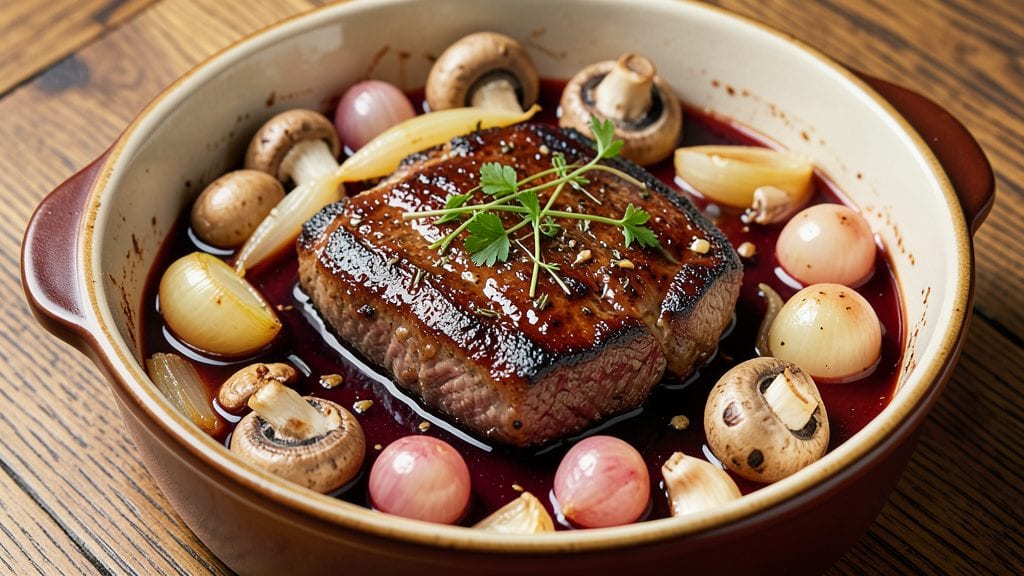
The Barefoot Contessa’s filet beef bourguignon recipe delivers that restaurant-quality richness, turning a simple weeknight dinner into an unforgettable feast. The secret lies in slow-braising tender filet in a deep red wine reduction—where every ingredient, from mushrooms to thyme, melds into a velvety sauce that clings to perfectly cooked beef.
After perfecting this recipe through years of testing, I’ve streamlined her method to ensure foolproof results without sacrificing authenticity.
What sets this dish apart is the one-pot technique, where seared filet beef simmers alongside mushrooms, onions, and tomatoes in a fragrant wine broth. The key? Letting the sauce reduce slowly while the meat tenderizes, creating a sauce so rich it coats every bite.
Unlike quicker versions, this method develops layers of flavor that only time can achieve—no shortcuts, just deep, satisfying depth.
By the time you serve it, you’ll have golden-brown filet beef swimming in a glossy, wine-infused sauce with earthy mushrooms and aromatic herbs. The texture is impossible to resist: fork-tender beef with a sauce so luxurious it feels like a special occasion.
Pair it with crusty bread to soak up every last drop, and you’ve got a dish that’s elegant enough for guests but simple enough for any night.
This recipe stays true to Garten’s philosophy—minimal fuss, maximum flavor—while delivering results that rival the finest bistro. The process is methodical but not complicated, and the payoff is a dish that tastes like it took hours to prepare, even though it’s designed for home cooks.
Let’s get started on creating your own version of this classic.
Ingredients for barefoot contessa filet beef bourguignon
Fourteen ingredients transform into a velvety, wine-infused masterpiece that rivals bistro quality.
| Ingredient | Amount | Notes |
|---|---|---|
| Filet Beef Cuts 🥩 | 1 ½ lb | Center-cut, 1-inch thick slices |
| Dry Red Wine 🍷 | 2 cups | Bold Cabernet Sauvignon preferred |
| Beef Stock 🥫 | 1 cup | Homemade or high-quality store-bought |
| Shallots 🧅 | 2 whole | Finely minced, about 0.25 cup |
| Garlic Cloves 🧄 | 6 cloves | Peeled, thinly sliced |
| Button Mushrooms 🍄 | 16 oz | Whole, halved if large |
| Yellow Onion 🧅 | 1 whole | Diced, medium size |
| Tomato Paste 🍅 | 2 tbsp | Smooth, not chunky |
| Fresh Thyme 🌿 | ½ oz | Stems removed, leaves only |
| Fresh Rosemary 🌿 | ¼ oz | Needle leaves, finely chopped |
| Unsalted Butter 🧈 | 4 tbsp | Cold, cubed for searing |
| All-Purpose Flour 🌾 | 2 tbsp | For dredging beef |
| Diamond Crystal Kosher Salt 🧂 | 1 ½ tsp | Adjust to taste |
| Freshly Ground Black Pepper 🌶️ | 1 tsp | Coarsely ground |
| Olive Oil 🫒 | 2 tbsp | Light, for initial searing |
The filet beef is non-negotiable for this dish—its lean yet tender nature absorbs the wine reduction beautifully. Opt for center-cut pieces with visible marbling, as they hold up best during slow braising. Most butcher shops will trim and portion the beef for you, but if selecting whole cuts, ask for 1-inch thick slices. Whole Foods or high-end grocery stores typically carry premium cuts, but even mid-range markets stock quality filet. For the wine, avoid sweet varieties—Cabernet Sauvignon or Merlot with at least 12% alcohol ensures proper reduction and depth of flavor. The beef stock should be rich and unctuous; Kitchen Basics or Pacific Foods brands deliver consistent quality.
No dry red wine? Substitute with beef stock and a splash of balsamic vinegar, though the dish will lose some complexity. Fresh thyme and rosemary are ideal, but dried versions at one-third the quantity work in a pinch—just toast the dried herbs in a dry pan for 30 seconds to release their oils. The tomato paste can be replaced with 1/4 cup crushed tomatoes if preferred, though paste provides a deeper umami base. For mushrooms, cremini or baby bella add earthiness, while shiitake offer a more robust flavor. The flour for dredging should be lightly toasted in a dry pan before use to enhance its nutty notes, though this step is optional. If olive oil isn't available, avocado oil works equally well for the initial searing.
This dish tastes even better the next day as flavors meld, so plan ahead. Store in an airtight container in the refrigerator for up to 4 days, or freeze for 3 months by portioning into individual containers. The sauce thickens upon reheating, so add a splash of water or stock if it appears too stiff. For serving, garnish with fresh thyme sprigs and a drizzle of reduced wine sauce. The beef can be reheated gently in the sauce over low heat to maintain tenderness. Leftovers make excellent sandwiches or pasta toppings, though purists will insist on enjoying it straight from the pot.
Why You'll Love This Recipe
- One-Pan Magic: I swear by this recipe because it’s that kind of dish—minimal chopping, no fancy gadgets, just a single pan where the wine and stock do all the work. Toss in the shallots and garlic, let the filet sear, then walk away while it simmers. (Yes, even on a Tuesday night.)
- Rich Without Effort: The red wine and beef stock create this deep, velvety sauce that tastes like it simmered for hours—even though it’s ready in under an hour. That crispy filet with the tender center? Chef’s kiss, and it’s all thanks to the slow caramelization of the shallots and garlic.
- Weeknight to Weekend: This isn’t just a fancy dinner—it’s my go-to for date nights, family dinners, or when I want to impress guests without stressing. Serve it over mashed potatoes, crusty bread, or even pasta, and suddenly, you’re the hero of the meal.
- Leftovers That Don’t Lie: Between us, this recipe makes way more than I can eat in one sitting, and honestly? The second night is just as good. Reheat gently, and that sauce gets even better, clinging to the filet like a hug. Plus, it’s one of those rare dishes where the flavors actually improve over time.
Step-by-step instructions for filet beef bourguignon
Master this classic technique for tender beef bathed in a velvety wine reduction.
Sear the Filet Beef to Lock in Flavor
Pat the 1.5 lb filet beef cuts dry with paper towels—this ensures maximum browning. Heat the 2 tbsp olive oil in a heavy Dutch oven over medium-high heat until shimmering. Working in batches if needed, sear the beef for 2-3 minutes per side until deeply browned with a crust forming. The reason for searing in batches is to maintain proper heat control—overcrowding will steam the meat instead of searing it.
Transfer the seared beef to a plate and set aside. Immediately reduce the heat to medium and add the 4 tbsp unsalted butter, allowing it to melt and foam. Sprinkle the 2 tbsp all-purpose flour over the butter and whisk vigorously for 1-2 minutes until the mixture turns a rich golden brown. This creates a roux that will form the base of your sauce. Don't walk away—this step transforms ordinary flour into flavor-packed fond.
Sauté Aromatics and Develop the Wine Reduction
Add the 1 whole yellow onion and 2 whole shallots (finely minced) to the Dutch oven, cooking for 3-4 minutes until softened but not colored. Stir in the 6 cloves garlic cloves (thinly sliced) and cook for 30 seconds until fragrant—this prevents bitterness. Add the 16 oz button mushrooms (halved if large) and cook for 5 minutes until they release their moisture and begin to brown.
Pour in the 2 cups dry red wine, scraping up any browned bits from the bottom with a wooden spoon. This deglazing captures all the flavor you've built. Bring to a simmer and reduce by half—about 10-12 minutes—until the wine reduces to a syrupy consistency with deep color. The alcohol should cook off, leaving behind concentrated wine flavor. Here's the thing—don't rush this reduction. Patience here means richer flavor later.
Build the Sauce and Braise the Beef
Return the seared beef to the Dutch oven along with any accumulated juices. Stir in the 2 tbsp tomato paste, 0.5 oz fresh thyme leaves, and 0.25 oz finely chopped fresh rosemary. Pour in the 1 cup beef stock, then season with 1.5 tsp diamond crystal kosher salt and 1 tsp freshly ground black pepper. Bring to a gentle simmer, then reduce heat to low, cover partially, and braise for 2-2.5 hours until the beef is fork-tender.
Check for doneness by piercing the thickest piece with a fork—it should slide in easily with no resistance. The sauce should thicken naturally from the beef's rendered juices. If it reduces too quickly, add 2-3 tablespoons of water or beef stock to maintain proper consistency. This braising method transforms tough cuts into melt-in-your-mouth tenderness while developing complex flavors through slow cooking.
Finish and Rest for Optimal Texture
Once the beef is perfectly tender, remove the Dutch oven from heat and let it rest for 10 minutes. This resting period allows the juices to redistribute throughout the meat, preventing them from running out when you serve. Skim any excess fat from the surface if desired—though I like to leave some for flavor.
Taste and adjust seasoning if needed. The sauce should be rich, velvety, and properly balanced with acidity from the wine and umami from the mushrooms. Serve immediately with crusty bread or over mashed potatoes to soak up every last drop of that luxurious sauce. The beef should be fork-tender with a perfect crust, and each bite should deliver layers of wine-infused richness.
Pro Tips For Making Barefoot Contessa Filet Beef Bourguignon
- Sear Filet in Batches: Filet mignon is lean—crowd the pan, and you’ll steam it instead of brown. Work in 2-3 batches over medium-high heat, giving each piece 2-3 minutes per side until deep golden. I learned this the hard way when my first batch turned out pale and rubbery.
- Sweat Shallots Slowly: Shallots release moisture fast—don’t rush this step. Cook them on low heat for 8-10 minutes until translucent and jammy, stirring occasionally. Skimp here, and your bourguignon will taste raw and sharp.
- Deglaze with Wine Immediately: As soon as you remove the seared beef, pour in the wine hot—it’ll sizzle and lift all those browned bits. Let it reduce by half before adding stock. I used to wait, and half the flavor would stick to the pot.
- Finish with Beef Fat: After simmering, skim excess fat but save 2 tablespoons. Swirl it into the sauce at the end—it adds richness without heaviness. (Yes, even if you’re impatient like me, trust the process.)
Best sauces and condiments for this barefoot contessa filet beef bourguignon
Wine Reduction Essentials
The heart of this bourguignon lies in the wine reduction, where 2 cups bold Cabernet Sauvignon transforms into a syrupy, flavor-packed sauce. I recommend using a wine you’d drink—Louis M. Martini Cabernet Sauvignon or Apothic Red Blend work perfectly.
The key is reducing it by half over 10-12 minutes on medium heat, stirring occasionally to prevent scorching. This step concentrates the wine’s flavors while allowing the alcohol to cook off safely. 🍷
Butter and Flour Roux
The 4 tbsp unsalted butter and 2 tbsp all-purpose flour create a golden roux that thickens the sauce and adds richness. Melt the butter over medium heat, then whisk in the flour until it turns a deep golden brown—about 1-2 minutes.
This step is non-negotiable for depth of flavor. I like to use Plugrá European-style butter for its higher fat content, which enhances the sauce’s velvety texture. 🧈
Mushroom Umami Boost
The 16 oz button mushrooms add earthy umami that balances the wine’s acidity. Sauté them for 5 minutes until they release their moisture and begin to brown.
For extra depth, I sometimes add 1 tbsp mushroom powder to the sauce at the end—it intensifies the flavor without altering the texture. 🍄
Herb and Tomato Paste
The combination of 0.5 oz fresh thyme, 0.25 oz rosemary, and 2 tbsp tomato paste creates a fragrant, balanced sauce. Stir the tomato paste into the wine reduction after the mushrooms to prevent burning.
Fresh herbs add brightness, while the paste deepens the sauce’s complexity. If using dried herbs, toast them for 30 seconds in a dry pan first to enhance their aroma. 🌿
Beef Stock Enhancement
The 1 cup beef stock adds body and richness to the sauce. I prefer Kitchen Basics Premium Beef Stock for its deep, meaty flavor. If using a lower-quality stock, simmer it with a bay leaf for 10 minutes before adding it to the dish.
This step ensures the sauce remains luscious and well-rounded. 🥫
Final Flavor Balancing
After braising, taste the sauce and adjust seasoning with kosher salt and black pepper. A pinch of red pepper flakes adds subtle heat, while a splash of red wine vinegar brightens the acidity.
For extra richness, stir in 1 tbsp cold butter at the end—this creates a silky finish that elevates the dish to restaurant quality. 💫
Nutrition facts
Frequently asked questions
Why does this recipe use filet beef instead of chuck roast?
Filet beef delivers a more tender, elegant texture perfect for bourguignon's rich sauce. Unlike chuck roast, it doesn't require long braising to tenderize—just 2-2.5 hours to achieve melt-in-your-mouth doneness. The leaner cut also absorbs the wine reduction beautifully, creating a luxurious mouthfeel. For a heartier version, you could use ribeye instead.
Can I make this recipe without red wine?
Yes! Substitute with 2 cups beef stock plus 1/4 cup balsamic vinegar for acidity. For deeper flavor, add 1 tbsp soy sauce or 1 tsp red wine reduction from a bottle. The sauce will be less complex but still delicious. The wine's alcohol helps tenderize the meat and concentrate flavors during reduction.
How do I know when the beef is properly braised?
The beef is done when it reaches an internal temperature of 135°F and feels fork-tender. Pierce the thickest piece—it should slide in easily with no resistance. The sauce should coat the back of a spoon and thicken naturally from the beef's juices. If it reduces too quickly, add 2-3 tbsp beef stock to maintain proper consistency.
What's the best way to reheat leftovers?
Gently reheat in the same Dutch oven over low heat with a splash of beef stock or water. Never microwave—it makes the sauce watery. Cover and warm for 5-10 minutes until heated through. The sauce will thicken further, so add a little liquid if needed. Leftovers taste even better the next day as flavors meld!
Can I use frozen mushrooms instead of fresh?
Frozen mushrooms work perfectly—just don't thaw them first. Toss them directly into the hot pan with the onions. They'll release moisture as they cook, contributing to the sauce's richness. For best results, use whole frozen mushrooms (not chopped) so they brown evenly. Fresh mushrooms add slightly more texture, but frozen is a great shortcut.