
Soups & Stews
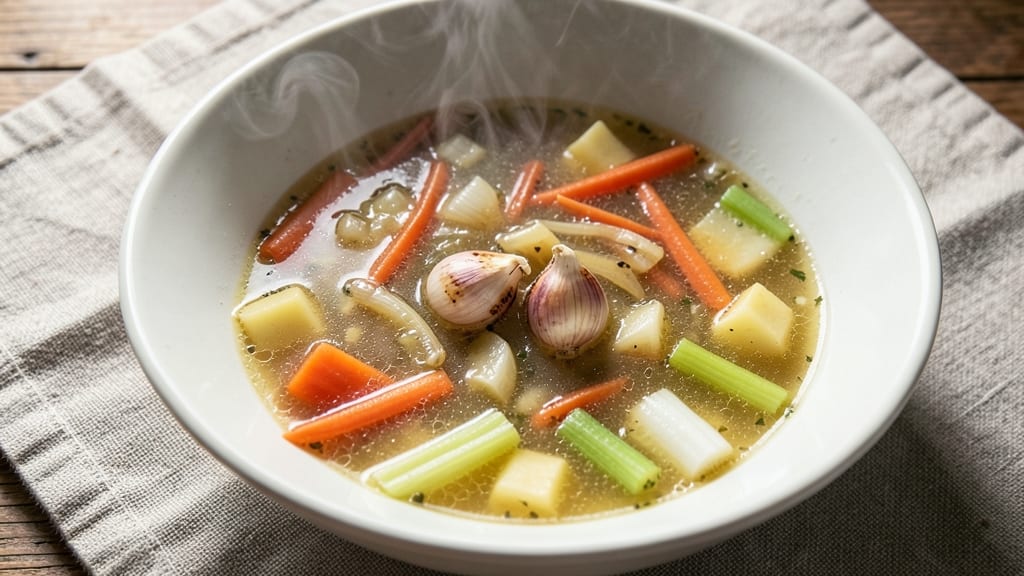
A basic broth soup recipe built from pantry staples proves that comfort food doesn't require complicated ingredients or hours in the kitchen. This one-pot method transforms simple vegetables, aromatics, and protein into a deeply satisfying bowl of soup that's ready in under an hour.
The beauty lies in its adaptability—swap ingredients based on what you have, and you'll always end up with something hearty and nourishing.
What sets this recipe apart is its foolproof technique: start with a flavorful broth base (homemade or store-bought) and build layers of taste through sautéed vegetables and aromatics. The key is balancing saltiness, acidity, and umami to create a broth that's rich without being heavy.
Whether you're using chicken, vegetable, or beef broth, the foundation is what makes this soup truly special.
By the time you're done, you'll have a one-pot soup with tender vegetables, perfectly cooked protein, and a broth that's aromatic and deeply flavorful. The best part? It's a recipe that scales effortlessly—double it for a crowd or halve it for a single serving.
This is the kind of meal that warms you up from the inside out, no matter the season.
Serve it as-is for simplicity, or garnish with fresh herbs, a drizzle of olive oil, or a sprinkle of cheese for added depth. The possibilities are endless, but the core method remains the same: simple, satisfying, and always delicious.
Ingredients for basic broth soup
Simple ingredients, one pot, deeply satisfying broth-based comfort in under an hour.
| Ingredient | Amount | Notes |
|---|---|---|
| Chicken Broth 🍲 | 4 cups | Homemade or high-quality store-bought |
| Yellow Onion 🧅 | 1 whole | Diced, medium size preferred |
| Carrots 🥕 | 2 medium | Peeled, sliced into rounds |
| Celery Stalks 🧅 | 2 whole | Diced, including leaves if fresh |
| Garlic Cloves 🧄 | 3 cloves | Minced, fresh preferred |
| Potatoes 🥔 | 2 medium | Yukon gold, cubed evenly |
| Chicken Breast 🍗 | 1 ½ lb | Boneless, skinless, cut into bite-sized pieces |
| Olive Oil 🫒 | 2 tbsp | Extra-virgin for richness |
| Salt 🧂 | 1 ½ tsp | Diamond Crystal kosher preferred |
| Black Pepper 🌶️ | ½ tsp | Freshly ground for best flavor |
| Bay Leaves 🌿 | 2 whole | Dried, removed before serving |
| Fresh Thyme 🌿 | ¼ cup | Chopped, stems removed |
| Lemon Juice 🍋 | 1 tbsp | Freshly squeezed for brightness |
The broth is your foundation—homemade is ideal, but quality store-bought works beautifully. Look for low-sodium options at Whole Foods or Trader Joe's to control seasoning. The chicken broth should be clear with deep color, not cloudy or overly salty. For extra richness, reserve some broth from roasted chicken. Carrots and celery should be firm with bright, vibrant color—avoid any with soft spots or wilting. The potatoes? Yukon golds are perfect—they hold their shape while soaking up flavor. If you can't find them, russets work fine but may turn slightly mushy.
No fresh thyme? Dried works at one-third the amount, but it lacks that bright herbal note. Substituting beef broth for chicken? Add a splash of soy sauce or Worcestershire for umami depth. The lemon juice is non-negotiable—it brightens the entire dish. Short on time? Pre-chopped frozen vegetables save prep work without sacrificing texture. For the chicken, thighs instead of breast stay juicier during longer cooking. The bay leaves? Always remove them before serving—they're bitter if left in too long.
This soup reheats beautifully—simmer gently to prevent skin from forming. Store in an airtight container for 5 days in the fridge or freeze for 3 months. Portion into individual containers for easy lunches. The flavor actually improves overnight as the broth melds. For extra depth, stir in a dollop of Greek yogurt or crème fraîche before serving. Garnish with fresh herbs or a drizzle of olive oil for restaurant-quality presentation.
Why You'll Love This Recipe
- Pantry Magic: I swear by this one—no fancy ingredients, just onions, carrots, and celery simmering in broth until they melt into flavor. The kind of magic that makes you question why you ever bought takeout.
- Savory Simplicity: That first sip? Pure umami from the garlic and carrot sweetness cutting through the broth. It’s the kind of taste that makes you pause mid-slurp and think, “Wait, is this that good?”
- Weeknight Workhorse: I make this when I’m tired, when I’m busy, or when I need to feed a crowd without stress. Double the batch, freeze half—it’s my go-to when life gets loud.
- Budget Warmth: Five ingredients, zero guilt. This soup costs me pennies per serving and still feels like a hug in a bowl. Honestly, it’s the kind of meal that makes you feel like you’ve won at cooking.
Step-by-step instructions for basic broth soup
This method delivers a rich, flavorful soup using just one pot and pantry staples.
Sauté the Aromatic Base
Heat the 2 tablespoons olive oil in a large, heavy-bottomed pot over medium heat. Add the 1 whole yellow onion, 2 medium carrots, and 2 whole celery stalks, all diced to uniform ¼-inch pieces. Cook for 5-6 minutes until the vegetables soften and release their juices, stirring occasionally to prevent browning.
Add the 3 minced garlic cloves and continue cooking for 30 seconds until fragrant—this is when the garlic will release its signature aroma and mellow its sharpness. The base should look glossy from the rendered juices, indicating proper moisture release. This foundational step builds the soup's depth of flavor through the Maillard reaction and caramelization of the vegetables.
Build the Broth Foundation
Pour in the 4 cups chicken broth and bring the mixture to a gentle boil over medium-high heat. Once boiling, reduce the heat to low and add the 2 medium Yukon gold potatoes, cubed into ½-inch pieces. Stir gently to submerge the potatoes completely in the broth.
Simmer uncovered for 10 minutes until the potatoes begin to soften at the edges but remain slightly firm in the center. This stage ensures the potatoes absorb the broth's flavors while maintaining their structural integrity. If the broth level drops significantly, add ¼ cup water to maintain consistency. The soup should now have a cohesive, aromatic base ready for the next layer of ingredients.
Incorporate Protein and Herbs
Add the 1.5 lb chicken breast, cut into 1-inch bite-sized pieces, along with the 1.5 teaspoons salt, 0.5 teaspoon black pepper, 2 whole bay leaves, and 0.25 cup chopped fresh thyme. Stir gently to distribute the seasonings evenly. The chicken should float just below the surface of the broth.
Return the soup to a simmer over medium-low heat and cook for 15-20 minutes, or until the chicken reaches an internal temperature of 165°F. The broth will gradually reduce slightly, intensifying its flavor. Taste the broth at this stage—it should be seasoned but not overly salty. If needed, adjust the seasoning with additional salt or a splash of 1 tablespoon lemon juice for brightness. The chicken should be fully cooked but still tender, not dry.
Finish and Rest for Optimal Flavor
Remove the pot from heat and let the soup rest for 5 minutes, covered. This resting period allows the chicken to reabsorb any juices that may have escaped during cooking, ensuring each bite remains moist and flavorful. Use a slotted spoon to transfer the chicken to a plate, then shred it into bite-sized pieces before returning it to the pot.
Stir the shredded chicken back into the soup and add the 1 tablespoon lemon juice, which brightens the overall flavor profile. Remove and discard the 2 bay leaves before serving. The soup is now ready to be enjoyed immediately, with the broth richly infused with the aromatics, herbs, and chicken. For best results, serve warm with crusty bread or over rice.
Pro Tips For Making Basic Broth Soup
- Sweat the Aromatics: Don’t just chop and toss—cook the onion, celery, and carrots in a dry pot for 5 minutes with the heat on medium-high. This caramelizes their sugars before adding broth, giving your soup depth that just raw sautéing can’t match. (Yes, it’ll look like you’re burning them at first—you’re not.)
- Cut Celery in Half: Skip the tiny dice—slice celery stalks into 1-inch chunks instead. They’ll soften faster and release more flavor into the broth without turning to mush. Onions should be quartered, not minced, so they don’t disappear into the soup.
- Salt the Broth First: Taste your chicken broth before adding it to the pot. If it’s bland, season it now with ½ teaspoon salt per cup—you’ll never overdo it later. I learned this the hard way after making a soup that tasted like water no matter how much salt I added at the end.
- Add Garlic Late: Crush the cloves with the flat side of your knife (no need to mince) and toss them in during the last 5 minutes of simmering. This keeps them bright and aromatic instead of bitter. (Pro move: Sauté them in the pot for 30 seconds after adding—it makes all the difference.)
Make-ahead tips for leftovers
Broth Prep Ahead
Make your broth the night before for maximum flavor development. Simmer 4 cups chicken broth with 2 bay leaves and 1 sprig fresh thyme for 20 minutes—this intensifies the umami depth.
Store in an airtight container in the fridge for up to 3 days or freeze for 3 months. I like to double the batch and use half for this soup, saving the rest for future meals. 💫
Vegetable Prep Shortcuts
Chop all vegetables the day before and store in separate ziplock bags in the fridge. The onion, carrots, and celery will keep well for 4-5 days this way. For even faster prep, use frozen diced vegetables—they're pre-chopped and ready to go.
Just thaw overnight in the fridge before using. This cuts your active prep time from 20 minutes to just 5 minutes. ✨
Protein Prep Options
For the chicken, you have two great options: either cut it into pieces right before cooking or partially cook it ahead. I recommend par-cooking the chicken—simmer the pieces in 1 cup broth for 8 minutes until just done, then chill.
Store in the fridge for up to 2 days and finish cooking in the soup. This ensures juicy chicken every time without overcooking. 🍗
Fully Assembled Soup
Assemble the entire soup (except lemon juice) up to 2 days ahead and refrigerate. When ready to serve, simply reheat over medium-low heat for 10-15 minutes, stirring occasionally. Add the lemon juice at the end to maintain its bright flavor.
The broth will taste even more concentrated and flavorful after resting. For freezing, cool completely before transferring to freezer-safe containers with 1-inch headspace. 🥣
Freezer-Friendly Tips
If freezing, portion the soup into individual meal-sized containers for easy reheating. Label with the date and reheat directly from frozen—just add ¼ cup water per container to prevent drying out.
I find the texture holds up beautifully after freezing, though the potatoes may soften slightly. For best results, consume within 3 months for optimal flavor and texture. ❄️
Garnish Prep
Prep your garnishes ahead too! Chop fresh herbs like parsley or thyme and store in a small container with a damp paper towel. Keep them refrigerated until serving.
For a quick garnish, toast 1 tbsp breadcrumbs with ½ tsp garlic powder in a dry pan for 2 minutes—store in an airtight container. These ready-to-use garnishes elevate your soup with minimal effort. 🌿
Nutrition facts
Frequently asked questions
Can I use store-bought broth instead of homemade?
Quality matters more than homemade. Look for low-sodium options (like Whole Foods or Trader Joe's brands) to control seasoning. Avoid broths with artificial flavors or preservatives—they’ll make your soup taste flat. For extra depth, simmer your store-bought broth with a bay leaf and sprig of thyme for 10 minutes before using.
What if I don’t have fresh thyme?
Use dried thyme at one-third the amount (so 1/8 cup instead of 1/4 cup). For a different flavor, swap in 1/2 teaspoon dried rosemary or 1/4 teaspoon dried oregano. Fresh herbs add brightness, but dried works in a pinch—just don’t overdo it.
How do I fix bland-tasting broth?
Bland broth usually means insufficient seasoning or overcooking. First, add a splash of lemon juice or rice vinegar for acidity. Then, boost umami with 1/2 teaspoon soy sauce or a pinch of MSG (if you have it). For depth, simmer in a crushed garlic clove or chicken bouillon cube for 5 minutes. Never add salt late—it won’t dissolve properly.
Can I make this soup vegetarian?
Yes! Swap the chicken for firm tofu (pressed and cubed), mushrooms (like shiitake or cremini), or chickpeas. Use vegetable broth instead of chicken broth, and add 1/2 teaspoon smoked paprika for depth. For protein, consider tempeh or lentils. The method stays the same—just adjust cooking times for denser ingredients.
Why did my potatoes turn mushy?
Mushy potatoes usually mean overcooking or cutting them too small. Stick to ½-inch cubes and simmer for 10 minutes max before adding chicken. If using russet potatoes, reduce cooking time to 8 minutes—they break down faster. For extra insurance, parboil the potatoes for 3 minutes before adding them to the soup.