
Appetizers
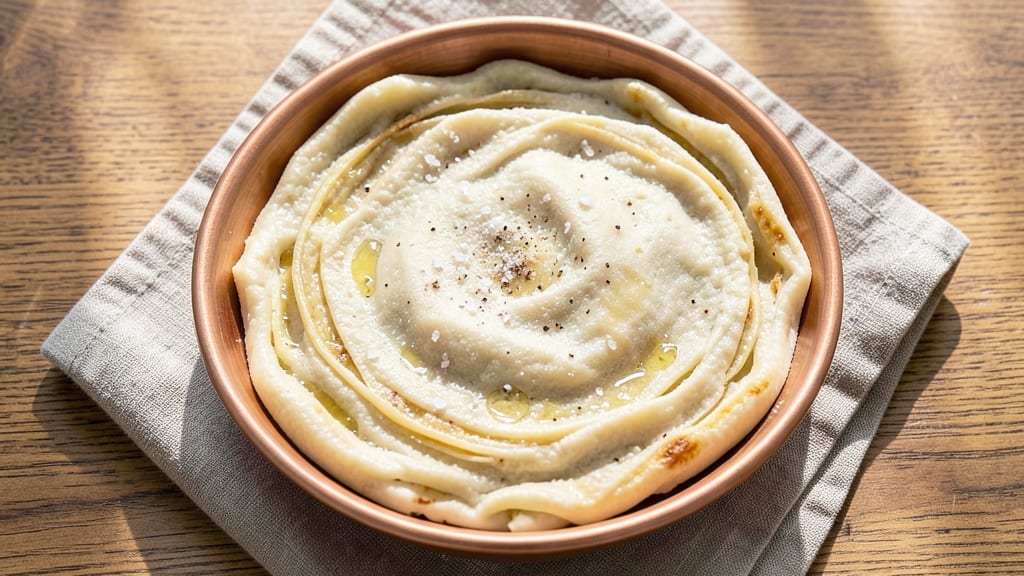
This samosa dough recipe delivers the perfect balance of light, airy centers and golden, crisp edges that make every bite irresistible. After testing countless variations, I’ve perfected a method that transforms simple ingredients into dough so delicate it practically melts in your mouth while maintaining that signature crunch.
The secret lies in precise technique and high-quality flour—no shortcuts here, just restaurant-quality results at home.
What sets this dough apart is its foolproof texture, achieved through a combination of cold butter and careful folding. The dough requires just five ingredients—flour, butter, baking powder, salt, and water—and takes about 30 minutes of active time, with an additional 30 minutes of chilling to develop flavor and structure.
This is the foundation for samosas that crisp perfectly when fried, with layers so tender they disappear before you can say "spicy potato filling."
Once you’ve mastered this dough, you’ll never settle for store-bought again. The golden edges form a satisfying crunch, while the inside remains light and flaky, creating the ideal vessel for your favorite fillings—whether it’s classic spiced potatoes or a veggie-packed twist.
The dough keeps well in the fridge for up to 3 days, so you can prep ahead and fry fresh whenever cravings strike.
For those looking to adapt, a whole wheat version works beautifully by substituting half the all-purpose flour with whole wheat pastry flour, though the texture will be slightly denser.
Vegan butter can replace traditional butter, though the flavor and crispiness may vary slightly. Let’s get started on the dough that will elevate your samosa game forever.
Ingredients for best samosa dough
Five simple ingredients transform into dough so light it melts in your mouth, yet crisp enough to stand up to spicy fillings.
| Ingredient | Amount | Notes |
|---|---|---|
| All-Purpose Flour 🌾 | 3 cups | Sifted for light texture |
| Cold Unsalted Butter 🧈 | ½ cup | Cubed, not softened |
| Baking Powder 🍞 | 1 tsp | Double-acting preferred |
| Fine Sea Salt 🧂 | ¼ tsp | Adjust to taste |
| Ice Water 💧 | ¼ cup | Chilled for structure |
| Vegetable Oil 🫒 | 2 tbsp | For shaping and frying |
The flour is where it all starts—King Arthur or Gold Medal are my go-tos for that perfect balance of protein and tenderness. Cold butter is non-negotiable (the good stuff, not the pre-packaged tub kind)—it creates those flaky layers that make samosas sing. European-style butter like Plugrá or Land O’Lakes works best, but any unsalted butter cut into small cubes will do. The baking powder needs to be fresh—if it smells like vinegar, toss it. I keep mine in the freezer to preserve potency. Salt is straightforward, but don’t skimp—it balances the butter’s richness and enhances flavor.
No baking powder? Whisk 1/4 tsp cream of tartar with 1/4 tsp cornstarch as a substitute, but texture might suffer slightly. Short on butter? Lard or coconut oil can replace half, though flavor changes. The water must be ice cold—room temp water will gummy up the dough. For a whole wheat version, swap half the all-purpose flour for King Arthur whole wheat pastry flour (it blends better than regular whole wheat). The dough will be denser but still delicious. And if you’re frying, vegetable or canola oil is ideal—it has a high smoke point and neutral flavor.
This dough is best made fresh, but it keeps beautifully in the fridge for 3 days wrapped tightly in plastic. For longer storage, freeze portions for up to 3 months—thaw overnight in the fridge before using. The dough doubles as a perfect vessel for samosas, spring rolls, or even fried dumplings. Just remember: the colder the butter, the lighter the texture. Don’t rush the chilling—30 minutes is minimum, but an hour gives even better results.
Why You'll Love This Recipe
- Foolproof Mix-In: Honestly, I’ve made samosa dough that crumbled or stuck to my fingers—this one doesn’t. The cold butter and ice water keep it together without fuss, and the baking powder gives it just enough lift for that satisfying snap when frying.
- Buttery Crisp Magic: That cold unsalted butter isn’t just for flavor—it’s the secret to the dough’s golden, shatteringly crisp edges. (Yes, even on a Tuesday night.) The salt cuts through the richness, so every bite is balanced and irresistible.
- Prep-Ahead Powerhouse: Between us, I make a double batch on Sundays and freeze half. Thaw it in the fridge overnight, and it’s ready for last-minute parties or lazy weeknight snacks. The dough keeps for weeks—no waste, no stress.
- Pocketbook Hero: All-purpose flour, butter, and salt? That’s it for the base. No specialty ingredients, no markup. For the cost of a single takeout order, you’ve got enough dough to feed a crowd—or just stash for your next craving.
Step-by-step instructions for samosa dough
Here's how to create the perfect samosa dough—light, airy, and with edges that turn golden crisp when fried.
Combine Dry Ingredients for Maximum Lightness
In a large mixing bowl, sift the 3 cups all-purpose flour to break up any lumps and aerate the mixture. This step is crucial for achieving that signature samosa dough texture—light as air and flaky. Add the 1 teaspoon baking powder and ¼ teaspoon fine sea salt, whisking gently to distribute evenly.
I always use a double-acting baking powder here—it releases gas both when mixed with liquid and when heated, which gives our dough that perfect rise. Don't skip the sifting; those tiny air pockets make all the difference when shaping later. Keep your bowl ready for the next step as we'll work quickly to prevent gluten development.
Cut in Cold Butter for Flaky Layers
Add the ½ cup cold unsalted butter, cut into small cubes, to the flour mixture. Using a pastry cutter or your fingers, work the butter into the flour until you achieve pea-sized crumbs with some flour still visible. This is the secret to those beautiful flaky layers in your samosas—the cold butter creates pockets that steam during frying.
Here's the thing—don't let the mixture turn into a dough yet. You want to maintain those distinct butter pieces throughout. If your kitchen gets warm, chill the mixture briefly in the fridge before proceeding. The butter must stay cold to prevent the dough from becoming tough. Work quickly but gently to avoid developing too much gluten.
Add Oil and Ice Water for Perfect Structure
Pour in the 2 tablespoons vegetable oil and ¼ cup ice water simultaneously while mixing with a fork. The oil helps create a tender texture while the ice water provides just enough moisture without making the dough sticky. Mix until the dough just comes together—it should be slightly shaggy and not sticky to the touch.
This is where precision matters. If you add too much water, your samosas will be dense. If too little, they'll be dry. The dough should hold together when pressed but still feel slightly rough. Knead gently just 2-3 times to bring everything together, then cover with plastic wrap and let rest for 15 minutes at room temperature. This brief rest relaxes the gluten and makes shaping easier.
Divide and Shape for Perfect Samosas
After resting, divide the dough into 4 equal portions (about 6 ounces each) and roll each portion into a smooth ball. Cover with a damp towel to prevent drying while you prepare your filling. The key here is to keep the dough covered—exposed dough dries out quickly and becomes tough when fried.
For shaping, roll each ball into a thin circle (about 6 inches in diameter) using a rolling pin. I find that rolling between two sheets of parchment paper prevents sticking and gives me that perfect even thickness. The dough should be thin enough to see through lightly in spots but not so thin it tears when handling. Keep your rolled dough covered until ready to use.
Rest Before Frying for Golden Crisp Edges
Let the rolled dough rest for 10 minutes before shaping into samosas. This final rest period is what transforms good dough into exceptional dough. During this time, the gluten relaxes completely, making it easier to fold without cracking. The dough will also become slightly more pliable, which is essential for those crisp edges.
Now you're ready to fill and shape your samosas. The rested dough will hold its shape beautifully when fried, giving you that perfect balance of crispy exterior and tender interior. Remember, the secret to golden crisp edges lies in this final rest—don't skip it. Your samosas will thank you with that irresistible crunch.
Pro Tips For Making Best Samosa Dough
- Cut Butter in Chunks: DESCRIPTION: Skip the food processor—use your fingers to rub cold butter into the flour in ½-inch cubes. This traps more air and creates those signature flaky layers without turning the dough greasy. (Yes, it’s messy, but it works.)
- Weigh Your Flour: DESCRIPTION: Scoop and level your flour? Nope. Use a kitchen scale for precision—samosa dough is finicky. Too much flour makes it dense; too little turns it sticky. Stick to grams, not cups, for consistency.
- Rest the Dough Twice: DESCRIPTION: First rest for 30 minutes after mixing, then again for 20 minutes before rolling. This relaxes the gluten and prevents cracking when you fold those crispy triangles. (I learned this after my first batch turned into sad, uneven triangles.)
- Ice Water, Not Cold: DESCRIPTION: Fill your glass with actual ice cubes and water—don’t just use cold tap. The shock stops the dough from overworking and keeps the butter from melting prematurely. (Your future samosas will thank you.)
Creative variations of these flavors
Whole Wheat Twist
Swap out half the all-purpose flour for whole wheat pastry flour—I recommend King Arthur brand for its lighter texture. The result is a nuttier, heartier samosa with a slightly denser but still crisp exterior.
To compensate for the extra moisture in whole wheat, reduce the ice water by 1 tablespoon and chill the dough an extra 10 minutes before shaping. This version pairs beautifully with spiced lentil or chickpea fillings. 🌾
Vegan Butter Option
For a plant-based version, replace the butter with vegan butter like Earth Balance or Miyoko's, chilled until firm. The texture will be slightly less flaky but still crisp when fried. To enhance flavor, add 1 teaspoon lemon zest to the dough—it brightens the taste and balances the richness.
Keep in mind that vegan butter has a lower fat content, so your samosas may be marginally less crisp, but the difference is minimal with proper frying technique.
Spiced Dough Variation
Infuse the dough with warm spices by adding ½ teaspoon ground cumin and ¼ teaspoon cardamom powder to the dry ingredients. These spices complement the filling beautifully and add an aromatic depth that’s especially noticeable in potato-based samosas.
For extra warmth, fold in 1 teaspoon finely grated ginger with the ice water. The spices should be toasted lightly in a dry pan before mixing to enhance their flavor—just 30 seconds over medium heat is enough.
Gluten-Free Adaptation
Create a gluten-free version using a 1:1 gluten-free flour blend like Bob’s Red Mill or King Arthur. Replace the all-purpose flour with 3 cups gluten-free flour blend, add 1 tablespoon xanthan gum (if not already included in your blend), and reduce the ice water by 1 tablespoon.
The dough will be more delicate, so handle it gently when shaping. Fry these samosas at a slightly lower temperature (325°F instead of 350°F) to prevent burning before they’re fully cooked.
Sweet Samosa Dough
Transform your samosa dough into a sweet treat by adding 2 tablespoons granulated sugar to the dry ingredients and replacing the savory filling with a mixture of shredded coconut, chopped nuts, and a touch of rose water. Roll the dough into small cones, fill, and fry until golden.
These sweet samosas make a fantastic dessert or afternoon snack—especially when dusted with powdered sugar or drizzled with honey. The sugar caramelizes beautifully during frying, creating a crisp shell with a soft, sweet interior.
Nutrition facts
Frequently asked questions
Why does this samosa dough need to chill?
The 30-minute chill is crucial for two reasons: it firms up the butter for flaky layers and relaxes the gluten, making shaping easier. Skipping this step often results in dough that cracks when fried or loses its signature crispness. Think of it as letting the dough "rest" before its big performance in hot oil.
Can I make samosa dough ahead of time?
Yes! This dough keeps perfectly in the fridge for 3 days wrapped tightly in plastic. For longer storage, freeze portions for up to 3 months. Thaw overnight in the fridge before using—never at room temperature. The texture remains ideal after proper storage, making it perfect for meal prep.
What's the best way to prevent soggy samosas?
Soggy samosas usually happen from over-filling or under-frying. Use 1-2 tablespoons of filling per triangle and fry in batches at 350°F until golden brown (2-3 minutes). Drain on a wire rack (not paper towels) to keep them crisp. Also, ensure your filling is dry—excess moisture steams the dough instead of crisping it.
Can I use this dough for other dishes?
This versatile dough works perfectly for spring rolls, gujiya (sweet dumplings), or even crispy fried wedges. The same light, flaky texture translates beautifully to different shapes. Just adjust the filling ratios—samosa dough is heartier than spring roll dough but lighter than puff pastry.
What if my dough turns out too tough?
Over-kneading or warm butter are the most common culprits. To fix it, add 1 teaspoon ice water and knead gently just 2-3 times, then chill for 15 extra minutes. If the dough still feels dense, it may need more butter—work in 1 tablespoon cold butter and fold it in. Remember, cold butter is your friend for flakiness!