
Soups & Stews
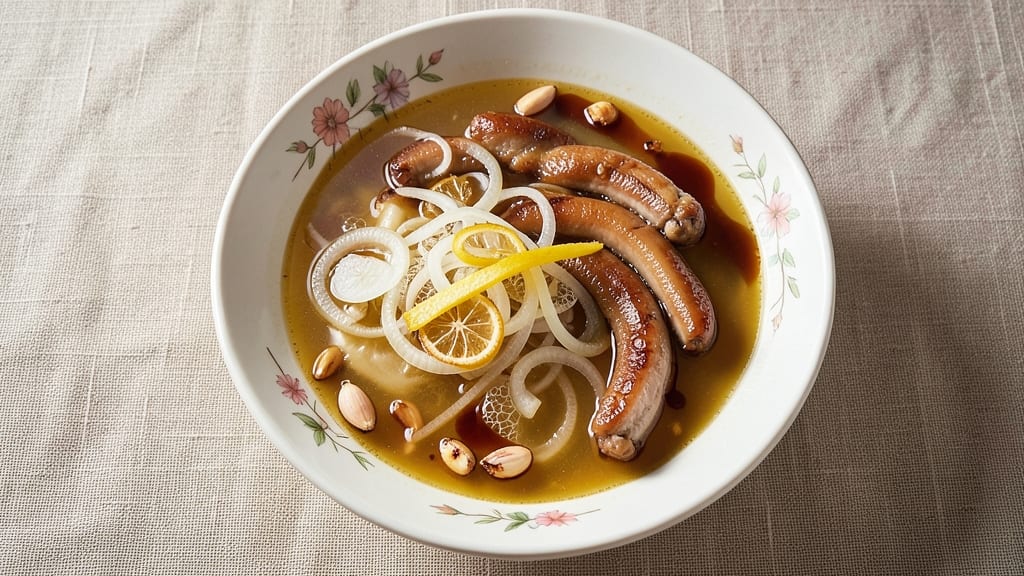
This bird tongue soup recipe delivers the kind of deep, savory umami that transforms a simple meal into an unforgettable experience. The secret lies in properly preparing the tongue—whether chicken or duck—to achieve that signature tender yet firm texture that melts in your mouth while holding its shape.
After years of perfecting the technique, I can confidently say this is one of those dishes where the preparation pays off in every rich, gelatinous bite.
The foundation of an exceptional bird tongue soup begins with the broth, which carries the soul of the dish. A slow-simmered combination of aromatic vegetables, protein bones, and carefully selected spices creates a flavor base that's both complex and balanced.
Unlike other soups that rely on quick cooking, this recipe demands patience—allowing the tongue to absorb the broth's essence over hours rather than minutes. The result is a dish that's as comforting as it is impressive, perfect for special occasions or when you want to elevate everyday dining.
What sets this recipe apart is the harmony between the tender tongue and the velvety broth, where each spoonful delivers layers of flavor. The gelatinous texture of the tongue adds body and richness, while the broth's depth—whether clear or rich—complements it beautifully.
This is a soup that feels luxurious yet remains approachable, making it ideal for those who appreciate traditional techniques with a modern twist. Ready to create a dish that will have everyone asking for seconds?
Whether you're drawn to the cultural richness of Asian variations or the hearty European style, this recipe adapts seamlessly while staying true to its roots.
The key is in the preparation—from cleaning and boiling the tongue to simmering it just right—and I’ll walk you through every step to ensure you achieve restaurant-quality results at home. Let’s get started on a soup that’s as rewarding to make as it is to savor.
Ingredients for bird tongue soup
Four pounds of carefully prepared tongue and aromatic broth ingredients transform into velvety, umami-rich soup.
| Ingredient | Amount | Notes |
|---|---|---|
| Chicken Tongues 🍗 | 2 lb | Fresh, cleaned, trimmed |
| Chicken Broth 💧 | 6 cups | Homemade or high-quality store-bought |
| Duck Tongues 🦆 | 2 lb | Optional, for richer flavor |
| Onions 🧅 | 2 whole | Yellow or white, chopped |
| Fresh Ginger 🌿 | 2 tbsp | Grated, aromatic variety |
| Garlic Cloves 🧄 | 6 cloves | Peeled, lightly crushed |
| Star Anise Pods 🌟 | 2 whole | Lightly crushed for aroma |
| Cinnamon Sticks 🌿 | 2 whole | For subtle warmth |
| Dried Bay Leaves 🍃 | 2 whole | Standard grocery store |
| Soy Sauce 🍶 | ½ cup | Light or dark variety |
| Sesame Oil 🫒 | 1 tbsp | Toasted, for finishing |
| Green Onions 🧅 | 4 whole | Sliced, for garnish |
| Salt 🧂 | 1 ½ tsp | Kosher or sea salt |
| Black Peppercorns 🌶️ | ½ tsp | Freshly cracked |
| Dried Shiitake Mushrooms 🍄 | 4 whole | Rehydrated for depth |
The tongue is the heart of this dish, so quality matters. Look for fresh, plump chicken tongues at specialty butchers or Asian markets—they’re often sold frozen. Duck tongues, if available, add luxurious richness. Costco sometimes carries them pre-cleaned, but most butchers will clean them for you if you ask. The shiitake mushrooms should be dried and wrinkled—Trader Joe's carries them in bulk. Skip the pre-sliced mushrooms; whole ones rehydrate better. Ginger and garlic are non-negotiable for that signature umami punch—Penzeys Spices has the best fresh ginger if you want to splurge.
No duck tongues? Extra chicken thighs or necks in the broth deepen the flavor. Fresh ginger too expensive? Powdered works at half the amount, but it lacks the same brightness. No star anise? 1 tsp ground anise seed is a decent swap, though it’s less aromatic. The soy sauce can be tamari for gluten-free, but light soy has a cleaner flavor. For the mushrooms, rehydrate them in hot broth (not cold water) to preserve their texture. The broth itself can be homemade or high-quality store-bought—Pacific Foods or Kettle & Fire are solid choices if you’re short on time.
Prep the tongue first: blanch for 10 minutes to remove impurities, then simmer gently for 3-4 hours until fork-tender. The broth keeps 5 days refrigerated or 3 months frozen—portion it into containers for easy reheating. For maximum flavor, make a double batch; the second day is even better as the tongue absorbs more of the rich broth. Store the sesame oil separately and add it just before serving to preserve its delicate aroma.
Why You'll Love This Recipe
- No Fuss, Big Payoff: I’m talking minimal chopping—just onions and ginger, sliced in two minutes. The tongues do all the heavy lifting while you simmer, so it’s basically hands-off comfort.
- Umami Bomb: That combo of chicken and duck tongues? Chef’s kiss. The broth soaks up all the collagen, turning it into this rich, silky base—like a hug in a bowl.
- Leftovers That Win: This soup only gets better the next day. I make a double batch on Sundays, and by Wednesday, it’s the star of my lunch—still tender, still packed with flavor.
- Budget Luxury: Duck tongues might sound fancy, but they’re cheaper than most cuts of meat. You get restaurant-quality depth without the price tag, and the chicken tongues stretch the meal further.
Step-by-step instructions for bird tongue soup
Transform simple ingredients into a rich, aromatic soup where each element enhances the umami depth.
Prepare and Parboil the Tongues
Rinse the 2 lb chicken tongues and 2 lb duck tongues thoroughly under cold water, then soak them in cold water for 30 minutes to remove any impurities. Drain and pat them dry with paper towels. In a large pot, combine the tongues with 6 cups chicken broth and bring to a boil over high heat. Once boiling, reduce heat to medium-low and simmer for 30 minutes. This initial parboiling ensures the tongues become tender without overcooking.
After 30 minutes, drain the tongues and set them aside. The broth can be reserved for later use if desired, though you'll be making a fresh base. The tongues should be pliable but still firm—this is the foundation for their rich texture in the final dish.
Build the Aromatic Base
In a large soup pot, combine 2 whole onions (chopped), 2 tbsp fresh ginger (grated), and 6 cloves garlic cloves (peeled and lightly crushed). Add 2 whole star anise pods, 2 whole cinnamon sticks, and 2 whole dried bay leaves. Pour in 2 cups of the reserved chicken broth (or fresh if preferred) and bring to a simmer over medium heat. Let the mixture cook for 10 minutes, allowing the aromatics to release their flavors into the broth.
Here's the thing—don't rush this step. The spices need time to infuse the broth with their warmth. You'll know it's ready when the mixture smells deeply aromatic and the onions soften slightly. This is the backbone of your soup's complexity.
Reintroduce the Tongues and Simmer
Return the parboiled tongues to the pot with the aromatic broth. Add 0.5 cup soy sauce and 1.5 tsp salt, then bring the mixture back to a gentle simmer over medium-low heat. Cover the pot and let it cook for 2 hours, stirring occasionally to prevent sticking. The tongues are done when they're fork-tender and easily pull apart with minimal resistance.
During this time, the soy sauce will deepen the umami flavor, while the spices continue to meld into the broth. If the liquid reduces too much, add ½ cup water or reserved broth to maintain the right consistency. The goal is a rich, velvety soup with tender, flavorful tongues.
Finish with Shiitake Mushrooms and Garnish
While the tongues simmer, rehydrate the 4 whole dried shiitake mushrooms by soaking them in 1 cup hot water for 20 minutes. Drain and finely chop the mushrooms, reserving the soaking liquid. Add the chopped mushrooms and their liquid to the soup pot, along with 0.5 tsp freshly cracked black peppercorns. Simmer uncovered for an additional 10 minutes to allow the mushrooms to absorb the flavors.
Remove the star anise pods, cinnamon sticks, and bay leaves from the broth. Stir in 1 tbsp sesame oil just before serving—this adds a delicate nutty finish that brightens the dish. Ladle the soup into bowls and garnish each serving with 4 whole green onions (sliced) for a fresh contrast.
Pro Tips For Making Bird Tongue Soup
- BLANCH FIRST: Toss your chicken and duck tongues in boiling water for 3-4 minutes before simmering—this loosens the skin and tough fibers so they don’t turn rubbery later. I learned this the hard way when my first batch came out chewy, no matter how long I simmered it.
- PEEL GINGER THIN: Use a spoon to scrape off just the pale inner layer of ginger (not the tough outer skin) and slice it paper-thin—this way, it infuses flavor without overpowering the broth. Thick chunks sit like rocks and refuse to break down.
- DON’T BOIL DRY: Keep your broth at a gentle simmer (tiny bubbles, just below a rolling boil) or the tongues will toughen up faster than you can say "second attempt." I used to crank the heat, and the result was sad, leathery bites every time.
- CHAR THE ONIONS: Sear your onions in oil until they’re deep golden, almost caramelized, before adding broth—this adds a smoky depth that store-bought soup mixes can’t replicate. Five minutes in a hot pan makes all the difference, even if it feels like overkill.
Pro cooking tips for this recipe
Tongue Prep Mastery
The key to perfect bird tongue soup starts with proper preparation—never skip the 30-minute soak in cold water. This removes blood and impurities that can make your broth cloudy. After soaking, pat the tongues completely dry with paper towels before parboiling.
I’ve found that duck tongues (if using) need an extra 5 minutes of parboiling to remove any lingering gamey flavors. Use a slotted spoon to transfer them to the simmering broth to avoid breaking them apart prematurely. 🌡️
Broth Clarity Secrets
For a crystal-clear broth, strain the simmered aromatics through a fine-mesh sieve lined with cheesecloth. If you prefer a richer, cloudier broth, skip straining and let the spices infuse directly.
I like to skim any foam that rises to the surface during the initial 10-minute aromatic phase—this prevents bitterness. For extra depth, add 1 tbsp fish sauce (like Red Boat) to the broth during the final 30 minutes of simmering.
It adds an unexpected umami punch that balances the dish beautifully.
Temperature Control
Maintaining a gentle simmer (not a rolling boil) is critical—medium-low heat ensures the tongues cook evenly without toughening. Use a meat thermometer to check doneness: the internal temperature should reach 160°F for chicken tongues and 165°F for duck.
If the broth reduces too quickly, add reserved parboiling liquid in small increments. I’ve ruined a few batches by letting the heat get too high, so always keep an eye on the pot. A lid with a slight gap allows moisture to escape while preventing a hard crust from forming.
Spice Infusion Hacks
Crush the star anise pods lightly with the side of your knife before adding them to the broth—this releases more aroma without turning bitter. For a deeper ginger flavor, toast the grated ginger in a dry pan for 1 minute before adding it to the pot.
If you’re short on time, 1 tsp ground ginger works in a pinch, but fresh is always better. Remove the whole spices (star anise, cinnamon sticks, bay leaves) 10 minutes before serving—this prevents overpowering the dish. 🌟
Gelatinous Perfection
The gelatinous texture of the tongue is what makes this soup luxurious. To enhance it, add 1 tbsp cornstarch mixed with 2 tbsp cold water to the broth during the final 5 minutes of simmering. This thickens the broth slightly without making it gluey.
For a lighter texture, blend ½ cup of the broth with the mushrooms and strain it back into the pot—this creates a silky consistency. Serve the soup hot but not boiling to preserve the delicate texture of the tongues.
Make-Ahead Pro Tips
This soup tastes even better the next day as the flavors meld. Store it in an airtight container in the fridge for up to 5 days or freeze for 3 months. When reheating, simmer gently over low heat—never microwave, as it can make the tongues rubbery.
To serve, garnish with sesame oil just before eating, as its aroma fades when heated. I like to double the batch and freeze half; it’s perfect for lazy weeknights when you crave something special. ✨
Nutrition facts
Frequently asked questions
What’s the best type of bird tongue for this soup?
Chicken tongues are the most accessible and mildest option, while duck tongues add deeper richness. For a balanced flavor, use a mix of both. If you can't find duck tongues, extra chicken thighs or necks in the broth will enhance the umami. Always choose fresh, plump tongues from a trusted butcher or specialty market.
Can I make this soup vegetarian?
Traditional bird tongue soup relies on gelatin from animal tongues, but you can adapt it! Substitute with shiitake mushrooms (for umami) and agar-agar (vegan gelatin) to mimic the texture. The broth can be made with vegetable stock and extra mushrooms for depth. Note: the texture will differ, but the flavor remains rich.
Why does my broth turn cloudy?
Cloudiness usually means impurities weren’t fully removed during the 30-minute soak or the heat got too high. Always pat tongues dry before cooking and maintain a gentle simmer (never boiling). For crystal-clear broth, strain through cheesecloth after simmering. Skim foam during the aromatic phase to prevent bitterness.
How do I store leftovers?
Store in an airtight container in the fridge for up to 5 days or freeze for 3 months. Reheat gently over low heat—never microwave, as it can make the tongues rubbery. Garnish with sesame oil just before serving to preserve its aroma.
Can I substitute any spices?
Star anise is key for aroma, but 1 tsp ground anise seed works in a pinch. For cinnamon, ½ tsp ground cinnamon is a swap, though whole sticks infuse better. Bay leaves are non-negotiable—they add herbal depth. If you’re missing ginger, ½ tsp ground ginger (toasted in oil) mimics freshness.