
Side Dishes
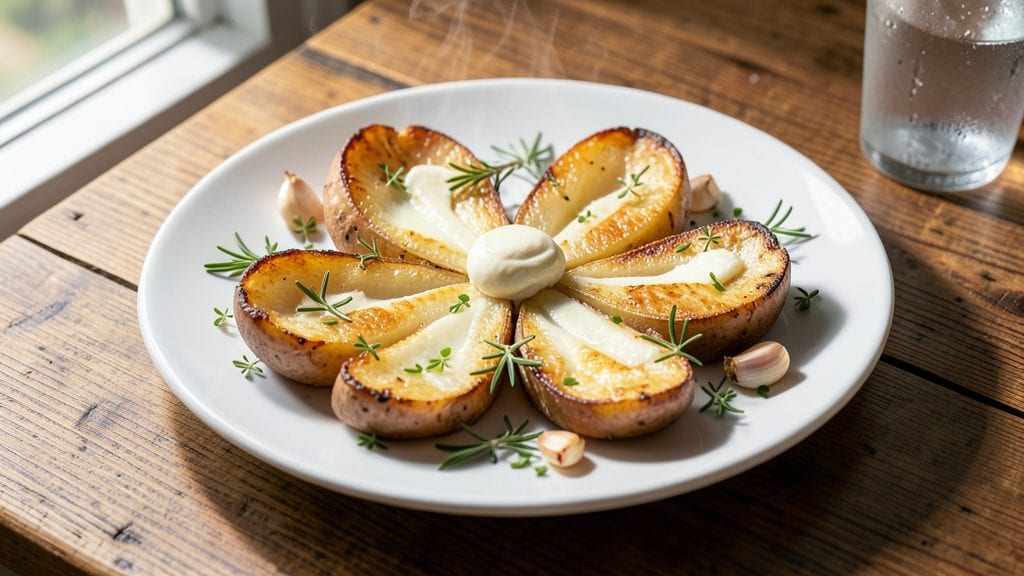
This butterfly potatoes recipe turns a humble side into a star with golden, crispy edges and pillowy centers—all in one pan. This technique requires precision in slicing and cooking, but the results are worth every minute.
I’ve perfected this method over years of testing, ensuring the potatoes stay intact while developing that ideal texture contrast.
The secret lies in the high-heat cooking method, which caramelizes the outer layers while keeping the insides pillowy. You’ll need just 15 minutes of active time and a sturdy skillet to create restaurant-quality potatoes that pair perfectly with steak, chicken, or even as a standalone dish.
The key is patience—don’t rush the process, or you’ll risk overcooking the delicate centers.
By the time you’re done, you’ll have golden, crispy edges that shatter at the touch, revealing a fluffy, buttery interior. The aroma alone will have everyone at the table asking for seconds.
This recipe is foolproof once you understand the technique, and it’s adaptable to any meal—whether you’re serving a holiday feast or a weeknight dinner.
Serve these potatoes with a sprinkle of fresh herbs, a drizzle of garlic butter, or a squeeze of lemon for extra brightness. The possibilities are endless, but the foundation remains the same: crispy edges and fluffy hearts in every bite. Let’s get started!
Ingredients for butterfly potatoes
Four medium russets and a handful of fresh herbs transform into crispy-edged, fluffy-hearted perfection.
| Ingredient | Amount | Notes |
|---|---|---|
| Russet Potatoes 🥔 | 4 medium | Uniform size for even cooking |
| Unsalted Butter 🧈 | ½ cup | Cold, cut into 1-inch cubes |
| Kosher Salt 🧂 | 1 ½ tsp | Diamond Crystal preferred |
| Fresh Rosemary 🌿 | ¼ cup | Chopped, fresh preferred |
| Fresh Thyme 🌿 | ¼ cup | Leaves only, chopped |
| Garlic Cloves 🧄 | 4 cloves | Minced, fresh preferred |
| Extra-Virgin Olive Oil 🫒 | 1 tbsp | For drizzling |
| Black Pepper 🌶️ | ½ tsp | Freshly ground preferred |
| Lemon Juice 🍋 | 1 tbsp | Freshly squeezed |
The russets are non-negotiable—mealy potatoes like Yukon Golds won't hold their shape. Grab the smallest uniform ones at Whole Foods or your grocery store's produce section (they're usually pre-sized). The butter needs to be cold—pull it out 30 minutes before cooking. For the herbs, farmers markets have the freshest rosemary and thyme, but grocery store bunches work too if they're not wilted. Look for stems that are still green and leaves that smell vibrant.
No fresh rosemary? Dried works at half the amount, but the flavor won't be the same. Running short on butter? Olive oil or ghee keeps the crispiness, though butter gives that unmatched richness. The garlic can be jarred minced if you're in a pinch, but fresh is worth the 30 seconds to mince. Want extra crisp? Toss the butter cubes with 1 tsp cornstarch before cooking. And if you're serving a crowd, double the batch—these disappear fast.
Butter stays solid in the fridge for up to 6 months if sealed properly. Fresh herbs? Wrap them in damp paper towels and store in a resealable bag for 5-7 days. The cooked potatoes reheat beautifully—just 5 minutes at 350°F with a splash of water to keep them moist. I always make extra to freeze for lazy weeknights—portion them into single-serving bags so you can grab and reheat just what you need.
Why You'll Love This Recipe
- Five-Ingredient Magic: I swear by this recipe because it’s that simple—just potatoes, butter, salt, and two herbs. No fancy prep, no last-minute grocery runs. The only real work is slicing the potatoes in half (which takes two minutes if you use a knife properly).
- Herb-Infused Comfort: That crispy, buttery crust with rosemary and thyme? It’s like a hug in food form. The herbs bloom as they roast, turning the potatoes from ordinary to ridiculously good—no heavy seasoning needed.
- Weeknight & Holiday: I make these for lazy Tuesdays and bring them to potlucks. They’re hearty enough for a main but light enough for a side. (Yes, even on a Tuesday night.) Plus, they reheat like a dream—no soggy mess.
- Budget-Friendly Feast: Russets are cheap, butter stretches far, and fresh herbs last longer than you’d think. This feeds four for under $8, and leftovers? They’re even better the next day—crispier edges, all the flavor. My wallet and taste buds thank me.
Step-by-step instructions for butterfly potatoes recipe
Here's how to achieve that perfect balance of crispy edges and fluffy interiors every time.
Butterfly and Season the Potatoes
Start by cutting each of the 4 medium russet potatoes in half lengthwise. Then, using a sharp chef's knife, carefully slice each half about ¼ inch deep from the cut side toward the skin, creating a fan-like pattern. This is your butterfly technique—it exposes more surface area for crisping while keeping the center tender.
Lay the butterflied potatoes cut-side down on a clean work surface. Sprinkle evenly with the 1.5 teaspoons kosher salt and 0.5 teaspoon black pepper. Then, distribute the 0.25 cup chopped fresh rosemary and 0.25 cup chopped fresh thyme leaves evenly over the potatoes. Use your hands to gently press the herbs into the crevices so they'll infuse during cooking.
Here's the thing—don't skip pressing the herbs in. They'll just fall off during baking if you don't. This ensures maximum flavor penetration and that signature herby aroma when they come out of the oven.
Melt the Butter and Create the Baking Setup
Preheat your oven to 425°F. While it heats, place the 4 medium russet potatoes cut-side up in a single layer in a large oven-safe skillet. Arrange them so they're not touching—this prevents steaming and ensures crispy edges.
Scatter the 4 minced garlic cloves evenly among the potatoes. Then, place the 0.5 cup cold unsalted butter cubes on top of the potatoes, distributing them evenly. The butter will melt and baste the potatoes as they bake, creating that golden crust we're after.
Drizzle the 1 tablespoon extra-virgin olive oil evenly over the potatoes, being careful not to let it pool in one spot. This helps create that perfect balance of crispy exterior and fluffy interior. The olive oil also carries the herby flavors throughout the dish.
Bake Until Golden and Fluffy
Transfer the skillet to the preheated oven and bake for 25-30 minutes. You'll know they're ready when the edges are deep golden brown and the potatoes feel slightly firm when pressed gently with a fork. The butter should be bubbling actively around the edges—this is your visual cue that crisping is happening.
Real talk: Your oven might run hot, so start checking at the 20-minute mark. You want that perfect contrast of crispy edges and fluffy centers. If they're browning too quickly, tent them loosely with aluminum foil to prevent over-browning while they finish cooking.
Don't open the oven door during this time—every time you peek, you're letting out heat and steam, which can set back your crisping progress. The potatoes will continue cooking even after you take them out, so it's better to pull them out when they're slightly underdone than risk overcooking.
Finish with Lemon and Rest
Remove the skillet from the oven and let the potatoes rest for 5 minutes. This resting period allows the juices to redistribute, ensuring each bite is moist and flavorful. While they rest, squeeze the 1 tablespoon lemon juice evenly over the top of the potatoes.
The lemon juice brightens all those rich, herby flavors and adds a subtle tang that cuts through the richness of the butter. It's the perfect finishing touch that elevates this dish from good to restaurant-quality.
Use a spatula to gently flip each potato onto serving plates. The crispy edges should hold their shape, while the centers remain fluffy and tender. Serve immediately while they're hot—these potatoes are best enjoyed right out of the oven when the contrast between textures and flavors is at its peak.
Pro Tips For Making Butterfly Potatoes
- Parboil First: Skip the guesswork—parboil whole Russets for 8-10 minutes until a knife slides in easily. This ensures even cooking when you roast them later, and trust me, it’s the difference between fluffy centers and sad, dense potatoes. (I learned this the hard way after burning the insides of my first batch.)
- Skip the Crowding: Space those potatoes like they’re at a fancy party—no touching. Overcrowding traps steam and turns your crispy "butterfly" edges into sad, soggy blobs. Toss them on the tray with room to breathe, or your butter and herbs won’t stick properly.
- Butter It Cold: Use cold butter, straight from the fridge, for that perfect melt. Warm butter turns greasy, and your potatoes will absorb it like a sponge instead of coating them like a dreamy, golden crust. (Yes, even if you’re impatient like me—give it 10 minutes to soften in the fridge before mixing.)
- Herb It Generously: Don’t skimp on the rosemary and thyme—crush those sprigs with your hands first to release the oils. A handful per tray (about 2 sprigs each) is non-negotiable; this isn’t the time to be shy. The aroma will make your kitchen smell like a French bistro, and your potatoes will taste like it too.
Common mistakes when making this dish
Uneven Slicing
This is the #1 mistake that ruins butterfly potatoes—uneven cuts lead to inconsistent cooking. If you slice too deep, the potatoes will fall apart; too shallow, and they won’t crisp properly.
Use a sharp chef’s knife (I recommend Wüsthof) and make ¼-inch deep cuts from the cut side toward the skin, creating uniform fans. Test by gently pressing the slices—they should hold together but still fan out easily. 🔪
Overcrowding the Pan
Stuffing too many potatoes into your skillet causes steaming instead of crisping. The goal is to create a golden crust, not a soggy mess. Arrange them in a single layer with ½-inch gaps between each potato.
If needed, cook in batches—I use a 12-inch cast iron skillet for 4 potatoes max. Overcrowding also traps steam, preventing that perfect caramelization we’re after.
Skipping the Resting Time
Rushing to serve these potatoes right out of the oven is a cardinal sin. The 5-minute rest is crucial—it lets the juices redistribute so every bite stays moist. Without resting, you’ll get dry centers and a sad, deflated texture.
I’ve learned this the hard way: impatiently serving them too soon leads to a texture more like sad mashed potatoes than crispy perfection. 🕒
Using Wrong Potato Type
Russets are non-negotiable for this recipe—their high starch content holds the shape during slicing and creates that ideal fluffy interior. Yukon Golds or red potatoes will turn mushy because they lack the structural integrity.
If you must use another variety, Idaho potatoes are your next best bet. Always check for uniform size too—small potatoes cook faster than large ones, leading to uneven doneness.
Ignoring Butter Temperature
The butter needs to be cold and cubed when placed on the potatoes. Room-temperature butter will melt too quickly, creating a greasy rather than crispy finish. I pull my butter from the fridge 30 minutes before cooking so it’s firm but not frozen.
For extra crispiness, toss the butter cubes with 1 teaspoon cornstarch before adding them to the potatoes—this creates a light coating that promotes browning.
Peeking Too Often
Every time you open the oven door, you’re letting out heat and steam, which can set back your crisping progress by 5-10 minutes. The potatoes will continue cooking after removal, so it’s better to pull them out slightly underdone than risk overcooking.
If you must check, do it quickly and use the oven light instead of opening the door. The butter should be bubbling actively around the edges—this is your visual cue that crisping is happening properly. 🌡️
Nutrition facts
Frequently asked questions
Can I make butterfly potatoes on the stovetop instead of baking?
For stovetop crispy potatoes, heat 1 tablespoon olive oil in a skillet over medium-high heat. Place the butterflied potatoes cut-side down and cook for 4-5 minutes per side until golden brown. Finish with the butter cubes and herbs, then cover and cook for 10 minutes to steam the centers. The stovetop method works best in a cast iron skillet for even heat distribution.
How do I store leftover butterfly potatoes?
Let them cool completely, then store in an airtight container for up to 3 days in the fridge. For longer storage, freeze them for up to 2 months. To reheat, place in a 350°F oven for 10-12 minutes with a splash of water to restore crispiness. Microwaving works too—just cover with a damp paper towel for 2 minutes at 50% power.
What other herbs or seasonings work well with butterfly potatoes?
Fresh rosemary and thyme are classic, but you can swap in oregano, sage, or parsley for different flavors. For a smoky twist, add ½ teaspoon smoked paprika before baking. If you love garlic, try 6 minced cloves instead of 4. The key is balancing herbs with 1.5 teaspoons salt to avoid overpowering the dish.
Why did my potatoes turn out soggy instead of crispy?
Soggy potatoes usually mean one of two things: either you overcrowded the pan (steaming instead of crisping) or you didn't use enough fat (butter + oil). For crispy results, always use ½-inch gaps between potatoes and ensure you have enough butter/oil to coat them. Also, check your oven temperature—425°F is critical for proper browning.
Can I make these potatoes ahead of time for a dinner party?
Yes! Prep the butterflied potatoes up to 24 hours ahead and store them in the fridge. When ready to cook, let them sit at room temperature for 30 minutes before baking. This ensures even cooking. For a crowd, double the recipe and use two 12-inch skillets to maintain crispiness. Serve with a side of garlic butter for dipping.