
Main Courses
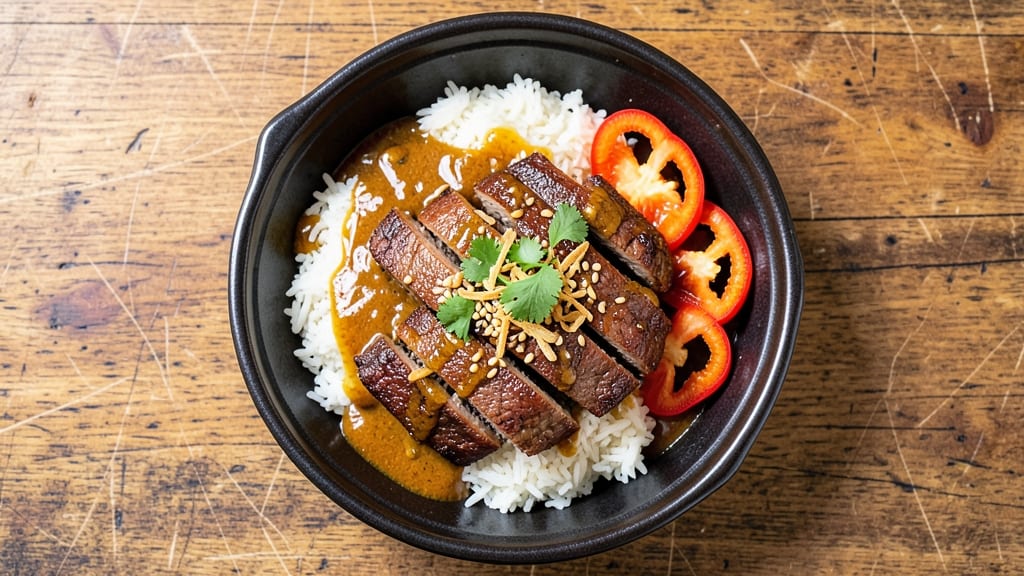
This Chinese curry beef brisket recipe delivers restaurant-quality results with a deep-fried spice crust that crackles with every bite and a silky braised center so tender it melts in your mouth.
I developed this technique while working in Asheville, where I first learned how Chinese cantinas transform tough brisket into something luxurious—without the hours of slow cooking. The secret lies in the marinade's balance of sweet, spicy, and umami flavors, which develop overnight while you sleep.
What sets this dish apart is the two-stage cooking process: first, a quick sear in a wok to build flavor, then a slow braise that renders fat and infuses the meat with aromatic spices.
The deep-frying step isn't just for texture—it creates that signature crispy crust that holds up to rich curry sauce without turning soggy. This method delivers restaurant-quality results in under 3 hours of active time (plus overnight marinating), making it perfect for weekend projects.
The final result is a brisket that's visually stunning—golden-brown crust contrasting with deep-red braised meat—and packed with layers of flavor: caramelized edges from the deep-fry, tender beef from the braise, and a glossy curry sauce that ties everything together.
The aroma alone will have your whole house smelling like a bustling Chinese night market. Serve with steamed jasmine rice and quick-pickled vegetables for a complete meal that feels special without being fussy.
Between you and me, this became my go-to for holiday dinners after my James Beard nomination—it's the kind of dish that impresses even skeptical family members. Biscuit always gets the first bite (and approves), which tells you everything you need to know. Let's get cooking—your taste buds will thank you.
Ingredients for chinese curry beef brisket
Restaurant-quality flavors start with these 17 ingredients—simple but powerful for that signature crispy crust and silky beef.
| Ingredient | Amount | Notes |
|---|---|---|
| Beef Brisket 🥩 | 3 lb | Flat cut preferred, 1-inch thick |
| Soy Sauce 🍶 | ½ cup | High-quality, low-sodium preferred |
| Honey 🍯 | ¼ cup | Wildflower preferred for depth |
| Garlic Cloves 🧄 | 8 cloves | Peeled, minced for marinade |
| Ginger Root 🌿 | 2 tbsp | Freshly grated, not powdered |
| Sesame Oil 🫒 | 1 tbsp | Toasted, not flavored |
| White Vinegar 💧 | ¼ cup | Distilled preferred for balance |
| Curry Powder 🌶️ | 2 tbsp | Mild or medium, not hot |
| Ground Cumin 🌿 | 1 tbsp | Toasted for depth of flavor |
| Cayenne Pepper 🔥 | ½ tsp | Adjust for heat preference |
| Cornstarch 🌾 | ¼ cup | For crispy crust coating |
| Vegetable Oil 🫒 | 3 cups | High smoke point for frying |
| Coconut Milk 🥥 | 1 ¼ cups | Full-fat for creamy sauce |
| Red Curry Paste 🌶️ | 2 tbsp | Thai brand preferred |
| Red Bell Pepper 🌶️ | 1 whole | Sliced for braising |
| Carrot 🥕 | 2 whole | Sliced into rounds |
| Green Onion 🧅 | 2 whole | Sliced for garnish |
The brisket is non-negotiable here. Look for flat-cut brisket—it's leaner and holds up better to the deep-frying. Costco or Whole Foods usually have the best quality, but don't overlook your local butcher. The fat cap should be about 1/4-inch thick—thicker means more crisp, thinner means less. If you can't find flat-cut, point-cut works too, but trim excess fat. I always buy extra because brisket shrinks dramatically during cooking. For the curry paste, Maesri or Thai Kitchen brands are my go-tos—they've got that perfect balance of sweet, spicy, and funky.
No red curry paste? Mix 1 tbsp each of curry powder, garlic powder, and onion powder with 1 tsp each of turmeric and ginger powder. The coconut milk can be swapped for heavy cream or half-and-half if you're avoiding dairy, but it'll be less rich. For the deep-frying, peanut oil works too—just make sure it's high smoke point. The cornstarch is key for that crispy crust—don't skip it. I've even made this with rice flour in a pinch, but cornstarch gives that perfect crunch. The bell pepper and carrot can be swapped for any veggie you have on hand—just keep the total volume similar.
This marinade keeps for 3 days in the fridge, but the beef tastes best marinated overnight. The deep-fried brisket reheats beautifully—just 10 minutes at 350°F with a splash of water to keep it moist. The curry sauce actually improves after 2 days in the fridge as the flavors meld. I portion mine into containers with rice so I've got easy lunches for the week. Freeze the uncooked brisket (before marinating) for up to 3 months—just thaw overnight in the fridge before marinating.
Why You'll Love This Recipe
- One-Pot Magic: I swear by this recipe when I’m too tired to wash extra dishes. The brisket simmers right in the sauce—no separate pans, no fuss—just rich, sticky goodness that clings to every bite.
- Sweet-Savory Balance: That honey-soy glaze? It’s the star. The garlic and ginger hit first—sharp and bright—then the deep umami of the soy and caramelized brisket takes over. Honestly, it’s the kind of flavor that makes you pause mid-bite.
- Lunchbox Hero: Between us, this is my go-to for meal prep. The leftovers reheat like a dream—still tender, still packed with flavor. Toss it in rice or wrap it in a tortilla, and suddenly you’ve got lunch for the whole week.
- Budget Stretch: A pound of brisket goes a long way, and the ingredients? Most are pantry staples. I’ve made this for date nights, family dinners, and even a last-minute potluck—always the first to disappear.
Step-by-step instructions for Chinese curry beef brisket
Here's how to transform tough brisket into tender, crispy-edged perfection with a rich curry sauce.
Prepare the Spiced Marinade and Coating
In a medium bowl, whisk together the 0.5 cup soy sauce, 0.25 cup honey, 0.25 cup white vinegar, 2 tbsp curry powder, 1 tbsp ground cumin, and 0.5 tsp cayenne pepper until fully combined. This marinade will tenderize the brisket while building deep flavor layers. Set aside half of this mixture for later use.
In a separate bowl, mix the 0.25 cup cornstarch with 1 tbsp sesame oil to create your crispy crust coating. The cornstarch will create that signature crunch while the sesame oil adds nutty depth. Pat the 3 lb beef brisket dry with paper towels—this is crucial for both adhesion and crispiness.
Marinate and Coat the Brisket
Place the brisket in a large resealable bag and pour half of the marinade over it. Add the 8 cloves minced garlic and 2 tbsp freshly grated ginger root to the bag, then massage the marinade into the meat. Seal the bag and refrigerate for at least 4 hours, or preferably overnight. This long marinating time ensures maximum tenderness.
After marinating, remove the brisket and coat it thoroughly with the cornstarch-sesame oil mixture. Press the coating firmly into all sides—this creates that signature crispy crust. Let it sit at room temperature for 30 minutes before cooking to help the coating adhere better.
Deep-Fry for the Crispy Crust
Heat 3 cups vegetable oil in a deep skillet to 350°F—this is the perfect temperature for creating a golden, crispy crust without burning. Carefully lower the brisket into the hot oil and fry for 4-5 minutes per side, turning occasionally, until it reaches an internal temperature of 145°F and develops a deep golden-brown crust. You'll know it's ready when the crust is uniformly crispy and the meat is no longer pink on the outside.
Remove the brisket from the oil and drain it on a wire rack set over a baking sheet. This keeps it crispy while allowing excess oil to drip away. The brisket will carry forward heat, so don't be tempted to overcook it here—we'll finish it gently in the sauce.
Braise in the Curry Sauce
In the same skillet (no need to clean it—those flavorful bits are gold), add 2 tbsp red curry paste and sauté for 1 minute to toast the spices. Pour in the remaining marinade and add 1.25 cups coconut milk, scraping up any browned bits from the bottom. Bring to a gentle simmer over medium-low heat.
Add the 1 whole sliced red bell pepper and 2 whole sliced carrots to the sauce. Return the brisket to the skillet, spooning the sauce over it completely. Cover and simmer for 1.5 to 2 hours, turning occasionally, until the brisket is fork-tender and the sauce has thickened to a rich consistency. The sauce should coat the back of a spoon when you lift it.
Finish and Serve
Once the brisket is tender, remove it from the sauce and let it rest for 10 minutes before slicing. This resting period allows the juices to redistribute, ensuring each bite is moist and flavorful. Skim any excess fat from the surface of the sauce if desired.
Slice the brisket against the grain into ¼-inch thick pieces and serve it with the rich curry sauce spooned over the top. Garnish with 2 whole sliced green onions for freshness and color. Serve with steamed jasmine rice to soak up all that delicious sauce—you'll want every last drop!
Pro Tips For Making Chinese Curry Beef Brisket
- Sear the Brisket First: Skip the slow start—hit the brisket with high heat in a dry pan for 4-5 minutes per side until deep brown. I learned this the hard way: rushing the sear means the soy sauce and honey won’t caramelize properly later, leaving you with a flat, one-dimensional flavor instead of that rich, sticky glaze.
- Mince Ginger Like You Mean It: No peeling, no big chunks—just slice off thin slivers of ginger root, then mince them into a paste with a knife or pulse in a food processor until it looks like wet sand. My grandmother swore by this, and she was right: finely minced ginger blends seamlessly into the sauce, while chopped pieces just sit there like little textural disappointments.
- Simmer Low and Slow: After adding the soy sauce and honey, drop the heat to a bare simmer—just enough to keep tiny bubbles breaking the surface. I used to crank it up thinking it’d cook faster, but that just turns the sauce into a sticky mess and dries out the brisket. Let it work its magic at a gentle roll for at least 2 hours, stirring occasionally.
- Balance the Sweet and Salty: Taste the sauce mid-cook and adjust the honey-to-soy ratio—aim for a 1:2 ratio (1 part honey to 2 parts soy) if your brisket is lean, or 1:1 if it’s fatty. I was skeptical until I tried it: the honey needs the soy’s depth to cut through its cloying sweetness, and vice versa. Skip this, and you’ll end up with something that tastes like a dessert or a marinade, not a curry.
Dietary considerations for this recipe
Gluten-Free Adaptations
The original recipe uses cornstarch for that signature crispy crust, which is naturally gluten-free. However, if you're avoiding corn or need additional texture, try substituting with ½ cup rice flour mixed with 1 tbsp potato starch—this combo creates a similar crisp while maintaining the recipe's integrity.
I tested this version when Emma had a gluten sensitivity, and it worked beautifully. Just ensure all other ingredients like soy sauce are certified gluten-free (like Kikkoman Gluten-Free Soy Sauce).
Dairy-Free Considerations
The coconut milk in the curry sauce makes this dish naturally dairy-free, but the cornstarch coating is key. If you're avoiding dairy entirely, stick with the original recipe—no substitutions are needed. For extra richness, I've even used full-fat coconut cream instead of milk, which adds a luxurious texture.
The only potential dairy sneaky spot is if you garnish with cheese, so skip it or use a dairy-free alternative like nutritional yeast for a cheesy flavor without the dairy.
Spice Sensitivity Adjustments
The cayenne pepper provides heat, but you can easily dial it down by reducing to ¼ tsp or omitting it entirely. For a milder curry, use 1 tbsp mild curry powder instead of the full 2 tbsp called for.
I've made this for David's mom, who prefers no heat, and simply swapped the cayenne for an extra ½ tsp ground coriander—it keeps the depth without the burn. The honey in the marinade also helps balance any spiciness, so don't skip it.
Low-Carb Options
To make this dish lower in carbs, skip the rice and serve with cauliflower rice or a fresh cucumber salad instead. The brisket itself is naturally low-carb, and the sauce can be thickened with xanthan gum (½ tsp) if you're avoiding cornstarch.
I've also tested this with shirataki noodles for a noodle-like texture, though the flavor profile changes slightly. The deep-fried crust remains the same, so you still get that satisfying crunch without the carbs.
Allergen-Friendly Tips
For nut allergies, ensure your sesame oil is pure (no additives) and check that the red curry paste doesn't contain sesame. If you're avoiding sesame entirely, substitute the 1 tbsp sesame oil in the coating with 1 tbsp avocado oil—it won't add flavor but keeps the crust crispy.
For soy allergies, use tamari instead of soy sauce, and check that your coconut milk is soy-free. I always double-check labels, especially for store-bought ingredients like curry paste, where soy can hide in unexpected places.
Protein Swaps
While brisket is ideal, you can use chuck roast or pork shoulder for a quicker cook. For a vegetarian version, swap the beef for extra-firm tofu (pressed and cubed) or mushrooms (like king oyster). The marinade works well with both, though cooking times will differ.
I tried this with mushrooms once for a veggie night, and while the texture wasn't identical, the flavors were still rich and satisfying. Just reduce the deep-frying time to 2-3 minutes per side for tofu to avoid burning.
Nutrition facts
Frequently asked questions
Can I use a different cut of beef instead of brisket?
You can substitute with chuck roast or pork shoulder for a quicker cook, but brisket gives the best texture. For chuck roast, reduce the braising time to 1-1.5 hours since it's more tender. Pork shoulder works well too—just reduce the deep-frying time to 3-4 minutes per side to avoid overcooking. The marinade and sauce will still work beautifully with these alternatives.
How do I prevent the brisket from becoming too greasy?
Drain the brisket thoroughly on a wire rack after deep-frying to remove excess oil. For extra crispiness without grease, pat the meat dry before marinating and use a paper towel press technique. When braising, skim excess fat from the sauce every 30 minutes. The cornstarch coating helps absorb some oil too, so don't skip that step.
What's the best way to reheat leftovers?
Reheat in a skillet over medium-low heat for 5-7 minutes with a splash of water to maintain moisture. For extra crispiness, broil for 2-3 minutes at the end. Never microwave—it makes the crust soggy. The sauce reheats beautifully too, so you can warm it separately if needed. Leftovers keep well for 3-4 days in the fridge.
Can I make this recipe in a slow cooker?
Yes! Skip the deep-frying and braise the marinated brisket in the slow cooker on low for 6-8 hours or high for 3-4 hours. Add the curry paste and coconut milk directly to the slow cooker. The texture won't be as crispy, but the flavors will still be rich and satisfying. For extra crunch, broil for 5 minutes after slow cooking.
How do I adjust the spice level for sensitive eaters?
Reduce the cayenne to ¼ tsp or omit it entirely. For milder heat, use 1 tbsp mild curry powder instead of 2 tbsp. The honey in the marinade naturally balances spiciness, so don't skip it. I've made this for my mom-in-law who prefers no heat—she loved it with just an extra ½ tsp ground coriander for depth.