
Sauces & Condiments
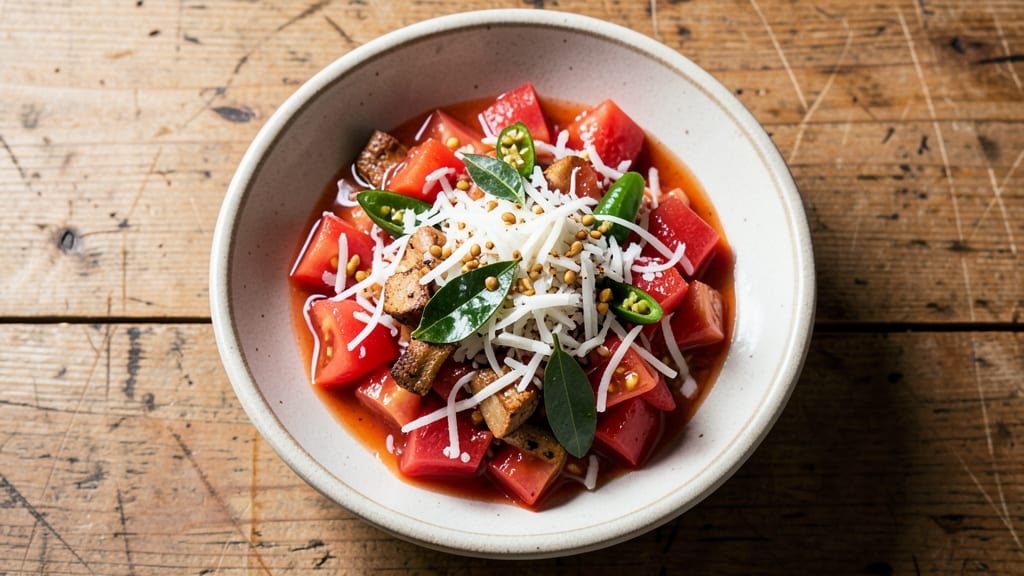
This vegan coconut tomato chutney brings the vibrant flavors of tropical heat and fresh ginger to every bite, transforming simple meals into something extraordinary. The perfect balance of sweet, tangy, and spicy creates a versatile condiment that elevates dosas, sandwiches, or even grilled vegetables with restaurant-quality depth.
I developed this recipe after years of experimenting with traditional chutneys, refining it to deliver a smooth yet vibrant texture that stays fresh for days.
The foundation of this chutney lies in its simple yet powerful ingredients: ripe tomatoes, fresh coconut, and a blend of aromatic spices like mustard seeds and curry leaves. The ginger adds a zesty kick, while green chilies bring subtle heat that lingers just enough to satisfy.
Unlike many store-bought versions, this recipe avoids artificial preservatives, relying instead on natural fermentation techniques to enhance flavor over time.
What sets this chutney apart is its adaptability—it works as a dip for crispy snacks, a spread for toast, or a tangy accompaniment to rice dishes. The blending process ensures a velvety consistency with just the right amount of chunkiness, making every spoonful a burst of tropical brightness.
With minimal prep time and a pantry-friendly ingredient list, this is the kind of condiment that turns everyday meals into culinary experiences.
Store it in the refrigerator for up to a week, or extend its shelf life by fermenting it for an even deeper flavor profile.
Whether you're serving it at a family gathering or simply enjoying it with a quick lunch, this chutney delivers bold, complex flavors that prove homemade always tastes better. Let's get started on creating your own batch today.
Ingredients for coconut tomato chutney
Simple yet vibrant ingredients transform into a restaurant-quality chutney with tropical depth and zesty freshness.
| Ingredient | Amount | Notes |
|---|---|---|
| Ripe Tomatoes 🍅 | 2 lbs | Seeds removed, chopped coarsely |
| Fresh Coconut Meat 🥥 | 1 cup | Shredded from young green coconut |
| Fresh Ginger Root 🌿 | 3 oz | Peeled, roughly chopped |
| Green Chilies 🌶️ | 3 whole | Seeds removed for mild heat |
| Curry Leaves 🌿 | ¼ cup | Fresh, lightly crushed |
| Mustard Seeds 🌱 | 1 tbsp | Lightly toasted for aroma |
| Cumin Seeds 🌱 | 1 tbsp | Toasted until fragrant |
| Asafoetida Powder 🌶️ | ¼ tsp | Optional for depth of flavor |
| Extra-Virgin Coconut Oil 🫒 | ½ cup | For smooth texture and richness |
| Lemon Juice 🍋 | 2 tbsp | Freshly squeezed |
| Salt 🧂 | 1 tsp | Adjust to taste |
| Water 💧 | ½ cup | For blending consistency |
The foundation of this chutney begins with ripe tomatoes—look for deep red, firm ones at Whole Foods or your local farmers market. Their natural sweetness balances the coconut's richness. For the coconut, young green coconuts yield the most tender meat; if unavailable, unsweetened shredded coconut works but lacks that fresh, watery texture. Ginger and green chilies should be bright and firm—no wrinkled or discolored pieces. Toasting the mustard and cumin seeds in a dry pan until fragrant unlocks their full aroma, which is essential for that authentic chutney depth. Curry leaves add a unique floral note; Indian grocery stores often carry fresh bundles, but dried leaves work in a pinch at half the quantity.
No fresh curry leaves? Substitute 1 tbsp dried curry powder for a similar earthy flavor. Short on green chilies? Red chilies or cayenne pepper add heat without the same fruity brightness. The asafoetida (hing) might be tricky to find—skip it if unavailable, but it’s worth tracking down for that umami punch. For the coconut oil, virgin varieties provide the best flavor, but any unrefined oil will work. If you prefer a smoother texture, blend in an extra 2 tbsp water—just don’t overdo it, or the chutney will turn watery. The lemon juice can be adjusted based on your tartness preference; Meyer lemons add a subtle sweetness if you have them.
This chutney keeps beautifully in an airtight container in the fridge for up to 1 week. For longer storage, ferment it for 2-3 days at room temperature—this deepens the flavors and gives it that tangy complexity. Portion into small jars for easy use; it pairs perfectly with dosas, rice, or grilled vegetables. If fermenting, taste daily—once the flavor reaches your liking, refrigerate immediately to halt fermentation. The texture will thicken slightly over time, so add a splash of water if needed before serving.
Why You'll Love This Recipe
- No Blender Required: I swear by this—just chop the tomatoes, grate the coconut, and mash it all with ginger and chilies. The texture’s rustic but good, like someone took their time for you (even if you didn’t).
- Sweet-Spicy Magic: That first bite of ripe tomatoes, fresh coconut cream, and green chilies? It’s the kind of balance that makes you pause mid-bite. The curry leaves add this earthy whisper, like a secret ingredient only your taste buds know about.
- Leftover Hero: This chutney actually improves the next day—thicker, richer, and perfect for slathering on toast or tossing with rice. I’ve had it last a week in my fridge, and honestly? Still delicious.
- Budget Brightener: Tomatoes, coconut, and ginger are pantry staples that won’t break the bank. Fresh curry leaves and chilies add flair without costing a fortune. It’s the kind of recipe that makes grocery day feel like a win.
Step-by-step instructions for coconut tomato chutney
Here's the method for a perfectly balanced chutney with vibrant tropical flavors.
Prepare the Base Ingredients
In a large mixing bowl, combine the 2 lbs ripe tomatoes (seeds removed and chopped coarsely) with the 1 cup fresh coconut meat (shredded). Add the 3 oz fresh ginger root (peeled and roughly chopped) and 3 whole green chilies (seeds removed). This combination creates the foundational flavor profile of the chutney.
Next, fold in the 0.25 cup curry leaves (lightly crushed) and 0.25 tsp asafoetida powder. The curry leaves add an aromatic depth, while the asafoetida powder enhances the overall flavor complexity. Mix well to ensure all ingredients are evenly distributed. The mixture should look vibrant and slightly chunky at this stage.
Toast the Spices and Bloom the Oil
Heat a heavy-bottomed pan over medium heat and add the 0.5 cup extra-virgin coconut oil. Once the oil is shimmering (around 325°F), add the 1 tbsp mustard seeds and 1 tbsp cumin seeds. Allow them to toast for 1-2 minutes until they begin to sizzle and release their aromatic oils.
Immediately add the prepared tomato-coconut mixture to the pan. Stir continuously for 5-7 minutes until the mixture softens and the raw flavors begin to meld. The oil should help create a smooth, velvety texture while infusing the spices into the base. You'll notice the mixture darkening slightly as it cooks down.
Simmer and Season
Reduce the heat to low and let the mixture simmer uncovered for 15-20 minutes. Stir occasionally to prevent sticking and allow excess moisture to evaporate. This step is crucial for developing the chutney's depth of flavor and achieving the right consistency.
After simmering, add the 2 tbsp lemon juice and 1 tsp salt. Taste and adjust the seasoning if needed—the lemon juice brightens the flavors, while the salt balances the natural sweetness of the tomatoes and coconut. The chutney should be tangy, slightly sweet, and well-seasoned at this point.
Blend to Perfection
Transfer the cooked mixture to a blender or food processor. Add the 0.5 cup water gradually while blending to achieve a smooth, velvety texture. The water helps create the ideal consistency without diluting the flavors. Blend until completely smooth, scraping down the sides as needed to ensure even blending.
For a finer texture, strain the blended mixture through a fine-mesh sieve to remove any remaining chunks. This step ensures a silky-smooth chutney that's perfect for dipping, drizzling, or pairing with meals. The final product should have a rich, tropical aroma with hints of ginger and spice.
Rest and Serve
Let the chutney rest at room temperature for 10-15 minutes before serving. This allows the flavors to fully meld and the texture to settle. The chutney should be thick enough to coat the back of a spoon but still pourable.
Serve warm or at room temperature as a condiment for rice, dosas, or grilled meats. The balance of sweet, tangy, and spicy flavors makes this chutney versatile for any meal. Store any leftovers in an airtight container in the refrigerator for up to 5 days, or freeze for longer storage.
Pro Tips For Making Coconut Tomato Chutney
- Blister the Ginger First: I used to just chop ginger raw—big mistake. Hit it with a splash of oil and high heat until it’s fragrant and slightly charred (about 30 seconds). This unlocks the flavor and stops it from turning bitter later. Skip this, and your chutney tastes like you forgot to season.
- Grate, Don’t Chop Coconut: Fresh coconut meat? Grate it, don’t dice. The fine texture blends smoother and gives that silky, restaurant-quality mouthfeel. A box grater with medium holes works best—no food processor here, or you’ll end up with coconut paste.
- Simmer Low and Slow: After the initial fry, drop the heat to a gentle simmer. I’ve seen people rush this, and the chutney turns watery or burns. Let it cook for 15-20 minutes, stirring occasionally, until the tomatoes break down but the curry leaves stay vibrant. Patience here makes the difference.
- Toast the Curry Leaves: Toss them in hot oil for 10 seconds until they darken slightly—this releases their magic. I learned this the hard way when I skipped it and the chutney tasted flat. They’re the soul of the dish; don’t treat them like an afterthought.
Regional styles of coconut tomato chutney
Kerala-Style Chutney
The Kerala version of coconut tomato chutney is all about bold, aromatic spices and a slightly fermented tang. Here, we blend 1 cup grated coconut with 1 lb ripe tomatoes, 2 tbsp tamarind paste (for that signature sour kick), and 1 tsp black pepper for warmth.
The key difference? Toast 1 tsp fennel seeds with the mustard and cumin—this adds a sweet, licorice-like depth that’s quintessential to Kerala’s coastal cuisine. Serve this with appam (Kerala’s hoppers) or alongside fish curry for a true regional experience. 🌶️
Goan Fusion Twist
In Goa, coconut tomato chutney often incorporates Kasuri methi (dried fenugreek leaves) for an earthy aroma and 1 tsp kokum powder for a citrusy tang. I like to add ½ cup coconut milk to the blending stage for extra creaminess, which pairs perfectly with Goan vindaloo or bebinca.
For heat, swap green chilies for Goan red chilies (like Kashmiri chilies)—they add a fruity, slightly sweet spice. This version is richer and more decadent, ideal for those who love their chutneys on the velvety side. 🥥
Tamil Nadu’s Fermented Version
Tamil Nadu’s chutney takes a fermented approach, creating a probiotic-rich condiment with deeper complexity. After blending, let the mixture sit at room temperature for 24-48 hours in a glass jar, covered loosely with a cloth.
The natural fermentation enhances the tanginess—think of it like a tropical salsa with gut-friendly benefits. Use 1 tsp jaggery (palm sugar) instead of salt for a caramelized sweetness. This chutney shines with idli or pongal, offering a probiotic boost with every bite. ✨
Andhra’s Spicy Kick
Andhra Pradesh cranks up the heat with dried red chilies (soaked and blended) and 1 tsp garam masala for a smoky depth. The chutney here is chunkier, with ½ cup roasted peanuts added at the end for crunch.
I love this version with mirchi bajji (stuffed chili pods) or as a dip for pavak vada. The peanuts add a satisfying texture contrast, while the garam masala ties all the flavors together. This is the chutney for those who love their condiments with bold, fiery personality. 🔥
Sri Lankan Coconut-Tomato Relish
Sri Lanka’s take is lighter and brighter, often using young jackfruit (instead of tomatoes) for a tropical sweetness. Blend 1 cup jackfruit pulp with 1 cup coconut and 1 tbsp lime zest for a citrusy lift.
The island version also includes 1 tsp turmeric for color and ½ tsp cinnamon for warmth. This relish pairs beautifully with hoppers (appa) or string hoppers (idiyappam). The jackfruit adds a unique, slightly fibrous texture that’s both refreshing and satisfying. 🌿
Nutrition facts
Frequently asked questions
Can I make this chutney without fresh coconut?
Use 1 cup unsweetened shredded coconut instead, but soak it in warm water for 10 minutes first to soften. For extra richness, add 2 tbsp coconut milk during blending. The texture will be slightly less vibrant but still delicious.
How do I adjust the spice level?
For milder heat, remove the seeds from green chilies or reduce the quantity to 1-2 whole chilies. For extra kick, add ½ tsp cayenne pepper or 1 extra green chili. Always taste before blending—you can adjust more easily at this stage.
Can I ferment this chutney for deeper flavor?
Yes! After blending, transfer to a clean glass jar and let sit at room temperature for 24-48 hours, covered with a cloth. Stir daily. The fermentation adds tangy complexity—think of it as a tropical salsa! Refrigerate after fermenting to stop the process.
What’s the best way to store leftovers?
Keep in an airtight container in the fridge for up to 5 days. For longer storage, freeze for 3 months. Thaw overnight in the fridge—never microwave directly. The flavors actually improve slightly after refrigeration!
Why did my chutney turn out too thick?
Add 1-2 tbsp water at a time while blending until you reach the desired consistency. If it’s still too thick, thin with 1 tbsp coconut milk or lemon juice. Over-simmering can also concentrate flavors—keep heat at low during the simmering step.