
Main Courses
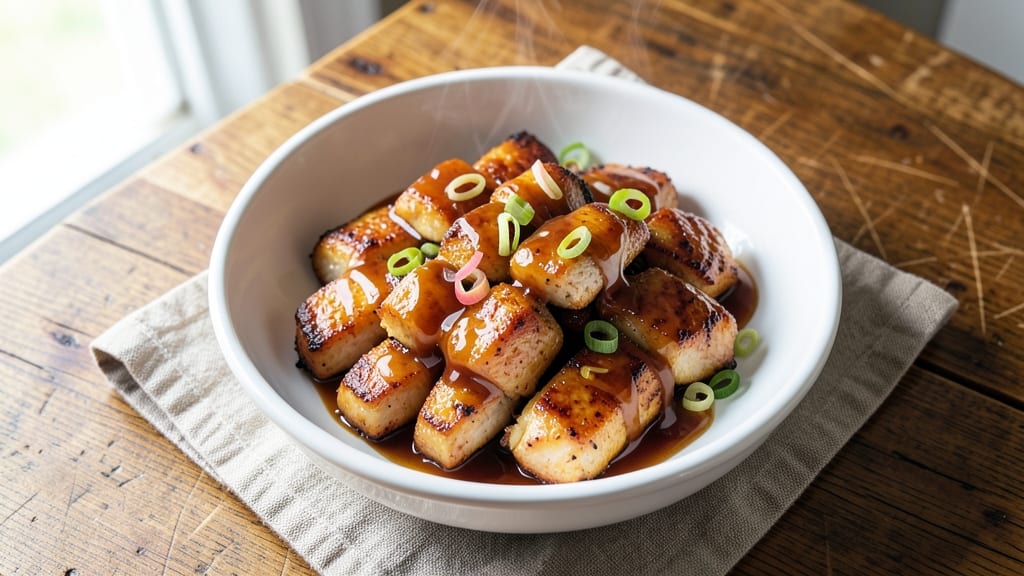
This copycat Panda Express teriyaki chicken delivers the same sticky-sweet glaze and tender meat you crave from the restaurant—without the wait or delivery fees. I've perfected the balance of honey, soy sauce, and ginger that creates that signature caramelized finish while keeping the chicken juicy inside.
The secret lies in marinating the chicken overnight, which ensures every bite absorbs maximum flavor.
What makes this recipe work is the two-step cooking process: first pan-frying the chicken to develop a golden crust, then simmering it in the homemade teriyaki sauce until it's coated in that irresistible glaze.
The sauce is thickened just enough to cling to the chicken without being overly syrupy, mimicking the restaurant version perfectly. This method ensures you get that restaurant-quality taste at home, every time.
The result is crispy-edged, tender chicken pieces swimming in a glossy teriyaki sauce that's sweet, tangy, and just slightly spicy—a flavor combination that's impossible to resist. Serve it over steamed rice or noodles, and you'll have a meal that tastes like your favorite takeout spot.
The best part? You can make the sauce ahead of time, so dinner comes together in under 30 minutes.
For added authenticity, I recommend pairing it with Panda Express-style fried rice or steamed broccoli. The combination of textures and flavors makes this dish feel like a complete takeout experience. Let's get cooking—your taste buds will thank you.
Ingredients for copycat panda express teriyaki chicken
Sweet, tangy, and restaurant-perfect—just these ingredients transform simple chicken into takeout-worthy bites.
| Ingredient | Amount | Notes |
|---|---|---|
| Boneless, Skinless Chicken Thighs 🍗 | 1 ½ lb | Cut into 1-inch pieces |
| Honey 🍯 | ½ cup | Light amber preferred |
| Soy Sauce 🍶 | ⅓ cup | Low-sodium preferred |
| Rice Vinegar 🍶 | ¼ cup | White vinegar substitute |
| Brown Sugar 🍚 | ¼ cup | Packed for accuracy |
| Ginger Root 🌿 | 1 tbsp | Freshly grated |
| Garlic Cloves 🧄 | 4 cloves | Minced for sauce |
| Sesame Oil 🫒 | 1 tbsp | Toasted sesame preferred |
| Red Pepper Flakes 🌶️ | ½ tsp | Adjust for heat |
| Vegetable Oil 🫒 | 2 tbsp | For pan-frying |
| Cornstarch 🌾 | 1 tbsp | For thickening sauce |
| Sesame Seeds 🌾 | 1 tbsp | Toasted for garnish |
| Green Onions 🧅 | 3 whole | Sliced for garnish |
| Salt 🧂 | 1 tsp | Kosher or sea salt |
| Black Pepper 🌶️ | ½ tsp | Freshly ground |
The chicken thighs are key here—bone-in, skin-on holds up better to marinating, but boneless works too. I grab mine from Costco when I'm doing a big batch, but any grocery store's frozen section has pre-cut pieces. Look for thighs with good marbling—they stay juicier. The soy sauce? Kikkoman is my go-to, but any good-quality brand works. Just don't use the low-sodium kind unless you're doubling the amount for saltiness. For the honey, Manuka or clover both work, but stay away from that super-cheap grocery store brand—it's got a weird aftertaste.
No sesame oil? Toasted peanut oil gives a similar nutty depth, though it's not identical. Short on rice vinegar? Apple cider vinegar works in a pinch, but it'll taste slightly different. The ginger and garlic can be pre-minced from a jar (I know, I know), but fresh is always better if you've got time. Trader Joe's sells pre-grated ginger in a jar—game changer for lazy nights. For the brown sugar, packed means no shaking the cup—just scoop and level. The red pepper flakes? Penzeys brand has the best heat consistency, but any good-quality flakes will do. If you're sensitive to spice, cut that amount in half.
Marinate the chicken overnight for maximum flavor—3-4 hours minimum if you're short on time. The sauce can be made a day ahead and reheated gently. Store leftovers in the fridge for 4-5 days or freeze for 3 months. I like to portion mine into containers with rice so I can grab and go. The sesame seeds and green onions are just for garnish, so add them right before serving. Trust me, that little crunch makes all the difference when you're craving takeout.
Why You'll Love This Recipe
- Five-Ingredient Magic: Honestly, I keep this in my back pocket for nights when I’m too tired to think. Chicken thighs, honey, soy sauce, vinegar, and brown sugar—just stir, simmer, and boom. No fancy techniques, no hidden ingredients, just that perfect sticky-sweet glaze that tastes like my favorite takeout but without the guilt.
- Sticky-Sweet Obsession: Between us, that honey-soy glaze is ridiculously good—crispy edges on the chicken, then that creamy, caramelized sauce clinging to every bite. The rice vinegar cuts through the sweetness just enough to keep it balanced, and the brown sugar? It deepens the flavor without tasting like dessert. (Yes, even on a Tuesday night.)
- Lunchbox Hero: I double the batch every Sunday because this stuff travels like a dream. Cold or reheated, it’s a hit—pack it in bento boxes, toss it over rice, or eat it straight. My kids grab it for school lunches, and my husband sneaks seconds when he thinks I’m not looking.
- Budget Win: Chicken thighs are cheap, and this sauce costs pennies to make. I’ve fed four people for under $10, and we’re all happy. Plus, leftovers? They taste just as good the next day—no sad, dry takeout repeats here. It’s my go-to when I need to stretch a meal without sacrificing flavor.
Step-by-step instructions for copycat Panda Express teriyaki chicken
Here's how to recreate that iconic sweet-savory glaze that clings perfectly to each bite.
Cut and Season the Chicken
Cut the 1.5 lb boneless, skinless chicken thighs into 1-inch pieces. Place them in a large bowl and season generously with 1 tsp salt and 0.5 tsp black pepper. Toss to coat evenly—this ensures the chicken stays juicy while developing flavor. Let the seasoned chicken sit at room temperature for 10 minutes before cooking. This brief resting period helps the meat cook more evenly and prevents it from drying out.
I like to use my hands for this step—it gives me better control over the size of each piece. Aim for uniform 1-inch chunks so they cook at the same rate. If you're feeling ambitious, you can even pound the chicken slightly with a meat mallet to create thinner, more even pieces that'll cook faster and absorb more glaze.
Pan-Fry the Chicken Until Golden
Heat 2 tbsp vegetable oil in a large skillet over medium-high heat until shimmering. Add the chicken pieces in a single layer, leaving space between them to prevent steaming. Cook for 4-5 minutes, stirring occasionally, until the chicken is golden brown on all sides and cooked through to an internal temperature of 165°F.
Don't overcrowd the pan—this is where most home cooks mess up. If your skillet gets too crowded, cook the chicken in batches. You'll know it's ready when the edges are golden and the chicken releases easily from the pan. Transfer the cooked chicken to a plate and set aside, leaving the rendered oil and browned bits in the pan—these are packed with flavor.
Make the Signature Teriyaki Glaze
In the same skillet (with the browned bits still clinging to the bottom), reduce the heat to medium and add 1 tbsp freshly grated ginger root and 4 minced garlic cloves. Sauté for 30 seconds until fragrant—this step builds the aromatic foundation of your sauce. Then pour in 0.5 cup honey, 0.33 cup soy sauce, 0.25 cup rice vinegar, and 0.25 cup packed brown sugar.
Bring the mixture to a gentle boil, then reduce heat to low and let it simmer for 5-6 minutes, stirring occasionally, until it thickens slightly. The sauce should coat the back of a spoon but still be pourable. If it's too thick too soon, add 1-2 tablespoons of water to loosen it. This is where the magic happens—the balance of sweet, salty, and tangy flavors comes together.
Thicken and Coat the Chicken
In a small bowl, whisk together 1 tbsp cornstarch and 1 tbsp cold water to create a slurry. Slowly pour this into the simmering sauce while stirring constantly. The sauce will thicken dramatically—keep stirring for 1-2 minutes until it reaches a glossy, syrupy consistency that will cling beautifully to the chicken.
Return the chicken to the skillet and toss gently to coat each piece evenly with the glaze. Let it simmer for another 2-3 minutes, basting the chicken with the sauce. You'll know it's perfect when the chicken is fully coated and the sauce has a beautiful sheen. The cornstarch thickening is what gives that restaurant-quality texture—don't skip this step.
Garnish and Serve
Transfer the teriyaki chicken to a serving platter. Drizzle any remaining sauce from the skillet over the top, then sprinkle with 1 tbsp toasted sesame seeds and 3 sliced green onions. The sesame seeds add a nutty crunch while the green onions provide a fresh contrast to the rich, sweet-savory glaze.
Serve immediately over steamed rice or noodles—this dish is all about that sticky, saucy goodness. Each bite should deliver perfectly balanced flavors: the sweetness of the honey and brown sugar, the savory depth of the soy sauce, and the bright tang of the rice vinegar. The chicken should be tender and juicy, with that irresistible glaze clinging to every piece. Enjoy while warm for the best texture and flavor!
Pro Tips For Making Copycat Panda Express Teriyaki Chicken
- Cut Chicken Against Grain: Panda Express’s version relies on tender, shreddable chicken—thighs are your best bet, but slice them lengthwise before cooking. Thicker pieces stay chewy, and you’ll spend 10 minutes later fighting with a fork instead of eating.
- Simmer Sauce Low and Slow: After combining honey, soy, vinegar, and brown sugar, reduce the sauce on medium-low heat. I used to blast it high and ended up with a syrupy mess—let it bubble gently for 8–10 minutes until it thickens enough to coat the back of a spoon.
- Don’t Overcrowd the Pan: Cook the chicken in a single layer first, even if it means two batches. Piling them on steams the meat instead of searing, and you’ll end up with soggy edges. A hot pan with ½ inch of oil is worth the extra minute of waiting.
- Save Time with Pre-Mixed Sauce: Mix the teriyaki sauce (soy, honey, vinegar, brown sugar) while the chicken cooks—no need to wait. Pro move: Use a small saucepan so you’re not juggling two big pots. And if you’re really short on time, swap half the honey for maple syrup; it’s sweeter upfront and saves you from stirring constantly.
Wine and beer pairings for this dish
Light Beer Pairings
A crisp American lager like Miller Lite or Bud Light complements the dish beautifully by cutting through the sweetness of the teriyaki glaze. The light body and subtle maltiness won’t overpower the flavors but instead highlight the caramelized notes from the brown sugar and honey.
I always reach for a cold, refreshing lager when I want to keep the meal light and balanced—it’s the perfect palate cleanser between bites. 🍺
Asian-Inspired Sake
For a more authentic pairing, try a dry junmai sake like Hakkaisan Junmai Daiginjo. The subtle umami and clean finish mirror the soy and ginger in the teriyaki sauce, creating a harmonious flavor bridge.
Serve it slightly chilled—around 45-50°F—to enhance its crispness and let it shine alongside the dish’s sweet-savory profile. This is my go-to for special occasions when I want to elevate the meal.
Fruity Hard Cider
A lightly sweet apple cider with a hint of spice, like Angry Orchard Hard Cider, adds a fun twist. The apple notes complement the honey in the sauce, while the slight effervescence cleanses the palate.
I love this pairing for casual dinners—it’s easy to drink and keeps the meal feeling relaxed and approachable. Look for a cider with 0.5% ABV or less to avoid overpowering the dish.
Non-Alcoholic Options
For a mocktail that matches the vibe, mix sparkling yuzu soda with a splash of rice vinegar and a pinch of sesame seeds on top. The citrusy brightness cuts through the richness, while the effervescence mimics the lightness of beer.
I’ve even served this at family gatherings—it’s a hit with both kids and adults. Keep it well-chilled for the best experience. ✨
Wine for Adventurous Palates
If you’re feeling bold, a dry Riesling from Germany or a Pinot Noir with earthy notes can work surprisingly well. The Riesling’s acidity balances the sweetness, while the Pinot Noir’s subtle fruitiness complements the caramelized glaze.
I’d recommend a Keller Riesling or a New Zealand Pinot Noir—both are approachable and won’t clash with the dish. Just avoid heavy, oaky whites or bold reds. 🍷
Nutrition facts
Frequently asked questions
Can I use chicken breast instead of thighs for this recipe?
Yes, but with adjustments! Chicken breast cooks faster and stays drier, so cut it into ½-inch pieces and reduce cooking time to 3-4 minutes per side. For extra tenderness, marinate for 4-6 hours instead of overnight and avoid overcrowding the pan. The glaze will still stick, but thighs are ideal for their juiciness and fat content.
How do I make the sauce less sweet for kids?
Reduce the honey to ¼ cup and brown sugar to 2 tbsp, then add 1 tbsp extra soy sauce for saltiness. Simmer the sauce longer (8-10 minutes) to concentrate flavors. Test the sauce as it thickens—it should be less syrupy but still glossy. Kids love the familiar taste without the sugar overload!
Can I bake this teriyaki chicken instead of pan-frying?
Preheat oven to 400°F and bake the marinated chicken on a wire rack over a baking sheet for 15-18 minutes, flipping halfway. After baking, transfer to a skillet with the sauce and simmer for 3-4 minutes to coat. The texture will be slightly less crispy but still delicious—great for meal prep!
Why is my sauce too thin or watery?
This usually happens from over-diluting or insufficient thickening. Simmer the sauce longer (10+ minutes) to reduce, or whisk in 1 extra tbsp cornstarch mixed with water to thicken. For prevention, measure ingredients precisely—especially the cornstarch slurry—and avoid adding water during cooking unless absolutely necessary.
How do I store leftovers for best results?
Let the chicken cool completely, then store in an airtight container with sauce for up to 4 days in the fridge. Reheat in a skillet over medium heat with a splash of water to restore moisture. For freezing, portion with sauce and freeze for 3 months. Thaw overnight in the fridge—never microwave directly from frozen.