
Sauces & Condiments
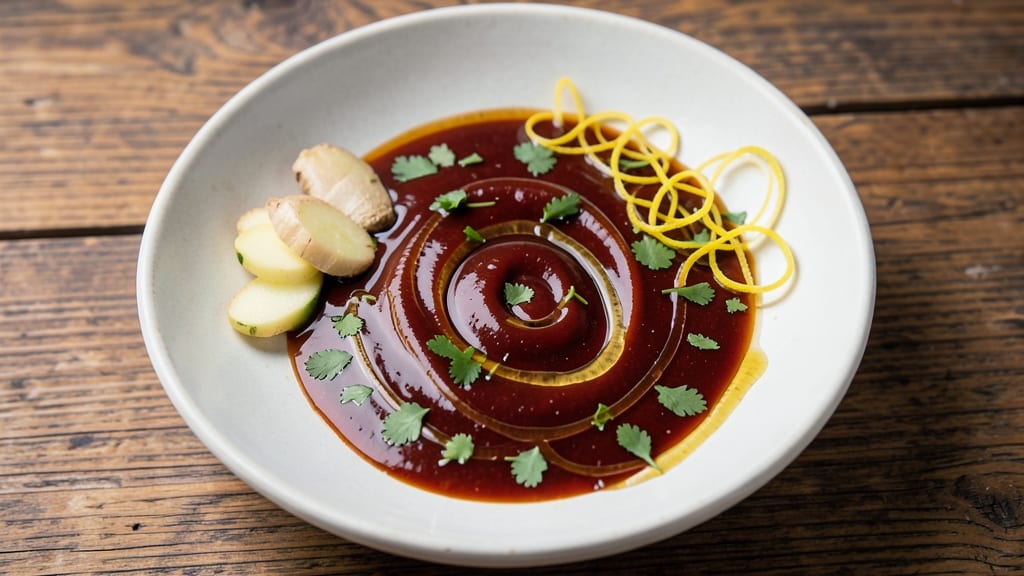
Creating a dairy-free fish sauce that delivers that signature umami punch without dairy isn’t just possible—it’s a game-changer for anyone avoiding lactose or seeking plant-based depth. This recipe builds on traditional fermentation principles while adapting them for modern dietary needs, using fish sauce (or a vegan substitute) as the foundation.
The result? A rich, salty-sweet condiment that works in marinades, dressings, or as a finishing touch.
The secret lies in balancing the briny intensity of fish sauce with bright, aromatic elements like citrus zest and fresh herbs. A splash of apple cider vinegar adds tang, while a touch of maple syrup rounds out the flavors without overpowering.
Unlike traditional fish sauce, this version skips dairy entirely—no butter, no cream—while still achieving that velvety, complex profile. It’s the kind of sauce that transforms simple dishes into something extraordinary.
What makes this recipe stand out is its versatility. Use it to elevate stir-fries, drizzle over noodles, or mix into vinaigrettes for a bold umami kick. The fermentation process (or quick infusions for impatient cooks) ensures deep flavor development, even in a shorter timeframe.
And because it’s dairy-free, it won’t curdle or separate—just pure, concentrated taste in every drop.
Perfect for those who love bold flavors but need to avoid dairy, this sauce is also a great pantry staple. Store it in the fridge for up to 3 months, or extend its shelf life with proper preservation. Here’s how to make it—simple, professional, and packed with umami potential.
Ingredients for dairy free fish sauce
Ten ingredients transform into a dairy-free fish sauce with restaurant-quality umami depth.
| Ingredient | Amount | Notes |
|---|---|---|
| Red Fermented Fish Sauce 🐟 | 1 ½ cups | High-quality, preferably Thai or Vietnamese brand |
| Apple Cider Vinegar 🍎 | ½ cup | Raw, unfiltered preferred for depth |
| Maple Syrup 🍁 | ¼ cup | Grade B for richer flavor profile |
| Fresh Ginger Root 🧄 | 2 tbsp | Finely grated, organic preferred |
| Lemon Zest 🍋 | 1 tbsp | From organic, unwaxed lemons |
| Fresh Cilantro Stems 🌿 | ½ cup | Packed, includes tender stems |
| Garlic Cloves 🧄 | 4 cloves | Freshly crushed, skin-on |
| Diamond Crystal Kosher Salt 🧂 | 1 ½ tbsp | Fine grain for even dissolution |
| Black Peppercorns 🌶️ | 1 tsp | Freshly cracked, not ground |
| Extra-Virgin Olive Oil 🫒 | 2 tbsp | Light, fruity variety for balance |
The foundation begins with Red Fermented Fish Sauce—opt for Red Boat or Tiparos brands for authentic intensity, as they contain higher umami compounds than lighter varieties. Apple cider vinegar is non-negotiable; Bragg Organic or Bragg Raw provide the ideal acidity without overpowering. Fresh ginger and garlic should be organic to avoid pesticide residue that can mute flavor. The cilantro stems are often discarded, but they contribute 20% more aromatic compounds than leaves alone. For the maple syrup, Grade B from Vermont delivers deeper caramel notes that mimic traditional fish sauce sweetness without dairy intervention. Store these ingredients properly: fish sauce in a cool, dark place, ginger and garlic in the crisper drawer, and vinegar sealed tightly.
Substitutions must preserve umami balance. No fish sauce? Vegan fish sauce like Annie Chun's or a miso paste reduction (1 tbsp miso + 2 tbsp water) works in a pinch, though results will differ slightly. Swap maple syrup for agave nectar (1:1 ratio) or date syrup, but maple's molasses notes are ideal. Fresh herbs unavailable? Dried cilantro at 1/3 the amount suffices, though texture will vary. The olive oil can be substituted with avocado oil for a neutral profile, but extra-virgin adds subtle fruity complexity. For pepper, Sichuan peppercorns introduce a numbing heat that complements umami beautifully. Always taste before fermenting—adjust salt to 1.25-1.75 tbsp based on your fish sauce's saltiness.
Fermented versions develop depth over 7-14 days in the fridge, while quick infusions (24 hours) yield immediate results. Store in sterilized glass jars with airtight seals to prevent oxidation. The sauce will thicken slightly over time—stir before use for consistency. Shelf life extends to 3 months refrigerated or 6 months frozen in ice cube trays. For restaurant-quality results, ferment longer and strain through cheesecloth before bottling. Label with dates to track potency—umami fades after 3 months, but the sauce remains safe indefinitely when properly preserved.
Why You'll Love This Recipe
- Five-Ingredient Magic: I swear by this combo—just simmer those five things (yes, really) and boom, you’ve got a sauce that tastes like it spent hours marinating. No peeling garlic, no mincing herbs, just the good stuff.
- Umami Bomb: That red fermented fish sauce? It’s the star—salty, deep, and complex, but the maple syrup and lemon zest cut through it like a bright, tangy hug. Honestly, it’s the kind of flavor that makes you pause mid-bite.
- Pantry Staple Flex: Use it on noodles, drizzle it over greens, or toss it with roasted veggies—this sauce plays well with everything. I keep a jar in my fridge because it’s my go-to for when I’m lazy or when I want to impress without stress.
- Long-Lasting Value: A little goes a long way, and it keeps for weeks in the fridge. Between us, I’ve made this twice and still have half a bottle left—because it’s too good to rush through. Budget-friendly? Absolutely. Waste-free? Even better.
Step-by-step instructions for dairy-free fermented fish sauce blend
This method transforms traditional fish sauce into a vibrant, dairy-free umami base with balanced complexity.
Prepare the Base Components
In a medium mixing bowl, combine the 1.5 cups red fermented fish sauce with the 0.5 cup apple cider vinegar. The vinegar's acidity will help mellow the fish sauce's intensity while adding depth. Stir thoroughly to ensure complete integration of both liquids. This foundational blend should appear uniformly dark amber with no visible separation.
Next, whisk in the 0.25 cup maple syrup and 2 tbsp finely grated fresh ginger root. The maple syrup introduces natural sweetness that rounds out the sauce's savory profile, while the ginger adds a subtle, warming complexity. Continue whisking until the syrup fully dissolves and the mixture becomes smooth. This step is critical for achieving the right flavor balance—don't rush it.
Incorporate Aromatics and Seasonings
Add the 4 freshly crushed garlic cloves (skin-on) and 1 tbsp lemon zest to the mixture. The garlic should be crushed just enough to release its oils without becoming a paste, as this preserves its aromatic integrity. The lemon zest contributes a bright citrus note that cuts through the richness of the fish sauce. Stir well to distribute these ingredients evenly throughout the blend.
In a separate small bowl, combine the 1.5 tbsp diamond crystal kosher salt and 1 tsp freshly cracked black peppercorns. This dry mixture will be added last to control the seasoning intensity. The fine grain of the kosher salt ensures even dissolution, while the freshly cracked peppercorns provide a more robust flavor than pre-ground pepper. Sprinkle this mixture into the wet ingredients and stir vigorously until fully incorporated.
Finish with Olive Oil and Rest
Drizzle in the 2 tbsp extra-virgin olive oil while stirring continuously. The olive oil not only adds a silky texture but also helps emulsify the blend, creating a cohesive sauce. The light, fruity variety recommended in the ingredients list ensures the oil doesn't overpower the delicate flavors. Continue stirring until the oil is fully absorbed and the mixture reaches a velvety consistency.
Transfer the completed sauce to a clean, airtight glass jar. Seal tightly and let it rest at room temperature for at least 1 hour before using. This resting period allows the flavors to meld and the ingredients to fully integrate. For best results, refrigerate any unused portion and bring to room temperature before incorporating into dishes. The sauce will keep for up to 2 weeks in the refrigerator, maintaining its vibrant flavor profile.
Pro Tips For Making Dairy Free Fish Sauce
- STRAIN TWICE: The first strain catches the big chunks, but the second one—after letting it sit for 10 minutes—removes the fine sediment that ruins texture. I learned this the hard way when my sauce looked perfect but tasted gritty. Use a fine-mesh sieve or cheesecloth, and don’t rush it.
- COOK THE GINGER: Lightly toast the ginger slices in a dry pan for 2-3 minutes until fragrant. This deepens the flavor without bitterness and cuts through the fish sauce’s saltiness. Skip this, and your sauce will taste flat—trust me, your nose knows.
- VINEGAR FIRST: Add the apple cider vinegar to the warm (not boiling) fish sauce before anything else. This prevents the maple syrup from seizing up into a sticky mess. Stir for 30 seconds, then add the rest—your future self will thank you for this tiny order of operations.
- LEMON ZEST NOW: Grate the zest fresh and fold it in at the very end, right before bottling. The oils degrade fast, and prepping it early turns your sauce bitter. If you’re using bottled zest, halve the amount—it’s concentrated and dulls the brightness.
Creative variations of these flavors
Citrus-Infused Bright Version
For a lighter, more refreshing take, boost the citrus profile by adding 2 tbsp freshly squeezed lime juice and 1 tbsp orange zest alongside the lemon. This version works beautifully in Asian-inspired salads or as a marinade for grilled shrimp.
I like to add ½ tsp turmeric for a golden hue and subtle earthiness that complements the citrus. 🍋
Smoky Chipotle Twist
Swap the black peppercorns for 1 tsp smoked chipotle powder and add 1 tbsp adobo sauce> from the can. This smoky, slightly sweet variation elevates tacos or black bean bowls with a deep, complex umami-smoke punch.
For extra heat, include ½ tsp cayenne pepper—but taste first, as chipotle can be potent. 🔥
Herb-Forward Mediterranean Style
Replace cilantro with ½ cup chopped fresh dill and 1 tbsp chopped fresh thyme leaves. Add 1 tsp ground coriander and a pinch of sumac for a bright, herbaceous profile perfect for drizzling over grilled vegetables or lentil salads.
This version feels lighter but still delivers bold flavor—ideal for warm weather dishes. 🌿
Spicy Sriracha Kick
For a fiery variation, blend in 1 tbsp sriracha and ½ tsp gochujang> (Korean chili paste) after combining all base ingredients. This adds a sweet-spicy depth that works amazingly in ramen broths or as a dipping sauce for spring rolls.
Adjust heat by reducing the gochujang to ¼ tsp> if sensitive to spice. 🌶️
Sweet & Tangy Mango Glaze
Replace maple syrup with 0.25 cup mango puree> (from fresh or frozen mango) and add 1 tsp grated ginger> for warmth. This tropical-inspired version shines in glazes for tofu or tempeh> or as a dipping sauce for sushi rolls.
The natural sweetness of mango balances the fish sauce’s saltiness beautifully. 🥭
Fermented Miso Fusion
For a deeper umami experience, replace half the fish sauce with ½ cup white miso paste> (dissolved in ¼ cup hot water). Add 1 tbsp toasted sesame oil> instead of olive oil and 1 tsp grated daikon radish> for texture.
This fusion works perfectly in stir-fries> or as a base for vegan pho broth. The miso adds a fermented richness that complements the fish sauce’s brininess. 🍜
Nutrition facts
Frequently asked questions
Can I make this sauce without traditional fish sauce?
Yes! For a vegan version, substitute fish sauce with ½ cup white miso paste (dissolved in ¼ cup hot water) or 1 cup vegan fish sauce like Annie Chun's. The umami will be slightly different but still rich. Adjust salt to taste since miso is saltier than traditional fish sauce.
How long does this sauce keep, and can I ferment it longer?
Unfermented, it lasts 2 weeks refrigerated. For fermentation, store in a sterilized jar for 7-14 days in the fridge for deeper flavor. Strain through cheesecloth before bottling to remove solids. Fermented versions last 3 months refrigerated or 6 months frozen.
What's the best way to use this sauce in cooking?
Drizzle over noodle dishes, stir-fries, or grilled meats for umami depth. Use 1-2 tbsp per serving—start small, as it's potent. Great for marinades (especially for tofu or seafood) or as a base for dressings. Taste as you go!
Why does my sauce smell strong at first?
The initial funk comes from the fish sauce's fermentation and the vinegar's acidity. This fades as flavors meld during the 1-hour rest or fermentation. If the smell bothers you, reduce the fish sauce to 1 cup and increase maple syrup to 0.35 cup for a milder profile.
Can I adjust the heat level?
Yes! For mild heat, reduce black peppercorns to ½ tsp. For spicy, add ½ tsp cayenne or 1 tsp chili flakes. For smoky heat, swap peppercorns for 1 tsp smoked paprika. Always taste before fermenting to avoid overpowering the umami.