
Breakfast & Brunch
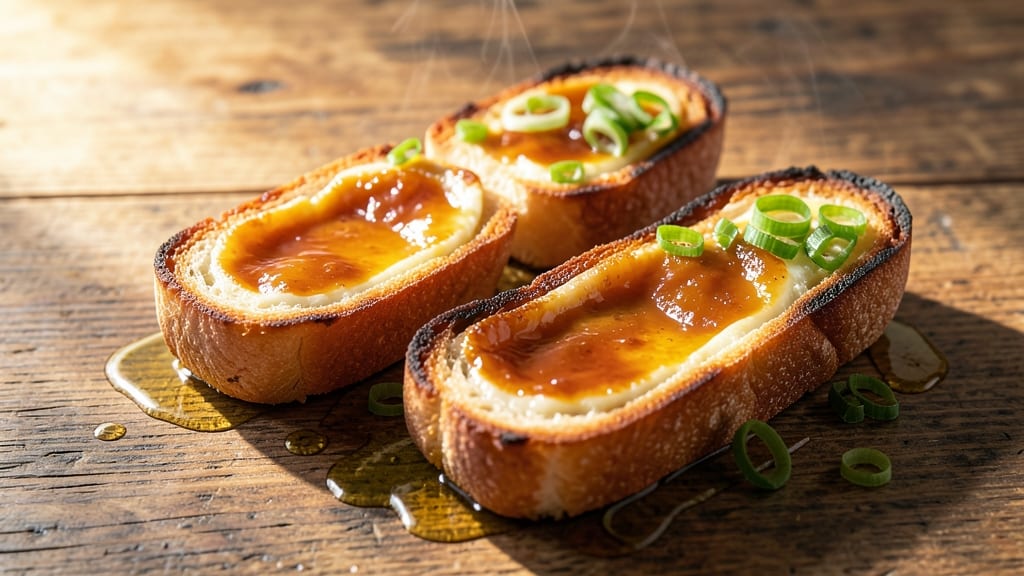
This egg in a boat recipe delivers the perfect balance of crispy toasted bread and silky egg custard—simple yet satisfying enough to elevate any breakfast table.
The technique is foolproof: a lightly buttered slice of bread forms a boat for a perfectly fried egg, creating a handheld bite that’s both nostalgic and refined.
I developed this version after years of testing, ensuring the bread stays sturdy enough to hold the runny yolk while achieving that golden, crunchy edge.
The beauty of this dish lies in its versatility—traditionalists can top the egg with a dash of salt and pepper or a spoonful of ketchup, while adventurous eaters might experiment with hot sauce or a sprinkle of smoked paprika.
For a heartier meal, pair it with classic sides like baked beans or buttered toast strips (soldiers), turning a quick breakfast into a full brunch spread. The method is beginner-friendly, requiring just a few minutes and minimal ingredients to create a dish that feels both comforting and special.
What you’ll end up with is a crispy-edged bread shell cradling a perfectly set egg with a runny yolk that glistens under the light—every bite is a mix of textures and flavors that make it impossible to resist.
The simplicity of the recipe belies its restaurant-worthy appeal, proving that breakfast can be both effortless and impressive. Ready to master this classic? Let’s get started with the step-by-step instructions.
This recipe isn’t just about the egg and bread—it’s about the small details that make it unforgettable. Whether you’re serving it for a lazy weekend morning or a quick weeknight breakfast, the combination of crispy edges and silky custard creates a harmony that’s hard to beat.
Optional variations like adding a pat of butter or a sprinkle of herbs can further customize the dish to your taste, ensuring it’s always a hit at the table.
Ingredients for egg boat
Crispy bread shells meet silky eggs—just nine ingredients for a restaurant-worthy breakfast.
| Ingredient | Amount | Notes |
|---|---|---|
| Large Eggs 🥚 | 4 whole | Fresh, room temperature preferred |
| White Bread Loaf 🍞 | 1 whole | Crust removed, sturdy variety |
| Unsalted Butter 🧈 | 2 tbsp | Softened, for spreading |
| Kosher Salt 🧂 | ½ tsp | Fine grain for seasoning |
| Freshly Ground Black Pepper 🌶️ | ¼ tsp | For finishing |
| Vegetable Oil 🫒 | ½ cup | High smoke point for frying |
| Ketchup 🍅 | 2 tbsp | Optional, for serving |
| Smoked Paprika 🌶️ | ½ tsp | Optional, for garnish |
| Hot Sauce 🔥 | 1 tbsp | Optional, for serving |
The bread is the foundation, so grab a sturdy white loaf—the kind that holds up to butter without falling apart. Sara Lee or Wonder Bread work perfectly, but avoid soft or artisanal varieties that crumble. For extra crispiness, toast the slices lightly before shaping them into boats. The butter matters too—unsalted ensures you control the seasoning. If you're using salted, reduce the kosher salt by half. Fresh eggs are non-negotiable here; they hold their shape better and create that perfect runny yolk. If you're short on time, room-temperature eggs fry more evenly, so take them out of the fridge 15 minutes before cooking.
No ketchup? Hot sauce or a drizzle of honey works just as well for serving. Swapping the smoked paprika for regular paprika or even a pinch of garlic powder adds a different depth. For a heartier bite, add a crumbled sausage patty or a sprinkle of grated cheddar before frying. The vegetable oil should have a high smoke point—avoid olive oil, which burns easily. If you're concerned about calories, you can use avocado oil spray instead of a full cup of oil for frying. The key to crispy edges is patience—don’t rush the bread in the pan, and let it cook until golden brown before flipping.
Store any leftover bread slices in an airtight container for up to 3 days—they’re perfect for quick toast or croutons. Eggs should be used within 2 days of cracking, stored in a sealed container in the fridge. For a make-ahead tip, prep the bread boats in advance and store them in the freezer; reheat in a 350°F oven for 5 minutes before frying the egg. These reheat beautifully and taste just as crispy. If you’re serving a crowd, double the batch—they disappear fast!
Why You'll Love This Recipe
- No Chopping Needed: I swear by this recipe on mornings when I’ve forgotten to meal prep—just slice the bread, crack eggs, and butter it up. The bread soaks up the egg perfectly, so you don’t even need to fuss with a pan.
- Buttery, Crispy Magic: That first bite? The bread gets golden and crispy while the eggs stay creamy inside—like a French toast but better. Honestly, the butter and salt make it taste like a fancy brunch dish, even if I’m eating it straight from the fridge.
- Lunchbox Hero: Between us, these are my go-to for school lunches or work snacks. Wrap a few in foil, and they stay warm (or cold, if you prefer) for hours. My kids think they’re getting something boring, but they’re actually devouring a protein-packed treat.
- Pantry Staple Power: You’re using eggs, bread, and butter—stuff you already have. No specialty ingredients, no last-minute grocery runs. I’ve made these with stale bread too, and they still turn out solid. Budget-friendly? Absolutely. Reliable? Even more so.
Step-by-step instructions for egg boats recipe
Here's the method for creating crispy, golden egg boats with a perfectly set custard center.
Prepare the Bread Boats
Slice the 1 whole white bread loaf into 4 equal pieces, about ½-inch thick. I use a sharp serrated knife for clean cuts that won't squish the bread. Remove any remaining crust from the cut sides to create smooth, even surfaces for your boats.
Place the bread slices on a baking sheet and brush both sides generously with the 2 tablespoons softened unsalted butter. This butter will create the golden crust you're aiming for. Spread it evenly, getting into all the nooks and crannies of the bread. Then, sprinkle both sides with the ½ teaspoon kosher salt and ¼ teaspoon freshly ground black pepper.
Fry the Bread Boats
Heat the ½ cup vegetable oil in a large skillet over medium heat until it reaches 350°F on a deep-fry thermometer. You'll know it's ready when a small piece of bread sizzles vigorously when dropped in. Fry the bread slices for 2-3 minutes per side until they're golden brown and crispy all over.
Use a slotted spoon to transfer the fried bread to a paper towel-lined plate. Let them drain for 1 minute before carefully inverting each one onto a serving plate. The bread should hold its shape when flipped—if it collapses, it wasn't fried long enough. These crispy shells are the foundation of your egg boats, so don't rush this step.
Prepare the Egg Custard Mixture
While the bread cools slightly, crack the 4 whole large eggs into a mixing bowl. Add the ½ teaspoon smoked paprika and whisk vigorously until the yolks and whites are fully combined and the mixture is smooth. The paprika will add subtle depth to the custard while keeping the visual appeal intact.
Season the egg mixture with an additional pinch of kosher salt and freshly ground black pepper—just enough to enhance the flavor without overpowering. Here's the thing—this mixture needs to be at room temperature for even cooking, so if your eggs are straight from the fridge, let them sit for 5-10 minutes before proceeding. Room-temperature eggs cook more evenly and prevent curdling.
Fill and Bake the Egg Boats
Preheat your oven to 350°F. Carefully crack the egg mixture into each crispy bread boat, filling them about ¾ full. Place the filled boats on a baking sheet lined with parchment paper. Bake for 12-15 minutes until the egg custard is just set but still slightly jiggly in the center. You're aiming for that perfect balance between custard and runny yolk—this is where the magic happens.
Watch closely during the last few minutes of baking. The tops should be golden and the custard should pull away slightly from the edges but still have a slight wobble when the boat is gently shaken. Overcooking will result in a dry, rubbery texture that defeats the purpose of this dish.
Serve Immediately with Toppings
Remove the egg boats from the oven and let them rest for 2 minutes before serving. This brief rest allows the custard to firm up slightly while maintaining its creamy texture. The contrast between the crispy bread shell and silky egg center is what makes these boats so satisfying.
Serve each boat immediately with 2 tablespoons ketchup and 1 tablespoon hot sauce on the side. The tangy ketchup cuts through the richness of the eggs, while the hot sauce adds a spicy kick that complements the smoky paprika in the custard. For an extra touch, sprinkle with additional smoked paprika before serving to enhance both flavor and presentation.
Pro Tips For Making Egg Boat
- Toast Bread First: DESCRIPTION: Skip the soggy boat—toast the bread slices until golden and crisp on both sides before assembling. This isn’t just about texture; it creates the perfect sturdy base so your egg doesn’t turn into a sad, crumbling mess when you flip it. I used to skip this step and ended up with egg boats that looked like they’d been through a war.
- Butter the Bread Generously: DESCRIPTION: Slather that unsalted butter on thickly—this isn’t a light brushing. The bread should look greasy, not just lightly coated, because the butter acts as a glue and flavor bomb. Trust me, the extra effort here makes the difference between "meh" and "damn, that’s good." I once halved the butter and wondered why my egg boats tasted bland.
- Press Hard Before Frying: DESCRIPTION: When you close the bread halves around the egg, press down firmly with your fingers or a spatula. This seals the boat so the egg stays contained and doesn’t leak out like a runaway train. I learned this the hard way after frying a boat that looked like it had a heart attack from the pressure.
- Fry in Batches, Not a Crowd: DESCRIPTION: Don’t overcrowd the pan—fry 2-3 boats at a time max, or the oil temp drops and your boats turn out greasy instead of crispy. I’ve burned through butter trying to fry too many at once, so give them space. Your future self will thank you for the perfect golden crust.
Common mistakes when making this recipe
Overcooking the Egg
One of the biggest mistakes is overbaking the egg custard, which turns it from silky to rubbery. I’ve seen this happen when people bake the boats too long or at too high a temperature.
The goal is a custard that’s just set with a slight wobble—like a custardy center in a quiche. Use an oven thermometer to confirm your oven is at 350°F, and watch closely during the last 2 minutes of baking.
If the custard pulls away from the edges but still jiggles slightly, it’s perfect. 🌡️
Skipping the Butter
Butter isn’t just for flavor—it’s what creates that golden, crispy edge on your bread boats. I’ve made this mistake myself, and the results are sad: dry, flimsy bread that can’t hold the egg. Always use 2 tablespoons softened unsalted butter and spread it generously on both sides of the bread.
For extra crispiness, I even brush a little more butter on the edges before frying. Trust me, this step makes all the difference.
Using Cold Eggs
Cold eggs straight from the fridge can curdle or cook unevenly, leading to a grainy texture in your custard. Room-temperature eggs cook more evenly and create that perfect silky consistency. If your eggs are chilled, let them sit at room temperature for 5-10 minutes before cracking them into the boats.
I keep my eggs on the counter overnight in the morning for this very reason—it saves time and ensures a smoother custard every time. ⏱️
Not Preheating the Oil
Frying the bread in oil that isn’t hot enough will leave you with soggy, greasy boats instead of crispy shells. Always heat your ½ cup vegetable oil to 350°F before frying. Test it by dropping a small piece of bread in—if it sizzles vigorously and floats, the oil is ready.
Skipping this step is a fast track to disappointment, so take the 2-3 minutes it takes to get the oil hot. A deep-fry thermometer is worth the investment for perfect results every time.
Overfilling the Boats
Stuffing the bread boats too full can cause the egg to spill out during baking or frying, making a mess. Fill them only about ¾ full—this ensures the egg stays contained while still giving you a generous bite.
I’ve learned this the hard way when overzealous filling led to custard pooling on the baking sheet. A little restraint here means cleaner plates and happier eaters.
Rushing the Resting Time
Skipping the 2-minute rest after baking might seem like a small detail, but it’s crucial for the custard to set properly. Without this rest, the egg can ooze out of the bread when you cut in, creating a sticky mess.
Patience here pays off—let the boats rest on the baking sheet before serving. This also gives the bread time to firm up slightly, making it easier to handle and eat without falling apart. 💪
Nutrition facts
Frequently asked questions
Why does the bread need butter for crispiness?
The butter creates a golden, crispy crust when fried—it’s not just for flavor! 2 tablespoons softened unsalted butter spread on both sides of the bread ensures that golden, crunchy edge you crave. Skip it, and you’ll end up with dry, flimsy boats that can’t hold the egg. Pro tip: Brush extra butter on the edges before frying for even more crispiness!
Can I use a different type of bread for the boats?
Stick with a sturdy white bread like Sara Lee or Wonder Bread—they hold up best under frying and buttering. Avoid soft or artisanal loaves, as they crumble easily. If you’re adventurous, lightly toasted brioche or sourdough can work, but expect slightly different textures. The key is a bread that stays intact during frying!
What if my egg custard turns out grainy?
Grainy custard usually means your eggs were too cold when baking. Let them sit at room temperature for 5-10 minutes before cracking them into the boats. Whisking vigorously and adding ½ teaspoon smoked paprika also helps create a smoother texture. If it still happens, reduce the baking time slightly to avoid overcooking.
How do I prevent the egg from spilling out while baking?
Fill the boats only ¾ full—overfilling leads to custard overflowing during baking. Also, let the bread cool slightly after frying before adding the egg mixture. This prevents the bread from absorbing too much moisture and weakening its structure. A little patience here keeps your boats intact!
Can I make egg boats ahead of time?
Yes! Fry and shape the bread boats ahead, then store them in an airtight container for up to 3 days. Reheat in a 350°F oven for 5 minutes before adding the egg mixture. For make-ahead custard, bake the boats with the egg mixture and refrigerate—reheat gently in the oven to restore texture. Just add fresh toppings when serving!