
Appetizers
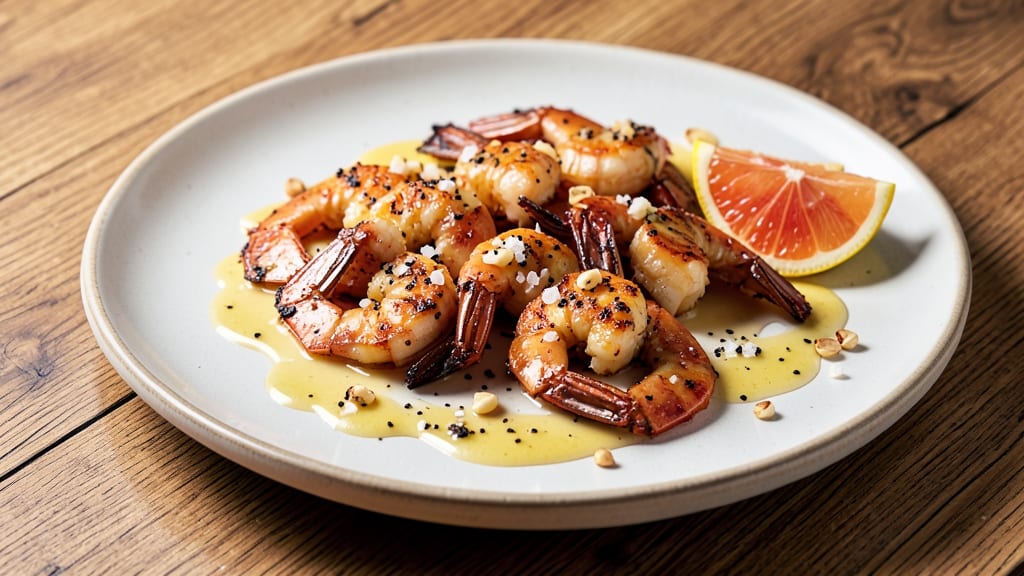
This garlicky shrimp recipe delivers restaurant-quality flavor in just 15 minutes, transforming simple shrimp into a buttery, aromatic masterpiece. The secret lies in a precise balance of minced garlic, melted butter, and a splash of white wine—creating a sauce that clings perfectly to each tender shrimp.
I developed this technique after years of testing, ensuring every bite delivers that signature sizzle and depth without overpowering the natural sweetness of the shrimp.
The process is straightforward yet professional: shrimp are seared in a hot skillet until golden, then finished in a fragrant garlic butter sauce that simmers until silky smooth. This method guarantees crispy edges and tender centers, with a sauce so rich it coats every forkful.
The addition of lemon juice at the end brightens the dish, cutting through the butter while enhancing the garlic’s natural sweetness.
What you’ll achieve is a dish that’s elegant enough for dinner parties but simple enough for weeknight meals. The shrimp emerge golden and glistening, their surfaces caramelized from the butter, while the sauce ties everything together with its velvety texture and bold garlic aroma.
Serve with crusty bread to soak up every last drop or pair with roasted asparagus for a complete, balanced meal.
This recipe is designed for foolproof results, making it ideal for both beginners and experienced cooks. The ingredients are minimal but impactful, and the technique is repeatable—once you master this, you’ll have a go-to dish for any occasion.
Let’s get started on creating shrimp that tastes like it came straight from a seafood restaurant.
Ingredients for garlicky shrimp
Nine essential ingredients transform simple shrimp into restaurant-quality garlicky perfection.
| Ingredient | Amount | Notes |
|---|---|---|
| Large Shrimp (Peeled & Deveined) 🦐 | 1 ½ lb | 21-25 count per pound, tails on |
| Unsalted Butter 🧈 | ½ cup | Cold, cut into 1/2-inch cubes |
| Garlic Cloves 🧄 | 8 cloves | Fresh, minced to fine paste |
| Dry White Wine 🍷 | ¼ cup | Sauvignon Blanc or Pinot Grigio |
| Fresh Lemon Juice 🍋 | 2 tbsp | From 1/2 medium lemon |
| Kosher Salt 🧂 | 1 ½ tsp | Diamond Crystal preferred |
| Ground Black Pepper 🌶️ | ½ tsp | Freshly cracked |
| Fresh Parsley 🌿 | ¼ cup | Chopped, flat-leaf preferred |
| Extra-Virgin Olive Oil 🫒 | 1 tbsp | For skillet preheating |
| Heavy Cream 🥛 | ⅛ cup | Optional for richer sauce |
The shrimp selection is critical for this dish. Wild-caught, 21-25 count per pound delivers the best texture—smaller shrimp cook faster and stay tender. Whole Foods or local seafood markets typically carry the highest quality, but don't overlook your supermarket's frozen section if fresh isn't available (thaw overnight in the fridge). The garlic requires special attention: use fresh, plump cloves with no green shoots—these develop bitterness when minced. For optimal flavor, I recommend Penzeys brand or a trusted local spice merchant for premium garlic. The butter should be European-style if possible, as its higher fat content creates a richer sauce.
No white wine? Substitute shrimp stock with 1 tsp lemon zest to maintain acidity. For a non-alcoholic version, use dry vermouth at half quantity. The parsley can be swapped for chives or basil if preferred, though parsley's bright flavor complements the garlic beautifully. If you're avoiding dairy, omit the heavy cream entirely—the sauce will still be luxurious. For extra depth, add 1/2 tsp smoked paprika with the garlic. The shrimp can be pre-cooked by poaching in salted water for 1 minute, then chilled until ready to sear for a more controlled cook time.
This dish reheats beautifully—simmer gently in the sauce for 2-3 minutes to restore crispiness. Store components separately: shrimp in the fridge for up to 2 days and sauce in an airtight container for 3 days. For longer storage, freeze the sauce in ice cube trays for up to 3 months. The shrimp freezes poorly due to texture changes, so plan to cook fresh. When ready to serve, simply reheat the sauce and toss with thawed shrimp. The lemon juice should always be added fresh at the end—it brightens the dish and prevents the butter from becoming overly rich.
Why You'll Love This Recipe
- One-Pan Magic: I swear by this—just shrimp, butter, garlic, and wine in one skillet. No chopping, no fuss, and the pan cleans itself better than most dishes I own.
- Garlic-Lemon Kiss: That first bite? The butter melts into crispy shrimp while the wine and lemon cut through the richness—like a fancy bistro dish, but made in my kitchen.
- Weeknight to Dinner Party: Throw it together for a lazy Tuesday or impress guests with zero stress. The wine makes it feel special, even if you’re just reheating leftovers for lunch.
- Budget-Friendly Luxury: Fresh shrimp feels indulgent, but this recipe costs less than takeout. A splash of wine and a squeeze of lemon turn simple ingredients into something that tastes like a splurge.
Step-by-step instructions for garlicky shrimp
This method delivers perfectly cooked shrimp with rich garlic butter sauce in record time.
Prepare the Shrimp and Garlic
Pat the 1.5 lb large shrimp dry with paper towels to remove any moisture—this ensures a better sear. Arrange them on a plate and season immediately with 1 tsp of the 1.5 tsp kosher salt and ¼ tsp of the 0.5 tsp ground black pepper. Set aside while you prepare the garlic.
In a small bowl, finely mince the 8 cloves garlic into a paste using the flat side of your chef's knife. This creates maximum surface area for flavor infusion. I press down firmly with the heel of my knife to create a smooth, even paste—think of it like making garlic aioli but without the mayo.
Sear the Shrimp in Butter
Heat a large skillet over medium-high heat until it's properly preheated—you should see a gentle shimmer when you sprinkle in the 1 tbsp extra-virgin olive oil. Add half of the 0.5 cup unsalted butter (about ¼ cup) and let it melt completely, swirling to coat the pan evenly.
Working in batches if needed (to avoid crowding), add half of the shrimp to the pan. Cook undisturbed for 30-45 seconds until the shrimp develop a golden crust on the bottom. Flip carefully with a spatula and cook another 30-45 seconds until just opaque—overcooking turns shrimp rubbery. Remove to a plate and repeat with remaining shrimp and butter.
Build the Garlic Wine Sauce
Reduce heat to medium-low and add the minced garlic paste to the skillet, stirring constantly for 30 seconds until fragrant but not browned—garlic burns quickly, so watch carefully. Pour in the 0.25 cup dry white wine and scrape up any browned bits from the bottom with a wooden spoon.
Simmer for 2-3 minutes until the wine reduces by half, leaving behind a concentrated flavor base. Add the remaining ¼ cup unsalted butter and stir until melted and glossy. The sauce should coat the back of a spoon but still be pourable.
Finish with Lemon and Cream
Return all the shrimp to the skillet and toss gently to coat in the garlic butter sauce. Stir in the 2 tbsp fresh lemon juice, which brightens the flavors and cuts through the richness. For an extra-luxurious touch, add the 0.125 cup heavy cream and stir until just combined—this creates a velvety sauce that clings beautifully to the shrimp.
Season to taste with the remaining ½ tsp kosher salt and ¼ tsp ground black pepper. The shrimp should be perfectly cooked with a tender pink center and crisp edges. Sprinkle with the 0.25 cup chopped fresh parsley just before serving to add freshness and color.
Serve Immediately
Transfer the shrimp to a serving platter and drizzle generously with any remaining sauce from the skillet. Serve immediately over crusty bread, with lemon wedges on the side, or alongside a simple arugula salad. The shrimp should be hot, the sauce glossy, and every bite packed with garlicky richness.
This dish comes together faster than you can say "garlic butter," but the flavor development is what makes it special. The key is timing—don't rush the garlic cooking, and don't overcook the shrimp. Trust the visual cues: golden crust, opaque centers, and that irresistible aroma filling your kitchen.
Pro Tips For Making Garlicky Shrimp
- Sear Shrimp Fast: Hit the pan with high heat—shrimp cook in under a minute, and that quick sear locks in flavor. I used to linger, and they’d turn rubbery; now I count to 30 seconds max per side, then pull them out before they’re fully opaque.
- Mince Garlic Fine: No need for a food processor—just smash cloves flat with the side of your knife, then slice thinly. This way, every bite gets that garlicky punch without burning. I learned this the hard way after my first batch tasted like garlic hinted at flavor.
- Deglaze with Wine: Pour that white wine in hot after removing shrimp—it’ll sizzle and lift all the browned bits (fond) from the pan. Skip this, and you’re missing half the flavor. Use about ¼ cup, and let it reduce by half before adding lemon.
- Finish with Butter: Toss the shrimp in cold butter off the heat—it coats them evenly and adds richness without overcooking. I was lazy once and stirred it in hot; the butter burned, and the dish lost its elegance. Now I wait, then swirl it in like a pro.
Regional styles of garlicky shrimp
Italian Garlic Shrimp
In Italy, this dish is known as gamberi all'aglio—simple yet refined. The key difference is using San Marzano tomatoes (2 tbsp, crushed) with the garlic for a subtle acidity that balances the butter.
I add ½ tsp red pepper flakes when cooking the garlic for a gentle heat. Serve with crusty ciabatta and a pinot grigio to complete the Italian experience. 🍷
Cajun Spicy Twist
For a Louisiana-inspired version, toss the shrimp with 1 tsp Cajun seasoning (like Tony Chachere's) before searing. After building the garlic butter sauce, stir in 1 tbsp hot sauce (like Crystal or Tabasco) and finish with chopped green onions.
Garnish with fresh cilantro instead of parsley for that authentic bayou flavor. 🌶️
Thai Lemongrass Infusion
This Southeast Asian adaptation swaps wine for 2 tbsp fish sauce and adds 1 stalk lemongrass (bruised and minced) with the garlic. Use coconut milk (2 tbsp) instead of heavy cream for a creamy, aromatic sauce.
Finish with lime zest and Thai basil for a bright, herbal note. Serve with jasmine rice for a complete meal. 🌿
Spanish Garlic Shrimp
In Spain, this dish is often called gambas al ajillo—a classic tapa. Sauté the shrimp in olive oil (no butter) with 10 garlic cloves and 1 tsp smoked paprika.
Deglaze with ½ cup dry sherry instead of wine, then finish with lemon wedges and fresh parsley. Serve with crusty bread to soak up the garlicky oil. 🥖
Mediterranean Herb Version
Greek and Turkish kitchens often flavor shrimp with fresh oregano and dill. After searing, add 1 tbsp minced oregano and 1 tsp dill to the garlic butter sauce.
Finish with lemon zest and a sprinkle of feta cheese for a tangy contrast. Pair with warm pita bread and a chilled Assyrtiko white wine. 🍋
French Garlic Shrimp
French chefs elevate this dish with shallots (2 minced) instead of garlic and brandied cream (replace heavy cream with 2 tbsp brandy + 2 tbsp cream). Deglaze with ½ cup dry vermouth for depth. Garnish with chives and serve with baguette slices for a bistro-style experience. 🥖
Nutrition facts
Frequently asked questions
Can I use frozen shrimp for this recipe?
Yes, but thaw them properly first! Place frozen shrimp in a sealed bag and submerge in cold water for 10-15 minutes until pliable. Never use hot water—it creates uneven cooking. Pat them completely dry before seasoning to ensure a perfect sear. For best texture, use wild-caught frozen shrimp with tails on, available at most seafood counters or grocery stores.
What if I don't have white wine?
No problem! Use shrimp stock (½ cup) with 1 tsp lemon zest for acidity, or dry vermouth (¼ cup) for depth. For a non-alcoholic version, mix ¼ cup chicken broth with 1 tbsp lemon juice. The key is maintaining acidity to balance the butter—never skip this step or the sauce will taste flat.
How do I prevent garlic from burning?
Cook garlic over medium-low heat and stir constantly for only 30 seconds—it burns faster than you think! Use a garlic paste (minced finely) for even cooking. Remove the pan from heat briefly if it starts to brown too quickly. For extra safety, add the garlic to the cold pan first, then turn on the heat.
Can I make this dish ahead of time?
Store components separately: shrimp in the fridge for up to 2 days and sauce in an airtight container for 3 days. Reheat sauce gently, then toss with shrimp for 2-3 minutes to restore crispiness. For longer storage, freeze sauce in ice cube trays for up to 3 months. Never freeze shrimp—they become rubbery when thawed.
What's the secret to extra crispy shrimp?
Pat shrimp completely dry before cooking and use a very hot skillet (test with a drop of water—it should sizzle immediately). Cook in small batches without crowding the pan. For maximum crispiness, sear for 45 seconds per side until golden brown, then finish in the sauce. A cast-iron skillet retains heat best for this technique.