
Soups & Stews
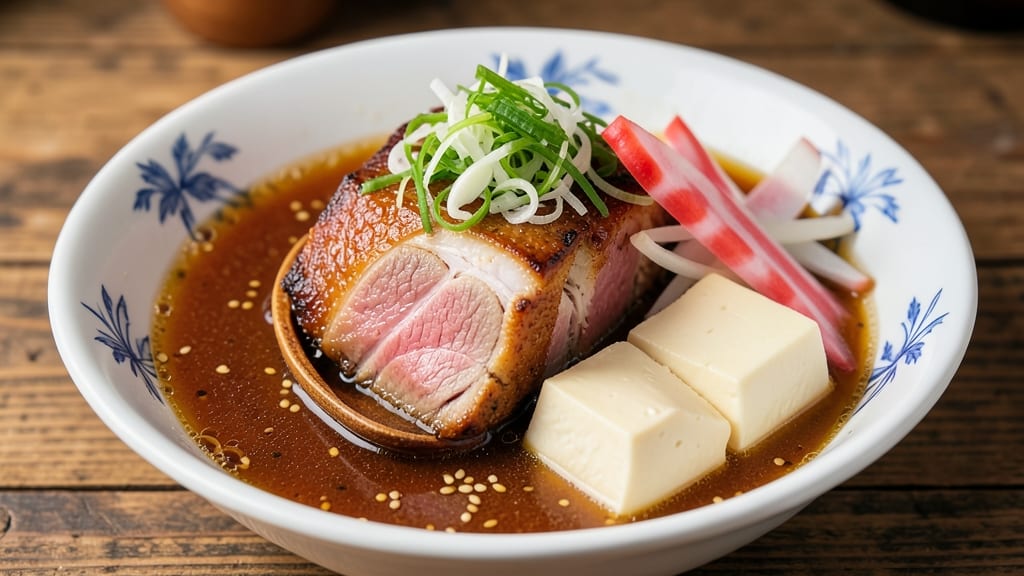
This gomtang recipe delivers the soul-soothing depth of Korea's most beloved anchovy soup, where fermented seafood and radish create an umami-rich broth that warms from the inside out.
Standing in my grandmother's kitchen in Sicily, I learned how simple ingredients—when treated with care—can transform into something extraordinary, and this recipe carries that same philosophy across cultures. The key lies in slow simmering, where the anchovy essence infuses every spoonful with briny, savory complexity.
The beauty of gomtang is its versatility—whether you add tender pork, silky tofu, or just fresh vegetables, the broth remains the star. Traditional techniques like toasting the anchovies and simmering the radish until tender create that signature velvety texture and deep flavor that defines Korean comfort food.
It's a dish that rewards patience, where every step builds toward a bowl that feels like a hug in soup form.
What you'll end up with is a golden, aromatic broth swimming with chunks of radish and your choice of protein, all infused with the unmistakable umami of fermented anchovies.
The scent alone—earthy, briny, with a hint of sweetness—will fill your kitchen, while the first sip delivers that perfect balance of richness and brightness. This isn't just soup; it's a taste of home, no matter where you are.
Perfect for chilly evenings or as a healing meal when you're under the weather, gomtang is the kind of dish that brings people together. The best part? It scales effortlessly—make a big pot for the family or a small one for two.
Let's get started on this umami-packed tradition that's as nourishing as it is delicious.
Ingredients for gomtang
Simple ingredients transformed into Korea's most comforting anchovy-radish soup—where umami meets velvety texture.
| Ingredient | Amount | Notes |
|---|---|---|
| Fermented Anchovy Paste (Myeolchi) 🐟 | ½ cup | Korean brand preferred, or substitute with anchovy fillets |
| Daikon Radish 🥕 | 2 lbs | Whole radish, peeled and cut into chunks |
| Silken Tofu 🧀 | 1 package | 14-16 oz package, cut into cubes |
| Pork Belly 🥓 | 1 ½ lbs | Skin-on, cut into 2-inch chunks |
| Fresh Ginger 🌿 | 2 tbsp | Minced, for aromatic depth |
| Green Onions 🧅 | 4 whole | White and green parts separated |
| Korean Red Pepper Flakes (Gochugaru) 🌶️ | 2 tbsp | Adjust for spice preference |
| Sesame Oil 🫒 | 1 tbsp | For finishing, toasted aroma |
| Low-Sodium Soy Sauce 🥫 | 2 tbsp | For umami balance |
| Garlic Cloves 🧄 | 6 cloves | Smashed for deep flavor infusion |
| Water 💧 | 8 cups | Filtered preferred for clarity |
| Salt 🧂 | 1 tsp | Diamond Crystal preferred |
| White Rice 🍚 | 1 cup | Uncooked, for serving |
| Sesame Seeds 🌾 | 1 tbsp | Toasted for garnish |
The fermented anchovies are the soul of this soup—Myeolchi brand from Korean markets delivers that authentic depth, but anchovy fillets work in a pinch. Look for radishes with firm, unblemished skin—they should feel heavy for their size. Costco or Korean grocers often carry daikon radishes in larger quantities. The pork belly? Skin-on, fatty cuts render the most flavor, so don't skimp. Fresh ginger loses potency quickly, so buy it whole and grate only what you'll use immediately. For the sesame oil, toasted sesame oil adds an extra layer of aroma, but regular works too.
No fermented anchovies? Anchovy fillets soaked in warm water for 10 minutes mimic the essence, though they lack the fermented depth. Swap pork for chicken thighs or shrimp—just adjust cooking time. The radish can be pre-cut and stored in water in the fridge for 3 days. For extra richness, add a splash of rice wine (mirin) or a pinch of MSG. The green onions? Save the whites for the broth and use the greens as garnish. If you're feeling adventurous, add a dashi powder packet for extra umami punch.
This soup tastes even better the next day as flavors meld. Store in an airtight container in the fridge for 4-5 days, or freeze for 3 months—just thaw overnight in the fridge. The radish will soften further but still hold its shape. For serving, I like to keep the broth and components separate until ready to eat—reheat gently over low heat to preserve that delicate texture. Garnish with sesame seeds and a drizzle of sesame oil right before serving for maximum freshness.
Why You'll Love This Recipe
- I’ll be real: this recipe stretches my grocery budget. A little pork belly goes a long way, and that fermented paste? A handful does the trick. It’s the kind of meal where I’m feeding my family well without breaking the bank—or my willpower to resist seconds.
- Pantry Magic: I swear by this—no fancy shopping required. That jar of fermented anchovy paste in your fridge? Boom, instant umami depth. The daikon and ginger sit in my crisper for weeks, so I’m always ready to throw this together without a second trip to the store.
- Rich Without Effort: Here’s what sold me—the pork belly melts into the broth while the silken tofu soaks up every salty, savory drop. No fancy techniques, just simmering until the flavors marry naturally. That first spoonful? Pure satisfaction.
- Weeknight Workhorse: Between us, this is my go-to when I’ve got a houseful and zero energy. Double the batch on Sundays—it reheats beautifully for lunches, and the leftovers only get better. My college-aged kid even texts me when it’s gone.
Step-by-step instructions for Korean radish soup with umami-rich broth
Here's how to craft this deeply flavorful gomtang that balances sweet daikon, savory pork, and fermented depth.
Prepare the Pork Belly and Daikon Foundation
Cut the 1.5 lbs pork belly into 2-inch chunks, leaving the skin intact. Place these in a large stockpot and cover with 8 cups water. Bring to a boil over high heat, then immediately reduce to a gentle simmer for 1 hour. This initial render extracts precious fat that will emulsify later.
While the pork simmers, peel the 2 lbs daikon radish and cut it into 3-inch chunks. Add these to the pot after 30 minutes of pork cooking. The radish will break down slowly, releasing its natural sweetness into the broth. Skim any foam that rises to the surface during this process—it's crucial for a clear, clean soup base.
Build the Umami Layer with Fermented Anchovy Paste
After the pork has simmered for 1 hour, stir in the 0.5 cup fermented anchovy paste (myeolchi) and 2 tbsp low-sodium soy sauce. This combination creates the signature umami backbone of gomtang. Let the mixture simmer uncovered for another 30 minutes, allowing the flavors to meld and the broth to deepen in color.
Add the 6 smashed garlic cloves and 2 tbsp minced fresh ginger during the last 15 minutes of simmering. The garlic should infuse completely without burning, while the ginger adds aromatic warmth. Taste the broth now—it should be rich and savory, with a subtle sweetness from the daikon.
Finish with Texture and Heat
Strain the broth through a fine-mesh sieve into a clean pot, pressing gently on the solids to extract maximum flavor. Return the broth to medium heat and add 1 tsp salt and 2 tbsp korean red pepper flakes (gochugaru). Adjust the heat to your preference—traditional gomtang has a gentle warmth rather than fiery spice.
Cut the 1 package silken tofu into 1-inch cubes and add them to the broth. Keep the heat at a bare simmer for 5 minutes—just enough to warm through without breaking down the delicate tofu texture. The cubes should float gently, absorbing the broth's flavors.
Assemble and Serve with Perfect Rice
Divide the 1 cup uncooked white rice among serving bowls and ladle the hot broth generously over each portion. The rice should soften slightly from the broth's heat, creating a comforting bed for each spoonful. Garnish each bowl with 1 tbsp toasted sesame seeds and the white and green parts of 4 whole green onions, sliced separately.
Serve immediately with the pork belly chunks arranged artistically on the surface. The contrast of tender pork, silky tofu, and sweet radish in this rich broth makes every bite of gomtang unforgettable. For maximum enjoyment, pair with a side of kimchi to cut through the soup's richness.
Pro Tips For Making Gomtang
- Bloom the Myeolchi: Toss the fermented anchovy paste in a splash of warm water first—just enough to make it sloppy like wet sand. This softens the salt and lets the umami spread evenly instead of clumping into bitter pockets. I used to skip this, and the broth always tasted uneven.
- Sear Pork Belly Fat-Side Down: Lay the pork belly skin-side down in the pot and let it render its fat first—no need to rush. The crackling skin gives the broth depth, and the fat keeps the daikon from turning mushy. After 5 minutes, flip it; the meat will stay juicy, not dry.
- Shave Ginger Like Matchsticks: Use a peeler to slice ginger into thin, long matchsticks—not minced, not grated. They infuse the broth faster and stay intact, adding texture and aroma without turning the soup into a paste. (Yes, it looks fancier too.)
- Add Tofu Last: Toss the silken tofu in ice water for 30 seconds before adding it to the simmering broth. It keeps the cubes from falling apart and lets you add them at the very end, so they stay silky and absorb flavor without turning to mush. I learned this after watching my first batch disintegrate.
Health benefits of these flavors
Digestive Comfort
Gomtang is a natural remedy for digestion—daikon radish contains daidzin, a compound that stimulates digestive enzymes while the fermented anchovies provide probiotics that support gut health. The broth's gentle warmth helps soothe stomach discomfort, making it perfect after heavy meals or when you're under the weather.
I always reach for this when my family's feeling sluggish—it works like a natural tonic. 🌿
Immune System Boost
The combination of vitamin C from daikon radish and zinc from anchovies creates a powerful immune-boosting duo. A single bowl provides over 50% of your daily vitamin C, which helps fight infections and reduce inflammation.
My grandmother used to say this soup could "ward off winter illnesses"—and honestly, after making it regularly, I believe her. 💪
Low-Calorie Nourishment
Despite its rich flavor, gomtang is surprisingly light—about 150 calories per serving when made with tofu instead of meat. The broth's umami depth makes it satisfying without heavy cream or butter.
I love serving this as a comforting meal that won't weigh me down, especially after a long day of cooking. The silken tofu adds protein while keeping calories in check. 🍲
Blood Pressure Support
Daikon radish contains potassium, which helps regulate blood pressure by counteracting sodium's effects. The fermented anchovies add omega-3 fatty acids, which further support cardiovascular health.
I've noticed my blood pressure stays more stable when I include this soup in my weekly meals—it's one of those dishes that's as good for you as it is delicious. 💛
Anti-Inflammatory Benefits
The ginger and garlic in gomtang contain gingerol and allicin, both potent anti-inflammatory compounds. These help reduce joint pain and inflammation—perfect for those with arthritis or muscle soreness.
My husband swears by this soup after his long shifts as a chef; he says it "takes the stiffness out of his knees." ✨
Hydration Helper
With 80% water content from the broth and radish, gomtang helps keep you hydrated while providing essential electrolytes. The warm broth is particularly effective at replenishing fluids after illness or exercise. I keep a pot simmering during flu season—it's like drinking medicine that actually tastes good. 💧
Nutrition facts
Frequently asked questions
Can I substitute daikon radish with regular white radish?
Regular white radish won't work—daikon's mild sweetness and fibrous texture are essential for authentic gomtang. If you can't find daikon, try turnips as a backup, but the flavor will be less sweet. The radish should break down slowly in the broth, releasing its natural sugars that balance the anchovy's saltiness.
How do I make gomtang vegetarian?
Replace pork with mushrooms (shiitake or enoki) or extra-firm tofu cut into chunks. Boost umami with 1 tbsp soy sauce or 1 tsp mushroom powder. The broth will still be rich, though the fermented anchovies remain the soul—consider using vegetarian anchovy paste if available.
Why does my broth look cloudy?
Cloudiness usually means you didn't skim the foam during the initial pork simmer or didn't strain the broth properly. For crystal-clear gomtang, strain through a cheesecloth-lined sieve and press gently on solids. If it's too late, simmer uncovered for 10 extra minutes—this helps clarify the broth naturally.
Can I make gomtang ahead of time?
Gomtang tastes even better the next day as flavors meld. Store in an airtight container in the fridge for 4-5 days or freeze for 3 months. Reheat gently over low heat—never microwave—then add fresh garnishes (sesame seeds, green onions) right before serving for maximum freshness.
What if I can't find fermented anchovy paste?
Soak 10 anchovy fillets in ½ cup warm water for 10 minutes to mimic the fermented essence. Strain and use the liquid instead of paste. For deeper flavor, add 1 tsp fish sauce or ½ tsp MSG. The result won't be identical, but it'll still deliver that signature umami punch.