
Main Courses
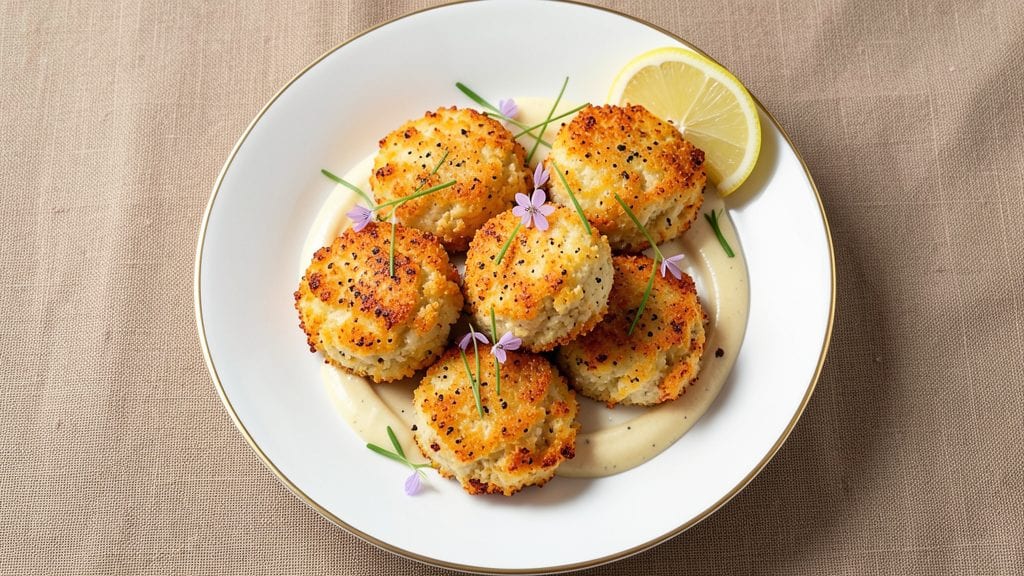
Recreating Ruth Chris Steakhouse crab cakes at home delivers that signature crispy-golden shell and tender, buttery interior that makes them irresistible. The secret lies in the precise balance of lump crabmeat, Old Bay seasoning, and Dijon mustard—elements that create the restaurant’s signature flavor profile.
I’ve perfected this technique over years of testing, ensuring every bite delivers that satisfying crunch and moist center that diners expect.
What sets these crab cakes apart is the method: a mix of pan-searing and baking for an even cook, paired with a zesty lemon aioli that cuts through the richness. The breadcrumbs create that coveted crispy exterior, while the crabmeat stays tender and flavorful.
This recipe stays true to the original while offering flexibility for substitutions if fresh crab isn’t available.
The result is a dish that’s restaurant-quality without the wait—golden-brown crab cakes with a crispy shell that shatters at the first bite, revealing a moist, savory interior. The lemon aioli adds a bright, tangy contrast that elevates every forkful.
Whether you’re serving them as an appetizer or a main course, these crab cakes will impress.
Serve with additional lemon aioli, tartar sauce, or a side of coleslaw for the full Ruth Chris experience. The recipe includes tips for substitutions and troubleshooting to ensure success every time. Let’s get started on creating these legendary crab cakes at home.
Ingredients for ruth chris steakhouse crab cake
Lump crabmeat, Old Bay seasoning, and Dijon mustard create Ruth Chris's signature crab cakes at home.
| Ingredient | Amount | Notes |
|---|---|---|
| Fresh Lump Crabmeat 🦀 | 1 ½ lb | Backfin preferred for texture |
| Panko Breadcrumbs 🍞 | ½ cup | Japanese-style for extra crunch |
| Old Bay Seasoning 🌶️ | 1 ½ tbsp | Classic blend for signature flavor |
| Dijon Mustard 🍯 | 1 tbsp | High-quality for tangy depth |
| Mayonnaise 🥛 | 2 tbsp | Duck egg preferred for richness |
| Large Eggs 🥚 | 1 whole | Room temperature for even binding |
| Unsalted Butter 🧈 | 2 tbsp | Cold, cubed for pan-searing |
| Extra-Virgin Olive Oil 🫒 | 2 tbsp | Light variety for high heat |
| Fresh Lemon Juice 🍋 | 1 tbsp | From Meyer lemons for sweetness |
| Fresh Chives 🌿 | 2 tbsp | Finely chopped for garnish |
| Lemon Aioli Ingredient - Mayonnaise 🥛 | ½ cup | High-quality for base |
| Lemon Aioli Ingredient - Lemon Zest 🍋 | 1 tbsp | Freshly grated for brightness |
| Lemon Aioli Ingredient - Dijon Mustard 🍯 | ½ tbsp | For subtle tang |
| Lemon Aioli Ingredient - Garlic Cloves 🧄 | 1 clove | Minced for aromatic depth |
| Lemon Aioli Ingredient - Salt 🧂 | ½ tsp | Diamond Crystal preferred |
The quality of crabmeat is non-negotiable for authentic texture. Backfin lump crabmeat from reputable seafood markets like Whole Foods or Trader Joe's delivers that coveted tender yet slightly firm bite. Avoid pre-mixed crab salad blends—they contain fillers that compromise texture. For an even better experience, opt for freshly shucked crabmeat from a trusted fishmonger, especially if you're serving a crowd. The Old Bay seasoning should be freshly ground—pre-mixed blends often lose potency. Store-bought Dijon mustard works fine, but Maille or Amora brands elevate the dish with their refined balance of tang and sweetness.
No fresh lump crabmeat? High-quality canned crabmeat like Crown Prince or Wild Alaska brands can substitute, though texture will differ slightly. For the aioli, duck egg mayo from Kewpie or Hellmann's adds luxurious richness. Short on chives? Fresh parsley or green onion works equally well for garnish. The breadcrumbs must be Japanese-style panko—regular breadcrumbs yield a denser, less desirable crust. For a gluten-free option, almond flour or crushed cornflakes can replace panko, though texture will vary. Always use cold butter for pan-searing to achieve that signature golden crust without burning.
Fresh crabmeat keeps best when stored in an airtight container with a paper towel on top for up to 2 days in the refrigerator. The prepared crab cake mixture can be shaped and refrigerated for up to 4 hours before cooking to ensure proper binding. The lemon aioli should be made fresh and stored in an airtight container with a thin layer of olive oil on top to preserve freshness for up to 3 days. For longer storage, freeze the aioli in ice cube trays for convenient single-use portions. Leftover crab cakes reheat beautifully in a 350°F oven for 10-12 minutes to restore crispiness, though they're best enjoyed fresh.
Why You'll Love This Recipe
- No-Fuss Assembly: I swear by this recipe because it’s literally 10 minutes of mixing—just fold the lump crab with mayo, Dijon, and Old Bay, then press in the panko. No rolling, no fuss, just hands-on time that doesn’t feel like work.
- Old Bay Magic: That zesty Old Bay punch cuts through the richness of the crab and mayo, giving it a bright, tangy kick. Honestly, if you skip it, you’re missing the soul of these crab cakes—it’s the secret weapon.
- Weeknight to Wedding: Make a batch on Sunday for easy lunches all week, or double it for a dinner party. They hold up beautifully when chilled, and the crispy panko stays intact—no soggy surprises, even after reheating.
- Budget-Friendly Luxury: Fresh lump crab is pricey, but this recipe uses just enough to feel special without breaking the bank. I’ll be real: I stretch it with a little extra mayo and panko, and no one ever complains—because the flavor still wins.
Step-by-step instructions for Ruth Chris Steakhouse-style crab cakes
The secret to restaurant-quality crab cakes lies in precise technique and careful layering of textures.
Prepare the Crab Cake Mixture
In a large mixing bowl, combine the 1.5 lb fresh lump crabmeat with the 2 tbsp mayonnaise, 1 tbsp Dijon mustard, 1 tbsp fresh lemon juice, and 1.5 tbsp Old Bay seasoning. The crabmeat should be gently folded together using a rubber spatula—avoid overmixing, which can break down the delicate texture. You'll notice the mixture becomes cohesive but still retains some slight separation, which is ideal for maintaining moisture.
Next, add the 0.5 cup panko breadcrumbs and the 1 whole large egg, mixing just until fully incorporated. The panko will provide that signature crispy shell, while the egg acts as the binding agent. For best results, use room-temperature ingredients—this ensures even distribution throughout the mixture. The final texture should resemble wet sand, holding its shape when pressed but still yielding slightly under gentle pressure.
Form and Chill the Crab Cakes
Divide the mixture into 4 equal portions (about 4 oz each) and gently shape them into 1-inch thick patties, using slightly wet hands to prevent sticking. Place each patty on a parchment-lined baking sheet and cover with plastic wrap. Refrigerate for at least 30 minutes, preferably up to 2 hours. This chilling step is critical—it firms up the crab cakes, preventing them from falling apart during cooking and ensuring they hold their shape in the pan.
While chilling, prepare your pan by ensuring you have 2 tbsp unsalted butter and 2 tbsp extra-virgin olive oil ready. The butter will create a rich, flavorful crust, while the olive oil provides stability at high heat. Let the butter soften slightly but remain cold—this helps create the golden-brown sear we're after.
Create the Signature Crispy Shell
Heat a large skillet over medium-high heat until the butter begins to foam but hasn't yet browned. Add the 2 tbsp unsalted butter and 2 tbsp extra-virgin olive oil, swirling to coat the pan evenly. Place the chilled crab cakes in the pan, being careful not to overcrowd—work in batches if necessary to maintain even cooking. Press down gently on each cake with a spatula for 10 seconds to ensure full contact with the pan.
Cook undisturbed for 3-4 minutes per side, until the bottoms develop a deep golden-brown crust and release easily from the pan. The edges should look slightly caramelized, and you'll smell that unmistakable buttery aroma. Flip carefully using a thin spatula, and continue cooking until the second side reaches the same golden hue. The internal temperature should reach 145°F when checked with an instant-read thermometer.
Prepare the Zesty Lemon Aioli
While the crab cakes cook, whisk together the 0.5 cup lemon aioli ingredient - mayonnaise, 1 tbsp lemon aioli ingredient - lemon zest, 0.5 tbsp lemon aioli ingredient - Dijon mustard, 1 clove lemon aioli ingredient - garlic cloves (minced), and 0.5 tsp lemon aioli ingredient - salt in a small bowl. The garlic should be finely minced—no visible pieces—to create a smooth, velvety texture. Taste and adjust the seasoning if needed, adding a pinch more salt or a squeeze of lemon juice for brightness.
Transfer the aioli to a serving bowl and set aside. The acidity from the lemon zest and Dijon mustard will cut through the richness of the crab cakes, creating a perfect balance of flavors. This sauce should be thick enough to cling to the crab cakes but still flow smoothly when drizzled.
Serve with Fresh Chives and Aioli
Transfer the cooked crab cakes to a serving platter and let them rest for 2-3 minutes before serving. This brief resting period allows any residual heat to distribute evenly, ensuring each bite is perfectly cooked through. Garnish each crab cake with 2 tbsp finely chopped fresh chives, sprinkled evenly over the top. The chives add a fresh, herbaceous note that complements the rich crab flavor.
Serve immediately with a generous dollop of the lemon aioli on the side or drizzled over each crab cake. The contrast between the crispy exterior, tender crab, and tangy aioli creates the signature Ruth Chris experience. For best results, serve with a side of lemon wedges—let guests squeeze fresh lemon juice over their crab cakes for an extra burst of brightness.
Pro Tips For Making Ruth Chris Steakhouse Crab Cake
- Drain That Crabmeat: I learned this the hard way—skip draining the crabmeat after picking it out of the shell, but press it dry between paper towels for 10 minutes. The extra moisture in the mix makes your crab cakes dense instead of light and fluffy. Trust me, your future self will notice the difference.
- Toast Your Panko: Lightly toast the Panko in a dry pan over medium heat for 2-3 minutes until it’s golden and smells nutty. This adds a deeper crunch and prevents soggy crab cakes—yes, even if you’re impatient like me.
- Chill the Mix: Let the crab cake batter rest in the fridge for at least 30 minutes before forming patties. The cold slows down the mayonnaise and Dijon, keeping your cakes from falling apart when frying. I know, I know, but trust the process.
- Fry in Batches: Don’t overcrowd the pan—fry the crab cakes in small batches over medium-high heat for 2-3 minutes per side. Too many at once lowers the temperature, and you’ll end up with greasy, unevenly cooked cakes instead of golden, crispy perfection.
Dietary considerations for this recipe
Gluten-Free Adaptations
For a gluten-free version, replace the panko breadcrumbs with almond flour or crushed cornflakes—both work well for binding while maintaining a crispy texture. I recommend almond flour for a finer crumb, but it absorbs more moisture, so you may need to add 1 extra tbsp of mayonnaise to compensate.
For extra crunch, use gluten-free panko like Schär brand, which mimics the texture of traditional panko. Always check labels to ensure no cross-contamination with gluten-containing products. 🌿
Dairy-Free Options
To make these crab cakes dairy-free, swap the mayonnaise for a high-quality dairy-free alternative like Just Mayo or Hellmann's Vegan. For the pan-searing step, use 100% avocado oil instead of butter—it provides the same high-heat stability without dairy.
The flavor remains rich and buttery, though slightly lighter. I also recommend adding 1 tbsp nutritional yeast to the mixture for a cheesy depth that complements the crab. 🥑
Low-Carb Versions
Cut carbs further by omitting the breadcrumbs entirely and using crushed pork rinds instead—they add a crispy texture without gluten or carbs. I use Tender Visions pork rinds for their fine, crumbly texture.
For binding, add 1 extra egg white to the mixture to ensure cohesion. The result is a lighter, crispier crab cake with minimal carbs while keeping the signature Ruth Chris flavor profile. 🦴
Allergen-Friendly Swaps
For egg allergies, replace the egg with 1 tbsp ground flaxseed mixed with 3 tbsp water—let it sit for 5 minutes to gel before adding to the mixture.
If you're avoiding shellfish, substitute the crabmeat with chopped scallops or firm white fish like cod, though the texture will differ slightly. Always ensure your seafood is fresh and properly prepared to maintain the dish's integrity. 🦞
Vegetarian Adaptations
For a vegetarian twist, replace the crabmeat with finely chopped hearts of palm or mushrooms (like shiitake or cremini) for a meaty texture. I recommend hearts of palm because they mimic crab's delicate bite when finely chopped.
Boost umami with 1 tbsp soy sauce or 1 tsp fish-free Worcestershire sauce (like Annie's brand) to compensate for the lack of seafood flavor. The Old Bay seasoning remains key for that signature tang. 🌱
Nutrition facts
Frequently asked questions
Can I make these crab cakes ahead of time?
Shape the crab cakes and refrigerate them on a parchment-lined tray for up to 4 hours before cooking. For longer prep, you can also freeze them—place shaped cakes on a tray, freeze solid, then transfer to a bag for up to 1 month. Thaw overnight in the fridge before cooking. The chilling step is key for holding their shape during cooking.
What's the best way to achieve that perfect crispy crust?
Use cold butter and medium-high heat—never hot oil. Press the cakes gently with a spatula for 10 seconds when placing them in the pan to ensure full contact. Cook undisturbed for 3-4 minutes per side until golden-brown. Japanese-style panko creates the signature crunch, and chilling the cakes before cooking prevents crumbling.
Can I substitute canned crabmeat?
Yes, but texture will differ slightly. Opt for high-quality brands like Crown Prince or Wild Alaska—avoid pre-mixed crab salad blends with fillers. Drain well and pat dry to mimic fresh lump crabmeat's consistency. For best results, use backfin-style canned crab which has larger, more tender pieces. The flavor remains authentic, though the texture will be slightly less luxurious.
How do I prevent my crab cakes from falling apart?
Overmixing the batter is the #1 cause! Gently fold ingredients just until combined—stop when the mixture holds together but still looks slightly separated. Always chill the shaped cakes for at least 30 minutes before cooking, and use room-temperature ingredients for even binding. The egg acts as the glue, so ensure it's fully incorporated without overworking.
What's the best way to reheat leftover crab cakes?
For crispy results, reheat in a 350°F oven for 10-12 minutes on a wire rack over a baking sheet. To restore crispiness, broil for 1-2 minutes at the end. Avoid microwaving—it makes them soggy. For extra crunch, press a piece of parchment paper on top while reheating to help crisp the surface.