
Main Courses
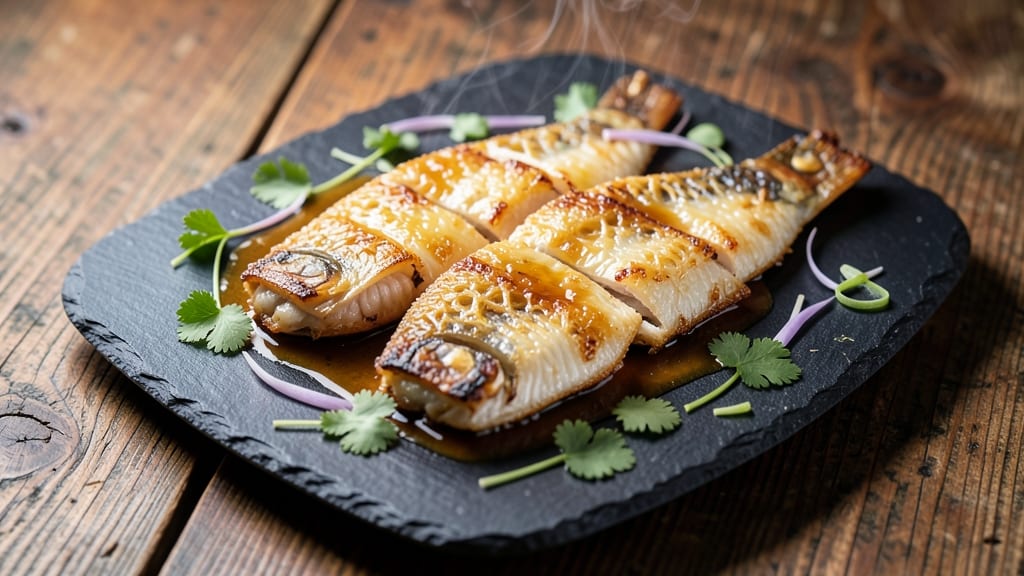
This Asian whole fried fish recipe transforms simple white fish into a restaurant-worthy dish with a crispy golden crust and tender, flaky flesh. The secret lies in proper preparation—scaling, drying, and marinating the fish to ensure an even batter and perfect fry.
I’ve tested this method countless times, and it never fails to deliver that satisfying crunch while keeping the inside silky and moist.
The technique draws from traditional Asian methods, like Japanese tempura or Thai pla rad prik, but simplifies the process for home cooks. You’ll use a light, airy batter (or gluten-free alternative) that adheres perfectly to the fish, while high-heat frying creates that coveted crispness.
The key is patience—drying the fish thoroughly prevents a soggy crust, and frying in small batches ensures even cooking.
What you’ll end up with is a dish that’s both elegant and satisfying: golden, shatteringly crispy on the outside with delicate, buttery fish underneath. Serve it with a tangy dipping sauce, steamed jasmine rice, and fresh vegetables for a complete meal.
The aroma alone will have everyone at the table asking for seconds.
This recipe works beautifully with snapper, cod, or tilapia, and the method scales easily for feeding a crowd. Whether you’re hosting a dinner party or craving a comforting weeknight meal, this fried fish delivers professional-quality results with minimal effort. Let’s get started!
Ingredients for asian whole fried fish
Light batter, crispy crust, and tender fish—this recipe delivers restaurant-quality results at home.
| Ingredient | Amount | Notes |
|---|---|---|
| White Fish Fillets 🐟 | 4 whole | Snapper, cod, or tilapia preferred |
| All-Purpose Flour 🌾 | 1 ½ cups | For light, crispy batter |
| Cornstarch 🌽 | ½ cup | For extra crunchiness |
| Ice-Cold Water 💧 | 1 ½ cups | Essential for light batter |
| Large Eggs 🥚 | 2 whole | Room temperature preferred |
| Vegetable Oil 🫒 | 4 cups | High smoke point required |
| Salt 🧂 | 1 tbsp | Kosher or sea salt |
| White Pepper 🌶️ | ½ tsp | For subtle seasoning |
| Lemon Wedges 🍋 | 4 whole | For serving |
| Fresh Cilantro 🌿 | ¼ cup | Chopped, for garnish |
| Gluten-Free Flour Blend 🌾 | 1 ½ cups | Substitute for gluten-free |
| Soy Sauce 🍶 | 2 tbsp | For marinating fish |
| Sesame Oil 🫒 | 1 tbsp | For extra flavor |
The fish is the foundation, so choose fresh, firm fillets with vibrant color and no fishy odor. Snapper, cod, or tilapia work best—they’re mild, flaky, and hold up well to frying. If using snapper, opt for snapper fillets from a trusted seafood market or grocery store’s fish counter. Whole Foods or local fishmongers often carry the freshest cuts. Pat the fillets very dry with paper towels before marinating—this step is non-negotiable for a crispy crust. For extra insurance, let them sit uncovered in the fridge for 30 minutes to dry further. The soy sauce and sesame oil marinade adds depth, but don’t overdo it—5 minutes max to avoid breaking down the fish.
No all-purpose flour? Gluten-free flour blend works perfectly for a crispy, light batter. Short on cornstarch? Add an extra 0.25 cup of flour for crunch, but expect slightly less crispiness. Ice-cold water is critical—room temperature water makes the batter gummy. For the oil, vegetable or canola oil are best due to their high smoke points; peanut oil works too but has a stronger flavor. If you’re frying multiple batches, keep the oil at 350°F—any hotter and the outside burns before the inside cooks. Fresh cilantro brightens the dish, but if you’re out, dried cilantro or parsley at half the amount will do. The lemon wedges should be bright, juicy lemons—squeeze them just before serving to avoid bitterness.
Batter keeps for up to 4 hours in the fridge, but it’s best used fresh for maximum crispiness. Fry immediately after mixing. Leftover fried fish reheats poorly, so plan for leftovers to be eaten fresh or discarded. Store any unused flour or cornstarch in airtight containers for up to 6 months in a cool, dark place. The marinade ingredients (soy sauce and sesame oil) can be prepped a day ahead and stored in the fridge. If you’re feeding a crowd, double the batter ingredients and fry in batches—overcrowding the oil lowers the temperature and makes the fish greasy. Portion the oil into a deep fryer or heavy pot for safety.
Why You'll Love This Recipe
- No-Fuss Crispy Magic: I swear by the ice-cold water trick—just dip those fillets for 10 seconds, and the batter sticks like glue. No messy slop, no second-guessing. That cornstarch flour blend? Crispy enough to stand up to takeout, but with half the guilt.
- Umami Bomb: The combo of egg wash and that light flour-cornstarch crust gives it a textural high—crunchy outside, tender inside, with just a whisper of savory depth. Honestly, it’s the kind of dish where the first bite makes you pause mid-conversation.
- Lunchbox Hero: Between us, this is my go-to for packed lunches. Fry a batch on Sunday, store the leftovers in the fridge, and reheat in seconds—still crispy if you flash-fry in a pan. My kids eat it cold with rice, and my husband brings it to work like a snack.
- Budget Win: White fish fillets are cheap, and this recipe stretches them further than any other method I’ve tried. Plus, the ingredients cost pennies—no specialty items, no overpriced marinades. That’s $10 worth of crispy, flavorful protein for a crowd.
Step-by-step instructions for Asian whole fried fish
Here's how to create a restaurant-quality fried fish with a triple-layered crust that stays crispy and light.
Prepare the Fish with Soy Sauce Marinade
Pat the 4 whole white fish fillets completely dry with paper towels—this is critical for maximum crispiness. In a shallow dish, combine 2 tablespoons soy sauce and 1 tablespoon sesame oil. Place the fish in the marinade, turning to coat evenly on all sides. Let them marinate for 10 minutes at room temperature while you prepare the batter.
I like to work quickly here to prevent the fish from drying out. The soy sauce adds depth while the sesame oil infuses subtle nutty notes. Don't skip this step—it makes a noticeable difference in flavor and texture.
Create the Triple-Layered Batter
In a medium bowl, whisk together the 1.5 cups all-purpose flour, 0.5 cup cornstarch, 1 tablespoon salt, and 0.5 teaspoon white pepper until completely combined. This dry mixture should have no lumps—use a whisk for even distribution. Set aside.
In a separate bowl, beat the 2 whole large eggs until frothy but not fully emulsified. Add the 1.5 cups ice-cold water and mix gently—this creates a light, airy base for the batter. The cold water is essential for preventing a dense crust.
Assemble the Crust Layers
Working in batches to avoid overcrowding, dip each fish fillet first into the gluten-free flour blend, shaking off any excess. Then dip into the egg mixture, allowing any excess to drip off. Finally, press the fillet into the flour mixture again, coating it thoroughly on all sides. Place on a wire rack set over a plate.
This triple-layer technique creates an extra-crispy exterior while keeping the inside tender. I press firmly on the fillets during the final flour coating to ensure even adhesion. Let the coated fish rest for 5 minutes before frying—this allows the batter to slightly adhere and prevents falling apart.
Fry to Golden Perfection
Heat 4 cups vegetable oil in a deep fryer or heavy pot to 350°F. Use a thermometer to monitor the temperature—it should remain steady at this heat. Fry the fish in batches, being careful not to overcrowd the pan, for 4-5 minutes per side until golden brown and crispy.
You'll know it's ready when the crust is deep golden brown and the fish releases easily from the batter. Drain on a wire rack over paper towels to remove excess oil. The internal temperature should reach 145°F when checked with a meat thermometer.
Serve with Fresh Garnishes
While still hot, transfer the fried fish to serving plates. Garnish immediately with 4 lemon wedges and 0.25 cup chopped fresh cilantro. The lemon brightens the rich flavors while the cilantro adds a fresh contrast. Serve with extra soy sauce or sweet chili sauce on the side for dipping.
This dish delivers the perfect balance of textures—crispy exterior, tender fish, and silky sauce. The key to success is maintaining the oil temperature and working quickly during the frying process to keep everything hot and delicious.
Pro Tips For Making Asian Whole Fried Fish
- PAT THE FISH DRY: DESCRIPTION: Wet fish = soggy crust. After cleaning, press the fillets between paper towels—harder than you think. I learned this the hard way when my first batch turned out greasy instead of crispy. A truly dry surface lets the cornstarch flour stick like it’s supposed to.
- SEPARATE FLOUR MIXES: DESCRIPTION: Use half all-purpose flour, half cornstarch—separately—for the best texture. Toss the fish first in the flour, then dip in beaten egg, then roll in the cornstarch mix. The cornstarch alone gives that signature crunch; the flour adds structure. (Yes, it’s extra steps, but the difference is noticeable.)
- ICE THE WATER: DESCRIPTION: The egg wash needs to be ice-cold—like, straight-from-the-fridge cold. Warm egg coats the fish unevenly and makes the crust stick too much. Pop the bowl in the freezer for 5 minutes if your kitchen’s warm. Trust me, the crust will be worth it.
- FRIED IN BATCHES: DESCRIPTION: Don’t overcrowd the pan—this is the fastest way to ruin the temp. Fry 1-2 pieces at a time in hot oil (350°F/175°C), and let the oil recover between batches. I used to fry 4 at once, and the outside burned before the inside cooked. Patience here = perfect fish.
Essential equipment for great asian whole fried fish
Deep Fryer Essentials
For restaurant-quality results, I recommend using a deep fryer like the Ninja Foodi 4.5-Quart or Presto 02810. These models maintain consistent oil temperatures and have safety features like automatic shut-off.
If you prefer stovetop frying, use a heavy-bottomed Dutch oven—I love the All-Clad Stainless Steel 5.5-Quart for its even heat distribution. A deep fry thermometer (like the Thermoworks Thermapen One) is non-negotiable for precise temperature control at 350°F. 🌡️
Batter Prep Tools
Use a fine-mesh wire strainer to sift your flour and cornstarch mixture for a lump-free batter. A whisk (like the OXO Good Grips) ensures smooth egg incorporation, while a small mixing bowl (preferably glass or ceramic) keeps ingredients at the right temperature.
For gluten-free batters, a silicone spatula helps scrape every last bit from the bowl. I keep a small bowl of ice water nearby to chill any warm ingredients quickly.
Fish Prep Station
Set up a three-station prep area: one for drying fish with paper towels, another for the marinade, and a third for batter dipping. A wire cooling rack (like the Norpro 12-inch) keeps fried fish elevated for crispiness.
For scaling, a sharp fillet knife and fish scaler (or even a spoon) are essential. I use a small plate with a wire rack underneath to catch any excess batter before frying.
Oil Management
Use vegetable or canola oil for high heat stability—avoid olive oil, which has a low smoke point. A slotted spoon or fish basket (like the Cuisinart 10-inch) helps remove fish without splashing. For safety, keep a fire extinguisher (like the Kidde F250) nearby and never leave oil unattended.
I also recommend a small bowl of flour next to the fryer to dust any hot oil splatters immediately.
Serving Essentials
Fresh lemon wedges should be prepped with a zester or sharp knife for clean slices. A small bowl of chopped cilantro (or parsley) and a dipping sauce station with soy sauce and sweet chili sauce complete the presentation.
For serving, I use wooden boards or ceramic plates to keep the fish warm while garnishing. A small pair of kitchen shears helps trim any excess crispy edges quickly. 🍋
Nutrition facts
Frequently asked questions
What type of fish works best for this Asian fried fish recipe?
Mild, firm white fish like snapper, cod, or tilapia work perfectly—they stay tender while developing a crispy crust. Avoid delicate fish like flounder, which can fall apart during frying.
Can I make this recipe gluten-free?
Simply replace the all-purpose flour with a 1:1 gluten-free flour blend and use cornstarch for extra crispiness. The triple-layer technique still works—just ensure your gluten-free flour is well-sifted to prevent lumps.
Why is my fried fish soggy instead of crispy?
Soggy crusts usually mean the fish wasn't dried thoroughly before battering or the oil temperature dropped below 350°F. Pat fillets very dry with paper towels and use a thermometer to monitor oil heat—never overcrowd the fryer.
How do I keep the batter from falling off while frying?
Let the battered fish rest for 5 minutes on a wire rack before frying—this helps the coating adhere. Also, avoid moving the fish too soon after placing it in hot oil. A light press with tongs during the final flour coating ensures better grip.
What are the best dipping sauces to serve with this dish?
Classic choices include soy sauce (for umami depth), sweet chili sauce (for sweet-spicy contrast), or a spicy sriracha mayo. For authenticity, try a Thai-style nam jim (chili-lime dip) or Japanese ponzu. Serve sauces on the side to let guests customize.