
Beverages
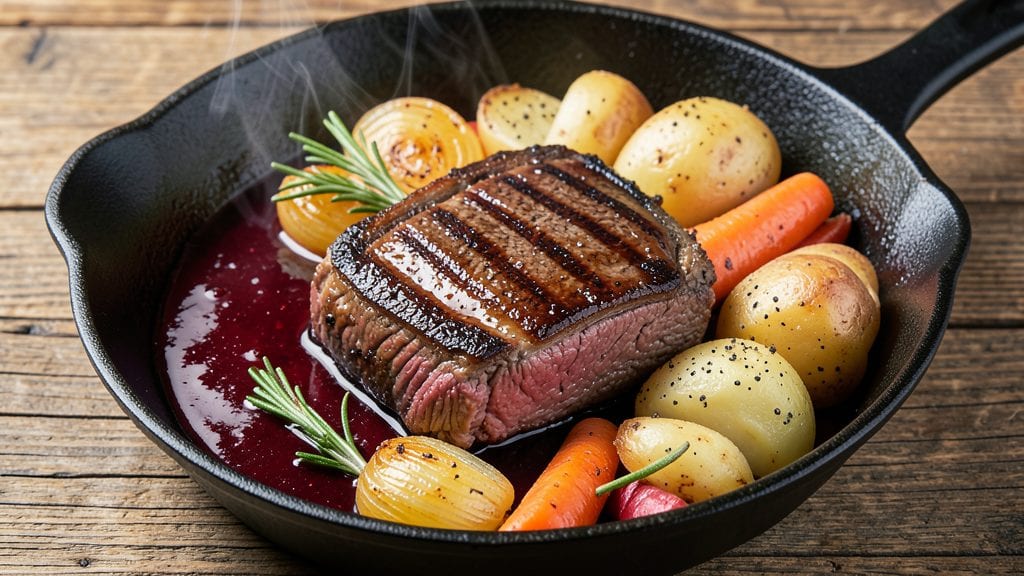
This Irish red stew transforms humble ingredients into a hearty masterpiece that warms the soul during chilly evenings. The rich combination of tender beef and root vegetables simmers in a deep red wine reduction, creating layers of flavor that feel like a hug in a bowl.
I've perfected this recipe over years of testing, ensuring the perfect balance between bold spices and comforting textures.
The secret lies in slow cooking—letting the beef become fork-tender while the wine reduces into a velvety sauce that coats every bite. Root vegetables like carrots and potatoes absorb the flavors beautifully, while fresh herbs add brightness.
This isn't just a stew; it's a celebration of Irish comfort food that delivers restaurant-quality results at home.
What you'll achieve is a deeply satisfying dish with moist beef, perfectly cooked vegetables, and a sauce that's rich yet balanced. The aroma alone will have everyone gathering around the table, and the first bite will remind them why homemade stews are worth the effort.
Serve with crusty bread to soak up every last drop of that flavorful sauce.
This recipe works beautifully as a main course for family dinners or cozy gatherings, especially during colder months. The wine reduction adds depth that elevates simple ingredients, making it feel special without requiring advanced techniques. Let's create this classic Irish stew together—simple, hearty, and impossible to resist.
Ingredients for irish red
Sixteen ingredients, one unforgettable Irish stew. Hearty, velvety, and packed with depth.
| Ingredient | Amount | Notes |
|---|---|---|
| Chuck Roast Beef 🥩 | 3 lb | Well-marbled for tenderness |
| Dry Red Wine 🍷 | 2 cups | Bold Cabernet Sauvignon preferred |
| Beef Broth 🥫 | 4 cups | Low-sodium preferred |
| Yellow Onions 🧅 | 2 whole | Medium size, peeled |
| Carrots 🥕 | 4 whole | Medium size, peeled |
| Russet Potatoes 🥔 | 4 whole | Medium size, peeled |
| Garlic Cloves 🧄 | 6 cloves | Freshly minced |
| Tomato Paste 🍅 | 2 tbsp | Smooth, not chunky |
| Fresh Thyme 🌿 | ½ cup | Leaves only, stems removed |
| Fresh Parsley 🌱 | ¼ cup | Chopped for garnish |
| Bay Leaves 🌿 | 2 whole | Dried, standard size |
| Diamond Crystal Kosher Salt 🧂 | 1 ½ tsp | For seasoning |
| Freshly Ground Black Pepper 🌶️ | 1 tsp | Coarsely ground |
| Extra-Virgin Olive Oil 🫒 | 2 tbsp | For searing |
| All-Purpose Flour 🌾 | 2 tbsp | For thickening sauce |
The beef is the foundation—chuck roast delivers that melt-in-your-mouth texture when slow-cooked properly. Look for cuts with visible marbling at your butcher or grocery store's meat counter. Costco or Whole Foods often carry high-quality chuck roasts pre-cut, saving you time. If buying whole, trim excess fat but leave some for flavor. The wine should be bold and dry—Cabernet Sauvignon or Merlot work best, but avoid anything overly sweet. For the broth, low-sodium options prevent over-salting, though you can always adjust later. Root vegetables like carrots and potatoes should be firm and free of soft spots—older produce will turn mushy during cooking.
No red wine? Beef broth with 1 tbsp balsamic vinegar mimics the depth, though the acidity will be milder. Fresh thyme is ideal, but dried thyme at one-third the amount works in a pinch. The tomato paste can be substituted with 1 cup crushed tomatoes, though the texture will differ slightly. For a deeper flavor, toast the flour in olive oil before adding it to the sauce—this adds a nutty dimension. The carrots can be swapped for turnips or parsnips if preferred, though they'll alter the dish's classic profile. Always rinse canned tomatoes if using them to remove excess sodium.
This stew tastes even better the next day as flavors meld—portion into airtight containers and refrigerate for up to 5 days. For longer storage, freeze portions in ziplock bags for 3 months. The sauce thickens as it cools, so you may need to add a splash of broth when reheating. Serve with crusty sourdough to soak up every last drop of that rich, wine-infused sauce. Leftovers reheat beautifully on the stove or in the microwave, though stovetop maintains the best texture.
Why You'll Love This Recipe
- Wine-Infused Magic: That dry red wine isn’t just for show—it melts into the beef and broth, turning this into something deeply savory with just a hint of brightness. The onions and carrots caramelize right into the sauce, so every bite is packed with depth.
- Leftovers That Shine: Between us, the second day is often better than the first. Slice the beef thin over toasted bread with a drizzle of the reduced wine sauce, and suddenly you’ve got a hearty sandwich that feels like a restaurant meal. (Yes, even on a Tuesday night.)
- Budget-Friendly Feast: Chuck roast is my secret weapon for feeding a crowd without breaking the bank. A single cut stretches across multiple meals—think tacos, hash, or even loaded potatoes—while the wine and broth add that restaurant-quality richness for pennies. Honestly, it’s the kind of recipe that makes me feel like a hero.
Step-by-step instructions for hearty Irish stew
This method delivers melt-in-your-mouth tenderness with rich, layered flavors—exactly what makes Irish stew unforgettable.
Sear the Chuck Roast for Deep Flavor
Pat the 3 lb chuck roast beef dry with paper towels and season generously with 1.5 tsp diamond crystal kosher salt and 1 tsp freshly ground black pepper. Heat 2 tbsp extra-virgin olive oil in a heavy Dutch oven over medium-high heat until shimmering. Sear the beef on all sides for 8-10 minutes total, pressing down gently to ensure even contact. This step develops a deep, caramelized crust that forms the stew's flavor foundation.
Real talk: Don't rush the searing. The beef should release easily from the pan when ready—if it sticks, your heat is too low. Transfer the seared beef to a plate and set aside, reserving all the rendered juices in the pot.
Build the Aromatic Base
In the same Dutch oven, add 2 tbsp tomato paste and cook for 1 minute to deepen the color and intensify the umami. Add 2 whole yellow onions (cut into 1-inch chunks) and 4 whole carrots (cut into 1-inch rounds), stirring to coat in the paste. Cook for 5 minutes until softened but not browned.
Add 6 cloves garlic cloves (minced), 0.5 cup fresh thyme, and 2 whole bay leaves. Stir for 30 seconds until fragrant—this is where the stew's aromatic complexity begins. Pour in 2 cups dry red wine, scraping up any browned bits from the bottom. Let it simmer for 3 minutes until reduced by half.
Simmer the Meat Until Fork-Tender
Return the beef to the pot. Pour in 4 cups beef broth, ensuring the beef is fully submerged. Bring to a gentle boil, then reduce heat to low, cover, and simmer for 2 hours. Here's the thing—this long cook time breaks down the tough muscle fibers, transforming the beef into fork-tender perfection.
Check periodically and add hot water if the liquid reduces too much. The beef is done when it effortlessly pulls apart with a fork. If you're impatient, you'll end up with chewy meat. Trust the process.
Add Potatoes for Creamy Texture
Peel and cut 4 whole russet potatoes into 1-inch cubes. Add them to the stew along with 0.25 cup fresh parsley (chopped). Simmer uncovered for 30-40 minutes until the potatoes are tender and the stew thickens slightly. The potatoes should absorb the rich beef juices, creating that signature creamy texture.
Taste and adjust seasoning—you may need a pinch more diamond crystal kosher salt or a crack of freshly ground black pepper. The stew should be deeply flavorful but balanced, with the wine's acidity cutting through the richness.
Rest and Serve for Maximum Moisture
Remove the stew from heat and let it rest for 10 minutes before serving. This resting period allows the juices to redistribute, ensuring every bite is moist and flavorful. Skim off any excess fat if desired, though a little fat adds richness.
Serve immediately with crusty bread to soak up the delicious broth. The beef should be falling-apart tender, the potatoes creamy, and the overall flavor a perfect balance of hearty, savory, and slightly tangy. This is the Irish stew your ancestors would recognize—and your taste buds will thank you.
Pro Tips For Making Irish Red
- SEAR THE ROAST FIRST: Chuck roast needs a proper crust to lock in flavor—don’t skip the high-heat sear. Use a Dutch oven on medium-high for 3-4 minutes per side until deep brown, or the wine will just turn into a sad, thin sauce instead of rich gravy.
- SAUTE THE ONIONS LOW: I used to rush this step and end up with bitter, caramelized bits that ruined the dish. Cook the onions on low heat for 10 minutes first—just until soft—so they melt into the wine instead of dominating it.
- DEGLAZE WITH BROTH TOO: After browning the meat, splash in the wine and let it bubble, but don’t stop there. Add a splash of beef broth right after—it chases down all the stuck-on bits and keeps the sauce from turning into wine-flavored glue.
- SKIP THE CROWDED POT: Tossing everything in at once? That’s how you end up with a watery stew. Brown the meat first, then set it aside while you sauté the onions and carrots—this keeps the veggies tender and the sauce concentrated.
Make-ahead tips for irish red
Prep Ahead Strategy
Start by prepping all vegetables the night before—peel and chop 2 yellow onions, 4 carrots, and 4 russet potatoes into 1-inch cubes. Store them in separate airtight containers in the fridge.
This saves 30 minutes of prep time on cooking day. I like to use quart-sized glass containers from Pyrex because they stack neatly. 🥔
Wine Reduction Shortcut
Reduce the wine ahead of time to cut cooking day by 15 minutes. Simmer 2 cups dry red wine in a small saucepan over medium-high heat until reduced by half (about 10 minutes).
Cool completely, then refrigerate. This concentrated flavor adds depth without extra effort during the main cooking process.
Beef Prep Efficiency
Pat and season the 3 lb chuck roast the night before, then wrap it tightly in plastic wrap and refrigerate. This allows the seasoning to penetrate deeply. On cooking day, simply remove it from the fridge 1 hour before searing to bring it to room temperature—this ensures even cooking. 🥩
Herb Prep & Storage
Wash and dry 0.5 cup fresh thyme and 0.25 cup parsley the day before, then store them in separate ziplock bags with a paper towel to absorb moisture. This keeps them fresh for up to 5 days in the fridge.
For the bay leaves, simply store them in a small jar at room temperature—they'll stay good indefinitely.
Broth & Tomato Paste
Measure out 4 cups beef broth and 2 tbsp tomato paste into separate containers. If using low-sodium broth, taste it first—you may need to add an extra pinch of diamond crystal kosher salt later.
The tomato paste can be stored in its tube in the pantry for up to 1 year unopened.
Make-Ahead Cooking Schedule
For maximum convenience, follow this timeline: Prep all ingredients 1 day ahead, reduce the wine 1 day ahead, and sear the beef 1 hour before cooking. Then, simply add the broth, bring to a simmer, and let it cook while you prepare sides.
The stew will continue developing flavor even if left simmering for 3-4 hours—just check occasionally and add water if needed. 📅
Nutrition facts
Frequently asked questions
What makes this Irish stew recipe different from traditional versions?
This recipe uses a bold red wine reduction instead of just broth, creating a richer, more complex flavor profile. The slow sear on the chuck roast develops deep caramelization, while the potatoes cook in the stew itself for maximum creaminess. Most traditional recipes boil potatoes separately—this method keeps them immersed in the flavorful sauce.
Can I substitute beef with another protein?
Yes! For a vegetarian version, use mushrooms or lentils instead of beef. Lamb works beautifully too—just reduce cooking time to 1.5 hours since it cooks faster. Chicken thighs (bone-in) are another great option, though they'll be done in about 45 minutes. Always adjust seasoning based on the protein's natural saltiness.
How do I prevent the stew from becoming too watery?
Start by searing the meat thoroughly to build flavor, then skim excess fat during cooking. If needed, mix 1 tbsp flour with 1 tbsp cold water to create a slurry and stir it into the stew during the last 15 minutes of cooking. The potatoes will also help thicken the sauce as they break down. Never rush the simmering—low and slow is key!
What's the best way to reheat leftovers?
Reheat gently on the stove over low heat for 10-15 minutes, stirring occasionally and adding a splash of broth if needed. Microwaving works too, but cover with a damp paper towel and heat in 1-minute intervals to prevent drying. The stew actually improves overnight as flavors meld—just add a bit more broth when reheating.
Can I make this in an Instant Pot?
Sear the beef as directed, then add all ingredients except potatoes. Cook on high pressure for 40 minutes, then quick-release. Add potatoes and cook on high pressure for 5 minutes more. The Instant Pot version cooks faster but may need a bit more broth to prevent thickening. Adjust seasoning after cooking since pressure cooking can intensify flavors.