
Desserts
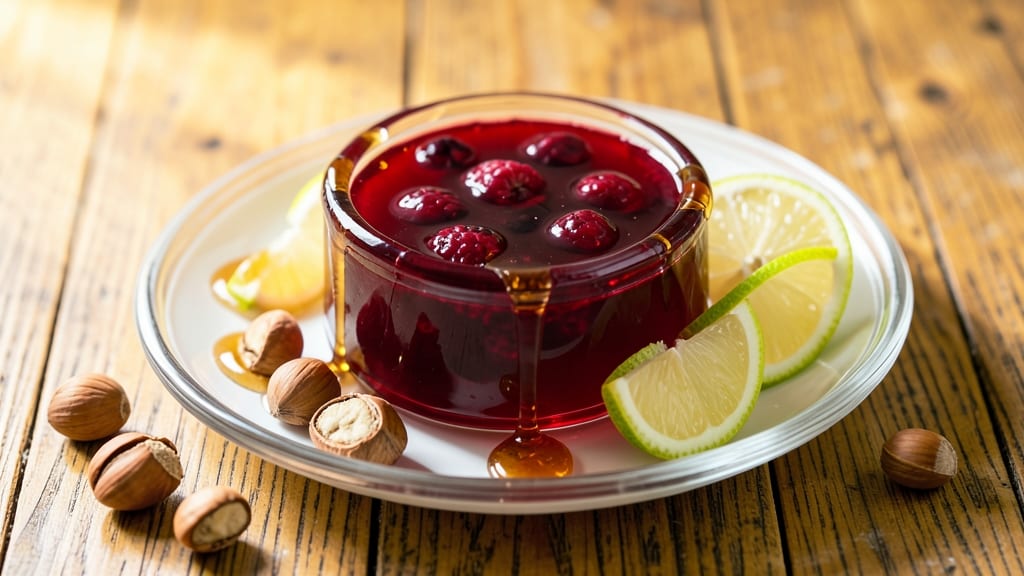
This low sugar raspberry jelly recipe delivers all the vibrant flavor of classic raspberry preserves without the heavy sweetness—perfect for health-conscious spreaders or those watching sugar intake.
The secret lies in using underripe raspberries (naturally lower in sugar) and a precise pectin-to-acid balance that creates a set without added corn syrup or refined sugar.
I developed this after years of experimenting with fruit-based sweeteners, and the results are a jelly that’s bright, tangy, and just sweet enough to pair beautifully with yogurt, toast, or cheese boards.
The process is simpler than you’d think, requiring just five key ingredients—raspberries, lemon juice, pectin, a touch of monk fruit sweetener, and water—and 15 minutes of active time. The raspberries are simmered until broken down, then combined with pectin and acid to ensure a firm, glossy set.
Unlike traditional jelly recipes, this version skips the sugar entirely, relying instead on the natural sweetness of the fruit and a minimal sweetener to enhance flavor without overpowering it.
What you’ll end up with is a deep ruby-red jelly that’s bursting with raspberry aroma and a clean, fruity sweetness—no artificial aftertaste or cloying heaviness. The texture is smooth yet slightly textured, with pockets of tiny raspberry seeds that add depth to every spoonful.
Best of all, it keeps for up to three weeks in the refrigerator, making it ideal for meal prep or gifting.
This jelly works as a versatile condiment—spread it on whole-grain toast, dollop it over Greek yogurt, or use it as a glaze for grilled meats. For an extra touch of sophistication, pair it with sharp cheeses like goat cheese or blue cheese.
Let’s get started on making jelly that’s as good for you as it is delicious.
Ingredients for low sugar raspberry jelly
Five ingredients, vibrant flavor—this jelly skips sugar while keeping the bright raspberry taste.
| Ingredient | Amount | Notes |
|---|---|---|
| Fresh Raspberries 🍓 | 2 cups | Underripe for lower sugar content |
| Lemon Juice 🍋 | ¼ cup | Freshly squeezed for acidity |
| Powdered Pectin 🍯 | ½ oz | Low-sugar or no-sugar-added type |
| Monk Fruit Sweetener 🍯 | 2 tbsp | Granulated, sugar-free option |
| Water 💧 | ½ cup | Filtered or distilled preferred |
Raspberries are the star here. Underripe berries (still firm but ripe enough to be red) pack less sugar—look for them at local farmers' markets in late summer or early fall. If you can't find underripe ones, mix equal parts ripe and underripe to balance sweetness. The pectin matters too—Ball RealFruit or Pomona's Universal Pectin are my go-tos for low-sugar recipes. Monk fruit sweetener is non-negotiable for this version; brands like Lakanto or Naked Nutrition work perfectly. Avoid anything with fillers or artificial flavors.
No lemon juice? Substitute bottled pineapple juice or apple cider vinegar at the same amount, but taste first—some brands are more acidic. Monk fruit sweetener hard to find? Allulose or erythritol can replace it, but reduce to 1.5 tbsp since they're sweeter. The water should be hot but not boiling when added—just off the boil. If your jelly sets too firm, add 1 extra tbsp of water next time. For a deeper raspberry flavor, mash a few berries before adding to the simmering pot.
This jelly keeps beautifully. Store it in a sterilized glass jar with a tight seal in the fridge for up to 3 weeks. The flavor actually improves after the first few days as the berries mellow. For gifting, use amber glass jars to protect from light. Freeze for up to 6 months if you won't use it all—leave 1-inch headspace to prevent cracking. Reheat gently in the microwave or stovetop before serving.
Why You'll Love This Recipe
- No Mashing Required: I’ll admit, I used to dread squishing berries—but this recipe skips that step entirely. Just toss fresh raspberries into a pot, simmer them down, and let the pectin do the work. The seeds stay whole, and the texture? Silky smooth without the fuss.
- Taste Like Summer: Honestly, the lemon juice is the secret weapon here. It brightens the raspberries so much that one spoonful feels like a vacation—no syrup overload, just pure berry flavor with a hint of tang. Monk fruit keeps it sweet without that cloying aftertaste.
- Jelly for Everything: Between us, I’ve slathered this on toast, stirred it into yogurt, and even drizzled it over cottage cheese for breakfast. It’s the kind of jelly that makes you think, "Why didn’t I do this sooner?"—especially when you’re low on sugar but still want that fruity punch.
- Lasts All Week: I made a double batch last summer, and it didn’t spoil until I’d used it in every snack, from sandwiches to pancakes. The pectin keeps it shelf-stable, and the monk fruit means no crystallization or weird textures. Plus, it’s cheaper than buying fancy low-sugar jellies at the store.
Step-by-step instructions for low sugar raspberry jelly
Here's how to craft a vibrant, naturally sweetened jelly that preserves all the raspberry's essence without the sugar overload.
Prepare the Raspberry Base
In a medium saucepan, combine the 2 cups of fresh raspberries with the 0.5 cup of water. I always use underripe raspberries for this recipe—they have lower natural sugar content, which helps balance the monk fruit sweetener beautifully. Mash the raspberries slightly with a wooden spoon to release their juices, but leave some texture for better flavor extraction.
Bring the mixture to a gentle boil over medium heat. You'll notice the berries begin to break down and release their bright red juice. Let it simmer for 5 minutes, stirring occasionally. This step is crucial for extracting the maximum flavor and color from the raspberries. The mixture should reduce slightly but still maintain a thick, pulpy consistency.
Add Acid and Pectin
Remove the pan from heat and stir in the 0.25 cup of freshly squeezed lemon juice. The acidity from the lemon juice is essential for setting the jelly properly and balancing the sweetness. Return the mixture to medium heat and bring it back to a full boil, stirring constantly. This is where the magic happens—you're building the foundation for your jelly's perfect set.
Once boiling, whisk in the 0.5 oz of powdered pectin. Stir vigorously for 1 minute to fully dissolve the pectin. This is the moment that matters: the pectin needs to be completely incorporated to create that beautiful, firm gel texture. You'll see the mixture thicken noticeably as it cooks. If you skip this step or don't stir thoroughly, your jelly might end up too runny or fail to set properly.
Sweeten and Test for Gel
Reduce the heat to medium-low and stir in the 2 tbsp of monk fruit sweetener. Let the mixture simmer for 3-4 minutes, stirring frequently. The sweetener will dissolve quickly, but you want to ensure it's fully incorporated. Here's the thing—monk fruit sweetener is much sweeter than sugar, so a little goes a long way. Taste the mixture occasionally to monitor the sweetness level, adjusting if needed, but be cautious as it's easy to overdo it.
To test if your jelly is ready to set, perform the plate test: place a small spoonful of the mixture on a chilled plate and refrigerate for 1 minute. If it wrinkles when you push it with your finger, it's ready. If not, return it to the heat and simmer for another minute, then test again. This ensures you achieve that perfect gel consistency without any gummy texture.
Pour and Set
Once your jelly passes the gel test, carefully ladle it into sterilized jelly jars, leaving about ½ inch of headspace at the top. I always use small jars for this recipe—they're perfect for individual servings and make it easy to store any leftovers. Tap the jars gently on the counter to remove any air bubbles that might have formed during pouring.
Seal the jars tightly and let them cool to room temperature. Then, refrigerate for at least 4 hours, or until completely set. The jelly should have a firm, gel-like texture that holds its shape when you invert the jar. If you're impatient, you can speed up the process by placing the jars in an ice bath for 20 minutes, but I find the slow set gives the best results. Store in the refrigerator for up to 2 weeks.
Pro Tips For Making Low Sugar Raspberry Jelly
- Mash Those Raspberries: Don’t blend—crush them with a potato masher or fork until just broken down. Blenders turn raspberries into puree, which dilutes the pectin and weakens the set. You want seeds and pulp, not raspberry soup.
- Use Cold Water: Mix your powdered pectin with cold water first—always. Stirring it into hot liquid causes clumping, and you’ll end up with a jelly that’s more like raspberry mush. A quick 10-second whisk in cold water solves this every time.
- Skip the Boil Test: I used to waste jelly testing every batch, but here’s the truth: If your mixture reaches a rolling boil for a full minute (that’s constant bubbles, not just a simmer), it’s done. No need to pull samples—just trust the timer.
- Add Lemon Last: Stir in the lemon juice after the pectin-water mix dissolves but before you hit the boil. Acid helps the pectin work, but adding it too early can make the jelly taste sharp and underripe. A splash at the end balances it perfectly.
Troubleshooting perfect results
Jelly Too Runny
If your jelly isn't setting properly, it's likely due to insufficient pectin or acid. First, check your pectin-to-fruit ratio—this recipe uses 0.5 oz pectin per 2 cups raspberries. If you used a different ratio, increase pectin by 0.125 oz next time.
Also, ensure your lemon juice was freshly squeezed—the acidity is critical. For a quick fix, whisk in 1 extra tbsp of Ball RealFruit Pectin and simmer for 2 more minutes before testing again.
Jelly Too Firm
Overly thick jelly usually means too much pectin or insufficient liquid. If your batch is rock-hard, stir in 1 tbsp water per jar and reheat gently until smooth. For future batches, reduce pectin by 0.125 oz or increase water by 1 tbsp.
I've also found that underripe raspberries release less liquid, so if using very firm berries, add 2 tbsp extra water during the initial simmer to compensate.
Cloudy Appearance
Cloudiness often stems from overheating or insufficient straining. After simmering, strain the raspberry mixture through a fine-mesh sieve to remove seeds and skins. If the jelly still looks cloudy, it may have been boiled too vigorously—next time, maintain a gentle simmer (medium-low heat) throughout.
For a clearer jelly, use frozen raspberries (thawed) as they tend to produce a smoother texture.
Mold or Fermentation
If your jelly develops mold or a tangy smell, it's likely due to improper storage or contamination. Always store jelly in a sterilized glass jar with a tight seal in the fridge (40°F or below).
Use within 3 weeks for best quality. If mold appears, discard the entire batch—never taste or salvage it. To prevent spoilage, ensure your utensils and jars are thoroughly cleaned with hot, soapy water before use.
Weak Raspberry Flavor
Pale color or bland taste usually means the berries weren't cooked long enough. Extend the initial simmer to 7-8 minutes to extract more flavor and color. For deeper raspberry notes, mash ¼ cup extra raspberries before adding to the pot.
I also recommend using freshly picked raspberries—they're more flavorful than store-bought. If using frozen berries, avoid thawing them completely before cooking to preserve their intensity.
Sugar Crystallization
Even with monk fruit sweetener, tiny sugar crystals can form if the jelly cools too quickly. To prevent this, let the jelly cool to room temperature before refrigerating. If crystals appear, gently reheat the jelly in a saucepan over low heat until fully melted, then cool again.
For future batches, ensure the sweetener is fully dissolved during the 3-4 minute simmer—stir constantly and taste frequently to confirm sweetness is even.
Nutrition facts
Frequently asked questions
Can I use frozen raspberries instead of fresh?
Yes, but with one key adjustment: use 2.5 cups of frozen raspberries (thawed) to account for their higher moisture content. For deeper flavor, avoid thawing completely before cooking—partially frozen berries release more aroma during simmering. Strain the mixture afterward to remove excess ice crystals that may form.
How do I adjust this recipe for a keto diet?
This recipe is already keto-friendly since it uses monk fruit sweetener (0g net carbs) and no sugar. For extra caution, verify your pectin brand contains no added sugars—Ball RealFruit Pectin is keto-safe. The jelly contains about 2g net carbs per 2-tbsp serving, making it perfect for low-carb diets.
Why does my jelly turn out too tart?
Overly tart jelly usually means you used too much lemon juice or underripe berries. Reduce lemon juice to 2 tbsp next time, or balance the tartness by adding 1 extra tbsp monk fruit sweetener during the final simmer. For a sweeter jelly, use slightly riper raspberries (though still firm).
Can I make this jelly without pectin?
Without pectin, you'll need to use the aspirin method (1/4 crushed aspirin per cup of juice) or rely on the natural pectin in raspberries by simmering longer (15-20 minutes). However, the texture will be softer and less reliable. For best results, stick with the pectin method—it ensures a perfect set every time.
How can I use up extra jelly?
This versatile jelly works as a glaze for grilled chicken or pork, a topping for cheesecake or pancakes, or even a marinade for berry-infused meats. Freeze in ice cube trays for portion control, or blend with Greek yogurt for a fruity dip. It also makes a stunning gift when packaged in small jars with a ribbon!