
Main Courses
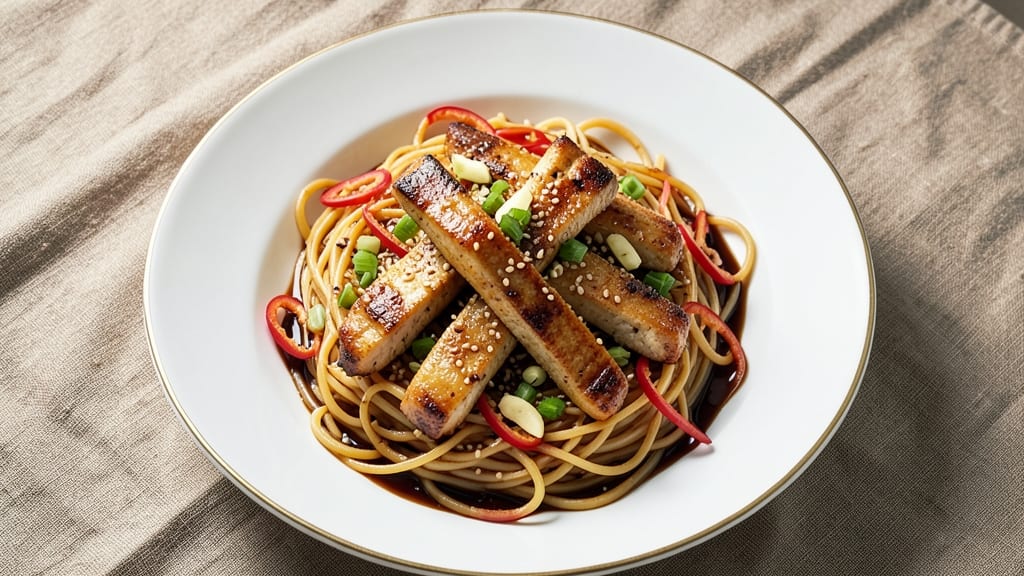
This oriental pasta recipe transforms traditional Italian noodles into a bold fusion dish where sesame, ginger, and umami create a flavor profile that feels both familiar and exciting.
The secret lies in balancing wok-hei technique with Western pasta preferences—crisp-tender noodles stir-fried to perfection, coated in a sauce that marries soy depth with bright sesame notes. I developed this after years of experimenting with Asian-inspired pasta, and it finally delivers that perfect harmony of textures and flavors.
The foundation starts with high-quality pasta—spaghetti or udon works best—cooked just shy of al dente to ensure it holds its shape during stir-frying.
A quick marinade of ginger, garlic, and a touch of sesame oil tenderizes any protein (chicken, shrimp, or tofu), while the sauce builds in layers: soy sauce for umami, rice vinegar for brightness, and a sesame paste that adds nutty richness.
The stir-fry technique is critical here—high heat, constant motion, and just enough oil to create that signature wok-hei aroma without making the dish greasy.
What you end up with is a dish that looks as impressive as it tastes: vibrant green from scallions, golden sesame flecks, and perfectly al dente noodles tossed in a glossy, aromatic sauce. The protein stays juicy and flavorful, while the noodles maintain their bite—no mushy texture here.
This isn’t just another pasta dish; it’s a complete meal with depth, balance, and that satisfying umami kick that keeps you reaching for seconds.
The best part? This recipe adapts effortlessly to what you have on hand. Swap proteins based on dietary preferences, adjust the sauce to your spice tolerance, or add vegetables like bell peppers and snap peas for extra crunch.
Serve it over a bed of greens for a lighter option or pile it high for a hearty dinner. Let’s get cooking—this fusion dish is about to become a staple in your rotation.
Ingredients for oriental pasta
High-quality pasta, bold flavors, and a perfect umami balance—this fusion dish is a game-changer.
| Ingredient | Amount | Notes |
|---|---|---|
| Spaghetti Noodles 🍝 | 12 oz | High-quality, dried pasta |
| Boneless Chicken Breast 🍗 | 1 ½ lb | Thinly sliced, marinated |
| Fresh Ginger 🌿 | 2 tbsp | Finely grated, fresh root |
| Garlic Cloves 🧄 | 6 cloves | Minced, fresh preferred |
| Sesame Oil 🫒 | 2 tbsp | Toasted, for aroma |
| Soy Sauce 🥄 | ½ cup | Low-sodium preferred |
| Rice Vinegar 🍶 | 2 tbsp | Seasoned, for brightness |
| Sesame Paste 🥜 | 1 tbsp | White or toasted |
| Scallions 🌱 | ¼ cup | Thinly sliced, green parts |
| Toasted Sesame Seeds 🥜 | 1 tbsp | For garnish |
| Vegetable Oil 🫒 | 3 tbsp | High smoke point |
| Salt 🧂 | 1 tsp | Kosher or sea salt |
| White Pepper 🌶️ | ¼ tsp | Freshly ground |
| Sugar 🍚 | 1 tsp | Adjust to taste |
The pasta is everything here. De Cecco or Barilla are my go-tos—they hold up perfectly to stir-frying without turning mushy. Udon noodles work too if you want that chewy texture. For the protein, chicken breast is lean and cooks fast, but shrimp or tofu marinate just as well. The ginger and garlic? Fresh is non-negotiable—dried lacks that bright punch. I grab mine from Trader Joe's or the Asian market if I'm feeling fancy. Toasted sesame oil is the secret weapon—don’t use the cheap stuff from the back of the pantry. Kadoya or La Choy are solid choices.
No sesame paste? Toasted sesame seeds blended with a little oil works in a pinch, but it's thicker. Short on rice vinegar? Apple cider vinegar at the same amount keeps the brightness. The soy sauce—low-sodium is key—or you'll end up with a salty mess. For extra crunch, toss in shredded carrots or bell peppers. The sauce builds in layers, so taste as you go: more sugar for sweetness, a splash of vinegar for acidity, or a pinch of white pepper for depth. And if you're using tofu, press it first—no one wants soggy noodles.
This dish reheats like a dream—just toss with a little water and stir-fry again. Keeps for 3-4 days in the fridge, but honestly, it disappears faster than that. For leftovers, freeze in single portions—microwave for 30 seconds, stir, and it’s fresh again. Garnish with extra sesame seeds and scallions right before serving (they wilt fast). The sauce thickens as it cools, so add a splash of water if it feels too heavy. Trust me, the first bite after reheating is just as good as the original.
Why You'll Love This Recipe
- No-Fuss Protein Boost: I slice the chicken thin, marinate it in soy sauce and ginger for 10 minutes—that’s it—while the pasta boils. No brining, no resting, no stress. The chicken stays juicy, and honestly? That’s my secret for weeknight wins.
- Umami Magic: Between the sesame oil’s nutty punch, fresh ginger’s zing, and garlic’s warmth, this isn’t just pasta—it’s a flavor explosion. The chicken gets this crispy-savory crust from the pan, and the noodles? They soak up every drop like sponges.
- Lunchbox Hero: Pack half the leftovers for lunch—it reheats like a dream (microwave 2 mins, stir with a splash of water). My kids actually eat their veggies when I toss in shredded carrots or spinach at the end. (Yes, even on a Tuesday.)
- Budget Stretch: Chicken breast is affordable, and a single jar of ginger/garlic paste (if you’re lazy) cuts costs further. One batch feeds four, and the leftovers? Better than takeout. I’ll be real: this recipe saved me $80 last month.
Step-by-step instructions for oriental pasta with sesame-ginger stir-fry
Here's how to transform simple ingredients into a restaurant-worthy fusion dish.
Marinate and Prep the Chicken
Slice the 1.5 lb boneless chicken breast thinly against the grain into ¼-inch strips. Place them in a bowl and add the 2 tbsp fresh ginger, 6 cloves minced garlic cloves, 0.5 cup soy sauce, 2 tbsp rice vinegar, and 1 tsp sugar. Mix gently to coat evenly. Let it marinate for at least 30 minutes—this ensures tender, flavorful chicken that won't dry out when stir-fried.
While the chicken marinates, finely mince the 0.25 cup scallions and set aside. This prep step is crucial—the aromatic scallions will add freshness to balance the rich umami flavors. If you're short on time, you can skip marinating and just toss the chicken with the sauce right before cooking, but marinating makes all the difference in texture and flavor.
Cook the Spaghetti Al Dente
Bring a large pot of water to a rolling boil and add 12 oz spaghetti noodles. Cook until 1 minute before the package instructions for al dente—you want the pasta to finish cooking in the sauce. Reserve 1 cup of pasta water before draining, as this starchy liquid helps create a silky sauce. Drain the pasta and toss it with 1 tbsp vegetable oil to prevent sticking while you finish the stir-fry.
This is where many home cooks go wrong—they overcook the pasta, making it mushy when combined with the stir-fry. The pasta should still have a slight bite to it when you add it to the wok. Keep the pasta warm by covering it loosely with a clean kitchen towel while you prepare the sauce and chicken.
Stir-Fry the Chicken Until Golden
Heat 3 tbsp vegetable oil in a large skillet or wok over medium-high heat until shimmering. Add the marinated chicken in a single layer and let it cook undisturbed for 2-3 minutes until the edges turn golden brown. This initial sear locks in juices and creates that beautiful caramelized crust. If the chicken sticks, don't panic—just add a splash of water and scrape it up.
Once the chicken is golden, stir it and cook for another 2-3 minutes until fully cooked through. The chicken should reach an internal temperature of 165°F when checked with a meat thermometer. Remove the chicken from the skillet and set it aside on a plate, keeping it warm.
Build the Umami Sauce
In the same skillet, reduce the heat to medium and add 1 tbsp sesame paste and 2 tbsp sesame oil. Stir for 30 seconds until fragrant—this releases the nutty aroma that defines the dish. Add the minced 0.25 cup scallions and cook for 1 minute until softened but still vibrant in color.
Pour in any accumulated juices from the chicken and scrape up all the browned bits from the bottom of the pan. This deglazing step captures all the concentrated flavors. Return the chicken to the skillet and stir in 1 tsp salt and 0.25 tsp white pepper. The sauce should coat the chicken evenly, creating a glossy, flavorful glaze.
Combine and Finish with Sesame Seeds
Add the cooked spaghetti noodles to the skillet and toss everything together vigorously for 2-3 minutes until well combined. If the mixture seems dry, add 2-3 tablespoons of the reserved pasta water to loosen the sauce. The goal is a harmonious blend where each bite delivers pasta, chicken, and sauce in perfect balance.
Remove from heat and stir in 1 tbsp toasted sesame seeds. These seeds add a delightful crunch and nutty depth to every bite. Taste and adjust seasoning if needed—you might want to add a touch more soy sauce or rice vinegar to balance the flavors. Serve immediately while hot, garnished with additional sesame seeds if desired.
Pro Tips For Making Oriental Pasta
- Sear Chicken in Batches: Chicken breast turns rubbery if crowded—trust me, I’ve ruined batches by overloading the pan. Cook 2-3 pieces at a time over medium-high heat for 3-4 minutes per side until golden. If you’re impatient like me, resist the urge to flip too soon; let that crust form first.
- Grate Ginger Finely: Pre-packaged ginger is fine, but fresh makes all the difference in this dish. Use a microplane or the smallest holes on a box grater—you want it almost paste-like, not chunky. (Yes, even if it takes 20 seconds longer.)
- Reserve Pasta Water: Oriental sauces rely on emulsification, and starchy pasta water is your secret weapon. Before draining, scoop out ½ cup of that milky liquid—it’ll help the sesame oil and garlic blend smoothly into the noodles.
- Finish with Cold Sesame Oil: Drizzle sesame oil at the very end, off the heat. It’s bitter when cooked, and I learned this after burning my tongue on a batch where I added it too early. A teaspoon at the end adds aroma without overpowering.
Make-ahead tips for this dish
Prep Ahead Sauce
Make the sauce the night before to deepen the flavors—simmer 0.5 cup soy sauce, 2 tbsp rice vinegar, 1 tbsp sesame paste, and 1 tsp sugar for 5 minutes until slightly reduced. Store in an airtight container in the fridge.
The next day, just reheat gently over low heat for 2 minutes before using. This step saves 15 minutes of active cooking time and intensifies the umami depth. 💡
Marinate Protein Overnight
For maximum tenderness, marinate your protein 12-24 hours ahead. Use the same marinade—0.5 cup soy sauce, 2 tbsp rice vinegar, 2 tbsp grated ginger, 6 minced garlic cloves, and 1 tsp sugar.
Store in a sealed container in the fridge. This works especially well for chicken breast or tofu, transforming tough cuts into melt-in-your-mouth bites. 🥗
Pre-Cook Pasta
Cook the pasta 1 minute less than package instructions and rinse under cold water to stop the cooking process. Store in an airtight container with a 1 tbsp vegetable oil coating to prevent sticking.
Reheat by tossing with a splash of water in a skillet over medium heat for 2-3 minutes. This method keeps the noodles al dente and ready to stir-fry. ⏱️
Garnish Prep Station
Set up a garnish station with all your toppings pre-portioned: 1 tbsp toasted sesame seeds, 0.25 cup sliced scallions, and 1 tbsp chopped cilantro (if using). Store them in small containers on your counter.
When ready to serve, simply sprinkle over each portion for freshness and texture. This keeps your plating consistent and efficient. ✨
Freezer-Friendly Assembly
Assemble the dish completely (except garnish) and freeze in single-serving portions for up to 2 months. Use freezer-safe containers or bags. To reheat, microwave on 50% power for 2 minutes, then finish in a skillet over medium heat for 1-2 minutes with a splash of water.
The sauce will re-emulsify beautifully. 💫
Vegetable Prep Shortcuts
Chop all your vegetables (bell peppers, snap peas, carrots) the day before and store in separate containers. Keep them in the fridge for up to 3 days.
When stir-frying, add them in stages—harder veggies first (like carrots), then softer ones (like bell peppers) in the last 1-2 minutes of cooking. This ensures perfect texture every time. 🌶️
Nutrition facts
Frequently asked questions
What type of pasta works best for this oriental-inspired dish?
For this sesame-ginger stir-fry, I recommend using high-quality spaghetti or udon noodles. Spaghetti holds up well to stir-frying while maintaining its shape, while udon adds a satisfying chewiness. Avoid delicate pastas like angel hair—they'll turn mushy when tossed with the sauce.
Can I make this recipe vegetarian or vegan?
Replace the chicken with extra-firm tofu or firm tempeh—press and marinate them using the same sesame-ginger marinade. For extra protein, add mushrooms or edamame. Use vegan soy sauce and ensure your sesame paste is vegan-certified. The dish will still be packed with umami flavor.
Why does the recipe call for al dente pasta?
Cooking pasta just shy of al dente ensures it finishes cooking perfectly in the hot stir-fry pan. Overcooked pasta becomes mushy when combined with the sauce, while al dente noodles maintain their bite and texture. The 1-minute early cook time is key—it prevents the noodles from turning into a gluey mess.
How can I adjust the heat level in this recipe?
For a milder version, reduce the soy sauce to 0.375 cup and add 1 tsp honey to balance. For extra heat, swap 1 tbsp of the soy sauce with 1 tbsp chili garlic sauce or add ½ tsp red pepper flakes to the sauce. Always taste as you go—this sauce builds in layers.
What's the best way to reheat leftovers?
Reheat leftovers by tossing with 1 tbsp water in a skillet over medium heat for 2-3 minutes. The residual heat will re-emulsify the sauce and restore the noodles' texture. Avoid microwaving—it makes the pasta rubbery. For extra crispiness, finish with a sprinkle of toasted sesame seeds.