
Main Courses
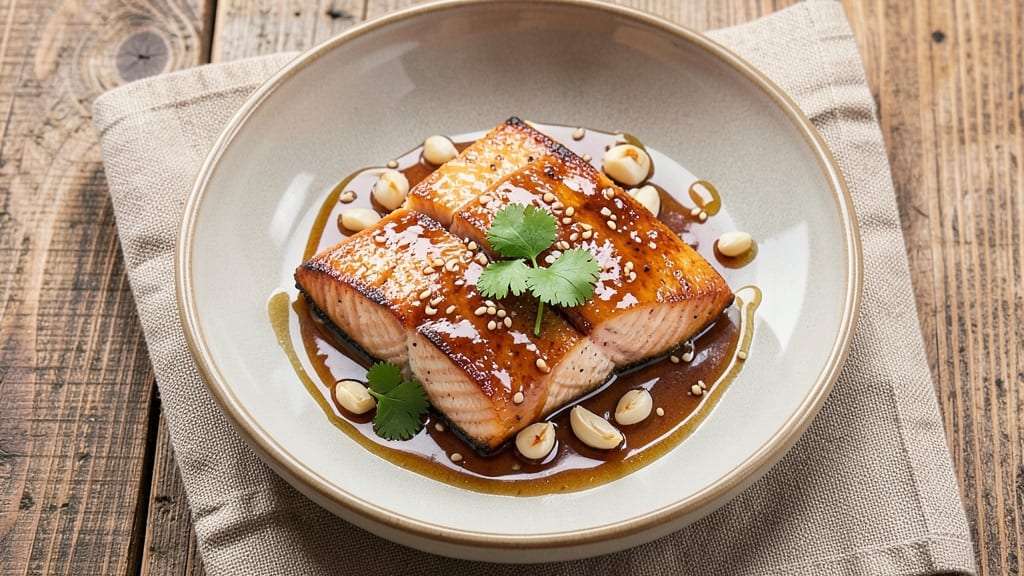
This oven baked miso salmon recipe delivers restaurant-quality umami depth and crispy edges in just 25 minutes—no complicated techniques required. The secret lies in a simple miso marinade that transforms ordinary salmon into a dish worth celebrating.
After years of testing, I’ve perfected the balance between tender flesh and caramelized crust, ensuring every bite is packed with flavor without sacrificing texture.
The process is straightforward: combine miso paste, honey, and a touch of soy sauce for the marinade, then let the salmon soak up those rich flavors while the oven preheats.
Baking at 375°F for 12–15 minutes guarantees a crispy exterior and moist interior, while the miso glaze adds a sticky, savory-sweet finish that pairs beautifully with sesame seeds or fresh herbs. This isn’t just another salmon recipe—it’s a foolproof method that elevates weeknight dinners to special-occasion status.
What you’ll end up with is golden, glistening salmon with a crackling crust that gives way to succulent, buttery flesh beneath. The miso glaze caramelizes into a glossy sheen, adding layers of complexity that make this dish unforgettable.
Serve it alongside steamed jasmine rice and roasted asparagus for a complete, balanced meal that feels both elegant and effortless.
This recipe works equally well for solo dinners or dinner parties—simply adjust the portion size. The miso marinade can also be prepped ahead, making it the perfect solution for busy weeknights. Ready to transform your salmon game? Let’s get started.
Ingredients for oven baked miso salmon
Restaurant-quality umami depth starts with these 13 carefully selected ingredients—each playing a crucial role in transforming simple salmon into a showstopper.
| Ingredient | Amount | Notes |
|---|---|---|
| Center-Cut Salmon Fillets 🐟 | 4 whole | Skin-on, 6-8 oz each, even thickness |
| White Miso Paste 🧂 | ¼ cup | High-quality, non-GMO preferred |
| Honey 🍯 | ¼ cup | Raw or wildflower preferred |
| Light Soy Sauce 🥄 | ¼ cup | Kikkoman preferred for balance |
| Sesame Oil 🫒 | 1 tbsp | Toasted sesame oil for aroma |
| Garlic Cloves 🧄 | 4 cloves | Fresh, minced for marinade |
| Fresh Ginger 🌿 | 1 tbsp | Finely grated, organic preferred |
| Toasted Sesame Seeds 🌾 | 1 tbsp | For garnish, store-bought or homemade |
| Extra-Virgin Olive Oil 🫒 | 1 tbsp | For oiling baking sheet |
| Diamond Crystal Kosher Salt 🧂 | ½ tsp | For seasoning salmon |
| Fresh Lemon 🍋 | 1 whole | For finishing, zest and juice |
| Jasmine Rice 🍚 | 1 ½ cups | Uncooked, for serving |
| Asparagus Spears 🥦 | 1 lb | Trimmed, for side dish |
The salmon selection is non-negotiable. Center-cut fillets with skin-on provide optimal texture—thicker cuts ensure even cooking while the skin crisps beautifully. Whole Foods or local fishmongers carry the best quality, but any reputable grocery store’s seafood counter will suffice. Look for fillets with vibrant color and minimal bruising. The miso paste should be white miso—it’s sweeter and more aromatic than red, creating that perfect balance with the honey. Marukome or Hessian brands are industry standards, but any organic miso will work. For the honey, avoid ultra-processed varieties—raw or wildflower adds subtle floral notes that elevate the glaze. Prep the salmon by patting it dry with paper towels; this ensures maximum crispiness when baked.
Substitutions should never compromise the umami-sweet balance. Red miso can replace white at a 1:1 ratio, though it’ll add deeper earthiness. Running low on sesame oil? Avocado oil at half the amount works, but you’ll lose that nutty aroma. The garlic and ginger are foundational—jarred minced garlic is acceptable in a pinch, but fresh is always superior. For a quicker prep, use pre-minced garlic from the refrigerated section at Trader Joe’s, which saves time without sacrificing flavor. The soy sauce can be swapped for tamari for gluten-free, but the color will differ slightly. If you’re serving this for a crowd, double the marinade and brush it on generously—reserve 2 tbsp for basting during baking to intensify the glaze. The lemon should be freshly zested and juiced; bottled lemon juice lacks the bright acidity needed to cut through the richness.
Marinade prep is where the magic happens. Combine miso, honey, soy sauce, sesame oil, garlic, and ginger in a bowl, then whisk until smooth. The mixture should coat the back of a spoon—this ensures even flavor distribution. Salmon absorbs marinade quickly, so marinate for no more than 20 minutes at room temperature to prevent over-softening. For meal prep, store the marinade in an airtight container in the fridge for up to 5 days—it keeps beautifully and can be reheated gently before use. The baked salmon holds well for 2 days refrigerated, though the crust loses some crispness. To reheat, cover with foil and warm in a 350°F oven for 8-10 minutes. The rice and asparagus can be prepped ahead—steam the rice and blanch the asparagus, then store separately. Reheat asparagus in a skillet with a pat of butter for 2 minutes to restore crispness.
Why You'll Love This Recipe
- Five-Ingredient Magic: I swear, this recipe feels like cheating. Just slather the salmon with miso, honey, and soy, then let the oven do the work—no fancy techniques, no last-minute panic.
- Umami Bomb: That white miso paste? It’s the secret weapon—salty, sweet, and deep all at once. The honey caramelizes into a glossy finish, while the sesame oil adds a nutty punch that makes every bite irresistible.
- Weeknight Hero: Between us, this is my go-to when I’m too tired to fuss. Serve it over rice with quick-pickled veggies, or toss it in a salad for a protein boost—no one will guess it took less than 20 minutes.
- Leftovers That Don’t Suck: Unlike some fish dishes that turn rubbery, this stays moist and flavorful for days. Reheat slices in a pan with a splash of soy sauce, or chop it into fried rice—zero waste, all win.
Step-by-step instructions for oven baked miso salmon
This method delivers restaurant-quality miso glazed salmon with perfect crisp edges and tender flesh.
Prepare the Miso Glaze
In a medium bowl, combine the 0.25 cup white miso paste, 0.25 cup honey, 0.25 cup light soy sauce, and 1 tbsp sesame oil. Whisk vigorously until fully incorporated and smooth. The mixture should have a thick, paste-like consistency that will cling beautifully to the salmon.
Add the 4 minced garlic cloves and 1 tbsp finely grated fresh ginger to the miso mixture. Stir well to distribute the aromatics evenly. Here's the thing—this marinade needs to sit for at least 10 minutes to allow the flavors to meld. If you have time, let it rest for up to 30 minutes in the refrigerator for deeper flavor development.
Season and Marinate the Salmon
Pat the 4 whole center-cut salmon fillets dry with paper towels, removing any excess moisture from the skin. This step is crucial for achieving that perfect crispy skin. Using your fingers, gently press the 0.5 tsp diamond crystal kosher salt into both sides of each fillet, focusing on the skin side.
Place the salmon fillets in a single layer in a shallow dish. Spoon the prepared miso glaze evenly over each fillet, coating both sides thoroughly. The glaze should adhere well to the salmon's surface. Cover and refrigerate for at least 15 minutes to allow the marinade to penetrate the fish and develop flavor.
Preheat and Prepare the Baking Environment
Preheat your oven to 400°F. While it's heating, line a baking sheet with parchment paper and lightly brush it with the 1 tbsp extra-virgin olive oil. This creates a non-stick surface and prevents the salmon from sticking during baking. The oil also helps create a beautiful caramelized crust.
Arrange the marinated salmon fillets on the prepared baking sheet, skin-side down. This positioning is key—it allows the skin to crisp perfectly while protecting the delicate flesh. Leave about 1 inch of space between each fillet to ensure even cooking and proper heat circulation.
Bake to Perfect Doneness
Place the baking sheet in the preheated oven and bake for 12-15 minutes. You'll know the salmon is ready when it reaches an internal temperature of 145°F and the edges begin to develop a golden-brown crust. The skin should be crispy to the touch while the flesh remains moist and flaky.
During the last 2 minutes of baking, watch closely for the edges to achieve that beautiful caramelized finish. If you notice the glaze darkening too quickly, you can tent the salmon loosely with aluminum foil to prevent over-browning while still allowing it to cook through.
Finish and Serve with Complementary Sides
Remove the salmon from the oven and immediately sprinkle with the 1 tbsp toasted sesame seeds. Use a microplane to zest the 1 whole fresh lemon and sprinkle the zest over the top of each fillet. The citrus brightens the rich umami flavors of the miso glaze and adds a refreshing contrast.
While the salmon rests for 3-5 minutes, prepare the sides. Cook the 1.5 cups jasmine rice according to package instructions. For the asparagus, trim the tough ends from the 1 lb asparagus spears and steam or roast until tender-crisp. Serve the salmon immediately with the rice and asparagus, allowing the flavors to meld together for a complete meal.
Pro Tips For Making Oven Baked Miso Salmon
- USE HIGH HEAT FIRST: Don’t start slow—bake the salmon at 450°F (230°C) for the first 10 minutes to render fat and caramelize the miso crust. After that, drop to 375°F (190°C) to finish cooking evenly. I learned this the hard way when my salmon came out bland because it never got that initial sear.
- WHISK MISO WITH HONEY: Mix the white miso paste and honey into a smooth paste before adding soy sauce and sesame oil—lumps ruin the glaze. A fork works, but a whisk ensures every bite gets that silky, sticky coating. (Yes, even if you’re impatient like me, take the 30 seconds.)
- PAT DRY THE SALMON: Use paper towels to blot the fillets thoroughly—no wet spots. Moisture steams the salmon instead of browning the miso, and you’ll end up with a soggy crust. I skip this sometimes, and the dish is noticeably better when I don’t.
- REST THE FISH: Let the salmon sit under foil for 5–10 minutes after baking—it’ll stay juicy and pull away from the pan cleanly. Cutting into it too soon turns the glaze into a sad, watery mess. (Your future self will thank you.)
Regional styles of this oven baked miso salmon
Japanese Yakitori Style
In Japan, salmon is often prepared with miso in a technique inspired by yakitori skewers. Use red miso paste instead of white for a deeper, earthier flavor.
Marinate the salmon for 30 minutes in a blend of 0.25 cup red miso, 0.25 cup mirin, 0.25 cup sake, and 1 tbsp grated daikon. Bake at 400°F for 12 minutes, then broil for 2 minutes to mimic the smoky char of yakitori.
Garnish with shiso leaves and toasted black sesame seeds for an authentic touch. 🌸
Korean Gochujang Twist
For a spicy kick, blend 2 tbsp gochujang into the miso marinade along with the honey and soy sauce. Add 1 tbsp rice vinegar and 1 tsp toasted sesame oil for brightness. Bake the salmon at 375°F for 14 minutes until the glaze is sticky and slightly caramelized.
Serve with quick-pickled cucumbers and steamed rice to balance the heat. This fusion style is popular in Korean-Japanese fusion restaurants. 🌶️
Hawaiian Lilikoi Glaze
In Hawaii, miso salmon often incorporates lilikoi (passion fruit) for a tropical twist. Replace 0.1 cup of the honey with lilikoi puree (or sub 2 tbsp passion fruit concentrate). Add 1 tsp grated lime zest and 1 tbsp coconut aminos to the marinade.
Bake at 375°F for 13 minutes until the glaze is glossy. Garnish with toasted coconut flakes and fresh cilantro. This version pairs perfectly with grilled pineapple slices. 🍍
Nordic Dill & Mustard
Scandinavian cooks often balance miso’s richness with dill and mustard. Mix 1 tbsp Dijon mustard and 1 tbsp chopped fresh dill into the marinade. Add 1 tsp white wine vinegar for acidity.
Bake at 400°F for 12 minutes, then finish with a drizzle of sour cream and extra dill. Serve with lingonberry jam and mashed potatoes for a hearty Nordic-inspired meal. 🥕
Thai Lemongrass Version
Infuse the marinade with Thai flavors by adding 2 stalks minced lemongrass, 1 tbsp fish sauce, and 1 tsp palm sugar. Let the salmon marinate for 25 minutes before baking at 375°F for 14 minutes.
Garnish with Thai basil and crushed peanuts for texture. Serve with jasmine rice and stir-fried bok choy. This fusion highlights the miso’s umami while introducing bright, herbal notes. 🌿
Nutrition facts
Frequently asked questions
Can I use red miso instead of white miso in this recipe?
Yes, but expect a deeper, earthier flavor profile. Red miso adds more complexity and a slightly bitter note that pairs beautifully with salmon. Use a 1:1 ratio, but reduce the honey slightly (0.2 cup) to balance the intensity. The marinade will darken more, creating a richer glaze.
How do I prevent the salmon from sticking to the baking sheet?
Always use parchment paper or a silicone baking mat, and lightly oil it with extra-virgin olive oil before placing the salmon. Pat the fillets completely dry with paper towels before marinating—moisture is the enemy of crispy skin. If using a non-stick sheet, avoid overcrowding and bake at 400°F for optimal release.
Can I make this recipe ahead of time?
The marinade can be prepped up to 5 days in advance and stored in an airtight container. For the salmon, marinate it up to 12 hours ahead (refrigerated) but bake it within 2 hours of cooking to maintain texture. Reheat gently in a 350°F oven for 8-10 minutes covered with foil to restore crispiness.
What’s the best way to test for doneness?
Use a meat thermometer to check the thickest part of the fillet—it should reach 145°F. The edges will pull away from the skin slightly, and the flesh should flake easily with a fork. Overcooking dries out salmon, so err on the side of 12 minutes for thinner fillets and 15 minutes for thicker cuts.
How can I adjust this for a gluten-free diet?
Replace the soy sauce with tamari (gluten-free soy sauce) and ensure your miso paste is certified gluten-free. Check labels—some miso contains wheat. The rest of the recipe remains unchanged, and the flavor will still shine with the umami depth.