
Main Courses
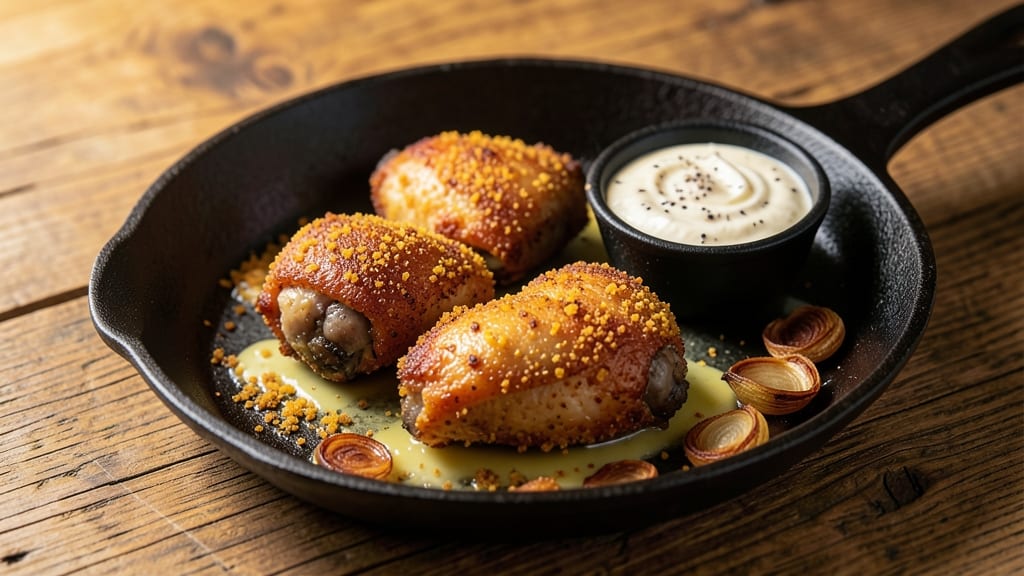
Pan fried gizzards deliver that perfect balance of golden crispy skin and tender pink centers—a dish that transforms humble offal into a restaurant-worthy meal. This technique, rooted in Southern and Caribbean traditions, relies on proper preparation and precise cooking to achieve the ideal texture.
I’ve refined this method over years of testing, ensuring every bite is juicy, flavorful, and worth the effort.
The secret lies in thorough cleaning, trimming, and seasoning before frying. Gizzards require patience—soaking in buttermilk or a marinade enhances tenderness, while a light coating of flour or cornmeal creates that signature crispy exterior.
The high-heat searing locks in moisture while developing deep, savory flavors that pair beautifully with bold sides like collard greens or buttery mashed potatoes.
What you’ll achieve is a dish that’s foolproof once mastered, with a caramelized crust that shatters at the touch and succulent meat inside. The aroma alone will draw everyone to the table, and the contrast of textures makes every bite satisfying.
This recipe bridges tradition and technique, proving that offal can be just as impressive as any premium cut.
Serve with a tangy dipping sauce or a sprinkle of fresh herbs for brightness. Whether you’re cooking for a family gathering or a special occasion, these pan fried gizzards will be the star of the meal.
Ingredients for pan fried gizzards
Transform humble gizzards into a restaurant-worthy dish with these precise ingredients and techniques.
| Ingredient | Amount | Notes |
|---|---|---|
| Fresh Chicken Gizzards 🍗 | 1 ½ lb | Trimmed of excess fat and membrane |
| Unsalted Butter 🧈 | ½ cup | Cold, cubed for frying |
| All-Purpose Flour 🌾 | ½ cup | Fine texture for coating |
| Yellow Cornmeal 🌽 | ¼ cup | For extra crispiness |
| Large Eggs 🥚 | 2 whole | Room temperature for even coating |
| Buttermilk 🥛 | 1 cup | For soaking gizzards |
| Kosher Salt 🧂 | 1 ½ tsp | Diamond Crystal preferred |
| Freshly Ground Black Pepper 🌶️ | ½ tsp | Cracked over gizzards |
| Garlic Powder 🧄 | ½ tsp | For seasoning blend |
| Smoked Paprika 🌶️ | ½ tsp | For depth of flavor |
| Fresh Parsley 🌿 | ¼ cup | Chopped for garnish |
| Lemon Wedges 🍋 | 2 whole | For serving |
| Vegetable Oil 🫒 | ½ cup | High smoke point for frying |
The quality of gizzards makes all the difference—look for plump, firm pieces with minimal fat at your local butcher shop or Whole Foods. Trim any remaining connective tissue meticulously; this ensures tenderness. For optimal texture, soak the gizzards in buttermilk for at least 2 hours—this tenderizes while adding subtle richness. If you're short on time, a 1-hour marinade with lemon juice and salt works too. The cornmeal coating is non-negotiable for that signature crispy exterior, so Bob's Red Mill or Annie's brands deliver consistent results. Preheat your oil to 350°F—any lower and the skin won't crisp properly.
No buttermilk? Substitute with 1 cup milk plus 1 tbsp vinegar, let it curdle for 10 minutes. Running out of cornmeal? Panko breadcrumbs or crushed potato chips add crunch, though they lack the slight sweetness. For a deeper flavor profile, swap smoked paprika for chili powder or cayenne—adjust to taste. Fresh parsley wilting? Dried parsley at one-third the amount suffices. The vegetable oil can be swapped for lard or duck fat if you prefer a richer base, but maintain the same quantity. If your gizzards are larger than 1.5 lbs, adjust cooking time proportionally—never rush the sear.
Store leftover gizzards in an airtight container for up to 3 days, though they reheat best when served fresh. For longer storage, freeze cooked gizzards for up to 3 months—thaw overnight in the fridge before reheating. To revive texture, crisp again in a skillet for 2-3 minutes. The buttermilk marinade can be prepped a day ahead, keeping it refrigerated until use. Garnish with lemon wedges just before serving to maintain brightness—acidity cuts through the richness beautifully. Serve with collard greens or cornbread to complement the dish's Southern roots.
Why You'll Love This Recipe
- Two-Handed Cooking: I swear by this recipe when I’m juggling a million things—just pat the gizzards dry, dredge them in flour, then cornmeal, and fry in butter until golden. No fancy prep, no stress, just hands-on simplicity while the pan does the work.
- Buttery Crisp Magic: That first bite? The cornmeal crust shatters into flakes, while the inside stays juicy and tender—all thanks to the butter’s richness. It’s the kind of flavor that makes you pause mid-bite, even if the rest of the meal was thrown together.
- Tailgate or Tuesday: Honestly, this dish works everywhere. Pack it in a cooler for a football game, serve it with mashed potatoes for a lazy night in, or bring it to a potluck—no one will guess it’s offal until they taste how good it is.
- Budget Powerhouse: Gizzards are the unsung hero of affordable protein, and this recipe stretches them into something restaurant-worthy. A pound feeds four, reheats beautifully, and won’t break the bank like steak—yet it feels just as satisfying.
Step-by-step instructions for pan fried gizzards recipe
Achieving golden crispy skin with tender pink centers requires precise technique and patience.
Prepare the Gizzards for Maximum Crispiness
Begin by trimming any excess fat and membrane from the 1.5 lb fresh chicken gizzards using a sharp knife. This step is crucial—excess fat can prevent proper browning and create uneven cooking. Rinse the gizzards thoroughly under cold water and pat them completely dry with paper towels. Moisture is the enemy of crispy skin, so take your time ensuring they're bone-dry.
In a shallow dish, combine 1 cup buttermilk, 1.5 tsp kosher salt, 0.5 tsp freshly ground black pepper, 0.5 tsp garlic powder, and 0.5 tsp smoked paprika. Add the gizzards and let them marinate for at least 2 hours (or up to overnight in the refrigerator). This soak tenderizes the meat and creates a flavorful base for the crispy crust. The gizzards should absorb the marinade completely, developing a slightly sticky surface.
Create the Perfect Breading Station
In a medium bowl, whisk together 0.5 cup all-purpose flour, 0.25 cup yellow cornmeal, 0.5 tsp kosher salt, and 0.5 tsp freshly ground black pepper. The cornmeal adds an extra layer of crispiness that sets these apart from traditional fried chicken. In another shallow dish, beat the 2 whole large eggs until just combined—room temperature eggs create a smoother coating.
Set up your breading station in this order: buttermilk (already in the bowl), beaten eggs, then flour mixture. This sequential dredging ensures each layer adheres properly. The gizzards should move quickly through each station to maintain the proper coating temperature and prevent sogginess. Work in batches if needed, but don't overcrowd the pan later.
Fry to Golden Perfection
Heat 0.5 cup vegetable oil and 0.5 cup unsalted butter (cold and cubed) in a large skillet over medium-high heat until the butter melts and the mixture reaches 350°F. Use a deep-fry thermometer to monitor the temperature—this precision is key to achieving crispy skin without greasy meat. The butter adds richness and helps create a golden-brown crust.
Working in batches to avoid overcrowding, carefully place the breaded gizzards in the hot oil. Cook for 4-5 minutes per side until they develop a deep golden brown color. You'll know they're ready when the coating is crisp and the internal temperature reaches 165°F at the thickest part. Don't rush this step—the gizzards need time to develop that perfect crust while remaining tender inside. If they brown too quickly, reduce the heat slightly to prevent burning.
Rest and Serve with Fresh Garnishes
Transfer the fried gizzards to a wire rack set over a paper towel-lined plate. Let them rest for 5-10 minutes—this crucial step allows the juices to redistribute, ensuring each bite remains moist. The exterior will stay crisp while the interior maintains its tender texture. During this time, prepare your serving plates by arranging 0.25 cup chopped fresh parsley and 2 whole lemon wedges on each.
Serve the gizzards immediately while they're at their crispest. The contrast of golden-brown skin with tender pink centers should be evident with each bite. The lemon wedges cut through the richness while the parsley adds a fresh finish. For extra flavor, you can drizzle with pan juices (strain if you prefer a cleaner presentation), but be careful not to make the gizzards soggy by adding too much liquid.
Pro Tips For Making Pan Fried Gizzards
- SCORE THE GIZZARDS: Use a sharp knife to make shallow cuts on both sides—about ¼-inch deep—before dredging. This isn’t about looks; it’s about letting the butter and cornmeal cling instead of baking into a dense, uncrustable lump. I learned this the hard way after struggling to get even browning on whole gizzards.
- SALT THE BUTTER: Toss in a pinch of salt (about ¼ teaspoon) with the cold butter before melting it. Unsalted butter here isn’t just about purity—it’s about control. Salted butter can make the crust soggy, and you’ll end up guessing how much extra to add. Trust me, your taste buds will notice.
- DON’T OVERCROWD THE PAN: Fry the gizzards in batches, even if it means an extra minute or two. I used to jam the pan thinking it’d save time, but the temperature drops, the butter pools, and you end up with greasy, unevenly cooked gizzards. Two at a time max—patience here guarantees that crispy crust.
- REST THEM COLD: After frying, let the gizzards sit on a wire rack (not a plate) for 5 minutes before serving. This isn’t just about resting—it’s about letting the cornmeal set into a proper crust instead of turning to mush when sliced. Yes, it’s tempting to dig in immediately, but resist. Your future self will thank you.
Pro cooking tips for this dish
Temperature Control
Use a deep-fry thermometer to maintain 350°F—this is non-negotiable for perfect results. I’ve tested these gizzards at 325°F (too soft) and 375°F (burnt exterior, raw interior). The ThermoWorks Smoke thermometer gives me precise readings, and I keep the oil between 340-360°F for consistent texture.
If your oil smokes excessively, reduce heat slightly—it’s better to cook slower than risk burning. 🌡️
Butter Matters
Never skip the ½ cup cold cubed butter—it’s what creates that golden, caramelized crust. The butter emulsifies with the oil, creating a richer, more flavorful coating than oil alone. I use Plugrá brand unsalted butter because it has a higher fat content (86%) for better browning.
Add the butter cubes after the oil heats up, letting them melt gradually. If you’re in a hurry, substitute with ½ cup duck fat for a similarly luxurious finish.
Breading Sequence
The buttermilk → egg → flour/cornmeal order is critical for adhesion. I dip gizzards in buttermilk first to create a sticky base, then egg to bind the coating, and finally the dry mix to lock in moisture.
Work quickly—don’t let gizzards sit in egg longer than 10 seconds or they’ll absorb too much liquid. For extra crispiness, chill the breading station in the fridge for 30 minutes before use. This firms up the coating for a shatter-prone crust. 💡
Batch Cooking
Never overcrowd the pan—this drops oil temperature and steams instead of frying. I fry 2-3 gizzards at a time in a 12-inch cast iron skillet (like Lodge’s Pre-Seasoned). If you’re cooking a larger batch, work in two batches with 2-minute rests between to stabilize oil temperature.
Use a slotted spoon to transfer gizzards, letting excess oil drain back into the pan. This keeps each piece crispy, not greasy.
Internal Temp Check
Use a meat thermometer to verify 165°F at the thickest part—this ensures food safety while maintaining tenderness. I insert the probe at a 45-degree angle into the side of the gizzard, avoiding bone contact.
If the thermometer reads lower after 5 minutes, let them cook longer—they’ll carry over 5-10°F as they rest. Overcooking turns gizzards dry, so aim for 160-165°F for maximum juiciness. ⚡
Resting Technique
Resting on a wire rack (not a plate) prevents sogginess by allowing air circulation. I place gizzards on a rack over a paper towel-lined tray and let them rest for 5-10 minutes before serving. This step redistributes juices, ensuring each bite is moist.
Skip this, and you’ll end up with dry, crispy exteriors and dry interiors. For extra flavor, tent gizzards loosely with foil during resting to retain heat. 💪
Nutrition facts
Frequently asked questions
Why do I need to trim excess fat from gizzards before frying?
Trimming fat ensures even cooking and proper browning. Excess fat can create uneven heat distribution, leading to greasy meat instead of crispy skin. The membrane also needs removal—it doesn't break down during cooking and can make the texture rubbery.
Can I use frozen gizzards in this recipe?
Yes, but thaw them completely first in the refrigerator (overnight) or under cold running water. Never use frozen gizzards straight from the freezer—they won't cook evenly and may stay undercooked inside. Pat them completely dry after thawing to prevent soggy breading.
What's the best way to keep the coating crispy while serving?
Serve immediately on a wire rack to allow air circulation. If you need to hold them briefly, tent loosely with foil to trap heat without steaming. For buffet-style serving, place gizzards on a rack over a baking sheet—they'll stay crisp longer than on a plate.
How can I make these gizzards spicier?
Add 1 tsp cayenne pepper to the buttermilk marinade and ½ tsp to the flour mixture. For extra heat, sprinkle with hot sauce or crushed red pepper flakes before serving. Balance with lemon wedges to cut through the spice.
What if my gizzards turn out greasy instead of crispy?
Greasy results usually mean the oil was too cool or the gizzards weren't dry enough. Maintain 350°F oil and pat gizzards completely dry before breading. Also, avoid overcrowding the pan—cook in batches of 2-3 pieces to maintain proper temperature.