
Main Courses
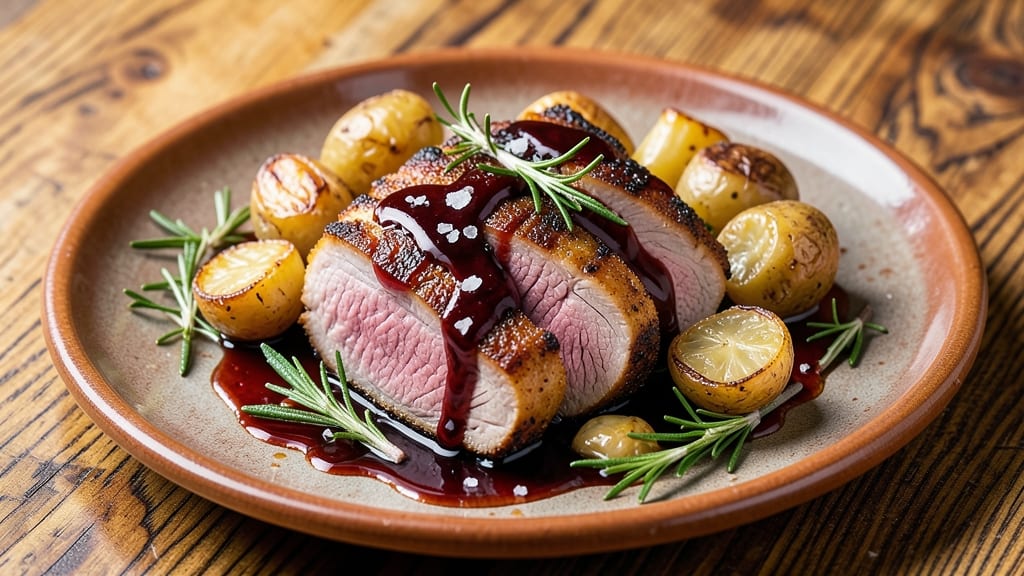
Transforming pork heart into a restaurant-worthy dish requires precision and patience, but the results—tender, iron-rich bites with deep umami flavor—are worth every step. This offal cut, often overlooked, delivers a meaty texture and robust taste when prepared correctly, making it a standout for adventurous home cooks.
The key lies in proper cleaning, marinating, and cooking techniques that unlock its full potential without overpowering its natural richness.
This recipe guides you through a foolproof method that includes trimming, marinating in a savory blend, and either slow-braising or quick-searing for perfect doneness. Whether you're reverse-searing for crispy edges or braising for melt-in-your-mouth tenderness, the technique ensures every bite is flavorful and satisfying.
The process might sound intimidating, but with clear steps and a little practice, you'll achieve professional-quality results at home.
What you’ll end up with is a dish that’s nutrient-dense and deeply savory, perfect for serving alongside roasted vegetables, mashed potatoes, or crusty bread.
The umami depth from the marinade and cooking method creates a flavor profile that’s both hearty and elegant—ideal for a weeknight dinner or an impressive weekend meal. The iron content alone makes it a standout, but the taste will have everyone asking for seconds.
Pair this recipe with a bold red wine reduction or a tangy chimichurri to elevate the dish further. The versatility of pork heart means it works in everything from hearty stews to elegant seared cuts, proving that offal can be just as rewarding as traditional cuts of meat.
Let’s get started on creating a dish that’s as nutritious as it is delicious.
Ingredients for pork heart
Pantry staples meet offal magic—transforming tough pork heart into tender, iron-rich bites.
| Ingredient | Amount | Notes |
|---|---|---|
| Pork Heart 🥩 | 2 lb | Whole, cleaned and trimmed |
| Red Wine 🍷 | 1 cup | Dry, bold variety like Cabernet |
| Balsamic Vinegar 🍶 | ½ cup | Aged for depth of flavor |
| Olive Oil 🫒 | ¼ cup | Extra-virgin for richness |
| Garlic Cloves 🧄 | 6 cloves | Peeled and smashed |
| Fresh Rosemary 🌿 | ¼ cup | Chopped, stems removed |
| Fresh Thyme 🌿 | ¼ cup | Leaves only, chopped |
| Diamond Crystal Kosher Salt 🧂 | 2 tbsp | For marinade and seasoning |
| Black Peppercorns 🌶️ | 1 tbsp | Freshly cracked |
| Onion Powder 🧅 | 1 tbsp | For depth of flavor |
| Beef Broth 🍲 | 1 cup | Low-sodium for braising |
| Tomato Paste 🍅 | 2 tbsp | Smooth, not chunky |
| Fresh Bay Leaves 🌿 | 2 whole | For aromatic depth |
| Butter 🧈 | 2 tbsp | Unsalted, for finishing |
The pork heart is the star, so source it from a trusted butcher—they’ll clean and trim it for you. Look for bright red, firm pieces with minimal fat. I usually buy mine from Whole Foods or a local specialty butcher shop; they often have it pre-trimmed, which saves time. If you’re buying whole, ask for it to be cleaned and trimmed—this cut needs to be tender, not chewy. The marinade does most of the work, so don’t skimp on the red wine and balsamic. A bold Cabernet or Merlot adds depth, while the balsamic brings a tangy sweetness that balances the richness. Fresh herbs like rosemary and thyme are non-negotiable—they infuse the heart with aromatic brightness.
No red wine? Substitute beef broth with a splash of balsamic—it won’t be identical, but it’ll still deliver umami. Short on fresh herbs? Dried rosemary and thyme at one-third the amount work in a pinch, though fresh is ideal. The tomato paste can be swapped for crushed tomatoes or a splash of tomato juice if you’re out, but it adds a concentrated depth that’s hard to replace. For the butter finish, olive oil works in a bind, but butter adds that luxurious mouthfeel. If you’re reverse-searing, use ghee for an even higher smoke point—it’s worth the extra dollar.
Marinated pork heart keeps 3-4 days in the fridge, but it’s best used within 24 hours for maximum tenderness. The marinade itself can be made a day ahead—just store it separately and combine before using. For leftovers, reheat gently in the sauce to keep everything moist. This dish reheats beautifully, so it’s perfect for meal prep. Portion the cooked heart into containers with some of the braising liquid for easy reheating—just warm through and serve. The flavors only get better as they meld.
Why You'll Love This Recipe
- One-Pan Magic: I swear by this recipe—just sear the heart in olive oil, toss in garlic and wine, and let it simmer. No chopping, no fuss, and the pan cleans itself while you eat.
- Deep Umami Bomb: That pork heart soaks up the red wine and balsamic like a sponge, turning tender with layers of rich, savory flavor. Honestly, the first bite makes you question why you haven’t made this sooner.
- Budget Crowd-Pleaser: A single heart feeds four (or three hungry people and leftovers for lunch). It’s cheaper than steak but just as satisfying—my wallet and my family thank me every time.
- Leftovers That Shine: The flavors actually get better the next day—perfect for quick lunches or tossing into salads. I’ll be real: I’ve reheated this cold from the fridge, and no one’s complained.
Step-by-step instructions for pork heart with umami depth
Here's how to transform tough pork heart into melt-in-your-mouth bites bursting with savory complexity.
Prepare the Pork Heart for Maximum Tenderness
Begin by cleaning the pork heart thoroughly under cold water, removing any silver skin or connective tissue. Trim away any remaining fat or membrane, leaving only the clean muscle meat. I like to score the surface lightly in a crosshatch pattern with a sharp knife—this helps the marinade penetrate deeper and creates more surface area for flavor absorption.
Place the cleaned pork heart in a large bowl and massage it gently with the olive oil, ensuring every inch is coated. This step is crucial because pork heart can be dense and fibrous if not properly tenderized. Add the smashed garlic cloves, chopped fresh rosemary, chopped fresh thyme, onion powder, and all of the diamond crystal kosher salt. Use your hands to work the seasoning into the meat, breaking up any remaining connective tissue as you go.
Create the Marinade and Braising Liquid
In a separate bowl, whisk together the red wine, balsamic vinegar, beef broth, and tomato paste until fully combined. This liquid forms the foundation of our braising liquid, which will tenderize the meat while infusing it with rich, umami flavors. The acidity from the wine and vinegar helps break down collagen, while the tomato paste adds depth and color.
Add the cracked black peppercorns and fresh bay leaves to the marinade mixture. The peppercorns will add a subtle heat, while the bay leaves contribute an earthy aromatic quality that pairs beautifully with pork. Pour this marinade mixture over the pork heart in the bowl, ensuring it's fully submerged. Cover and refrigerate for at least 4 hours, or preferably overnight—this long marinating time is what transforms tough pork heart into tender, flavorful bites.
Sear the Pork Heart for Depth of Flavor
Remove the pork heart from the marinade (reserve the liquid for later) and pat it dry with paper towels. Heat a heavy-bottomed Dutch oven over medium-high heat and add just enough olive oil to coat the bottom. Place the pork heart in the pot and sear it on all sides until deeply browned, about 3-4 minutes per side. This step is essential for building layers of flavor through the Maillard reaction.
As you sear, you'll notice the pork heart developing a rich, caramelized crust. Don't rush this process—patience here ensures maximum flavor development. Once browned on all sides, remove the pork heart from the pot and set it aside on a plate.
Braise Until Fork-Tender
Return the reserved marinade to the Dutch oven, scraping up any browned bits from the bottom with a wooden spoon. Bring the liquid to a simmer over medium heat, then add the seared pork heart back to the pot. The liquid should come about halfway up the sides of the pork heart—if it doesn't, add a splash of water.
Cover the pot tightly and transfer it to a preheated 325°F oven. Braise for 2 to 2.5 hours, until the pork heart is fork-tender and easily pulls apart. I check for doneness by piercing the thickest part with a fork—it should slide in with minimal resistance and the meat should feel soft and yielding. The braising liquid will reduce significantly during this time, concentrating all the flavors.
Finish with Butter for Richness and Serve
Remove the pork heart from the braising liquid and transfer it to a cutting board. Let it rest for 10 minutes before slicing—this resting period allows the juices to redistribute throughout the meat, ensuring each bite is moist and flavorful. While the pork heart rests, strain the braising liquid through a fine-mesh sieve to remove any solids, then return it to the Dutch oven.
Reduce the heat to low and whisk in the butter until melted and fully incorporated. The butter adds a luxurious finish that balances the acidity from the braising liquid. Taste and adjust the seasoning if needed—you might want to add a touch more salt to enhance the flavors. Slice the pork heart against the grain into ½-inch thick pieces and serve immediately with the reduced braising sauce spooned generously over the top.
Pro Tips For Making Pork Heart
- SEAR FIRST, DEGLaze LATER: The pork heart’s tough exterior needs a hard sear—cast iron or stainless steel, high heat, 3-4 minutes per side until deeply browned. I learned the hard way that skipping this step leaves the meat bland and chewy; the Maillard reaction here isn’t optional. After searing, immediately pour in that red wine and scrape every bit of crust off the pan—don’t lazily dump it in. That’s where the flavor lives.
- SLICE AGAINST THE GRAIN—THEN AGAIN: Pork heart’s muscle fibers run stubbornly in one direction, and cutting it once won’t fix that. After cooking, slice it once against the grain, then turn the pieces 90 degrees and slice again—like a crosshatch. This breaks up the tough strands enough to make it tender enough to eat without feeling like you’re chewing shoe leather. (Yes, I’ve eaten it that way. No, you don’t want to.)
- RED WINE REDUCTION ISN’T JUST BOILING: You’re not making jam here—simmer the wine gently until it’s reduced by half, not until it’s a syrupy sludge. If you rush it, the alcohol burns off too fast, leaving behind a harsh, vinegary note that’ll clash with the balsamic. Instead, let it bubble softly, stirring occasionally, until it coats the back of a spoon like syrup. That’s when you know it’s ready to marry with the garlic and vinegar.
- USE COLD HEART, NOT ROOM TEMP: Take that pork heart straight from the fridge and slice it thin—about ¼-inch thick—before cooking. Cold meat sears more evenly and doesn’t release moisture into the pan like room-temp cuts do. If you’re worried about it sticking, pat it dry with paper towels, but don’t overdo it—just enough to let the sear work its magic. (And for the love of garlic, don’t skip mincing those cloves—press them through a garlic press for even distribution.)
Common mistakes when making perfect results
Skipping the Cleaning
Pork heart comes with a natural membrane and connective tissue that must be removed for tenderness. Skipping this step leaves you with a chewy, unappetizing result. Always clean under cold running water, scraping away the silver skin and any remaining fat or gristle.
I use a sharp boning knife to trim carefully—this step takes 10-15 minutes but makes all the difference. 🧂
Insufficient Marinating
Rushing the marinating process is a common mistake that leads to tough meat. Pork heart needs at least 4 hours of marinating, but I recommend marinating overnight for best results.
The acidity in the red wine and balsamic vinegar breaks down collagen, while the aromatics infuse flavor. Never skip this step—it’s the secret to tender, flavorful bites.
Overcrowding the Pan
When searing, overcrowding the pork heart in the pan causes steaming instead of browning, which is crucial for flavor development. Work in batches if needed, using a 12-inch cast iron skillet or Dutch oven.
Each piece should have space to develop a deep, caramelized crust through the Maillard reaction. 🔥
Incorrect Braising Temperature
Braising at too high a temperature (350°F or above) will cook the pork heart too quickly, leaving it tough. Stick to a steady 325°F in your oven for even, gentle cooking. Use a meat thermometer to monitor internal temperature—it should reach 203°F for perfect tenderness.
Not Resting the Meat
Skipping the 10-minute rest after braising causes juices to escape when sliced, resulting in dry meat. Always let the pork heart rest on a cutting board before slicing. This step ensures every bite is moist and flavorful. I cover it loosely with foil to retain heat during resting. ⏳
Using the Wrong Cutting Technique
Slicing pork heart against the grain is essential for tenderness, but many cutters slice with the grain, leaving the meat tough. Look for the muscle fibers and slice perpendicular to them using a sharp chef’s knife.
Aim for ½-inch thick slices for the best texture. A Dexter Russell slicing knife makes this easier.
Nutrition facts
Frequently asked questions
Why does pork heart need marinating?
The marinade's acidity (from red wine and balsamic) breaks down collagen in the dense muscle fibers, transforming tough meat into tender bites. The 4+ hour marinade also infuses flavor deep into the heart, creating that signature umami richness. Without it, you risk dry, chewy results.
Can I substitute beef broth for red wine in the marinade?
Yes, but the flavor will be less complex. Use 1 cup beef broth + 2 tbsp balsamic vinegar to mimic the acidity and depth. For best results, stick with wine—the alcohol evaporates during cooking, leaving behind concentrated flavor.
How do I know when pork heart is fully cooked?
It should reach an internal temperature of 203°F and fork-tender when pierced. The meat will pull apart easily and have a light pink center (not red). Overcooking dries it out, so monitor closely during the final 30 minutes of braising.
What's the best way to serve leftover pork heart?
Slice leftovers into ½-inch pieces and reheat gently in the braising sauce over low heat. Add a splash of water if the sauce thickens too much. It reheats beautifully in tacos, sandwiches, or over mashed potatoes. Store in an airtight container for up to 4 days.
Is pork heart healthy?
It's packed with iron, zinc, and B vitamins while being lower in fat than many cuts. A 3-ounce serving provides ~20% of your daily iron needs. The braising method preserves nutrients better than frying, making it a nutritious protein choice.