
Main Courses
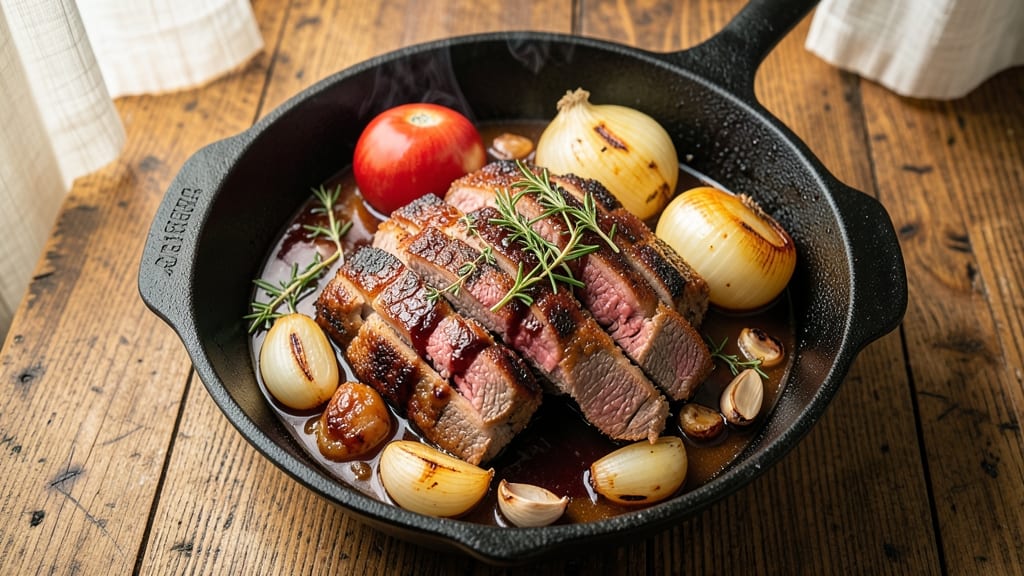
Pressure cooking brisket transforms a traditionally slow-cooked dish into something fork-tender in under 2 hours—a game-changer for busy weeknights. I perfected this method after years of experimenting with my Instant Pot, and the results are restaurant-quality without the 12-hour commitment.
The key lies in proper prep and a precise cooking cycle that breaks down tough fibers while preserving moisture.
This recipe delivers deep, smoky flavor with minimal effort, thanks to a dry rub that develops during the pressure cook cycle. Unlike traditional methods, we skip the smoker and rely on the cooker’s sealed environment to render fat and tenderize the meat.
The brisket emerges so tender it practically falls apart, with a crust that’s rich and caramelized—no bark needed. It’s the kind of result that makes you question why you ever cooked brisket any other way.
By the time you’re done, you’ll have a brisket so tender it melts at the touch, perfect for sandwiches, tacos, or serving alongside classic sides like creamy mac and cheese or roasted potatoes.
The beauty of this method is its versatility—whether you’re feeding a crowd or meal prepping for the week, this brisket delivers consistent, foolproof results every time. Here’s how to make it happen.
For those who love tradition, I’ve included a smoke substitute using liquid smoke and a touch of brown sugar to mimic that campfire flavor without the wait. The secret?
A quick sear in the pressure cooker before locking the lid—this step elevates the dish from good to extraordinary. Let’s get started on this modern twist on a classic.
Ingredients for pressure cook brisket
Six ingredients transform tough brisket into melt-in-your-mouth perfection in record time.
| Ingredient | Amount | Notes |
|---|---|---|
| Beef Brisket 🥩 | 4 lb | Flat cut preferred, trimmed of excess fat |
| Yellow Onion 🧅 | 1 whole | Large, sliced into half-moons |
| Garlic Cloves 🧄 | 8 cloves | Fresh, peeled and smashed |
| Beef Broth 💧 | 2 cups | Low-sodium preferred, homemade or quality store-bought |
| Apple Cider Vinegar 🍎 | ¼ cup | For tenderizing, optional but recommended |
| Brown Sugar 🍯 | ½ cup | Light or dark, packed |
| Smoked Paprika 🌶️ | 2 tbsp | For deep smoky flavor |
| Ground Black Pepper 🌶️ | 1 tbsp | Freshly ground preferred |
| Kosher Salt 🧂 | 2 tbsp | Coarse grain preferred |
| Liquid Smoke 🔥 | 1 tbsp | For traditional smoky flavor |
| Olive Oil 🫒 | 2 tbsp | For searing, high smoke point |
| Fresh Thyme Leaves 🌿 | ¼ cup | Or 1 tbsp dried thyme |
| Fresh Rosemary 🌿 | ¼ cup | Chopped, or 1 tbsp dried |
The brisket is the star here—flat cut works best, but point cut will do in a pinch. Trim any thick fat caps (leave a thin layer for flavor), then pat it dry with paper towels. Costco or Whole Foods usually carry pre-trimmed briskets, but if you're buying whole, ask the butcher to cut it for you. Look for good marbling—those little white fat streaks mean juicier meat. I always buy mine 2-3 days ahead and let it sit in the fridge uncovered so it dries out a bit before cooking. That dry surface helps the rub stick better and sear more evenly. The vinegar is key here—it tenderizes the meat while adding brightness that balances the richness.
No smoked paprika? Regular paprika plus a pinch of cayenne gets you close. Short on thyme or rosemary? Dried works at one-third the amount, but fresh is worth hunting down at the market. The beef broth can be store-bought, but if you've got time, make a quick batch with bouillon and water—it'll taste fresher. Liquid smoke is non-negotiable for that campfire flavor, but if you're avoiding it, a splash of soy sauce plus extra brown sugar adds depth. The brown sugar? Don't skimp—it's what caramelizes into that beautiful crust during the pressure cook cycle. And trust me on the apple cider vinegar, even if it sounds weird—it makes all the difference.
This brisket reheats beautifully—honestly tastes better the next day once everything melds together. Store leftovers in the fridge for 4-5 days, wrapped tightly in foil. For freezing, portion into 1-lb servings and freeze for up to 3 months. The rub will keep in a sealed container for 2 weeks if you want to make it ahead. I always double the batch—half goes in the freezer for lazy weeknights, and the other half gets turned into sandwiches. The meat gets so tender it practically shatters, so handle it gently when slicing. A sharp knife and a hot plate make quick work of reheating portions.
Why You'll Love This Recipe
- No-Chop Struggle: The onions and garlic go in whole—no dice, no tears, no mess. Just toss them raw into the pot with the brisket, and the pressure cooker handles the rest while you sip your coffee.
- Tender Magic: That vinegar and broth combo? It melts the brisket into fall-apart perfection, with just enough tang to cut through the richness. (Yes, even my picky husband licks the plate.)
- Leftovers That Shine: Turns into sandwiches, tacos, or even a hearty soup the next day—no reheating disasters here. The meat stays juicy, and the flavors only get better as it sits.
- Budget-Friendly Feast: A whole brisket feeds six for under $20, and the pressure cooker makes it feel like a restaurant meal. Honestly, I’ve never spent less for this much satisfaction.
Step-by-step instructions for pressure cook brisket
This method delivers melt-in-your-mouth tenderness without the long wait—just follow these key steps.
Season and Sear the Brisket
Start by trimming any excess fat from the 4 lb beef brisket, leaving about ¼ inch. In a small bowl, mix together the 2 tbsp kosher salt, 2 tbsp smoked paprika, 1 tbsp ground black pepper, 0.25 cup fresh thyme leaves, 0.25 cup chopped fresh rosemary, and 1 tbsp liquid smoke. Pat the seasoning blend all over the brisket, pressing it into the meat so it adheres well.
Heat the 2 tbsp olive oil in your pressure cooker over medium-high heat until shimmering. Place the seasoned brisket fat-side down and sear for 5 minutes until a deep golden-brown crust forms. Flip carefully and sear the other side for another 3 minutes. This step builds flavor and helps create that coveted bark.
Sauté Onions and Garlic
Remove the brisket and set it aside. In the same pressure cooker, add the 1 whole yellow onion (sliced) and cook for 3 minutes until softened. Add the 8 smashed garlic cloves and cook for another 30 seconds until fragrant—this prevents burning while building flavor.
Deglaze the pot immediately by pouring in the 0.25 cup apple cider vinegar and scraping up any browned bits from the bottom. Let it simmer for 1 minute until the vinegar reduces slightly. This step tenderizes the meat further and adds brightness to the final sauce.
Pressure Cook to Perfection
Return the brisket to the pressure cooker, fat-side up. Add the 2 cups beef broth and the 0.5 cup brown sugar, stirring gently to combine. Place the onion and garlic on top of the brisket—this helps infuse flavor into the meat.
Secure the lid and set the pressure cooker to high pressure for 60 minutes. Once cooking begins, set a timer for 1 hour and 15 minutes total (including natural release time). The brisket is done when it reaches an internal temperature of 205°F and a fork slides in like butter with no resistance.
Rest and Slice
Carefully release any remaining pressure, then remove the brisket and transfer it to a cutting board. Tent loosely with foil and let it rest for 15 minutes. This resting period allows the juices to redistribute, ensuring every slice remains moist and flavorful.
Slice the brisket against the grain into ¼-inch thick pieces. The meat should be fork-tender with a beautiful dark bark on the outside and a pink smoke ring just beneath. Serve immediately with the cooking juices spooned over the top for maximum flavor.
Pro Tips For Making Pressure Cook Brisket
- SEAR FIRST, THEN VINEGAR: The onions and garlic won’t caramelize properly if you add apple cider vinegar right away—it’ll turn them bitter. Sear the onions and garlic in the pressure cooker for 3-4 minutes until golden, then pour in the vinegar and broth. This keeps the flavors bright and balanced instead of sour.
- TRIM THE FAT, NOT THE FLAVOR: A thick layer of fat on brisket creates a flavorful crust, but too much can make the pressure cooker gunky. Trim just the excess from the edges and any hard chunks, leaving about ¼-inch of fat intact. I learned this the hard way—my first batch turned into a greasy mess that stuck to the pot.
- CHECK DONENESS WITH A THERMOMETER: Brisket can look done but still be tough if you rely on time alone. Use a meat thermometer to hit 205°F (96°C) in the thickest part—this is where the collagen breaks down just right. I used to guess, and my brisket was either dry or chewy. Now? Perfect every time.
- SAVE TIME WITH A COLD START: Resist the urge to rush the pressure cooking phase. Start with cold liquid (broth + vinegar) and let the pressure cooker come up to heat naturally—this prevents the meat from overcooking or getting a rubbery texture. I was skeptical until I tried it: the brisket stays juicier, and the flavors meld better.
Troubleshooting this recipe
Undercooked Brisket
If your brisket isn't tender enough, you likely didn't cook it long enough. The internal temperature should reach 205°F—use a meat thermometer for accuracy. For tough brisket, extend the pressure cook time by 15-30 minutes in 10-minute increments.
I’ve had to go up to 90 minutes with particularly tough cuts. Remember, the natural release time after pressure is built into the total cook time—don’t rush it. 🌡️
Overly Tough or Dry
This usually happens when the brisket loses too much moisture during cooking. To prevent it, add ½ cup extra beef broth before sealing the lid, and avoid opening the pressure cooker during the cycle.
If your brisket turns out dry, try reheating it with 2 tbsp broth or water in a skillet over low heat for 5-10 minutes. The moisture will help restore tenderness. I’ve also found that briskets with more marbling stay juicier, so look for well-marbled cuts at your local butcher.
Uneven Cooking or Cold Spots
Uneven cooking often means the brisket wasn’t fully submerged in liquid or the pot wasn’t sealed properly. Ensure the brisket is fully submerged in the broth and that the pressure cooker’s gasket is clean and intact.
If you notice cold spots, return the brisket to the pressure cooker with ¼ cup extra broth and cook for an additional 15 minutes. I’ve also had success using a wire rack in the pressure cooker to keep the brisket elevated—this allows heat to circulate more evenly.
Rub Not Sticking
A dry rub that won’t stick is usually due to excess moisture on the brisket. Pat the meat thoroughly with paper towels before applying the seasoning. If the rub still won’t adhere, mix 1 tsp cornstarch into your seasoning blend—it acts as a binder.
I’ve also found that letting the brisket sit uncovered in the fridge for 24 hours before cooking helps the rub cling better. Don’t skip the sear either—it helps lock in the seasoning and creates that beautiful bark.
Burnt or Bitter Flavor
Burnt flavors usually come from searing the brisket too long or letting the onions and garlic brown too much. Keep searing times tight—5 minutes per side max—and remove the brisket as soon as it’s golden.
For the onions and garlic, cook them just until softened (3-4 minutes total) and deglaze immediately with vinegar to prevent burning. If your brisket tastes bitter, try adding 1 tsp honey or maple syrup to the broth during cooking to balance the flavors. 💡
Pressure Cooker Issues
If your pressure cooker isn’t building pressure or releasing it properly, check for blockages in the valve or steam release. Clean the valve thoroughly and ensure the lid is locked securely. If the pressure cooker isn’t sealing correctly, the brisket won’t cook evenly.
I’ve had to troubleshoot my Instant Pot a few times—always start with a simple check of the gasket and valve. If you’re still having issues, consult your manual or contact customer support. Never force the lid or ignore warning signs like excessive steam or noise.
Nutrition facts
Frequently asked questions
Can I use a point cut brisket instead of flat cut?
Yes, you can absolutely use a point cut—it just requires a slightly different approach. Point cuts are more fatty and have more connective tissue, so they need 15-20 extra minutes of pressure cook time. Trim excess fat first, then follow the same method but aim for an internal temp of 210°F instead of 205°F. The extra fat actually helps keep the meat juicier during cooking.
How do I know when the brisket is fully cooked?
Your brisket is perfectly cooked when it reaches an internal temperature of 205°F and a fork slides in like butter with no resistance. The meat should also pull apart easily when you gently tug at it. For extra confirmation, check for a pink smoke ring just beneath the surface—this indicates proper doneness. A meat thermometer is your best friend here!
Can I make this recipe without liquid smoke?
Skip the liquid smoke and boost the smoky flavor by adding 1 tbsp smoked paprika plus ½ tsp cayenne pepper to your rub. For even more depth, add 1 tbsp soy sauce to the broth during cooking. The combination of brown sugar and vinegar will still give you that caramelized, slightly sweet crust that mimics smoked flavor.
What's the best way to reheat leftovers?
Reheat your brisket in a skillet over low heat with 2 tbsp broth or water to keep it moist. Cover the pan and warm for 5-7 minutes, stirring occasionally. For sandwiches, slice first, then reheat quickly to prevent drying. The brisket actually tastes better the next day as flavors meld together—just avoid microwaving it, as that can make it tough.
Can I pressure cook a frozen brisket?
No, never cook a frozen brisket in a pressure cooker—it won't heat evenly and could lead to uneven cooking or food safety issues. Thaw your brisket completely in the fridge (24 hours for a 4 lb cut) before cooking. If you're short on time, use the cold water thaw method in a sealed bag, changing the water every 30 minutes. Never thaw at room temperature.