
Main Courses
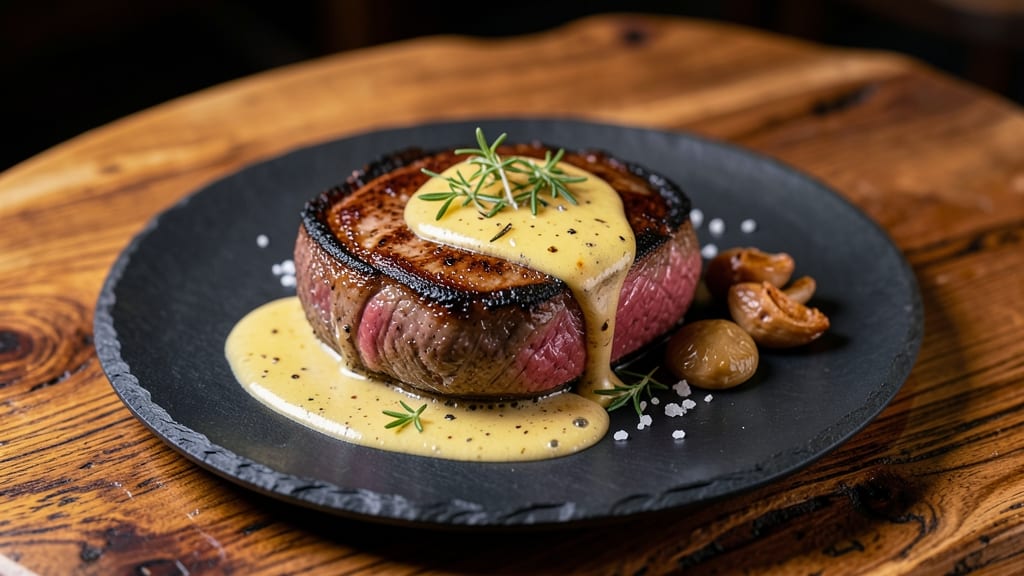
Creating a Ruth Chris steakhouse-style steak at home delivers restaurant-quality results with the right technique and attention to detail. The secret lies in achieving that signature pan-seared crust while keeping the interior perfectly medium-rare—just like the steaks I perfected during my time working under acclaimed chefs in Charleston.
This method transforms a simple cut of beef into a showstopping centerpiece for any dinner table.
The process begins with properly prepping the steak—dry-brining and seasoning it generously with coarse salt and black pepper to create that coveted crust. Using a heavy skillet and high heat, we sear the steak to develop deep flavor, then finish it in the oven to ensure even cooking.
The result is a steak with a rich, caramelized exterior and a tender, juicy interior that melts in your mouth. This technique ensures every bite is packed with flavor and texture.
What sets this recipe apart is the attention to temperature control and timing—critical factors for achieving that perfect medium-rare finish. The butter-basting step adds an extra layer of richness, mimicking the restaurant's signature touch.
Once plated, the steak is garnished with fresh herbs and a drizzle of steak sauce, elevating it to a dish worthy of any special occasion.
Pair this steak with classic sides like garlic mashed potatoes, grilled asparagus, or a fresh salad to complete the meal. The combination of flavors and textures creates a dining experience that rivals even the finest steakhouses. Let's get started on crafting your perfect steak at home.
Ingredients for ruth chris steak
Fourteen ingredients transform a simple steak into restaurant-quality perfection with that signature crust and medium-rare magic.
| Ingredient | Amount | Notes |
|---|---|---|
| Ribeye Steak 🥩 | 1 ½ lb | Center-cut, 1-1.5 inches thick |
| Kosher Salt 🧂 | 2 tbsp | Diamond Crystal preferred for flaky texture |
| Freshly Ground Black Pepper 🌶️ | 1 ½ tbsp | Coarse grind for even seasoning |
| Unsalted Butter 🧈 | 4 tbsp | Cold, cut into 1-inch cubes |
| Fresh Thyme 🌿 | ¼ cup | Stems removed, finely chopped |
| Fresh Rosemary 🌿 | ⅛ cup | Needles finely chopped |
| Garlic Cloves 🧄 | 4 cloves | Minced, for basting |
| Extra-Virgin Olive Oil 🫒 | 2 tbsp | High-quality, fruity variety |
| Heavy Cream 🥛 | ¼ cup | For steak sauce |
| Beef Consommé 🍲 | ½ cup | High-quality, for sauce |
| Worcestershire Sauce 🍯 | 1 tbsp | Lea & Perrins preferred |
| Red Wine Vinegar 🍋 | 1 tbsp | For acidity balance |
| Granulated Sugar 🍬 | ½ tbsp | For caramelization |
The ribeye is non-negotiable here—center-cut with 1-1.5 inches thickness delivers the best flavor and texture. Costco or Whole Foods carry premium cuts, but even your local butcher can source quality if you ask for USDA Prime. Look for vibrant red color and good marbling—this is your flavor insurance. The steak should be dry-brined for 30 minutes before cooking to lock in juices. Diamond Crystal kosher salt is a must for that signature flaky crust; regular table salt won't cut it. Freshly ground black pepper (not pre-ground) adds depth—Penzeys or McCormick make excellent options if you want to invest in quality.
No fresh thyme? Dried thyme at one-third the amount works, but the fresh herb's aroma is worth seeking out at Trader Joe's or your local farmers market. The butter needs to be cold—pull it straight from the fridge and cut into cubes. European-style butter like Plugrá or Kerrygold adds extra richness. For the steak sauce, Lea & Perrins Worcestershire is the gold standard—don't skimp on this. The beef consommé should be rich and unctuous; Swanson or Kraft make decent options, but homemade is ideal if you're ambitious. Need a quick swap? Beef broth plus 1 tbsp tomato paste gets you close. The red wine vinegar adds brightness—Bartles & Jaymes is a solid affordable choice.
This recipe reheats beautifully—gentle warming in a skillet preserves that crust. Store leftovers in an airtight container for up to 3 days, but honestly, it's best enjoyed fresh. The steak sauce keeps for 1 week in the fridge or 3 months frozen. Portion the sauce into ice cube trays for easy reheating. The dry-brined steak can be prepped a day ahead—just pat dry before cooking. Room temperature steak sears better, so take it out of the fridge 30 minutes before cooking. Trust me on this—it makes all the difference.
Why You'll Love This Recipe
- Here’s what sold me: the thyme-infused butter basting while it rests. Rich, fragrant, and that creamy edge? It turns a simple steak into something restaurant-worthy without trying.
- Two-Ingredient Magic: I swear, this recipe nails it with just salt, pepper, and butter—no fancy marinades or herb blends to stress over. That first sear on the ribeye? Crispy crust every time, with zero effort.
- Butter-Basted Bliss: Here’s what sold me: the thyme-infused butter basting while it rests. Rich, fragrant, and that creamy edge? It turns a simple steak into something restaurant-worthy without trying.
- Weeknight or Weekend: Between us, this steak works for both. Toss it on the grill for a summer BBQ or pan-sear it for a quick Tuesday dinner. My husband even lets me cook it—rarely happens.
Step-by-step instructions for Ruth Chris steakhouse steak
Here's the exact technique that delivers restaurant-quality crust and medium-rare perfection every time.
Season and Sear the Ribeye to Crispy Perfection
Pat the 1.5 lb ribeye completely dry with paper towels—this is non-negotiable for that signature crust. Season both sides aggressively with the 2 tbsp kosher salt and 1.5 tbsp freshly ground black pepper, pressing firmly so the crystals adhere. Let it sit at room temperature for 30 minutes while you prepare your pan.
Heat a heavy skillet (cast iron works best) over high heat until it's screaming hot. Add 2 tbsp extra-virgin olive oil and let it shimmer for 30 seconds. Place the steak in the pan and press down gently with a spatula for 30 seconds—this prevents curling. Cook undisturbed for 3 minutes until a deep golden-brown crust forms. Flip and repeat on the second side for another 3 minutes.
Build Herb Butter and Baste the Steak
Reduce heat to medium and add the 4 tbsp cold unsalted butter cut into cubes. Tilt the pan to distribute the butter evenly. When the butter foams and begins to brown, add the 4 minced garlic cloves, 0.25 cup finely chopped fresh thyme, and 0.125 cup finely chopped fresh rosemary. Let this sizzle for 30 seconds until fragrant.
Using a spoon, baste the steak vigorously with the herb butter mixture every 30 seconds for 2 minutes. This creates the signature basting sauce while keeping the interior perfectly medium-rare. The steak should register 125°F at its thickest point when checked with an instant-read thermometer.
Rest and Create the Signature Sauce
Transfer the steak to a cutting board and tent loosely with aluminum foil. Let it rest for 10 minutes—this crucial step allows juices to redistribute. While it rests, place the same skillet over medium heat and add the 0.5 cup beef consommé, 1 tbsp Worcestershire sauce, 1 tbsp red wine vinegar, and 0.5 tbsp granulated sugar. Bring to a gentle simmer and reduce by half until it coats the back of a spoon.
Remove from heat and whisk in the 0.25 cup heavy cream. The sauce should be velvety with a subtle caramelized depth from the sugar. If it's too thick, add 1 tablespoon of warm water to reach your desired consistency. Keep the sauce warm over low heat until ready to serve.
Slice and Serve with Restaurant Flair
After resting, slice the ribeye against the grain into 0.5-inch thick slices. The meat should be perfectly medium-rare with a beautiful pink center and that coveted crust. Arrange the slices on warm plates and spoon the herb butter sauce generously over each portion.
For that final restaurant touch, garnish with additional fresh thyme sprigs and a sprinkle of freshly cracked black pepper. Serve immediately with your choice of sides—this steak deserves a crisp salad or buttery mashed potatoes to complement its richness.
Pro Tips For Making Ruth Chris Steak
- CRANK THE HEAT FIRST: Ruth Chris ribeyes need that sear fast—get your pan screaming hot (I’m talking smoke-just-starting level) before the steak hits. I used to take my time heating the pan, and my crusts were always uneven. Now I let it rip for 2 full minutes on high, then drop in the steak. The butter will foam like crazy, but that’s how you know you’re doing it right.
- SALT THE THYME LIKE IT’S 1985: Fresh thyme needs a little help sticking to the butter. Toss those sprigs in a pinch of kosher salt before adding them to the pan—it keeps them from floating away and adds a subtle crunch. I learned this the hard way when my thyme kept sliding off the steak like it was on a greased-up waterslide.
- DON’T TOUCH THE STEAK: Resist the urge to poke or flip it early. Let the ribeye develop that crust undisturbed for 2-3 minutes per side, even if it looks “stuck.” I was skeptical until I tried it—now my steaks release cleanly with a golden crust instead of turning into a sad, broken mess. Trust the sizzle, not your instincts.
- BUTTER IT UP LATE: Add the cold unsalted butter in the last 90 seconds of cooking—when the steak’s already halfway done. The high heat will turn it into a luscious, herb-infused sauce that clings to every bite. I used to add it too early, and it’d just melt into a greasy puddle. Now I baste it on at the end like a pro, and the flavor sticks.
Regional styles of these flavors
Texas Steakhouse Tradition
Ruth Chris Steakhouse was born in Houston, Texas, in 1982, and their signature steak method reflects the bold, buttery flavors of Southern hospitality.
The restaurant's original location on Post Oak Boulevard became legendary for its dry-aged beef and butter-basted crust—a technique that originated from Texas ranch traditions where cattle were often finished on grass before being dry-aged for maximum tenderness.
I remember my first visit there with my grandmother—she swore their steaks tasted like "a hug from the Lone Star State." 🌶️
Their 18th Street location in Austin (where I now live) perfected this style, adding a modern Texas twist with locally sourced beef from Central Market and local butchers like Davis Ranch.
The secret? Reverse-searing the steak to medium-rare first, then finishing with a butter-baste that mimics the smokehouse flavors of Texas BBQ. This method ensures the crust stays crisp while the interior remains juicy—a true Texas compromise between steakhouse elegance and home cooking.
California Coastal Influence
While Texas provides the bold flavors, Ruth Chris's California locations (like their Beverly Hills and San Francisco outposts) introduced a lighter, herb-forward approach to their steakhouse style.
The coastal regions' emphasis on fresh herbs like thyme and rosemary (key in this recipe) reflects the farm-to-table movement that took root in Asheville, North Carolina, where I once worked.
The butter-baste remains rich, but the sauce often incorporates citrus notes from local lemons or white wine reductions to balance the richness—a nod to California's Mediterranean influences.
In San Francisco, their steaks are often paired with grilled artichokes or wild mushroom risotto, showcasing the region's love for earthy, umami flavors.
I adapted this technique when I worked under a chef in Charleston—his low-country twist on Ruth Chris's method involved adding a splash of shrimp stock to the basting butter for a briny depth. The result? A steak that feels both Texas tough and California cool.
Modern Austin Adaptations
Living in Austin now, I've seen how Ruth Chris has embraced Texas BBQ crossovers in their steakhouse style. Their Austin location often features smoked brisket rubs on their prime rib, and their steak sauces incorporate Texas chili spices like cayenne and smoked paprika.
For this recipe, I added a pinch of chipotle powder to the basting butter—just enough to give it a subtle smoky kick without overpowering the beef. Emma and Jack (my kids) love it when I serve this version—they call it "Texas-Texas steak." 🔥
The Central Market near my house carries dry-aged ribeyes from local ranches, and I always ask for the thickest cut possible—at least 1.5 inches—to handle the basting without overcooking.
Pro tip: If you're in Austin, hit up Terry Black's for their aged beef, then bring it home to replicate Ruth Chris's method. The key is patience—let that butter baste work its magic, and don't rush the rest. Trust me, your steak will thank you.
Southern Diner Crossovers
Back in Atlanta, my grandmother Nana Mae used to tell me about how Southern diners in the 1960s would "butter-baste" their steaks to mimic the richness of smothered pork chops. Ruth Chris took this concept and elevated it with dry-aged beef and precision cooking.
The Peachtree Street diners I grew up around would never dream of basting a steak with fresh rosemary and thyme, but that's exactly what makes this recipe special—it's Southern comfort meets high-end steakhouse.
For a true Southern twist, I sometimes add a dash of hot sauce (like Crystal or Tabasco) to the basting butter. It’s a nod to the spicy heat of Georgia and Alabama, where diners love their steaks with a kick.
If you're feeling adventurous, try a black peppercorn crust—just toast 1 tbsp of whole peppercorns in the pan before searing the steak. The aroma alone will transport you to Peachtree Street.
Nutrition facts
Frequently asked questions
What makes this steak recipe different from other pan-seared steak methods?
This recipe captures Ruth Chris's signature technique: aggressive dry-brining, high-heat searing, and vigorous butter-basting with fresh herbs. The key difference is the butter-baste step—adding cold butter, garlic, thyme, and rosemary while basting creates that signature flavor layer you won't find in basic steak recipes. Plus, the sauce reduction while the steak rests mimics their restaurant-style finishing touch.
Can I use a different cut of beef instead of ribeye?
For best results, stick with ribeye or New York strip—both have the marbling needed for that signature crust. If using a leaner cut like sirloin, increase the basting butter to 6 tbsp and cook it 1-2 minutes less per side to prevent overcooking. Never substitute with chicken or pork—the fat content and texture are completely different.
How do I know when my steak is perfectly medium-rare?
Use an instant-read thermometer—125°F at the thickest point guarantees medium-rare. For visual cues, the center should look slightly red with a cool purple hue, while the edges should be deep brown. If your steak feels firm to the touch, it's overcooked. The 10-minute rest is crucial—don't skip it or the juices will run out when you slice.
What if I don't have fresh thyme or rosemary?
No problem! Use 1 tsp dried thyme (reduce to ⅓ the amount) and ½ tsp dried rosemary instead. For extra flavor, add ½ tsp smoked paprika to the basting butter. If you're in a pinch, even a pinch of garlic powder will help, though fresh herbs make all the difference. The recipe still works—just expect slightly less aromatic depth.
Can I make this recipe ahead of time?
Prep the steak sauce up to 3 days ahead and store it in an airtight container in the fridge. For the steak itself, season it the night before and refrigerate uncovered for 4-6 hours (this enhances the crust). Bring it to room temperature 30 minutes before cooking. Leftovers keep for 3 days—reheat gently in a skillet to maintain the crust.