
Main Courses
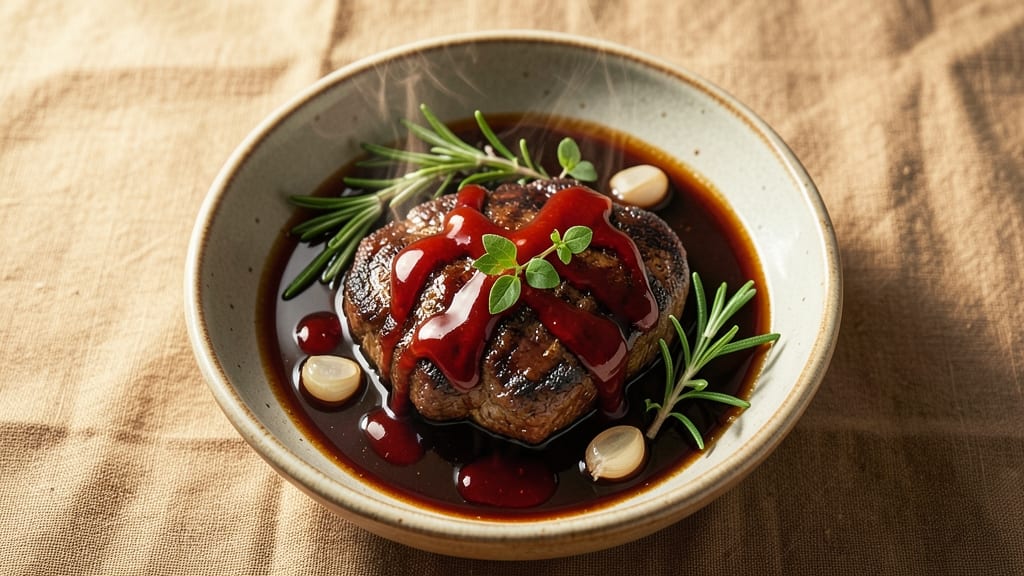
This steak and ale Kensington Club marinade transforms ordinary steaks into restaurant-quality masterpieces with its deep umami crust and rich ale-infused flavor. The combination of dark ale, Worcestershire sauce, and aromatic herbs creates a marinade that tenderizes while building layers of complexity—perfect for grilling or pan-searing.
I developed this recipe after years of refining steakhouse techniques at home, ensuring every bite delivers that signature caramelized crust.
The key to this marinade lies in its balance: the ale provides malty depth, while the Worcestershire adds tangy umami that penetrates the meat. Fresh thyme and rosemary contribute herbal brightness, and a touch of brown sugar caramelizes during cooking, creating that coveted crust.
Unlike store-bought marinades, this version builds flavor through slow infusion—ideal for steaks that need to marinate for at least 4 hours, preferably overnight for maximum tenderness.
What you'll achieve is steak with a glossy, caramelized exterior that flakes apart effortlessly, revealing juicy, flavor-packed meat underneath. The marinade's richness enhances rather than overpowers the natural beef flavor, making it versatile for ribeye, sirloin, or even chicken.
Store any leftovers in the fridge for up to 3 days, or freeze for future use—this marinade is too good to waste.
Use this as a dry rub after marinating for extra crust development, or brush it on during the last minutes of cooking for a sticky, flavorful glaze. The possibilities are endless, but the results are always steakhouse-worthy. Let's get started!
Ingredients for steak and ale kensington club marinade
Nine ingredients transform simple steaks into steakhouse showstoppers with deep umami and caramelized crust.
| Ingredient | Amount | Notes |
|---|---|---|
| Dark Ale Beer 🍺 | 1 cup | Stout or porter preferred for depth |
| Worcestershire Sauce 🍯 | ½ cup | Lea & Perrins for authentic flavor |
| Brown Sugar 🍚 | ¼ cup | Light or dark, packed |
| Fresh Thyme Leaves 🌿 | ¼ cup | Stems removed, loosely packed |
| Fresh Rosemary 🌿 | ⅛ cup | Finely chopped, fresh preferred |
| Garlic Cloves 🧄 | 6 cloves | Peeled, roughly chopped |
| Dijon Mustard 🍯 | 1 tbsp | High-quality, smooth variety |
| Black Peppercorns 🌶️ | 1 tsp | Freshly cracked, coarse grind |
| Diamond Crystal Kosher Salt 🧂 | 1 tsp | Fine grain preferred |
| Extra-Virgin Olive Oil 🫒 | 2 tbsp | High-quality, fruity notes |
The dark ale is non-negotiable—Guinness or Newcastle Brown Ale give that signature malty depth. Most craft beer stores stock these, or grab a six-pack at Whole Foods if you want to splurge. Worcestershire? Lea & Perrins is the gold standard, but any quality brand works. Brown sugar caramelizes beautifully, so don’t skimp. For the herbs, fresh thyme and rosemary from the farmers market (or even your windowsill if you grow them) make all the difference—they infuse flavor that dried just can’t match. If you’re using dried, cut the amounts in half, but honestly, fresh is worth it here.
No dark ale? Stout coffee or even strong black tea can mimic the depth in a pinch, though it won’t be identical. Worcestershire missing? Soy sauce plus a dash of vinegar gets you close, but you’ll lose that tangy umami punch. The garlic can be roasted for a sweeter note—just toss the peeled cloves in a 400°F oven for 10 minutes before chopping. Dijon mustard adds that signature tang, but whole-grain mustard works too if that’s what you’ve got. The olive oil isn’t just for moisture—it helps the other flavors cling to the meat, so use the good stuff (none of that cheap cooking oil).
This marinade keeps 3 days in the fridge sealed tightly, or 3 months frozen in an airtight container. I like to portion it into small jars so I can grab exactly what I need—no waste. The flavors actually deepen overnight, so if you can marinate the steak for 12-24 hours, do it. For extra crust development, pat the steak dry after marinating and let it sit at room temperature for 20-30 minutes before cooking. Brush on a thin layer during the last 2 minutes of searing for that sticky, caramelized glaze everyone loves.
Why You'll Love This Recipe
- Five-Ingredient Magic: This marinade is basically a pantry hug—dark ale, Worcestershire, brown sugar, and fresh herbs. No fancy techniques, no last-minute grocery runs. I’ve made it while waiting for the grill to heat up, and it still delivers every time.
- Umami Bomb: That Worcestershire and dark ale combo? It’s like a flavor grenade—deep, savory, and just a little tangy. The brown sugar caramelizes on the steak, giving you that perfect balance of sweet and smoky. Honestly, I’ve used it on chicken thighs too, and they were ridiculously good.
- Weeknight or Weekend: Slap this on a steak for a fancy dinner, but don’t be afraid to use it for weeknight burgers or even grilled sausages. The marinade’s rich notes cut through the richness of fatty cuts, making it my go-to for anything that hits the grill.
- Leftovers? Better.: The marinade keeps in the fridge for days, and the flavor only gets better as it sits. I’ve used the same batch to marinate two different proteins over a week—no waste, no stress. Plus, the leftovers make killer meat rubs if you strain out the beer. (Yes, even on a Tuesday night.)
Step-by-step instructions for steak and ale Kensington Club marinade
Here's how to build this legendary marinade that delivers restaurant-worthy depth and crust.
Combine Wet Ingredients for Maximum Flavor Extraction
In a medium bowl, whisk together the 1 cup dark ale beer and 0.5 cup Worcestershire sauce until fully blended. The beer should be room temperature—cold beer won't incorporate as smoothly. I like to use a stout or porter for its malty depth, which translates beautifully into the marinade's umami profile.
Next, add the 2 tablespoons extra-virgin olive oil and 1 tablespoon Dijon mustard, whisking vigorously until emulsified. The mustard acts as a natural emulsifier, binding the oil with the liquid components. You'll notice the mixture immediately thicken slightly as the mustard begins to break down the oil molecules.
Incorporate Sweetness and Herbs for Balanced Complexity
Stir in the 0.25 cup brown sugar until completely dissolved. This isn't just for sweetness—it helps caramelize during grilling, creating that signature crust. Then add the 0.25 cup fresh thyme leaves and 0.125 cup finely chopped fresh rosemary, gently folding them in with a wooden spoon rather than whisking.
The herbs should be distributed evenly but still visible—this ensures their aromatic oils infuse the steak while maintaining visual appeal. I always use fresh herbs here because dried versions can taste bitter and overpower the delicate balance of flavors we're creating.
Add Aromatics and Seasoning for Depth
In a small bowl, finely mince the 6 cloves garlic using a chef's knife. I prefer this method over a garlic press because it creates a paste that blends more seamlessly into the marinade. Add the minced garlic to your mixture along with the 1 teaspoon freshly cracked black peppercorns and 1 teaspoon Diamond Crystal kosher salt.
Gently stir to combine, being careful not to crush the peppercorns completely—you want their coarse texture to remain intact. The salt should dissolve gradually as you stir. At this point, you'll notice the marinade developing a rich, complex aroma that's both savory and slightly sweet—a good sign you're on the right track.
Rest the Marinade for Optimal Flavor Development
Transfer the completed marinade to an airtight container with a lid. Let it rest at room temperature for 30 minutes before using. This resting period allows all the components to fully meld together, with the sugar beginning to slightly caramelize and the herbs releasing their maximum essential oils.
For best results, marinate steaks for 4-12 hours in the refrigerator. The longer marinating time (up to 12 hours) works particularly well for thicker cuts like ribeye or New York strip, while thinner cuts like filet mignon should marinate for no more than 6 hours to prevent over-softening. Always marinate in the fridge—never at room temperature—to maintain food safety.
Pro Tips For Making Steak And Ale Kensington Club Marinade
- Reduce the Beer First: Simmer the dark ale for 5 minutes before mixing—it cuts the alcohol bite and thickens the marinade just enough to cling better. I learned this after my first batch tasted sharp and watery; now the flavors meld perfectly.
- Bruise the Herbs: Lightly crush thyme and rosemary sprigs with the flat of your knife before adding them—releases oils and aroma without turning the marinade into a herb slurry. (Yes, even if it looks violent, it works.)
- Skip the Crowding: If marinating steaks in a shallow dish, place them in a single layer. Stacking them traps heat and turns the marinade into a stew, which makes the meat soggy instead of tender.
- Balance the Sugar: Taste the marinade after mixing—if the brown sugar dominates, add a splash more Worcestershire. Too much sweetness makes the ale taste like a dessert; the umami needs to play catch-up.
Creative variations of steak and ale kensington club marinade
Ale Variations
While dark ales like Guinness or Newcastle Brown Ale are ideal, you can adapt this marinade using other beers. For a lighter profile, try a amber ale—just reduce the marinating time to 2-4 hours to prevent over-softening. Stout coffee works in a pinch, though it lacks the malty depth.
I once used root beer for a kid-friendly version, but the flavor was noticeably sweeter and less complex. 🍺
Herb Swaps
Fresh rosemary and thyme are classic, but don’t be afraid to experiment. Swap rosemary for sage (use 0.1 cup finely chopped) for an earthier note, or add 0.1 cup chopped parsley at the end for brightness.
For a Mediterranean twist, replace thyme with 0.1 cup oregano. I love using fresh tarragon in summer—its anise-like flavor pairs surprisingly well with the ale’s maltiness. Always use fresh herbs for maximum impact.
Sweetness Adjustments
The brown sugar creates caramelization, but you can tweak it based on preference. For a deeper crust, add 1 tablespoon molasses to the marinade. If you prefer less sweetness, reduce the sugar to 0.125 cup and add 0.25 cup honey for floral notes.
For a smoky twist, replace 0.125 cup sugar with 0.125 cup smoked paprika—this works especially well with grilled steaks. 🔥
Protein Adaptations
This marinade isn’t just for steak! Use it on chicken thighs (marinate 2-4 hours) for juicy, caramelized results. For pork chops, reduce the ale to 0.5 cup and add 0.5 teaspoon cinnamon to complement the meat’s natural sweetness.
I’ve even used it on lamb chops, adding 0.25 cup red wine instead of ale for a richer profile. Always adjust marinating time based on protein thickness—thinner cuts need less time.
Glaze Technique
After marinating, brush the steak with leftover marinade during the last 2 minutes of cooking for a sticky, caramelized glaze. For extra richness, simmer the used marinade in a saucepan over medium heat until reduced by half, then strain out the herbs.
This makes a quick pan sauce that’s perfect for drizzling over sliced steak. I like to finish it with a splash of balsamic vinegar for tangy brightness. ✨
Storage Hacks
Store leftovers in small glass jars (like Ball mason jars) in the fridge for up to 3 days or freeze for 3 months. To use frozen marinade, thaw it in the fridge overnight—never microwave, as it can cook the herbs and alter the flavor.
For extra convenience, freeze portions in ice cube trays, then transfer cubes to a freezer bag. This way, you can grab exactly what you need without waste. 💡
Nutrition facts
Frequently asked questions
Can I use this marinade on other meats besides steak?
This rich ale marinade works beautifully on chicken thighs (marinate 2-4 hours) or pork chops (reduce ale to 0.5 cup and add 0.5 teaspoon cinnamon). For lamb, swap the ale for 0.25 cup red wine instead. Just adjust marinating times based on protein thickness—thinner cuts need less time to prevent over-softening.
How long should I marinate steak for best results?
For thick cuts like ribeye, marinate 12-24 hours in the fridge for maximum tenderness. Thinner cuts like filet mignon should only marinate 4-6 hours to avoid over-softening. Never marinate at room temperature—always keep it refrigerated for food safety. The longer marinating time lets the ale and Worcestershire work their magic for that signature umami crust.
What if I don't have dark ale? Can I substitute?
Yes! For a lighter profile, use amber ale (marinate 2-4 hours only). In a pinch, stout coffee mimics the depth, though it lacks malty complexity. For kid-friendly versions, I've used root beer, but expect a sweeter, less complex flavor. The key is balancing sweetness—reduce sugar slightly if using a sweeter substitute.
Can I make this marinade ahead of time?
This marinade actually tastes better when made ahead! Store it in an airtight container in the fridge for up to 3 days or freeze for 3 months. For best results, thaw frozen marinade overnight in the fridge—never microwave it, as that can cook the herbs and alter the flavor. Portion into small jars to minimize waste and grab exactly what you need.
Why does my steak turn out dry after marinating?
Dry steak usually happens from over-marinating thin cuts or not patting dry before cooking. For thin cuts like filet, limit marinating to 4-6 hours. Always pat the steak dry with paper towels before cooking to promote that perfect crust. Also, avoid crowding the pan—cook steaks in batches if needed for even searing. The marinade's moisture helps tenderize, but proper cooking technique is key to juicy results.