
Main Courses
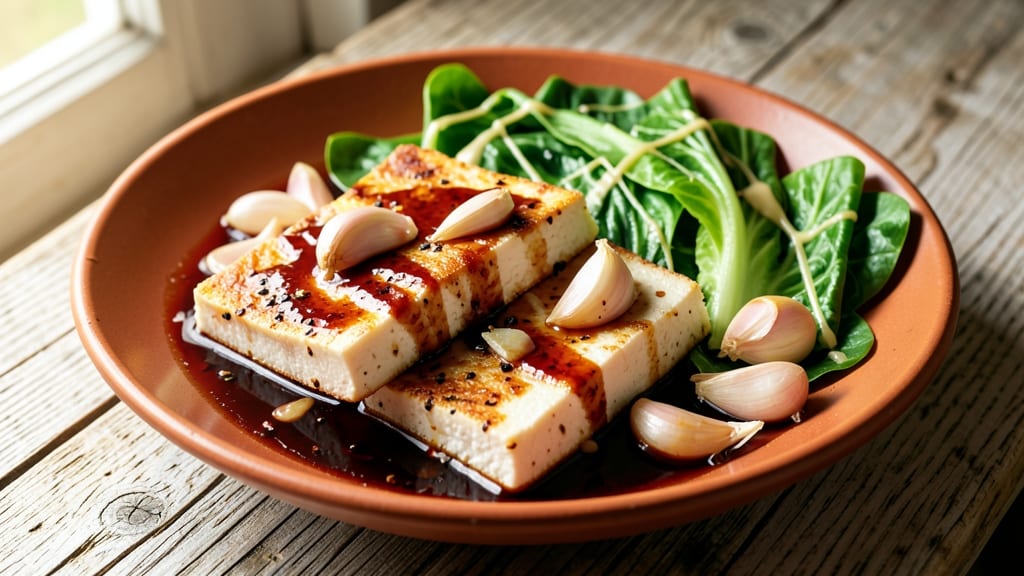
This Sichuan-style suan cai yu transforms tofu into a restaurant-worthy dish with bold sour-spicy flavors in just 30 minutes. 🌟 I first tried this recipe after my grandmother shared her secret for balancing fermented greens and chili—now I’ve simplified it for home cooks while keeping that signature Sichuan punch.
The key? Quick-pickled greens that add tang without fuss, and a sauce that’s smoky, spicy, and deeply umami.
The beauty of this dish is how it comes together in one pot—no fancy techniques, just five simple ingredients that pack a flavor explosion. You’ll start with aromatics (ginger, garlic, scallions) that build the base, then add the tofu to sear just enough for texture.
The sauce simmers down to coat everything perfectly, delivering that addictive combination of heat, sourness, and richness.
By the time you serve it, you’ll have a dish that’s crispy-edged, tender inside, and dripping with a glossy sauce that’s impossible to resist. The quick-pickled greens cut through the heat while adding brightness, making every bite balanced and satisfying.
This is the kind of meal that turns a simple weeknight into a Sichuan feast—no takeout required.
Serve it with steamed rice to soak up every last drop of that flavor-packed sauce, or pair it with crusty bread for dipping. The best part? Leftovers taste even better the next day as the flavors meld further. Let’s get cooking!
Ingredients for suan cai yu
Five simple ingredients transform into Sichuan's boldest tofu dish with tangy, spicy depth.
| Ingredient | Amount | Notes |
|---|---|---|
| Extra-Firm Tofu 🧀 | 14 oz | Pressed and cubed, skin removed |
| Green Cabbage 🥬 | 3 cups | Shredded, for quick-pickling |
| Sichuan Chili Oil 🌶️ | 2 tbsp | Store-bought or homemade |
| Dark Soy Sauce 🍶 | 3 tbsp | For deep umami flavor |
| Rice Vinegar 🍶 | 2 tbsp | White or seasoned vinegar |
| Fresh Garlic 🧄 | 4 cloves | Minced, for aromatic base |
| Fresh Ginger 🌿 | 1 tbsp | Grated, for zesty kick |
| Scallions 🧅 | 3 whole | White and green parts, sliced |
| Vegetable Oil 🫒 | ¼ cup | High smoke point preferred |
| Sesame Oil 🫒 | 1 tbsp | Toasted, for finishing |
| Diamond Crystal Kosher Salt 🧂 | 1 ½ tsp | For pickling and seasoning |
| White Sugar 🍚 | 1 tbsp | Balances acidity in pickling |
| Dried Red Chili Flakes 🌶️ | 1 tsp | Adjust for heat preference |
| Steamed Jasmine Rice 🍚 | 2 cups | For serving, optional |
The tofu is your canvas here—extra-firm holds up best to the bold flavors. Press it for 30 minutes before cubing to remove excess water, which ensures it sears properly. For the Sichuan chili oil, Lao Gan Ma is my go-to, but any brand with visible chili flakes works. The cabbage? Grab the crispest heads from Whole Foods or your local Asian market—they hold up better to pickling. Fresh ginger and garlic matter here: young ginger (the kind with smooth skin) is more aromatic than old, knobby roots. If you can't find it, regular ginger works, but you'll need twice the amount.
No Sichuan chili oil? Mix 1 tbsp toasted sesame oil with 1 tsp red chili flakes—it's not the same, but it gets you close. Running low on rice vinegar? Apple cider vinegar at the same amount works in a pinch, though it's slightly sweeter. The dark soy sauce is non-negotiable for that deep umami—light soy sauce won't cut it. For the pickling liquid, I like to use equal parts vinegar and water, but if you're short on time, just use vinegar. The sugar balances the acidity, so don't skip it unless you're okay with a sharper bite. Scallions add freshness—if you've got green onions, use the whole thing.
This dish tastes even better the next day as the flavors meld. Store the sauce separately if you want to reheat just the tofu—it reheats beautifully in a skillet with a splash of water. The pickled greens keep for 5 days in the fridge, though they'll soften over time. For the tofu, I like to freeze portions for up to 3 months—thaw and press before using. The rice? Make a big batch and keep it in the fridge for quick meals all week. If you're serving a crowd, double the tofu and sauce, but keep the pickled greens separate until serving to maintain their crunch.
Why You'll Love This Recipe
- Tofu in 10 Minutes: I swear, this is the only dish where I can slice tofu and cabbage while scrolling through my phone—no frying, no waiting. Toss it in a pan with Sichuan chili oil, and the tofu gets that silky-smooth exterior in under five minutes. Honestly, my lazy Sundays just got a major upgrade.
- Umami Bomb: That dark soy sauce and rice vinegar combo? It’s like a flavor explosion in your mouth. The cabbage stays crisp, the tofu soaks up all the savory-spicy goodness, and the chili oil adds just enough heat to make every bite feel like a little reward. Here’s what sold me—the balance is chef’s kiss without needing fancy ingredients.
- Lunchbox Legend: Between us, this is my go-to for meal prep. Pack it cold for work or school—it holds up surprisingly well—and the tangy, spicy notes actually improve after a day in the fridge. I’ll be real: my kids complain about “weird food,” but they always ask for seconds when this is in their lunch.
- Pantry Staple: I keep extra-firm tofu and green cabbage on hand just for this. It’s one of those dishes where you’re not breaking the bank, and leftovers? They’re even better reheated with a quick stir. Not the prettiest, but the taste makes up for it—and my wallet thanks me every time.
Step-by-step instructions for Sichuan-style tofu stir-fry
Here's how to transform simple ingredients into bold, tangy, and spicy Sichuan flavors in under 30 minutes.
👨🍳 Step 1: Press and Cube the Extra-Firm Tofu
Start by pressing the 14 oz extra-firm tofu to remove excess moisture. Wrap it tightly in a clean kitchen towel and place a heavy object (like a cast-iron skillet) on top for 15 minutes. This ensures crispy edges when stir-fried later.
Once pressed, carefully unwrap the tofu and cut it into 1-inch cubes. Remove any remaining skin—this prevents a rubbery texture. Arrange the cubes on a paper towel-lined plate to absorb any surface moisture before cooking. The drier the tofu, the better it will sear in the hot oil.
🍳 Step 2: Quick-Pickle the Green Cabbage
In a medium bowl, combine the 3 cups shredded green cabbage, 2 tbsp rice vinegar, 1 tbsp white sugar, 1.5 tsp diamond crystal kosher salt, and 1 tsp dried red chili flakes. Toss vigorously with your hands until the cabbage is evenly coated and slightly wilted.
Let the cabbage sit for 10 minutes while you prep the rest of the ingredients. This quick-pickling process softens the cabbage and infuses it with bright, tangy flavors that cut through the richness of the stir-fry. The chili flakes will add subtle heat that builds as you eat.
🔥 Step 3: Build the Stir-Fry Base
Heat a wok or large skillet over high heat until it's smoking slightly. Add the 0.25 cup vegetable oil and swirl to coat the pan. Immediately add the 14 oz cubed tofu and stir-fry for 3-4 minutes until golden brown on all sides. Remove the tofu and set aside.
In the same pan, add 4 cloves minced fresh garlic and 1 tbsp grated fresh ginger. Stir-fry for 30 seconds until fragrant—don't let them burn. Then pour in 3 tbsp dark soy sauce and 2 tbsp sichuan chili oil, stirring constantly for 1 minute to create a glossy, aromatic base. This is the flavor foundation of your dish.
🥘 Step 4: Combine and Finish
Return the tofu to the pan and add the quick-pickled green cabbage. Stir-fry for 2-3 minutes until the cabbage wilts slightly and everything is heated through. The cabbage should be tender-crisp with just a bite remaining.
Drizzle with 1 tbsp toasted sesame oil and toss gently to coat. Finish with the 3 whole sliced scallions, dividing them between each serving. The sesame oil adds nutty depth, while the scallions provide fresh contrast. Taste and adjust seasoning—add a splash of water if the stir-fry is too dry.
🍽️ Step 5: Serve Over Steamed Jasmine Rice
Divide the 2 cups steamed jasmine rice among plates and top generously with the tofu and cabbage mixture. The rice acts as a neutral canvas that lets the bold flavors shine. Garnish with additional dried red chili flakes if you prefer extra heat.
Serve immediately while the tofu is crispy and the cabbage retains its vibrant color. Each bite should deliver a perfect balance of tangy, spicy, umami, and slightly sweet flavors. Pair with a cold beer or jasmine tea to cleanse the palate between bites.
Pro Tips For Making Suan Cai Yu
- Drain & Press Tofu Hard: Skip the soft tofu—extra-firm needs a good 20-minute press under a heavy pan or plate. I learned this the hard way when my tofu turned to mush mid-stir-fry. Pat it dry afterward with paper towels, or your sauce won’t cling.
- Cut Cabbage Thinly: No bigger than ¼-inch slices—thicker pieces stay crunchy and undercooked. Use a sharp knife and work in batches if needed. (Yes, it’s tedious, but the texture makes all the difference.)
- Bloom Soy Sauce First: Heat the dark soy sauce in the wok for 30 seconds before adding oil. This deepens the flavor and prevents the tofu from turning bitter. I used to toss it in raw, and the dish always tasted flat.
- Balance the Sour Heat: Start with 1 tablespoon rice vinegar, then adjust to taste—too much vinegar drowns the Sichuan chili oil’s complexity. Taste as you go, especially if using store-bought oil with uneven spice levels. (Your mouth will thank you.)
Make-ahead tips for suan cai yu
Pickle Prep Ahead
I always make the quick-pickled cabbage the night before to save time on cooking day. Store the pickled greens in an airtight container in the fridge for up to 5 days—the flavors deepen over time, becoming more tangy and complex.
Just toss them directly into the stir-fry when ready. For extra convenience, I prep a batch of pickled vegetables (cabbage, radishes, or carrots) every Sunday so they're ready for quick weeknight meals. 🥬
Tofu Prep Shortcut
Skip the pressing step by using extra-firm tofu that's been pre-pressed at the store. Look for brands like House Foods or Wildwood that sell pre-pressed tofu in the refrigerated section. If you're really short on time, freeze the tofu overnight—this removes moisture naturally.
Just thaw and press for 10 minutes before cubing. The texture will be slightly different but still delicious. ❄️
Sauce Assembly
Combine all the sauce ingredients—dark soy sauce, Sichuan chili oil, sesame oil, and rice vinegar—in a small jar with a tight lid. Store it in the fridge for up to 1 week.
When ready to cook, simply heat the sauce in a pan and add the tofu and pickled greens. This pre-mixed approach cuts your cooking time by half. I keep this jar in my pantry for quick stir-fry nights. 🍶
Freezer-Friendly Tofu
Cook the tofu ahead and freeze it for up to 3 months—this is my secret for busy weeks. After searing the tofu, let it cool completely, then store it in a freezer-safe bag with parchment paper between layers.
When ready to eat, thaw overnight in the fridge and reheat in a skillet with a splash of water. The texture holds up surprisingly well after freezing. 💫
Rice Prep Strategy
Cook a big batch of jasmine rice and store it in the fridge for 4-5 days. Reheat portions in the microwave with a damp paper towel for 2 minutes or steam fresh for the best texture.
I also keep a small pot of rice cooking on my stove's "keep warm" setting—it's ready in 30 seconds when I need it. This saves me from starting from scratch every time. 🍚
Sauce Boost Options
If you want to add extra depth, make a small batch of fermented black beans (douchi) or chinkiang vinegar ahead of time. Store these in small jars in your pantry—they'll elevate your sauce dramatically.
I keep a jar of each on hand for quick flavor enhancements. Just add 1 tsp of either to your sauce before serving. 💡
Nutrition facts
Frequently asked questions
Can I make this dish with regular firm tofu instead of extra-firm?
Firm tofu works but won't hold up as well to the stir-fry. For best results, use extra-firm tofu pressed for 15 minutes to remove moisture. If you must use firm tofu, press it for 30 minutes and consider adding 1 tsp cornstarch to the cubes before cooking for extra crispiness. The texture won't be identical, but it'll still taste delicious!
How do I adjust the heat level for sensitive eaters?
Start by reducing the dried red chili flakes to ½ tsp in the pickling mix and omit them entirely from the sauce. For milder heat, use ½ the amount of Sichuan chili oil (1 tbsp) and replace it with 1 tbsp toasted sesame oil. You can also add a pinch of sugar to the sauce to balance any lingering spice. The pickled cabbage will still provide subtle tanginess without heat.
What other vegetables can I substitute for green cabbage?
Napa cabbage, bok choy, or even regular cabbage work well. For a different texture, try shredded carrots or jicama—both hold up to pickling and add natural sweetness. If using leafy greens like spinach or bok choy, reduce the pickling time to 5 minutes to prevent over-softening. Just adjust the vinegar and salt to taste after pickling.
Why did my tofu turn out soggy instead of crispy?
Soggy tofu usually means excess moisture wasn't removed properly. Always press tofu for at least 15 minutes (longer if using firm tofu) and pat dry with paper towels before cooking. Another common mistake is using too low heat—keep your wok or skillet at high heat until the tofu develops a golden crust. If needed, add ½ tsp cornstarch to the tofu cubes before searing for extra crunch.
Can I make this dish without Sichuan chili oil?
Mix 1 tbsp toasted sesame oil with ½ tsp red chili flakes and ¼ tsp sugar for a homemade substitute. For deeper flavor, add 1 tsp fermented black beans (douchi) or 1 tsp chinkiang vinegar to the sauce. The dish will still be delicious—just slightly less complex. Store-bought chili crisp also works in a pinch!