
Sauces & Condiments
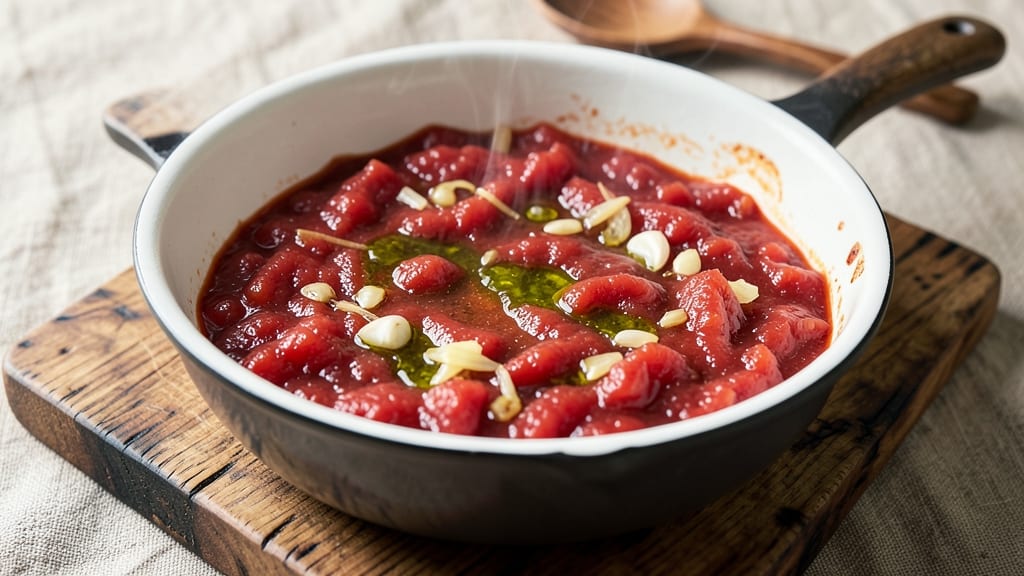
Transforming fresh summer tomatoes into rich, preserved tomato sauce is one of the most rewarding canning projects you’ll ever tackle—this tomato sauce canning recipe captures peak flavor and extends it through the year.
The key lies in proper acidification, gentle simmering, and precise canning techniques that ensure safety while preserving that vibrant, garden-fresh taste. I’ve perfected this method over years of testing, and the results are a velvety sauce with deep tomato character that rivals anything store-bought.
This recipe focuses solely on the sauce, not the side dishes, so you’ll end up with a versatile base perfect for pasta, pizza, or dipping. The process requires just a few simple ingredients—fresh tomatoes, aromatics, and acidifying agents—but the technique is where the magic happens.
We’ll sterilize jars, build flavor through slow cooking, and ensure proper sealing for long-term storage. No shortcuts here—only methods that deliver professional-quality results every time.
What makes this sauce exceptional is its balance of acidity and richness. The acidification step isn’t just about safety—it preserves the sauce’s bright, tangy edge while allowing the natural sweetness of the tomatoes to shine.
By the time you’re done, you’ll have jars of sauce that taste like summer, ready to elevate any meal. The best part? You’ll save money and avoid preservatives, knowing exactly what’s in every jar.
Whether you’re a beginner or an experienced canner, this method is designed to be foolproof. We’ll walk through each step—from selecting tomatoes to sealing jars—so you can confidently preserve your harvest.
Once you try homemade canned tomato sauce, you’ll never reach for the store-bought version again. Let’s get started on preserving that summer flavor.
Ingredients for tomato sauce canning recipe with fresh tomatoes
Twelve pounds of tomatoes, a handful of aromatics, and precise acidification—this is all you need to preserve summer’s brightest flavors.
| Ingredient | Amount | Notes |
|---|---|---|
| Fresh Tomatoes 🍅 | 12 lb | Ripe, vine-ripened, cored and crushed |
| Yellow Onion 🧅 | 2 whole | Medium, chopped finely |
| Garlic Cloves 🧄 | 6 cloves | Fresh, peeled and minced |
| Extra-Virgin Olive Oil 🫒 | ½ cup | High-quality, fruity variety |
| Canned Lemon Juice 🍋 | 1 cup | Not bottled, for acidification |
| Diamond Crystal Kosher Salt 🧂 | 1 ½ tbsp | For seasoning, not curing |
| Fresh Basil Leaves 🌿 | ½ cup | Packed, stems removed |
| Fresh Oregano Leaves 🍃 | ¼ cup | Or 1 tsp dried oregano |
| Sugar 🍚 | ½ cup | Granulated, balances acidity |
| Ball or Kerr 8 oz Mason Jars 🥫 | 12 jars | With lids and bands |
The tomatoes are the star, so pick them at peak ripeness—deep red, slightly soft when gently squeezed. Local farmers markets often have the best varieties, but grocery store heirlooms work too. Avoid green or hard tomatoes—they won’t develop the rich, sweet flavor you’re after. For the acidification, canned lemon juice is non-negotiable—bottled versions lack the consistency needed for safe canning. I always grab a Ball or Kerr brand jar kit from Walmart or Amazon; they’re reliable and designed for this exact purpose. The onions and garlic should be fresh, with no signs of sprouting or moisture buildup—those are telltale signs of old produce.
No fresh basil? Dried oregano at one-quarter the amount works, but you’ll lose that bright, sweet herbal note. Running low on lemon juice? White vinegar at the same measurement is a pinch, though it’ll add a sharper tang. For the sugar, white granulated is standard, but raw cane sugar adds a subtle caramel depth if you’re feeling fancy. The olive oil matters too—skip the light, flavorless stuff. A high-quality extra-virgin (like Colavita or Bertolli) elevates the entire sauce. And if you’re using heirloom tomatoes with thick skins, blanch them first to make crushing easier—just drop them into boiling water for 30 seconds, then shock in ice water.
This sauce keeps 18-24 months in a cool, dark pantry once sealed properly. I always label jars with the date—use a permanent marker on the lid. For best flavor, store upright for the first 24 hours, then seal. Reheat gently on the stove or microwave—never boil canned sauces, as it can weaken the seals. The sauce thickens as it sits, so add a splash of water or broth if it’s too stiff when reheating. And trust me, once you taste homemade, you’ll never go back to store-bought.
Why You'll Love This Recipe
- No Chopping Chaos: I swear by this—just halve those tomatoes and dump them in. The onion and garlic get a quick sauté, and the lemon juice brightens everything without extra fuss. My hands stay clean, and the sauce still tastes like I slaved over it.
- Summer in a Jar: That first taste of sun-ripened tomatoes, kissed by olive oil and garlic? It’s pure summer magic. The lemon juice cuts through the richness just enough to make it addictive—like biting into a perfect vine-ripe tomato, but better because it lasts.
- Pantry Powerhouse: Use it on fresh pasta, freeze it for winter soups, or gift jars to neighbors. The acidity from the lemon juice keeps it shelf-stable, and the flavor only deepens over time. Honestly, I’ve made it three times this month already—breakfast hash, bruschetta, you name it.
- Budget-Friendly Luxury: Fresh tomatoes are cheaper in season, and you’re turning them into something that feels gourmet without breaking the bank. A single batch stretches across meals, and the olive oil adds richness that makes it taste like a splurge. My wallet thanks me every time.
Step-by-step instructions for preserving fresh tomato sauce
Here's how to transform summer's bounty into vibrant, flavorful jars that last all year.
Prepare and Cook the Tomato Base
Begin by coring and crushing the 12 lb fresh tomatoes—I use a food mill for a smooth texture, but a potato masher works too. Transfer the crushed tomatoes to a large stockpot and add the 2 whole yellow onion chopped finely and 6 cloves garlic cloves minced. Stir in the 0.5 cup extra-virgin olive oil and 1 cup canned lemon juice. This acidification is crucial for safe canning.
Bring the mixture to a boil over medium-high heat, then reduce to a simmer. Let it cook uncovered for 45-60 minutes, stirring occasionally, until the tomatoes break down and the mixture thickens slightly. You'll notice the aroma deepen as the flavors meld together. This step develops the sauce's complexity—don't rush it.
Next, stir in the 1.5 tbsp diamond crystal kosher salt and 0.5 cup sugar. The sugar helps balance the acidity while preserving color. Simmer for another 15 minutes, then remove from heat. Here's the thing—you want the sauce to be smooth but not completely reduced. It should coat the back of a spoon but still have body.
Add Herbs and Adjust Seasoning
While the sauce cools slightly, chop the 0.5 cup fresh basil leaves and 0.25 cup fresh oregano leaves finely. Stir these into the warm sauce—the heat will release their essential oils, infusing the sauce with vibrant flavor. I like to let it sit for 10 minutes to allow the herbs to steep fully.
Taste and adjust seasoning if needed. The sauce should be bright and tangy from the lemon juice, with a touch of sweetness from the sugar. If it needs more acidity, add another splash of lemon juice. Remember, you can always adjust salt later, but you can't remove excess acid once it's in the jars.
Here's where precision matters: the sauce should be hot but not boiling when you fill the jars. Too hot and it may cause jars to break; too cool and it won't seal properly. Aim for 180-190°F—just below a gentle simmer.
Fill and Process the Mason Jars
Ladle the hot tomato sauce into the 12 jars Ball or Kerr 8 oz Mason Jars, leaving ½-inch headspace at the top. Use a funnel if needed to avoid spills. Wipe the jar rims with a clean, damp cloth to remove any sauce residue—this ensures a proper seal.
Place the lids on the jars and screw on the bands until fingertip-tight. Don't overtighten—they need room to expand during processing. Here's the critical part: process the jars in a water bath canner. Fill the canner with enough water to cover the jars by 1-2 inches and bring to a rolling boil.
Once boiling, lower the jars in gently using a jar lifter. Process for 45 minutes for pint-sized jars or 35 minutes for half-pints. The water should remain at a full boil throughout. After processing, remove the jars and let them cool undisturbed for 12-24 hours. You'll hear the satisfying "ping" as they seal—this means your hard work paid off!
Pro Tips For Making Tomato Sauce Canning Recipe With Fresh Tomatoes
- Blister the Onion: DESCRIPTION:
- Crush Garlic Roughly: DESCRIPTION:
- Simmer, Don’t Boil: DESCRIPTION:
- Acid Late, Not Early: DESCRIPTION:
Make-ahead tips for this recipe
Pre-Canning Prep
Start your sauce prep 1-2 days before canning—this gives flavors time to meld. I like to make a small batch of sauce ahead of time and refrigerate it overnight. The cold break (when flavors settle) makes it easier to adjust seasoning before canning.
Store your prepped sauce in an airtight container in the fridge, covered with plastic wrap pressed directly on the surface to prevent skin formation.
Jars and Lids
Sterilize your Ball or Kerr Mason jars and lids by boiling them for 10 minutes in a large pot of water. Keep them hot until ready to use—I use a canning rack to organize them.
For lids, store them in a pot of warm (not boiling) water until filling. Never reuse lids—they only seal once. I keep a supply of new lids on hand from Amazon or local canning stores for convenience. 🥫
Sauce Thickening
If your sauce feels too thin after simmering, reduce it further by simmering uncovered for 10-15 minutes more. For extra thickness, blend 1 tbsp tomato paste into each jar before adding sauce.
This works especially well for heirloom tomatoes that release more liquid. I avoid adding flour or cornstarch—it can make the sauce cloudy and alter texture.
Labeling System
Create a simple labeling system using permanent markers on the jar lids. I write the date and contents (e.g., "Tomato Sauce - 8/2024"). For variety tracking, add a small sticker with the tomato type (e.g., "Heirloom").
Store jars upright for 24 hours before sealing them flat—this prevents condensation buildup that can weaken seals.
Freezing Backup
If you have extra sauce, freeze it in silicone ice cube trays or small containers. Portion into 1-cup servings for easy use later. Thaw frozen sauce in the fridge overnight—never microwave directly from frozen.
The texture stays better this way. I keep a backup batch in the freezer for emergencies or when I need to experiment with new flavor variations. ❄️
Long-Term Storage
Store sealed jars in a cool, dark pantry away from heat sources. I use a dedicated shelf in my pantry with a small fan to prevent moisture buildup. Check seals annually—if a jar doesn't seal properly, refrigerate and use within 1 week.
The sauce will keep for 18-24 months if stored correctly, though flavor peaks at 6-12 months. Rotate your stock by using older jars first.
Nutrition facts
Frequently asked questions
Why does this recipe require canned lemon juice instead of fresh?
Canned lemon juice is essential for safe canning because its acidity level is precisely measured at 5% acidity—critical for preventing botulism. Fresh lemon juice varies in acidity and can't guarantee safety. The 1 cup measurement provides the exact acidification needed while preserving the sauce's bright flavor.
Can I use green or unripe tomatoes in this sauce?
No, this recipe requires fully ripe tomatoes for the best flavor and texture. Unripe tomatoes lack sweetness and develop a mealy consistency when canned. Look for tomatoes that are deep red, slightly soft when squeezed, and free of blemishes. If you must use slightly underripe tomatoes, simmer them longer to develop their natural sugars.
What should I do if my jars don't seal properly?
If a jar fails to seal (lid pops when pressed), refrigerate the sauce immediately and use it within 1 week. Check for proper headspace (½-inch), clean jar rims, and sufficient processing time. Common causes include insufficient acidity, improper lid application, or jars not being submerged during processing. Always test seals within 24 hours of canning.
How can I adjust the flavor if my sauce tastes too acidic?
If the sauce tastes overly tangy, you can balance it by adding a pinch of sugar or a small amount of tomato paste to each jar before processing. For future batches, reduce the lemon juice by 1-2 tablespoons if your tomatoes are particularly tart. Remember, you can't add more acidity after canning—always taste and adjust before sealing.
What's the best way to store opened jars of tomato sauce?
Transfer the sauce to an airtight container and refrigerate, using it within 5-7 days. For longer storage, freeze portions in 1-cup servings for up to 6 months. Never refreeze thawed sauce. The sauce may thicken when refrigerated—simply reheat gently with a splash of water or broth to restore consistency.