
Main Courses
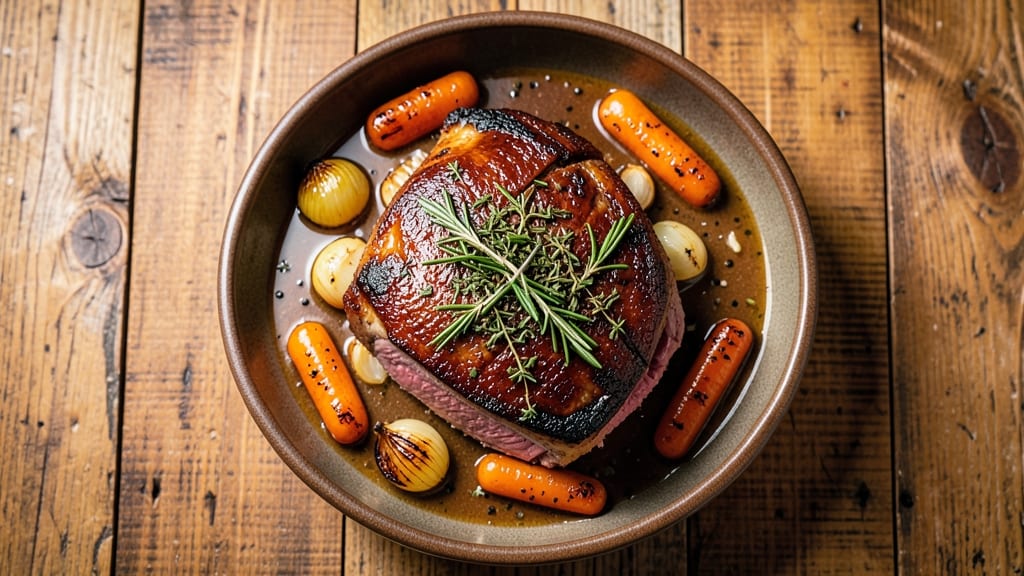
This Traeger roast recipe delivers restaurant-quality results with just a few hours of hands-off smoking time. The secret lies in low-and-slow cooking that transforms tough cuts into melt-in-your-mouth perfection, all while infusing that signature smoky flavor.
I've perfected this method after years of experimenting with different woods and temperatures—no guesswork required.
The process begins with a simple seasoning blend that enhances the natural flavors of the meat, followed by precise temperature control that ensures juicy results every time. What sets this method apart is the ability to achieve that ideal balance between tender interior and flavorful crust without constant monitoring.
Once you try it, you'll never go back to traditional oven roasting.
By the time your roast emerges from the Traeger, you'll have a perfectly cooked center with a beautifully caramelized exterior that's packed with smoky flavor. The aroma alone will have everyone gathering around the table, and the first bite delivers that satisfying combination of tender meat and deep, wood-fired taste.
This is the kind of meal that makes weeknight dinners feel special.
Pair it with classic sides like roasted vegetables or creamy mashed potatoes to complete the meal. The beauty of this recipe is its versatility—whether you're hosting a holiday gathering or simply treating yourself to a Sunday dinner, this Traeger roast delivers professional-quality results with minimal effort.
Let's get started on creating your perfect roast.
Ingredients for traeger roast
Six ingredients make all the difference for smoky, juicy perfection on your Traeger.
| Ingredient | Amount | Notes |
|---|---|---|
| Beef Chuck Roast 🥩 | 4 lb | Tough cut, well-marbled for flavor |
| Yellow Onion 🧅 | 1 whole | Sliced into wedges for roasting |
| Carrots 🥕 | 4 whole | Large, whole carrots for roasting |
| Fresh Rosemary 🌿 | ½ cup | Chopped sprigs, stems removed |
| Fresh Thyme 🌿 | ½ cup | Leaves only, stems removed |
| Garlic Cloves 🧄 | 8 cloves | Peeled, smashed lightly |
| Kosher Salt 🧂 | 2 tbsp | Coarse grain preferred |
| Ground Black Pepper 🌶️ | 1 tbsp | Freshly ground for best flavor |
| Smoked Paprika 🌶️ | 1 tbsp | Adds smoky depth |
| Applewood Chips 🌳 | 1 package | Unsoaked for smoky flavor |
| Beef Broth 💧 | 1 cup | Low-sodium preferred |
| Extra-Virgin Olive Oil 🫒 | 2 tbsp | For basting and moisture |
| Balsamic Vinegar 🍷 | 1 tbsp | For finishing glaze |
The beef is everything here—chuck roast with good marbling is non-negotiable. Costco or Kroger usually carry it pre-cut, but if you're buying whole, look for a roast with visible fat streaks. The herbs? Fresh is best—dried works in a pinch, but you lose that bright aroma. I always grab extra rosemary because it holds up so well during cooking. For the wood chips, applewood gives the sweetest, most balanced smoke, but hickory works too if that's what you've got. Just don't use cedar—it's too strong.
No smoked paprika? Regular paprika plus a pinch of liquid smoke gets you close. Fresh thyme or rosemary wilt fast—wrap them in damp paper towels in a baggie to keep them fresh for days. The beef broth should be low-sodium—Swanson's or Pacific Foods are my go-tos. For the balsamic glaze, grab a small bottle from Trader Joe's—it's sweeter and more concentrated than the big brands. And if you're short on time, pre-sliced onions and carrots work fine, though whole veggies caramelize better.
This roast reheats like a dream—just slice it thin and warm in the oven with a splash of broth. Keeps 4-5 days in the fridge, freezes for 3 months if you portion it first. I always make extra because leftovers are perfect for sandwiches or tacos. The veggies? Roast them alongside the meat and save them for sides—double duty, zero extra work.
Why You'll Love This Recipe
- Smoky-Rosemary Magic: That first bite? The beef falls apart with a tenderness you can’t get on the stovetop, wrapped in deep smoky notes from the Traeger and brightened by the rosemary and thyme. It’s not just flavor—it’s experience, like a Sunday dinner in every slice.
- Game for Any Occasion: Need a crowd-pleaser for game day? Done. Craving a cozy weeknight meal? Also done. The leftovers reheat beautifully for sandwiches or tacos, and honestly, I’ve served this at potlucks, holidays, and even a last-minute dinner with friends—no one ever questions why it’s on the menu.
- Budget-Friendly Feast: A chuck roast stretches for days, and the veggies bulk it up without breaking the bank. I’ve fed four people for under $15, and the leftovers? They’re the reason I don’t stress about meal planning. Plus, the Traeger makes it feel fancy without the restaurant price tag.
Step-by-step instructions for smoky, juicy Traeger roast
Here's how to transform a simple chuck roast into melt-in-your-mouth perfection on your Traeger.
Prep the Roast and Vegetables for Maximum Flavor
Pat the 4 lb beef chuck roast completely dry with paper towels—this is crucial for that beautiful bark. In a small bowl, mix 2 tbsp kosher salt, 1 tbsp ground black pepper, 1 tbsp smoked paprika, 0.5 cup fresh rosemary, and 0.5 cup fresh thyme. Rub this mixture all over the roast, pressing it into the meat so it clings well. Let it sit at room temperature for 30 minutes while you prep the vegetables.
Slice the 1 whole yellow onion into wedges and peel the 4 whole carrots (leave them whole for even roasting). Toss them lightly with 2 tbsp extra-virgin olive oil to help them caramelize. Place the roast and vegetables in a large roasting pan, arranging the onions and carrots around the roast in a single layer. This setup allows everything to cook evenly and infuse flavors.
Set Up the Traeger for Low-and-Slow Cooking
Preheat your Traeger to 225°F using the 1 package applewood chips. Let the wood chips smoke for 10 minutes before adding the roast—this ensures a steady stream of flavorful smoke. Place the roasting pan on the Traeger grates, making sure the roast is positioned fat-side up. This allows the rendered fat to baste the meat as it cooks.
Close the lid and resist the urge to peek. Every time you open it, you lose heat and moisture, which can delay cooking. Instead, trust the thermometer. Cook the roast for 4 hours, or until the internal temperature reaches 170°F. The vegetables should be tender but not mushy—this timing works perfectly for both the meat and sides.
Add Broth and Continue Cooking to Tender Perfection
After 4 hours, remove the roast from the Traeger and pour 1 cup beef broth into the bottom of the roasting pan. Return the roast to the Traeger and continue cooking for another 2-3 hours, or until the internal temperature reaches 200-203°F. This slow cook ensures the meat becomes fork-tender while absorbing all that smoky, herby flavor.
Here's the thing—this is where patience pays off. The roast will hit "the stall" around 165°F, where the temperature plateaus as moisture evaporates. Don't rush it. The extra time at this stage guarantees a juicy, fall-apart texture. The broth in the pan also helps keep the meat moist and adds depth to the flavor.
Rest and Glaze for the Finishing Touch
Once the roast reaches 200-203°F, remove it from the Traeger and transfer it to a cutting board. Tent it loosely with foil and let it rest for 30 minutes. This resting period allows the juices to redistribute throughout the meat, ensuring every slice is moist and flavorful. During this time, place the roasting pan with the vegetables on the stovetop over medium heat.
Add 1 tbsp balsamic vinegar to the pan and let it simmer for 3-4 minutes until slightly reduced. This creates a glossy glaze that ties all the flavors together. After the roast has rested, slice it against the grain into ½-inch thick slices. Spoon the glaze over the top and serve the roast alongside the caramelized onions and carrots.
Serve with Confidence
Each slice of this roast should be tender enough to pull apart with a gentle tug, with a dark, smoky bark on the outside and a pink, juicy center. The onions and carrots should be caramelized and sweet, absorbing all the smoky, herby flavors from the cooking process. Serve with crusty bread or mashed potatoes to soak up every last bit of that delicious pan sauce.
You've just created a restaurant-quality roast with minimal hands-on time. The secret? Low-and-slow cooking, proper resting, and letting the Traeger do the hard work. This method delivers on the promise of smoky, juicy perfection every single time.
Pro Tips For Making Traeger Roast
- SEAR FIRST, SMOKE LATER: Hit the chuck roast with a quick 3-4 minute sear on the Traeger’s hottest setting before adding wood—this locks in juices and builds a crust that won’t disappear into smoke. I used to skip this, and my roasts always ended up tender but bland. Now? Crispy edges every time.
- CHOP ONIONS THICK: Cut those yellow onions into ½-inch chunks instead of thin slices—they’ll caramelize faster on the Traeger and won’t turn to mush. Thin slices burn or steam into oblivion, and nobody wants sad, watery onions in their roast.
- DON’T PEEK AT TEMP: Resist the urge to open the lid after the first hour—every time you do, you reset the cooking process and lose heat. Set your probe to 195°F and walk away. I learned this after three roasts where I kept checking, only to find them still cold inside.
- BRINE THE ROAST OVERNIGHT: Toss the chuck in a mix of water, 2 tablespoons salt, and 1 tablespoon black pepper for 12-24 hours—it keeps the meat juicy and lets the flavors penetrate deep. I was skeptical until I tried it; now I never cook a dry roast again. (Yes, even if you’re impatient like me.)
Serving suggestions for traeger roast
Classic Sides
Creamy mashed potatoes are my go-to pairing—their buttery texture contrasts beautifully with the smoky roast. Use Yukon Gold potatoes boiled until tender, then mashed with ½ cup butter and ½ cup warm milk per 4 servings.
For extra richness, fold in ¼ cup sour cream and season with salt and white pepper. Serve immediately for that velvety finish. 🥔
Roasted Vegetables
The caramelized onions and carrots from your roast pan make perfect sides—no extra work needed! Toss them with 1 tbsp olive oil and ½ tsp garlic powder before serving.
For variety, add brussels sprouts halved and roasted at 400°F for 20 minutes until crispy. Their bitter edge balances the roast's richness beautifully.
Crusty Bread
A warm baguette or sourdough loaf soaks up every last bit of pan sauce. I love toasting slices until golden, then rubbing them with garlic butter (mix 4 tbsp softened butter with 1 minced garlic clove and ½ tsp parsley).
Serve alongside the roast for dipping—it's the ultimate comfort food combo. 🥖
Fresh Greens
Bright, peppery greens cut through the richness. Toss 6 cups baby arugula with 2 tbsp olive oil and 1 tbsp lemon juice, then top with ¼ cup shaved parmesan.
For a heartier option, use kale massaged with olive oil and a pinch of salt. The acidity refreshes your palate between bites of smoky meat.
Sauce Pairings
For extra flavor, serve with a red wine reduction made from 1 cup red wine simmered with 1 tbsp balsamic vinegar and 1 tsp brown sugar until syrupy.
Alternatively, a horseradish cream (mix ½ cup sour cream with 1 tbsp prepared horseradish) adds a tangy kick. Both elevate the dish to restaurant-level sophistication. 🍷
Dessert Harmony
Finish the meal with something light like apple crisp—the warm spices complement the roast's smokiness. For a showstopper, serve vanilla bean ice cream with a drizzle of caramel sauce. The cool, creamy contrast makes the rich roast taste even more indulgent. 🍎
Nutrition facts
Frequently asked questions
What's the best cut of beef for this Traeger roast recipe?
Use a well-marbled chuck roast weighing about 4 lbs—it's perfect for slow-smoking because the fat keeps the meat juicy. Avoid leaner cuts like sirloin, as they won't yield the same tender results. Look for a roast with good fat distribution for maximum flavor and moisture.
Can I use this recipe with pork or lamb instead of beef?
For pork, use a pork shoulder and cook until it reaches 195-203°F for tender, pull-apart texture. For lamb, a leg of lamb works beautifully—adjust the seasoning to include 1 tsp ground cumin and reduce cooking time to 3-4 hours at 225°F. Always check internal temps to avoid overcooking.
How do I know when the roast is done without overcooking it?
Use a meat thermometer to check the internal temperature. For beef, aim for 200-203°F—this ensures it's fork-tender. The "stall" (when temperature plateaus around 165°F) is normal, but don't rush it. Patience is key! The roast will continue cooking slightly during the 30-minute rest, so pull it out just before it hits your target temp.
What if my Traeger doesn't have a probe thermometer?
No problem! Use an instant-read thermometer to check the thickest part of the roast (avoid fat or bone). Insert it at a 90-degree angle and wait 10-15 seconds for an accurate reading. If you don't have one, cut into a small section to check doneness—look for a pink center with juices running clear.
Can I make this roast ahead of time?
Yes! Cook the roast as directed, then refrigerate it in an airtight container for up to 5 days. Reheat slices in a skillet with a splash of beef broth until warmed through. For freezing, portion the cooked roast and freeze for up to 3 months. Thaw overnight in the fridge before reheating. The flavors actually deepen after resting!