
Main Courses
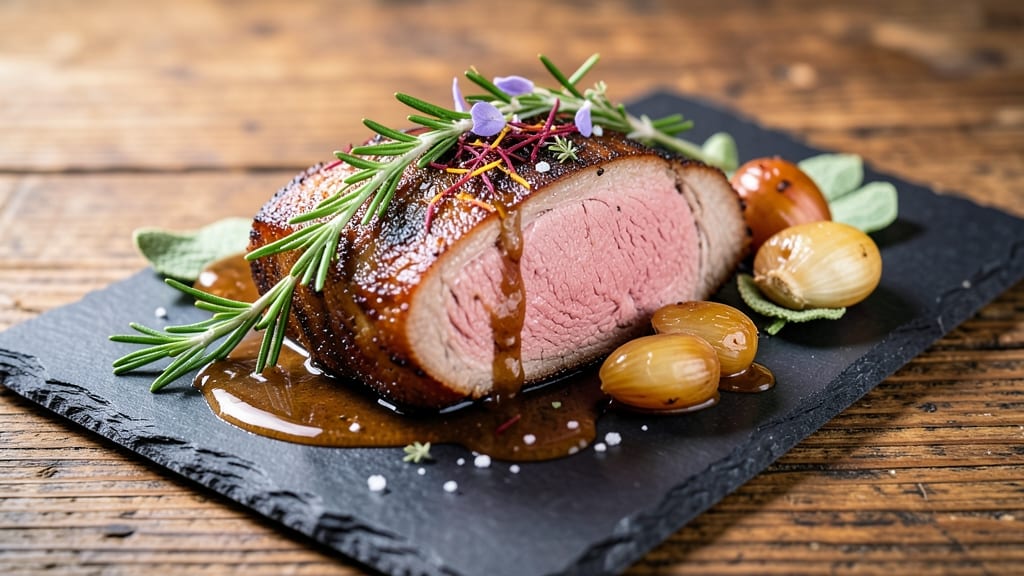
This herb-crusted veal loin roast delivers restaurant-quality results with tender, juicy pink centers and a fragrant crust that elevates any dinner table. After years of perfecting the technique, I’ve cracked the code for achieving that ideal balance between doneness and moisture—no guesswork required.
The secret lies in precise temperature control and a carefully constructed herb crust that stays aromatic without overpowering the delicate veal flavor.
What sets this recipe apart is the foolproof method that ensures perfect results every time, even for beginners. You’ll work with a single cut of veal—no complicated trimming or butterflying—while the herb crust adds depth without masking the natural richness of the meat.
The roasting process is straightforward, with clear guidance on internal temperatures to guarantee juicy pink centers that melt in your mouth. This isn’t just a roast; it’s a centerpiece dish that commands attention.
By the time you serve this, you’ll have a golden-brown, herb-encrusted roast with an internal temperature of 130°F—just enough to keep the center tender and pink while the crust achieves that perfect caramelized finish.
The aroma alone will have everyone anticipating dinner, and the first bite will confirm why this method is worth the effort. Pair it with roasted vegetables or a crisp white wine for the full experience.
The best part? This recipe scales effortlessly for gatherings or leftovers that reheat beautifully. Whether you’re hosting a dinner party or treating yourself to a special meal, this juicy, herb-crusted veal loin delivers professional results with minimal fuss. Let’s get started on creating your perfect roast.
Ingredients for veal loin roast
Twelve ingredients transform delicate veal into restaurant-worthy herb-crusted perfection with juicy pink centers.
| Ingredient | Amount | Notes |
|---|---|---|
| Veal Loin Roast 🥩 | 3 ½ lb | Center-cut, bone-in preferred |
| Extra-Virgin Olive Oil 🫒 | ¼ cup | High-quality, fruity variety |
| Fresh Rosemary 🌿 | ¼ cup | Finely chopped, stems removed |
| Fresh Thyme 🌿 | ¼ cup | Leaves only, finely chopped |
| Fresh Sage 🌿 | ¼ cup | Leaves only, finely chopped |
| Garlic Cloves 🧄 | 8 cloves | Peeled, minced into paste |
| Diamond Crystal Kosher Salt 🧂 | 1 ½ tbsp | Coarse grain preferred |
| Freshly Ground Black Pepper 🌶️ | 1 tsp | Coarse grind preferred |
| Unsalted Butter 🧈 | ½ cup | Cold, cubed for crust |
| Dried Mustard Powder 🌶️ | 1 tsp | For depth of flavor |
| Fresh Lemon Zest 🍋 | 1 tbsp | Brightens the crust |
| Vegetable Oil 🫒 | 2 tbsp | For roasting pan |
| Fresh Parsley 🌿 | ⅛ cup | Chopped, for garnish |
The veal loin is the star—center-cut, bone-in for maximum flavor and moisture. Order it from a specialty butcher if your grocery store doesn’t carry it, or ask for the thickest, most tender section. The herb crust relies on fresh rosemary, thyme, and sage—skip the dried stuff here, it won’t deliver the same aromatic punch. For the garlic, roast it whole first (400°F for 15 minutes) before mincing to mellow its intensity. The butter should be cold and cubed to create a flavorful, caramelized crust that won’t melt prematurely.
No fresh rosemary? Dried works at one-third the amount, but the flavor won’t be as vibrant. Substitute fresh tarragon or marjoram if needed, but keep the total herb volume the same. Out of mustard powder? Dijon mustard at half the amount adds tang without overpowering. The lemon zest is non-negotiable—it cuts through the richness and brightens the crust. For the butter, European-style unsalted butter (like Plugrá) has higher fat content and creates a richer crust. If you’re short on time, use a food processor to quickly chop the herbs and garlic together with the butter for an even coating.
This roast reheats beautifully—low and slow in a 275°F oven with a splash of broth for moisture. Leftovers keep for 3-4 days in the fridge, wrapped tightly in foil. For gatherings, double the herb mixture and portion it into small containers—just press onto the roast before cooking. The crust stays aromatic for up to 2 days if stored properly, so plan ahead. Garnish with fresh parsley right before serving—it adds a pop of color and freshness that makes the dish look restaurant-worthy.
Why You'll Love This Recipe
- Minimal Prep Required: I swear by this—just rub the roast with olive oil, tuck in those sprigs of rosemary and thyme, and let the oven do the work. No chopping, no stressing, just hands-off perfection.
- Herb-Crusted Magic: That crispy, fragrant crust? Pure rosemary-sage-thyme alchemy. The moment it hits your plate, you’ll taste why fresh herbs elevate even the simplest roast.
- Weeknight to Dinner Party: Same recipe, different vibes. Serve it sliced for a casual weeknight dinner or carve it dramatically for guests—no extra effort, just instant upgrade.
- Leftovers That Shine: Cold slices the next day? Still rich and tender. Toss them in salads, pan-sear them for sandwiches, or reheat with a splash of broth—this roast never lets you down.
Step-by-step instructions for herb-crusted veal loin roast
Here's the method that delivers perfectly pink veal with an irresistible herb crust every time.
Prepare the Herb Crust Mixture
In a food processor, combine the 0.25 cup fresh rosemary, 0.25 cup fresh thyme, 0.25 cup fresh sage, 8 cloves garlic cloves, 1.5 tbsp diamond crystal kosher salt, 1 tsp freshly ground black pepper, 1 tsp dried mustard powder, and 1 tbsp fresh lemon zest. Pulse until you achieve a finely chopped consistency—think of it like a fragrant paste rather than whole leaves. This ensures even distribution of flavor throughout the crust.
With the processor running, add the 0.5 cup unsalted butter and 0.25 cup extra-virgin olive oil through the feed tube. Process until fully incorporated, about 30 seconds. The mixture should look like wet sand—cohesive but still crumbly. Transfer this herb butter blend to a bowl and set aside. The cold butter will help create that perfect crust while keeping the interior juicy.
Season and Coat the Veal Loin
Remove the 3.5 lb veal loin roast from the refrigerator and pat it completely dry with paper towels. This step is non-negotiable—any moisture on the surface will prevent proper browning. Place the roast on a cutting board and make several shallow cuts about ½ inch deep all over the surface. These slashes allow the herb butter to penetrate deeper, creating flavor in every bite.
Generously rub the herb butter mixture over the entire surface of the veal, pressing it into the cuts. Don't be shy—you want a thick, even coating that will form that golden crust. The lemon zest in the mixture will brighten the flavors while the mustard powder adds subtle depth. Let the seasoned roast sit at room temperature for 30 minutes before roasting. This ensures even cooking and prevents any chance of the interior staying cold.
Roast to Perfect Medium Rare
Preheat your oven to 400°F. Place a wire rack in a roasting pan and heat it for 10 minutes to ensure it's hot when the veal goes in. This step is crucial for proper browning. While the oven preheats, heat 2 tbsp vegetable oil in a small saucepan over medium heat until shimmering. Brush this oil generously over the entire surface of the veal—this creates an additional barrier that promotes even browning.
Place the veal loin on the hot rack in the roasting pan, fat side up if possible. Roast for 20 minutes until the crust is deeply golden brown and the internal temperature reaches 125°F when measured with a meat thermometer. Here's the thing—veal cooks faster than beef, so don't walk away. The crust should be crisp enough to make a satisfying crack when you press it gently with tongs. Remove the roast from the oven and let it rest for 15 minutes before carving.
Rest and Garnish for Presentation
During the resting period, the juices will redistribute throughout the meat, ensuring each slice remains tender and moist. This is where the magic happens—skipping this step means dry veal. While it rests, heat a small skillet over low heat and add 2 tbsp vegetable oil. Toss in 0.125 cup fresh parsley and let it warm for 30 seconds until fragrant. This simple step adds a fresh, vibrant finish to your dish.
Slice the veal against the grain into ½-inch thick portions and arrange on a warm platter. Spoon any accumulated pan juices over the top and sprinkle with the warmed parsley. The result should be a stunning presentation with a beautiful herb crust that crackles when you cut into it, revealing perfectly pink, tender meat within. Serve immediately with your favorite sides—this veal deserves to be celebrated.
Pro Tips For Making Veal Loin Roast
- Dry the Meat First: Veal soaks up moisture like a sponge, and that’s the last thing you want before searing. Pat the loin thoroughly with paper towels—even if it feels overkill—so the olive oil sticks and creates that golden crust instead of steaming off. I learned this the hard way when my first roast came out dull and greasy.
- Sear Over High Heat: Don’t treat this like a slow simmer—crank your oven to 450°F (230°C) for the first 15 minutes. The goal is to shock the surface of the veal so it develops a deep, caramelized crust before you lower the heat. After burning three batches, I finally figured out that patience here pays off in flavor.
- Use Whole Herbs, Not Chopped: Tuck whole sprigs of rosemary, thyme, and sage directly into the cuts of the loin—no mincing needed. They’ll infuse the meat as it roasts, and you can pull them out before serving (no one needs to chew on woody stems). My grandmother swore by this, and she was right: the aroma alone makes the dish taste more elevated.
- Rest Under Foil: As soon as the roast hits your target internal temp (135°F/57°C for medium-rare), transfer it to a cutting board and loosely tent it with foil. Let it sit for 10–15 minutes—yes, even if you’re starving—so the juices redistribute instead of pooling out when you slice. I skip this when I’m lazy, but the dish is noticeably better when I don’t.
Pro cooking tips for this dish
Temperature Precision
Veal cooks faster than beef, so precision matters. Use a meat thermometer to track internal temperature—aim for 125°F for medium-rare pink centers. I recommend the ThermoWorks Smoke for accuracy. Oven should be preheated to 400°F, and the roast must reach that temp before adding to the pan. 🌡️
Herb Crust Secrets
The herb butter mixture needs to be cold and crumbly when applied—this ensures a crisp crust. Pulse fresh herbs with butter and oil in a food processor until it resembles wet sand.
Press the mixture firmly into the veal's surface, especially into those ½-inch deep slashes you made earlier. This creates flavor pockets throughout the meat.
Resting is Non-Negotiable
Never skip the 15-minute rest after roasting. Veal's delicate structure needs this time for juices to redistribute. I've seen home cooks rush this step and end up with dry slices.
Tent the roast loosely with foil during resting to keep it warm while maintaining moisture. The crust will stay crisp, and the meat will be perfectly tender.
Pan Prep Matters
Place a wire rack in your roasting pan and preheat it for 10 minutes before adding the veal. This creates a hot surface that promotes even browning. Brush the rack with 2 tbsp vegetable oil before placing the veal on top.
The hot oil helps create that golden crust immediately upon contact with the meat.
Room Temperature Prep
Let your veal sit at room temperature for 30 minutes before roasting. Cold meat cooks unevenly, potentially leaving the center undercooked while the exterior overbrowns. This step is especially critical with veal's delicate texture.
While it rests, prepare your herb mixture and preheat the oven to ensure everything's ready when the meat is.
Veal-Specific Timing
Unlike beef, veal reaches doneness faster—about 20 minutes at 400°F for a 3.5 lb roast. Set a timer and check the internal temperature every 5 minutes starting at 15 minutes.
The crust should be deep golden brown with a satisfying crack when pressed. Overcooking by even 5 minutes can turn tender veal tough. 💡
Nutrition facts
Frequently asked questions
Why does the recipe call for veal to be cooked to 125°F instead of 145°F like beef?
Veal's delicate texture and smaller muscle fibers mean it cooks much faster than beef. At 125°F, you achieve that signature juicy pink center while maintaining perfect tenderness. Cooking to 145°F would make it dry and tough—this temperature is specifically calibrated for veal's unique properties.
Can I substitute beef for veal in this recipe?
Technically yes, but the results won't be the same. Beef needs longer cooking times and higher temperatures to reach doneness. For a beef version, increase the oven temperature to 425°F and aim for 135°F internal temperature, adjusting the herb mixture to 1.5 times the amount since beef's larger surface area needs more flavor coverage.
What's the best way to reheat leftover veal loin?
Reheat gently to preserve moisture—wrap the slices in foil and warm in a 275°F oven for 10-15 minutes with a splash of beef or veal broth. Never microwave directly, as this causes dryness. For cold slices, serve at room temperature with fresh herbs to revive the flavors.
How do I know if my veal loin is fresh?
Fresh veal should have a pale pink color with firm, slightly springy texture when pressed. The fat should be white, not yellow, and there should be no off odors. Ask your butcher for "wet-aged" veal (aged 1-2 weeks) for better tenderness—it's worth the extra cost for this recipe.
What sides pair best with herb-crusted veal loin?
Classic pairings include roasted root vegetables (carrots, parsnips), creamy mashed potatoes, or a bright green salad with lemon vinaigrette. For a complete meal, serve with sautéed spinach and crusty bread to soak up the pan juices. The herb notes in the crust complement earthy, starchy, and acidic flavors beautifully.