
Sauces & Condiments
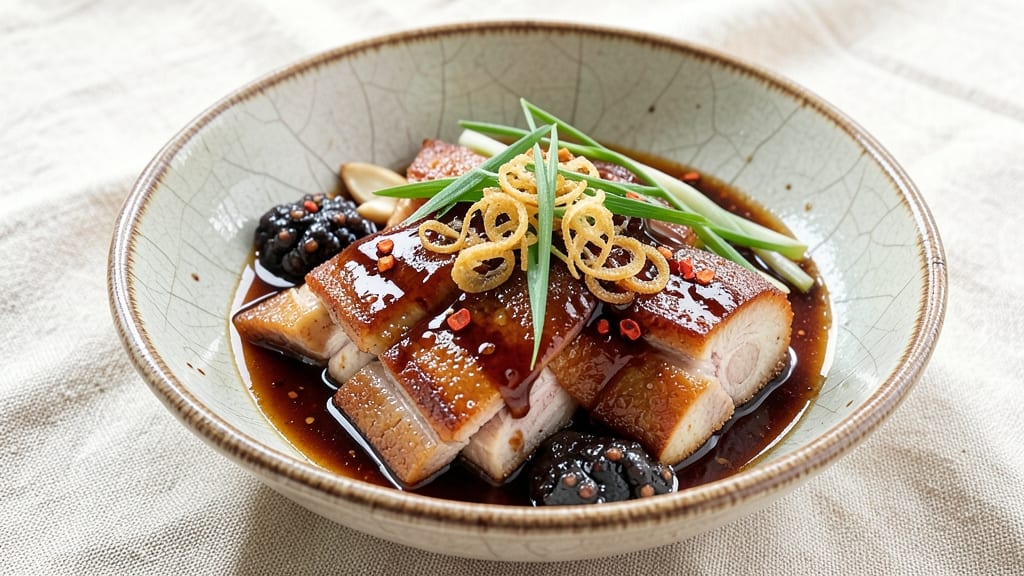
This zhong sauce recipe unlocks the rich, fermented depth that transforms ordinary dishes into something extraordinary. 💛 The perfect balance of soy, vinegar, and a touch of sweetness creates a sauce that's equal parts umami bomb and versatile companion.
I first discovered zhong sauce while exploring Chinese home cooking techniques, and it quickly became my secret weapon for adding complexity to stir-fries, dipping sauces, and even marinades.
What makes zhong sauce truly special is its ability to elevate simple ingredients with just a drizzle.
The fermentation process develops layers of flavor that store-bought versions simply can't match, and the recipe requires just five core ingredients—soy sauce, rice vinegar, sugar, garlic, and a pinch of red pepper flakes for subtle heat.
The sauce keeps beautifully in the refrigerator for up to two weeks, making it perfect for meal prep and batch cooking.
By the time you're done making this sauce, you'll have a deeply aromatic, slightly tangy condiment that clings to every bite. It works as a dipping sauce for dumplings, a stir-fry enhancer for vegetables, or even a marinade for meats.
The texture is smooth yet complex, with just enough body to coat ingredients without overwhelming them. This is the kind of sauce that makes home cooking feel like a restaurant experience.
For those who want to take it further, adding a small amount of fermented bean paste or miso can intensify the umami profile even more. The key is patience—letting the flavors meld over time creates that signature depth that defines zhong sauce.
Let's get started on making this flavor powerhouse for your kitchen.
Ingredients for zhong sauce
Five core ingredients unlock the complex, fermented depth of authentic zhong sauce.
| Ingredient | Amount | Notes |
|---|---|---|
| Light Soy Sauce 🥄 | ½ cup | High-quality, low-sodium preferred |
| Rice Vinegar 🍶 | ¼ cup | Seasoned or unseasoned works |
| Granulated Sugar 🍚 | ¼ cup | White or brown sugar works |
| Garlic Cloves 🧄 | 4 cloves | Freshly minced for best flavor |
| Red Pepper Flakes 🌶️ | 1 tsp | Adjust for desired heat level |
| Fermented Black Bean Paste 🫘 | 1 tbsp | Optional for deeper umami |
| Water 💧 | ¼ cup | Room temperature preferred |
The soy sauce is the foundation—Kikkoman or Lee Kum Kee are reliable choices, but any light soy will work. Look for organic or non-GMO labels if you prefer, though traditional soy sauce delivers the best umami. The rice vinegar should be seasoned for subtle sweetness, but unseasoned works too if you adjust the sugar slightly. For the garlic, freshly minced is non-negotiable—pre-minced loses flavor fast. If you can't find fermented black bean paste, miso paste at half the amount creates a similar depth. The sugar balances the acidity, so don't skip it even if your vinegar is sweetened.
No red pepper flakes? Cayenne pepper at half the amount works, or skip it entirely for a milder sauce. The water is just a binder—room temperature prevents clumping. For a quicker version, you can blend everything and use immediately, but 24 hours of fermentation in the fridge develops that signature complexity. If you're making a large batch, double the ingredients and store in a clean glass jar. The sauce thickens slightly as it sits, so add a splash of water if needed before using. For extra richness, a dash of sesame oil at the end adds another layer.
This sauce keeps for up to 2 weeks in an airtight container in the fridge. The flavor actually improves over time, so make extra if you can. If it thickens too much, whisk in a little water to reach your desired consistency. For best results, shake before each use—the ingredients settle. Freezing isn't recommended as it alters the texture. Use within 2 weeks for peak flavor, and trust the process—patience is what creates that restaurant-quality depth. A little goes a long way, so start with a drizzle and adjust to taste.
Why You'll Love This Recipe
- No Chopping Needed: I swear by this sauce because it’s the rare recipe that doesn’t demand prep work. Just toss in whole garlic cloves and red pepper flakes—no mincing, no fuss—while the vinegar and sugar dissolve in seconds. Honestly, I make it while scrolling through my phone.
- Umami-Packed Punch: That balance of salty soy, tangy vinegar, and a whisper of heat? It’s the kind of flavor that lingers. The garlic cloves infuse just enough to make every bite sing without overpowering—like a secret weapon in stir-fries or dipping sauces.
- Leftovers That Last: I always double the batch because this sauce keeps like a champ in the fridge for weeks. Use it on weeknight noodles, as a quick marinade, or even drizzled over eggs—it’s my go-to for lazy mornings when I’m still in pajamas.
- Budget Magic: Five ingredients, all pantry staples, and you’ve got a sauce that costs pennies per serving. Between us, I’ve used this to jazz up takeout leftovers, cheap protein, or store-bought veggies—it turns dull meals into something special without breaking the bank.
Step-by-step instructions for zhong sauce
Here's how to balance sweet, tangy, and umami notes for a versatile sauce.
🍳 Step 1: Bloom the Garlic and Fermented Black Bean Paste
Heat a small saucepan over medium-low heat and add the 1 tablespoon fermented black bean paste. Stir constantly for 1 minute until fragrant—this releases its deep umami flavors. Add the 4 minced garlic cloves and cook for another 30 seconds until golden but not browned.
Here's the thing—don't rush this step. The paste needs time to develop its nutty aroma, and garlic burns quickly. If it starts to darken too much, remove the pan from heat immediately. You want flavor, not bitterness.
🥘 Step 2: Combine Wet Ingredients for Balance
Pour in the 0.5 cup light soy sauce and 0.25 cup rice vinegar all at once. Stir vigorously to dissolve any paste that might have settled. Bring the mixture to a gentle simmer over medium heat—you'll see small bubbles forming at the edges—but don't let it boil vigorously.
Simmer for 3-4 minutes until the sauce reduces slightly and coats the back of a spoon. This reduction concentrates the flavors and removes any raw vinegar sharpness. If you see the sauce thickening too quickly, add 1 tablespoon of the 0.25 cup water to maintain balance.
🔥 Step 3: Sweeten and Season
Add the 0.25 cup granulated sugar and 1 teaspoon red pepper flakes to the simmering sauce. Stir constantly for 2-3 minutes until the sugar dissolves completely. The sauce should be glossy with a rich amber color—this indicates proper integration of all ingredients.
Taste as you go. You want a harmonious blend where the sweetness complements the tang, the umami from the paste shines through, and the heat from the red pepper flakes adds just a hint of warmth. If it needs more depth, add another ½ teaspoon red pepper flakes. For extra tang, add 1 teaspoon rice vinegar.
⏰ Step 4: Finish and Rest for Maximum Flavor
Remove the sauce from heat and let it cool for 10 minutes at room temperature. This resting period allows the flavors to meld completely. If you're impatient, you can refrigerate it for 30 minutes to speed up the process—just bring it back to room temperature before using.
The sauce should have a velvety texture with a balance of sweet, salty, tangy, and slightly spicy notes. If it thickens too much during cooling, whisk in the remaining 0.25 cup water to reach your desired consistency. This versatile sauce pairs beautifully with grilled meats, stir-fries, or as a dipping sauce.
Pro Tips For Making Zhong Sauce
- Bloom the Garlic: Slice those cloves thin—about 1mm thick—and let them sit in the pan for 30 seconds before adding anything else. I learned this the hard way: skipping this step means your sauce tastes like raw garlic punched you in the mouth. (Yes, even if you're impatient like me.)
- Balance the Vinegar: Taste as you go, but don’t dump all the rice vinegar in at once. Start with half, simmer 1 minute, then adjust—this stops your sauce from tasting like a sour punch. My grandmother swore by this, and she was right: patience here makes the difference between "meh" and "wow."
- Sugar First, Heat Last: Add the sugar before the vinegar, and stir until it fully dissolves—no grainy bits. Then, turn the heat to low and let it simmer gently. I used to rush this, and the sauce would turn cloying. Low and slow keeps it silky.
- Toast the Pepper Flakes: Dry-toast the red pepper flakes in the pan for 10 seconds before adding liquid—they’ll deepen in color and flavor. Sounds weird, but it works: your sauce gets a smoky kick instead of just heat. (Your future self will thank you.)
Perfect pairings for these flavors
Stir-Fry Enhancer
Zhong sauce transforms stir-fries from ordinary to extraordinary. Toss 2 tablespoons of this sauce into 1 pound of stir-fried vegetables like bok choy, bell peppers, and snap peas during the last 2 minutes of cooking. The sauce clings beautifully to wok-hei cooked ingredients, adding a glossy finish and complex flavor.
I love using it with chicken or shrimp—just add 1 tablespoon at the end for a perfect balance of sweet, tangy, and umami. 🔥
Dipping Sauce Mastery
For dumplings or spring rolls, mix 2 tablespoons zhong sauce with 1 tablespoon hoisin sauce and a drizzle of sesame oil. This combo creates a perfect dipping sauce that's sweet, savory, and slightly spicy.
I recommend serving with steamed pork dumplings or crispy spring rolls—the sauce cuts through the fat beautifully. Keep extra sauce on the side for dipping between bites. 🥟
Marinade Magic
Use zhong sauce as a marinade for grilled meats like pork chops or tofu. Coat 1 pound of protein with 3 tablespoons zhong sauce and marinate for 30-60 minutes before grilling. The sauce caramelizes beautifully on the grill, creating a sticky, flavorful crust.
I also use it as a finishing sauce—brush on during the last 2 minutes of grilling for maximum flavor impact. 🍖
Rice Bowl Upgrade
Elevate your rice bowls by drizzling 1 tablespoon zhong sauce over steamed jasmine rice before adding your protein and veggies. The sauce's depth complements teriyaki chicken, beef bulgogi, or even tofu scramble.
For extra richness, top with crispy fried shallots or sesame seeds. This simple upgrade turns a basic meal into a restaurant-worthy dish. 🍚
Soup & Noodle Boost
Stir 1-2 tablespoons zhong sauce into hot noodle soups or ramen just before serving. It adds instant umami depth without overpowering other flavors. I particularly love using it in egg drop soup—just add 1 tablespoon when the eggs are almost set.
For noodle dishes, toss 2 tablespoons with cooked noodles and a splash of chicken broth for a quick, flavorful meal. 🍜
Breakfast Revolution
Transform your breakfast with zhong sauce! Drizzle 1 tablespoon over scrambled eggs or congee for instant umami richness. For extra flair, mix 1 tablespoon zhong sauce with 1 teaspoon soy sauce and use as a dip for fried rice. The sauce's complexity makes even simple breakfasts feel gourmet. 🍳
Nutrition facts
Frequently asked questions
What's the secret to getting that authentic fermented depth in zhong sauce?
The key lies in the fermented black bean paste and proper resting time. Let the sauce sit for at least 24 hours in the fridge before using—this allows the flavors to meld and develop that signature umami complexity. If you're short on time, even 30 minutes of refrigeration helps, but the longer it rests, the richer it becomes.
Can I make zhong sauce without fermented black bean paste?
Yes! You can substitute with 1 tablespoon miso paste or an extra ½ teaspoon soy sauce plus a pinch of MSG for umami depth. The texture will be slightly thinner, but the flavor profile remains similar. For best results, use a red miso for deeper color and flavor.
How do I adjust the heat level in zhong sauce?
Start with the 1 teaspoon red pepper flakes and taste as you go. For milder heat, reduce to ½ teaspoon or use cayenne pepper instead. If you want more kick, add up to 1½ teaspoons total. Remember, the sauce intensifies as it cools, so go easy at first.
What's the best way to store zhong sauce for maximum freshness?
Transfer to an airtight glass jar and refrigerate for up to 2 weeks. The sauce actually improves over time! Before each use, give it a good shake—the ingredients settle. Avoid freezing as it can alter the texture. If it thickens too much, whisk in 1-2 teaspoons water to reach your desired consistency.
Can I use zhong sauce as a marinade for seafood?
The sauce works beautifully with shrimp or scallops. For delicate seafood, marinate for just 15-20 minutes to avoid overpowering the natural flavor. Use 2 tablespoons sauce per pound of seafood, and always pat dry before cooking to ensure proper searing.