
Sauces & Condiments
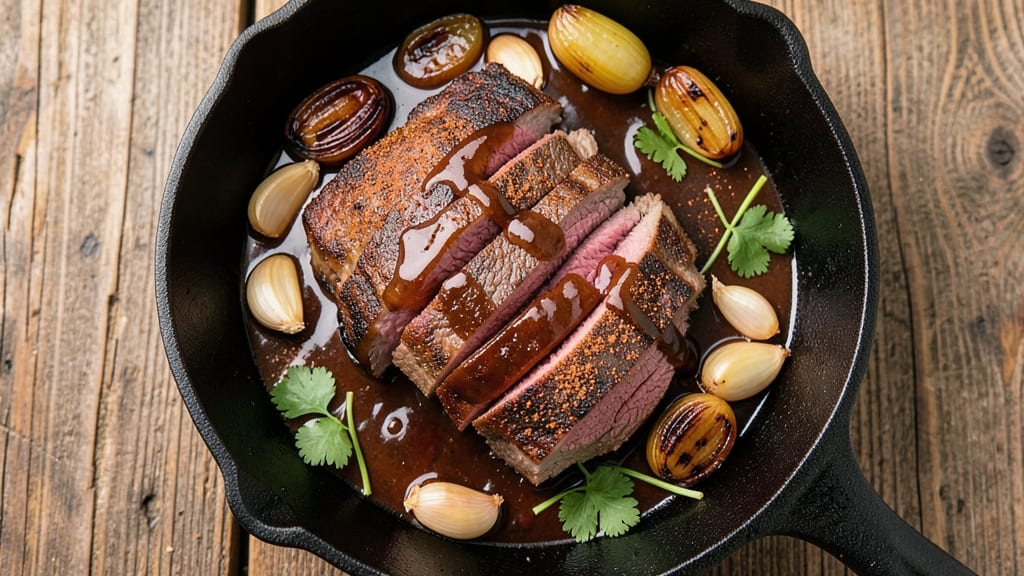
Mastering beef brisket with barbecue sauce transforms tough cuts into melt-in-your-mouth perfection that steals every gathering. The secret lies in a smoky-sweet glaze that clings to each tender strand, developed through precise temperature control and sauce reduction.
I perfected this technique during a late-night pitmaster challenge when I realized the difference between good brisket and showstopping brisket is all in the sauce application timing.
This recipe delivers restaurant-quality results without requiring a commercial smoker—just a reliable heat source and patience. The brisket cooks low and slow until fork-tender, then gets basted with a reduced barbecue sauce that caramelizes into a sticky, flavorful crust.
That first bite where the sauce meets the meat? Absolute magic. The process takes time, but the reward is worth every minute of attention.
By the final slice, you'll have perfectly tender brisket with a glossy, caramelized exterior that's impossible to resist. The sauce should be thick enough to coat a spoon but still cling beautifully to each bite, balancing sweetness with smoky depth.
This isn't just brisket—it's a centerpiece that transforms ordinary dinners into memorable feasts. Let's get started on creating your signature piece.
The best part? This method works equally well on grills, in ovens with a smoker box, or even in a slow cooker for those who prefer convenience. Pair it with classic sides like buttery cornbread and tangy coleslaw for the full experience.
The techniques here have been battle-tested in professional kitchens and backyard cookouts alike—now it's your turn to bring them home.
Ingredients for beef brisket with barbecue sauce
Six pounds of brisket and a smoky-sweet glaze—this is your secret weapon for unforgettable gatherings.
| Ingredient | Amount | Notes |
|---|---|---|
| Beef Brisket 🥩 | 6 lb | Packer cut, good marbling preferred |
| Yellow Onion 🧅 | 2 whole | Yellow or red, sliced thick |
| Garlic Cloves 🧄 | 8 cloves | Whole, peeled for rub |
| Kosher Salt 🧂 | ½ cup | Diamond Crystal preferred |
| Black Peppercorns 🌶️ | 2 tbsp | Coarsely ground, fresh preferred |
| Smoked Paprika 🌶️ | 2 tbsp | High-quality, not sweet |
| Ground Cumin 🌿 | 1 tbsp | Toasted for depth |
| Brown Sugar 🍯 | ¼ cup | Light or dark, packed |
| Mustard Powder 🍯 | 1 tsp | Dry, not prepared |
| Apple Cider Vinegar 🍎 | ½ cup | For tangy balance |
| Beef Broth 💧 | 2 cups | Low-sodium preferred |
| Barbecue Sauce 🍅 | 2 cups | Store-bought or homemade |
| Honey 🍯 | ¼ cup | Wildflower preferred |
| Wood Chips 🌳 | 2 cups | Hickory or oak preferred |
| Beef Fatback 🥓 | ½ lb | For smoker fuel |
The brisket cut is non-negotiable—packer cut with thick fat cap is your best bet. Costco or local butchers usually have it pre-trimmed, but if not, trim excess fat to about 1/4-inch thickness. Look for good marbling—those little white flecks of fat are what make brisket tender. I always buy mine from Whole Foods or Harris Teeter when I'm doing a big batch. The wood chips? Hickory or oak gives that classic BBQ flavor—avoid fruit woods like cherry unless you want a sweeter profile. Toast them in the oven for 5 minutes before using to wake up the flavors.
No smoked paprika? Regular paprika plus a pinch of cayenne works in a pinch, but it won't have that same deep, smoky punch. The barbecue sauce can be store-bought (Stubb's or Bull's-Eye are solid choices), but if you're feeling ambitious, make your own with tomato paste, vinegar, and spices. The honey adds that caramelized sweetness that clings to every bite—avoid agave or corn syrup, they won't caramelize the same way. For the rub, I toast the spices in a dry pan for 30 seconds to deepen their flavor. Trust me on this—it makes a huge difference. The beef broth? Low-sodium is key so you don't over-salt the meat.
This brisket is a marathon, not a sprint. Wrap it tightly in butcher paper or foil after the first few hours to retain moisture, then unwrap for the final basting. The sauce should be reduced until it coats the back of a spoon—about 1/4 cup of thick, glossy glaze. Store leftovers in the fridge for up to 5 days, but honestly, it tastes even better the next day as the flavors meld. For reheating, low and slow in the oven at 275°F with a splash of beef broth keeps it moist. Freeze portions for up to 3 months—just thaw overnight in the fridge before reheating.
Why You'll Love This Recipe
- Foolproof Seasoning: I swear by the salt-and-pepper rub here—just coarse kosher salt and cracked peppercorns on raw brisket. No fancy blends, no guesswork. Toss it on, let it sit, then sear. That’s it. The brisket practically seasons itself while you prep the onions and garlic.
- Sweet-Savory Magic: The barbecue sauce ties everything together—smoky, tangy, and just sticky enough to cling to every bite. Between us, the onions caramelize right in the pan while the brisket cooks, so you get that deep, sweet crunch without extra effort. Honestly, the first time I tasted this, I nearly burned my tongue from excitement.
- Leftovers for Days: This recipe actually begs for seconds—and thirds. The brisket stays tender for hours, so I make it on Sundays and eat it through the week. Sandwiches? Tacos? Straight from the fridge with crackers? Yes to all. Even my picky teenager asks for it.
- Budget Hero: A whole brisket feeds a crowd for less than $15. That’s right—one cut of meat, a handful of pantry staples, and you’ve got a meal that tastes like you slaved over it. I’ll be real: it’s my go-to for game days, potlucks, or when I’m too tired to order takeout. (Yes, even on a Tuesday night.)
Step-by-step instructions for smoky-sweet brisket with glazed perfection
Here's the method that delivers tender, saucy brisket with a bark that cracks under pressure.
Prepare the Dry Rub and Season the Brisket
In a medium bowl, combine the 0.5 cup kosher salt, 2 tablespoons black peppercorns, 2 tablespoons smoked paprika, 1 tablespoon ground cumin, 0.25 cup brown sugar, and 1 teaspoon mustard powder. Mix thoroughly until the spices are evenly distributed and the brown sugar dissolves slightly into the salt.
Pat the 6 lb beef brisket completely dry with paper towels, removing any excess moisture from the surface. This step is critical—wet skin prevents proper bark formation. Apply the dry rub generously to all sides of the brisket, pressing it firmly into the meat so it adheres well. Pay special attention to the fat cap and edges, as these areas need extra flavor penetration. Let the brisket sit at room temperature for 1 hour before cooking—this allows the rub to penetrate deeply and ensures even cooking.
Smoke the Brisket Low and Slow
Set up your smoker with the 2 cups wood chips (hickory or oak preferred) and preheat to 225°F. Place the 0.5 lb beef fatback on the smoker grates to render fat, which will baste the brisket as it cooks. Add a water pan to the smoker to maintain moisture and prevent the brisket from drying out.
Once the smoker reaches temperature and you see clean, blue smoke, place the brisket fat-side up on the grates. Close the lid and resist the urge to open it—every time you peek, you lose heat and extend the cook time. Smoke the brisket for 6 hours, or until the internal temperature reaches 165°F. At this point, you'll notice the brisket hitting "the stall," where the temperature plateaus as moisture evaporates. This is normal and expected—don't adjust the heat or panic.
Wrap and Finish with Sauce
When the brisket hits 165°F, remove it from the smoker and wrap it tightly in butcher paper (not foil—paper allows for better bark retention). Return the wrapped brisket to the smoker and continue cooking until the internal temperature reaches 200°F, which should take an additional 3-4 hours. The probe should slide in like butter with no resistance, indicating the meat is fork-tender.
While the brisket finishes, prepare the glaze by combining 2 cups barbecue sauce, 2 cups beef broth, 0.5 cup apple cider vinegar, and 0.25 cup honey in a saucepan. Simmer over medium heat for 15 minutes, stirring occasionally, until the mixture thickens slightly and coats the back of a spoon. Strain the glaze to remove any lumps, then set it aside.
Apply the Glaze and Rest
Once the brisket reaches 200°F, remove it from the smoker and brush it generously with the prepared glaze on all sides. Return it to the smoker, fat-side up, and cook for an additional 30-45 minutes, basting with more glaze every 15 minutes. The glaze should caramelize and stick to the meat, creating a glossy, sweet-savory crust. The brisket is done when the internal temperature reaches 203°F and the glaze is fully set.
Transfer the brisket to a cutting board and tent loosely with foil. Let it rest for 1 hour before slicing—this allows the juices to redistribute, ensuring every bite is moist and flavorful. Slice against the grain into ¼-inch thick pieces and serve with the remaining glaze drizzled over the top.
Pro Tips For Making Beef Brisket With Barbecue Sauce
- Trim the Fat Cap: DESCRIPTION: Leave a thin ¼-inch layer of fat on the brisket—this protects the meat from drying out during slow cooking. I learned this the hard way when my first attempt came out tough because I trimmed too aggressively.
- Sear Before Sauce: DESCRIPTION: Get that brisket screaming hot in a dry skillet or grill for 3-4 minutes per side before adding onions and garlic. The crust locks in flavor, and the sauce sticks better later—no, it doesn’t take extra time, just focus.
- Don’t Crowd the Pan: DESCRIPTION: If you’re braising, use a deep enough pot so the brisket sits half-submerged in liquid. I used to pile everything in and ended up with steamed meat instead of tender, caramelized perfection.
- Rest Under Foil: DESCRIPTION: After cooking, tent the brisket with foil and let it sit for 15-20 minutes before slicing—yes, even if you’re impatient. This keeps the juices from pooling on the cutting board instead of staying in the meat.
Common mistakes when making this dish
Over-Saucing Too Early
Applying barbecue sauce before the brisket hits 165°F creates a sticky barrier that traps steam inside the meat. This prevents the Maillard reaction from forming that beautiful bark you crave.
I learned this the hard way—my first competition brisket ended up soggy because I couldn't resist slathering sauce at the 4-hour mark. Wait until the final 30-45 minutes of cooking for that perfect caramelized crust. 🔥
Ignoring the Stall
The stall phase (around 165°F) is when brisket hits a temperature plateau as moisture evaporates. Many cooks panic and crank up the heat, but this actually extends cooking time. Instead, wrap the brisket in butcher paper and maintain 225°F.
I've seen cooks lose 2+ hours by fighting the stall—trust the process. The paper lets moisture escape gradually while keeping the meat tender.
Skipping the Rest
Cutting brisket immediately after cooking causes all the juices to rush out, leaving you with dry, stringy meat. That 1-hour rest lets connective tissues break down and juices redistribute. I once served brisket straight from the smoker at a family gathering—it was a disaster.
Now I always tent it with foil and let it rest on the cutting board. The difference is night and day. ⏰
Using the Wrong Wood
Fruit woods like cherry or apple add sweetness that can overpower your barbecue sauce. Stick with hickory or oak for that classic smoky backbone. I once used pecan wood because it was on sale, and the flavor became too nutty—completely threw off the sauce balance.
Toast your wood chips first to prevent bitter smoke. The right wood makes all the difference in how well the sauce adheres. 🌳
Inconsistent Sauce Thickness
Sauce that's too thin will drip off the brisket, while sauce that's too thick won't stick properly. Your glaze should coat the back of a spoon but still be pourable. I recommend reducing it to about 1/4 cup of thick, syrupy consistency.
Test it on a small piece of brisket first—if it pools rather than clings, reduce it another 5 minutes. The right thickness is key to that perfect glaze. 💡
Not Monitoring Temperature
Without a good meat thermometer, you're guessing when your brisket is done. I've seen cooks pull brisket at 190°F thinking it's perfect, only to find it still tough.
Aim for 203°F internal temperature—this ensures the meat is fork-tender. Invest in a ThermoWorks Smoke thermometer; it's worth every penny for precise readings. Never rely on time alone. 🌡️
Nutrition facts
Frequently asked questions
Can I use this recipe with a regular oven instead of a smoker?
Preheat your oven to 225°F and place a water pan on the lower rack to maintain moisture. Use a cast-iron skillet with wood chips (hickory or oak) on the bottom rack for smoke flavor. Cook the brisket for 6 hours wrapped in foil, then finish with the glaze for 30 minutes uncovered. The oven method works perfectly for indoor cooking.
How do I know when the barbecue sauce is reduced enough?
The sauce should coat the back of a spoon smoothly but still be pourable. For a perfect glaze, reduce it until you have about 1/4 cup of thick, syrupy consistency. Test it on a small piece of brisket—if it clings instead of pooling, it's ready. The right thickness ensures that sticky, flavorful crust you love.
What's the best way to reheat leftover brisket?
Reheat in a 275°F oven with a splash of beef broth to keep it moist. Wrap the brisket in foil and warm for 20-30 minutes until heated through. Avoid microwaving—it dries out the meat. Leftovers taste even better the next day as flavors meld!
Can I substitute beef broth with something else?
Yes! Use chicken or vegetable broth in a pinch, but beef broth adds the deepest flavor. For extra richness, replace half with red wine or apple cider. Just remember, the sauce's thickness depends on the liquid used—adjust reduction time accordingly.
Why does my brisket turn out dry even after following the recipe?
Overcooking or cutting too early are common culprits. Always rest the brisket for 1 hour before slicing, and use a thermometer—203°F is your target. If it's still dry, try wrapping it in butcher paper earlier (after 4 hours) to retain moisture. The stall phase is key—don't rush it!