
Side Dishes
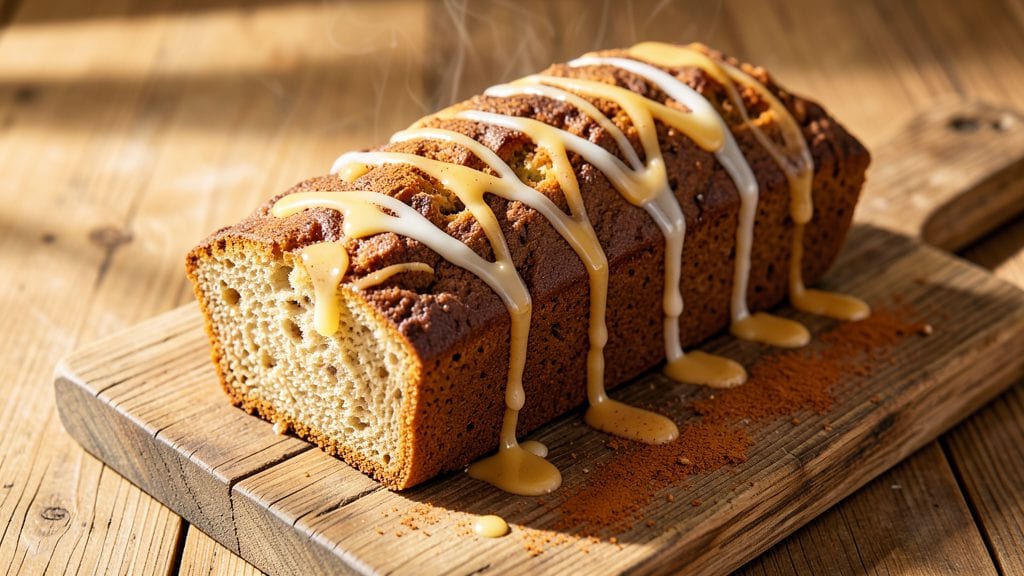
This vegan carob bread delivers all the rich, chocolatey satisfaction of traditional bread without the caffeine or dairy—perfect for those who crave depth of flavor but need a lighter option. 💛 The secret lies in carob powder, which creates that familiar bittersweet profile while keeping the texture incredibly moist and tender, unlike dense health-focused loaves that often disappoint.
What sets this recipe apart is how simple yet effective the technique is: no yeast, no kneading, and just five core ingredients that come together in a single bowl before baking.
The carob powder not only replaces chocolate but also adds natural sweetness and a subtle earthiness that pairs beautifully with the warm spices. This method ensures every slice stays moist for days, making it ideal for meal prep or gifting.
By the time it emerges from the oven, you’ll have a golden, fragrant loaf with a crisp crust and a crumb so tender it crumbles effortlessly. The carob’s natural richness shines through without overpowering, delivering that "chocolatey" experience in a way that’s both indulgent and guilt-free.
Whether you’re vegan, sensitive to caffeine, or simply love a great bread, this recipe delivers.
Use it for toast, sandwiches, or even as a dessert base with a dusting of powdered sugar—its versatility makes it a staple for any pantry. The proofing step is minimal, and the baking time is straightforward, ensuring professional results even for beginners. Let’s get baking!
Ingredients for carob bread
Five core ingredients transform into a moist, chocolatey loaf with carob's natural richness and tender crumb.
| Ingredient | Amount | Notes |
|---|---|---|
| Carob Powder 🍫 | ¾ cup | Unsweetened, high-quality preferred |
| All-Purpose Flour 🌾 | 2 ½ cups | Organic or unbleached preferred |
| Coconut Oil (Melted) 🥥 | ½ cup | Refined, not virgin for neutral taste |
| Pure Maple Syrup 🍯 | ½ cup | Grade B for richer flavor profile |
| Vanilla Extract 🌿 | 1 tbsp | Pure Madagascar bourbon preferred |
| Ground Cinnamon 🌶️ | 1 tsp | Freshly ground for optimal aroma |
| Ground Nutmeg 🌶️ | ½ tsp | Freshly grated nutmeg preferred |
| Baking Soda 🧪 | ½ tsp | Pure, aluminum-free preferred |
| Salt 🧂 | ½ tsp | Diamond Crystal kosher preferred |
| Unsweetened Almond Milk 🥛 | ¼ cup | Cold, for proper hydration |
| Apple Cider Vinegar 🍎 | 1 tsp | Raw, organic preferred |
| Powdered Sugar 🍬 | 2 tbsp | For dusting finished loaf |
The carob powder is the star—Bob's Red Mill or Anthony's Goods deliver the most consistent quality with no gritty texture. Opt for unsweetened varieties to control sweetness levels precisely. Whole Foods or Natural Grocers typically carry the best organic options, though most grocery stores stock basic brands. For optimal flavor development, store carob powder in an airtight container away from light to prevent oxidation. The cinnamon and nutmeg should be freshly ground if possible, as pre-ground spices lose potency quickly—Penzeys bulk bins are ideal for this purpose.
No carob powder? Unsweetened cocoa powder works in a pinch, though it will introduce caffeine and a slightly different flavor profile. Substitute maple syrup with agave nectar for a neutral sweetness, though maple's distinct flavor enhances the carob's earthiness. The coconut oil can be swapped for avocado oil if you prefer a more neutral taste, though coconut adds subtle richness. For those avoiding nuts, oat milk works as a 1:1 replacement for the almond milk. The apple cider vinegar activates the baking soda for proper rise—never skip this step, even if you're using baking powder.
This loaf stays moist for 5-6 days when wrapped in parchment paper and stored at room temperature, though it's best enjoyed within 3 days for peak tenderness. For longer storage, slice and freeze portions for up to 3 months—simply toast from frozen. The powdered sugar dusting should be applied immediately after baking while the crust is still warm for optimal adhesion. For gifting, wrap individual slices in parchment and tie with twine for a professional presentation. The bread reheats beautifully in a 350°F oven for 5 minutes to restore its warm, fragrant qualities.
Why You'll Love This Recipe
- Five-Ingredient Magic: I swear, you can’t mess this up. Just mix the carob powder with flour, toss in melted coconut oil, a drizzle of maple syrup, and vanilla—no fancy tools, no stress. The dough comes together faster than my morning coffee.
- Rich Without Chocolate: Here’s what sold me—carob’s deep, earthy sweetness with that vanilla warmth, but no caffeine jitters or sugar crash. The maple syrup adds just enough caramel depth to make it taste like a treat, not a health hack.
- Breakfast, Snack, Dessert: Honestly, this bread is my go-to for toast in the morning, a quick snack with nut butter, or even a dessert when I crave something simple. The texture holds up for days, so I bake a loaf and forget about it until I need it.
- Budget-Friendly Indulgence: Between us, carob powder is way cheaper than cocoa, and coconut oil lasts forever. A single batch costs less than half a fancy bakery loaf but tastes like you put in actual effort—even if you didn’t. Leftovers? They’ll disappear faster than you think.
Step-by-step instructions for carob bread recipe
This method delivers a perfectly moist carob loaf with rich chocolate notes and tender crumb.
👨🍳 Step 1: Combine Wet Ingredients for Optimal Moisture
In a medium bowl, whisk together the 0.5 cup melted coconut oil and 0.5 cup pure maple syrup until fully blended. The oil should be completely melted but not hot—just warm enough to blend smoothly. Add the 0.75 cup carob powder, 1 tbsp vanilla extract, and 1 tsp apple cider vinegar, whisking until the carob powder dissolves completely. This creates a smooth, velvety base that prevents dryness in the final loaf.
Here's the thing—carob powder can be dense, so thorough mixing at this stage ensures even distribution. I recommend using a fine-mesh sieve if your carob powder has any lumps. The mixture should be thick but pourable, resembling a rich chocolate batter. If it's too thick, add 1-2 tablespoons of the unsweetened almond milk to adjust the consistency.
👨🍳 Step 2: Prepare the Dry Ingredients with Precision
In a separate large bowl, sift together the 2.5 cups all-purpose flour, 0.5 tsp baking soda, 0.5 tsp salt, 1 tsp ground cinnamon, and 0.5 tsp ground nutmeg. Sifting prevents dense pockets in the bread and ensures even baking. Use a whisk to break up any remaining flour clumps—this is crucial for achieving that light, airy crumb we're after.
Real talk: freshly ground spices make a noticeable difference. If you're using pre-ground spices, toast them lightly in a dry pan for 30 seconds before adding to enhance their aroma. The dry ingredients should look like a fine, uniform powder with no visible flour chunks. This step sets the foundation for the bread's structure and moisture retention.
🥘 Step 3: Gradually Combine Wet and Dry Ingredients
Create a well in the center of your dry ingredients and pour in the wet mixture. Using a silicone spatula, gently fold from the bottom up, mixing just until combined. Overmixing develops gluten, which can make the bread dense. You'll see streaks of flour—don't worry, they'll disappear as you add the remaining ingredients. The batter should be thick but manageable, similar to cookie dough.
Once combined, stir in the 0.25 cup cold unsweetened almond milk until just incorporated. The cold milk helps maintain moisture during baking. Here's where it gets fun—the batter should be sticky but not runny. If it's too thick, add 1-2 teaspoons more almond milk to ensure proper hydration. This precise moisture balance is what guarantees that moist crumb we're aiming for.
🔥 Step 4: Bake Until Golden and Internal Temp is Perfect
Preheat your oven to 350°F and grease a 9x5-inch loaf pan with coconut oil or line it with parchment paper. Pour the batter into the prepared pan and smooth the top with a spatula. The batter will be thick, so don't worry if it doesn't fill the pan completely—it will rise as it bakes. Dust the top lightly with 2 tbsp powdered sugar for a decorative finish and to help create a slight crust.
Bake for 50-55 minutes until a toothpick inserted in the center comes out clean and the top is golden brown. I know it seems like a long time, but carob bread needs this gentle baking to develop its moisture without drying out. Your oven might run hot, so start checking at the 45-minute mark. The bread is done when it springs back slightly when pressed and has developed a rich caramelized crust.
⏰ Step 5: Cool and Slice for Maximum Moisture Retention
Remove the bread from the oven and let it cool in the pan for 10 minutes. This brief resting period allows the internal structure to set slightly before transferring. After 10 minutes, carefully remove the bread from the pan and place it on a wire rack to cool completely. Here's the critical part: do not slice the bread for at least 2 hours. This cooling period is what ensures that moist texture we worked so hard to achieve.
Once fully cooled, slice with a serrated knife for clean cuts. Each slice should reveal a tender, slightly dense crumb with visible moisture—this is the hallmark of a properly baked carob loaf. Store any leftovers in an airtight container at room temperature for up to 3 days or freeze for longer storage. The bread actually improves in flavor as it sits, developing deeper carob notes over time.
Pro Tips For Making Carob Bread
- MEASURE CAROB PRECISELY: Carob powder is dense—don’t eyeball it. Use a kitchen scale for 1:1 ratios with flour (e.g., 200g carob to 200g flour). I learned this the hard way when my first batch turned bitter; too much carob overpowers the sweetness.
- WHISK COCONUT OIL COOL: Melted coconut oil solidifies fast. Let it cool to 90°F (32°C) before mixing—warm oil blends better with dry ingredients and won’t cook the flour prematurely. (Yes, even if you’re impatient like me.)
- FOLD MAPLE SYRUP GENTLY: Maple syrup is heavy. Pour it into the flour mix in a thin stream while folding with a spatula, not stirring. This prevents a gummy center—something that’s happened to me more times than I’d admit.
- BAKE UNTIL GOLDEN, NOT JUST SET: Carob bread’s crust matters. Bake until the edges are deep golden (not just pale brown) and a toothpick comes out clean. Underbaking makes it dense; overbaking dries it out. (Your future self will thank you.)
Wine and beer pairings for this dish
Earthy Wine Pairings
Carob’s deep, slightly bitter profile pairs beautifully with dry red wines that complement its earthiness. I recommend a Chianti Classico from Tuscany—its bright acidity and cherry notes cut through the carob’s richness without overpowering. The tannins in Chianti also enhance the bread’s natural bitterness, creating a harmonious balance. 🍷
For a lighter option, try a Pinot Noir with subtle earthy undertones. The Willamette Valley in Oregon produces excellent examples that mirror carob’s herbal notes. These wines won’t compete with the bread’s flavor but instead elevate its natural depth, making each bite more complex.
Spiced Beer Complements
Craft spiced ales and barley wines are perfect for carob bread because their warm, toasty notes mirror the bread’s cinnamon and nutmeg. I love pairing this with a Belgian-style witbier like Stella Artois Wit—its coriander and orange peel flavors create a refreshing contrast to the carob’s bitterness. 🍺
For a richer option, a dark ale with molasses or caramel notes (like Guinness) works surprisingly well. The malt sweetness balances carob’s earthiness, while the beer’s creamy texture complements the bread’s moist crumb. Serve slightly chilled to enhance the pairing.
Sweet Contrasts
If you prefer sweet pairings, a Port wine with 10-year aging adds a luxurious touch. The wine’s raisin and chocolate notes harmonize with carob’s bittersweet profile, while its viscosity coats the palate. Try a Tawny Port for a lighter, more aromatic experience. 🍷
For a non-alcoholic option, sparkling apple cider with a hint of cinnamon is a refreshing match. The effervescence cleanses the palate, while the apple’s tartness brightens the carob’s richness. Serve chilled for the best contrast.
Coffee Pairing
Since carob mimics chocolate, pairing it with light to medium roast coffee enhances the experience. A Colombian or Ethiopian bean with floral or fruity notes prevents the carob from tasting flat. The coffee’s acidity balances the bread’s natural sweetness, creating a delightful harmony. ☕
For a decaf option, chicory root coffee (common in New Orleans) works beautifully. Its earthy, slightly bitter notes complement carob’s depth, making it a perfect match for those sensitive to caffeine.
Nutrition facts
Frequently asked questions
Why does this carob bread stay moist longer than regular bread?
The coconut oil and maple syrup create a natural moisture barrier, while the carob powder adds richness without drying out the crumb. The almond milk keeps it tender, and the 2-hour cooling period before slicing locks in moisture. This method ensures your loaf stays fresh for 5-6 days—far beyond typical bread!
Can I substitute carob powder with cocoa powder if I can't find it?
You can use unsweetened cocoa powder in a pinch, but expect a slightly different flavor profile—it will introduce caffeine and a more bitter taste. Reduce the cocoa by 1 tablespoon to match the carob's sweetness, and adjust sweetness with an extra 1 teaspoon maple syrup. The texture will be similar, though not as tender.
What's the best way to reheat carob bread slices?
For the best texture, wrap slices in foil and reheat at 350°F for 5 minutes until warm. You can also toast them lightly for a crispier exterior. Avoid microwaving, as it can make the crumb gummy. Reheated slices taste even better with a dusting of powdered sugar!
How do I know when the carob bread is fully baked?
Your bread is done when it reaches golden brown on top and a toothpick inserted in the center comes out clean. The internal temperature should read 190-195°F. Press the top gently—it should spring back slightly, indicating proper doneness. Overbaking is easy to do with carob bread, so start checking at 45 minutes.
Can I make this bread gluten-free?
Yes! Replace the all-purpose flour with a 1:1 gluten-free baking blend (like Bob's Red Mill). Increase the baking soda by ¼ teaspoon and reduce the almond milk by 2 tablespoons to compensate for the blend's moisture. The texture will be slightly denser but still moist and delicious. Always check your blend's instructions for best results!