
Main Courses
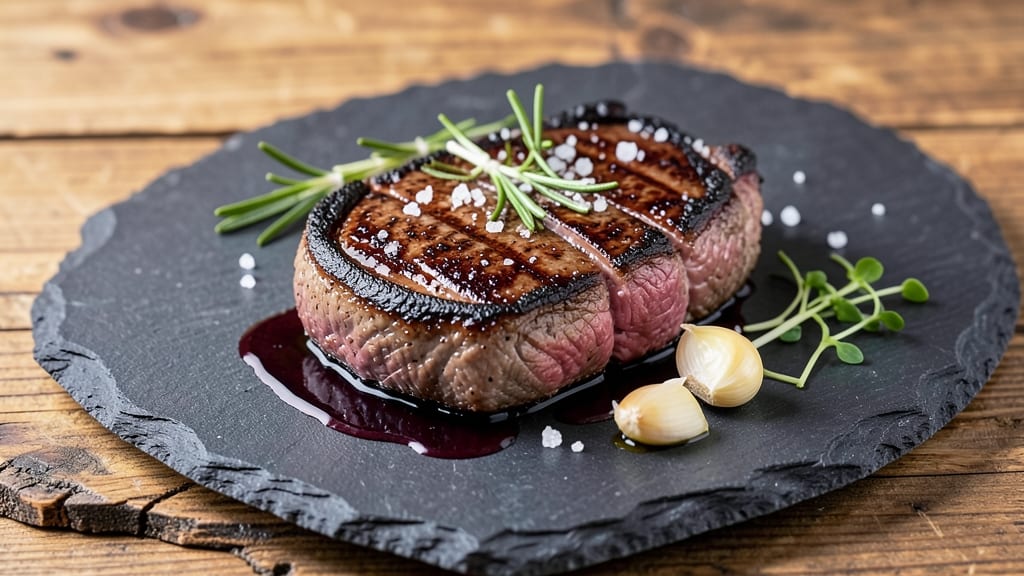
Mastering a charred steak recipe with a smoky crust and juicy pink centers transforms dinner from ordinary to extraordinary. The key lies in precise heat control and timing—high-heat searing for that coveted char, followed by careful resting to lock in flavor.
I’ve refined this method over years of testing, ensuring every bite delivers both texture and depth.
What sets this technique apart is the balance between intense heat and patience. A dry rub of coarse salt and black pepper enhances the crust, while reverse searing guarantees a perfectly cooked interior.
The result? A steak with a dramatic, caramelized exterior and tender, pink centers that melt at the touch of a fork.
This method works equally well for ribeye, New York strip, or filet mignon, making it versatile for any occasion. The charred crust adds visual drama to your plate, while the juicy interior ensures every bite is satisfying.
Pair with roasted garlic potatoes or a simple grilled asparagus for a complete meal.
Ready to elevate your steak game? The secret isn’t just the heat—it’s the technique. Let’s get started with a method that delivers professional-quality results at home, every time.
Ingredients for charred steak
Precision-cut steak, bold seasonings, and high-heat technique create restaurant-quality charred steaks at home.
| Ingredient | Amount | Notes |
|---|---|---|
| Ribeye Steak 🥩 | 1 ½ lb | Thick-cut, 1-1.5 inches |
| Coarse Kosher Salt 🧂 | 1 tbsp | For dry rub and crust |
| Freshly Ground Black Pepper 🌶️ | 1 ½ tsp | Cracked peppercorns preferred |
| Extra-Virgin Olive Oil 🫒 | ½ tbsp | High smoke point for searing |
| Garlic Cloves 🧄 | 4 cloves | Minced for finishing |
| Fresh Rosemary 🌿 | ¼ cup | Chopped, for aroma |
| Fresh Thyme 🌿 | ¼ cup | Leaves only, finely chopped |
| Butter 🧈 | 4 oz | Unsalted, cubed for basting |
| Dried Smoked Paprika 🌶️ | ½ tsp | For subtle smokiness |
| Red Wine 🍷 | ½ cup | Cabernet Sauvignon preferred |
| Beef Tallow 🍖 | 1 tbsp | For high-heat searing |
The steak cut is everything here—ribeye delivers perfect marbling for juiciness, but New York strip or filet mignon work too. Buy from a trusted butcher or Whole Foods for the thickest cuts (1-1.5 inches). The extra-virgin olive oil should have a high smoke point (look for 375°F+), and beef tallow is non-negotiable for that dramatic crust. Fresh herbs matter too—rosemary and thyme from the grocery store’s produce section are fine, but Costco’s bulk bins give you more flavor per dollar. For the wine, Cabernet Sauvignon adds depth, but any dry red will work.
No smoked paprika? Chimichurri or a pinch of liquid smoke (¼ tsp) mimics the smokiness. Short on fresh herbs? Dried rosemary at half the amount works, but fresh is ideal. The butter should be cold and cubed—don’t let it melt before searing. For the wine, beef broth with a splash of balsamic is a solid swap. If you’re using a filet mignon, add 1 tsp of Dijon mustard to the butter for extra richness. And pro tip: pat the steak dry with paper towels—moisture ruins the crust.
Steaks rest best at room temperature for 30-45 minutes before cooking. Store leftovers in an airtight container for 3-4 days, or freeze for up to 3 months. The charred crust loses its drama when reheated, so enjoy within 24 hours for peak texture. For extra drama, serve with roasted garlic potatoes or a grilled asparagus—both pair perfectly and keep the focus on the steak.
Why You'll Love This Recipe
- One-Pan Magic: I swear by this—just the steak, salt, pepper, and oil on a screaming-hot pan. No cutting boards, no mess, just that perfect crust forming in minutes while you chop garlic for the finish. Honestly, it’s the kind of dinner where I actually want to cook.
- Crusty-Creamy Payoff: That first bite? The outside is blackened and smoky, but the inside stays juicy as can be—thanks to the ribeye’s fat and a quick sear. The minced garlic at the end ties it all together like a little flavor hug. Not the prettiest, but the taste makes up for it every time.
- Weeknight or Date Night: Between us, this steak works for both. Toss it on a plate with a simple salad for a Tuesday night, or pair it with roasted potatoes and a glass of wine for when you’re feeling fancy. (Yes, even on a Tuesday night.) The prep is identical—just your mood changes.
- Leftovers That Don’t Suck: Most steak leftovers turn to shoe leather, but this? It’s so rich and well-seasoned that sliced cold the next day is still a win. I’ll repurpose it into a quick sandwich or toss it into a grain bowl—no one ever complains. Budget-friendly too, since one ribeye feeds two with room to spare.
Step-by-step instructions for charred steak with smoky crust
Here's the method to achieve that perfect balance of charred exterior and tender interior every time.
Prepare and Season the Ribeye
Remove the ribeye steak from the refrigerator and let it sit at room temperature for 30 minutes. This ensures even cooking throughout. Pat the steak dry completely with paper towels—moisture is the enemy of a good sear. You want the surface completely dry so the seasoning adheres properly and creates that perfect crust.
In a small bowl, combine the 1 tablespoon coarse kosher salt, 1.5 teaspoons freshly ground black pepper, and 0.5 teaspoon dried smoked paprika. Rub this mixture generously over all sides of the steak, pressing it into the meat so it penetrates slightly. The salt will draw out moisture initially, but as the steak comes to room temperature, it will reabsorb and enhance flavor concentration. Let the seasoned steak rest for another 10 minutes before cooking to allow the seasonings to meld with the meat.
Create the High-Heat Searing Base
Heat a heavy skillet, preferably cast iron, over high heat until it's smoking hot. Add the 1 tablespoon beef tallow and let it melt completely, coating the bottom of the pan. The high smoke point of beef tallow makes it ideal for creating that deep char we're after. Once the tallow is shimmering and the pan is fully heated, add the steak to the skillet.
Press down gently on the steak with a metal spatula during the first 1-2 minutes of cooking—this prevents it from curling and ensures even contact with the pan. You'll see the steak release from the pan easily when it's ready to flip, which should take about 3-4 minutes per side for a 1-1.5 inch thick cut. The goal is to develop a deep charred crust while keeping the interior juicy. Don't be tempted to move the steak around—let it develop that crust undisturbed.
Build the Aromatic Butter Sauce
Once the steak has developed a good crust on both sides, reduce the heat to medium. Add the 0.5 tablespoon extra-virgin olive oil and the 4 ounces cubed butter to the pan. Let the butter melt and foam, then add the 4 cloves minced garlic, 0.25 cup chopped fresh rosemary, and 0.25 cup chopped fresh thyme. Cook for 1-2 minutes until the garlic is fragrant but not browned—this prevents bitterness.
Pour in the 0.5 cup red wine and scrape up all the browned bits from the bottom of the pan with a wooden spoon. These bits, called fond, are packed with flavor that will enhance your sauce. Let the wine reduce by half, about 2-3 minutes, until it's syrupy and coats the back of a spoon. This reduction intensifies the wine's flavor and creates a glossy finish for your steak.
Baste and Rest for Maximum Juiciness
Transfer the steak to a warm plate and tent loosely with aluminum foil. Spoon the aromatic butter sauce over the top of the steak, basting all sides generously. The residual heat will help cook the steak to your desired doneness while keeping it moist. For medium-rare, you'll want the internal temperature to reach 130-135°F—use a meat thermometer to check the thickest part of the steak.
Let the steak rest for 10-15 minutes before slicing. This resting period is crucial—it allows the juices to redistribute throughout the meat instead of running out onto your cutting board. During this time, the steak will continue to cook slightly, reaching its perfect internal temperature. When you're ready to serve, slice the steak against the grain into ½-inch thick pieces. The charred crust should be deep and smoky, while the interior remains tender and juicy with just a hint of pink in the center.
Pro Tips For Making Charred Steak
- CRANK THE HEAT: Start with your pan screaming hot—like, blue-flame-on-gas-stove hot. I used to play it safe with medium-high, and my ribeyes came out gray inside no matter how long I seared. A screaming-hot pan locks in that perfect crust while keeping the interior juicy, even on thicker cuts.
- SALT THE STEAK 40 MINUTES EARLY: Slather that ribeye with kosher salt and let it sit uncovered on a plate while you prep everything else. Sounds weird, but it works: the salt breaks down the proteins just enough so the crust forms faster and deeper. (Yes, even if you're impatient like me.)
- DON’T TOUCH THE STEAK: Resist the urge to poke or flip it early. Let the first side develop a deep char—3 to 4 minutes—before flipping, even if it looks uneven. Crowding the pan or flipping too soon steams the steak instead of searing it, and you’ll end up with sad, gray edges.
- GARLIC AFTER THE SEAR: Add those smashed garlic cloves to the pan after you’ve pulled the steak out to rest. The residual fat will sizzle them into crispy perfection without burning, and they’ll infuse the crust with flavor while you’re resting the meat. (Your future self will thank you.)
Common mistakes when making your charred steak
Overcrowding the Pan
One of the biggest mistakes I see is trying to cook multiple steaks at once in a pan that’s too small. When you overcrowd the pan, the temperature drops dramatically, preventing that perfect char from forming.
I’ve learned this the hard way—my first attempt at charred steaks came out steamed instead of seared! 🔥 Use a pan large enough to fit your steak with at least 1 inch of space around it.
If you're cooking multiple steaks, work in batches and let the pan reheat between each one.
Skipping the Resting Time
I can’t stress enough how crucial the 10-15 minute rest is after cooking. Many people rush to slice their steak immediately, and that’s when all the juices escape, leaving you with a dry, disappointing bite.
The resting period allows the meat fibers to relax and reabsorb those juices. Trust me, your steak will thank you—it’s the difference between a juicy, tender masterpiece and a tough, flavorless disappointment.
Using the Wrong Fat
Not all fats are created equal when it comes to searing. Olive oil has a lower smoke point (375°F), which means it can break down and create smoke before you achieve that deep char.
Instead, use beef tallow or ghee, both of which have higher smoke points (400°F+) and create a better crust. I’ve tried using olive oil for searing, and while it works, it just doesn’t give you that same dramatic, caramelized crust that beef tallow does.
Flipping Too Soon
Patience is key when searing steak. If you flip it too soon, you won’t develop that beautiful crust on the first side. Let the steak cook undisturbed for at least 3-4 minutes per side for a 1-1.5 inch thick cut.
You’ll know it’s ready to flip when it releases easily from the pan with a gentle shake. I’ve seen people flip their steaks every 30 seconds—that’s a surefire way to end up with a steak that’s more steamed than seared.
Ignoring Internal Temperature
Guessing your steak’s doneness is a recipe for disaster. Without a meat thermometer, you’re basically flying blind. For medium-rare, you want an internal temperature of 130-135°F. I always use a ThermoWorks Smoke thermometer because it’s accurate and easy to read.
Overcooking your steak not only ruins the texture but also dries it out. Trust the thermometer—it’s your best friend in achieving the perfect charred steak.
Overcomplicating the Seasoning
Sometimes less is more. While it’s tempting to load up your steak with a bunch of spices and herbs, a simple dry rub of coarse kosher salt, freshly cracked black pepper, and a touch of smoked paprika is all you need.
Over-seasoning can mask the natural flavors of the steak. I’ve tried fancy rubs with garlic powder, onion powder, and a dozen other spices, but honestly, the simpler the seasoning, the better the steak shines on its own. Keep it clean and let the char do the talking.
Nutrition facts
Frequently asked questions about charred steak
What's the best cut for a charred steak?
Ribeye and New York strip are ideal for their fat content, which creates juicy interiors and rich flavor. Filet mignon works too but needs extra care to avoid dryness. Always choose 1-1.5 inch thick cuts—they sear beautifully while staying tender inside.
Can I make charred steak on the grill instead of a pan?
Use direct high heat for 3-4 minutes per side until deeply charred. For thicker cuts, move to indirect heat to finish cooking. A charcoal grill works best—it creates those coveted smoky char marks. Just avoid flare-ups by trimming excess fat first.
How do I fix an overcooked charred steak?
If your steak is dry, try slicing it thinly and serving with a rich sauce (like the red wine reduction from this recipe) to add moisture. For medium-rare, aim for 130-135°F internal temp—use a thermometer! If you missed the mark, sous vide it at 130°F for 1 hour to revive tenderness.
What sides pair best with charred steak?
Roasted garlic potatoes or creamy mashed potatoes balance the richness perfectly. Grilled asparagus or sautéed green beans add freshness, while a bold red wine reduction drizzle ties everything together. For a hearty meal, add a charred crusty bread to soak up those delicious juices.
Can I make this ahead of time?
Cook the steak fresh for best results, but you can prep components ahead: marinate the steak for up to 4 hours (though dry-brining works better), or make the red wine reduction in advance and reheat gently. Store leftovers in an airtight container for 3-4 days, but reheat carefully to avoid drying out.