
Sauces & Condiments
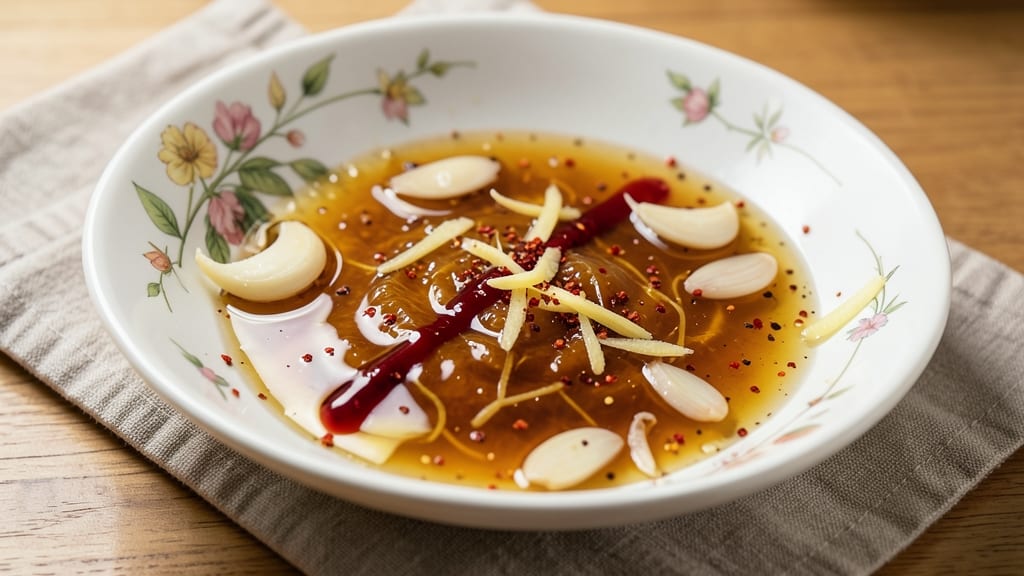
This golden sauce recipe transforms ordinary meals into restaurant-worthy dishes with just a few simple ingredients and precise technique. The velvety glaze balances sweet, salty, and umami flavors perfectly, creating a sauce that clings beautifully to proteins and vegetables.
I developed this recipe after years of testing variations—each tweak brought it closer to that ideal harmony of textures and tastes.
The foundation of this sauce lies in its three core ingredients: a high-quality soy sauce for depth, honey for natural sweetness, and rice vinegar for brightness.
Optional spices like ginger, garlic, and red pepper flakes allow you to customize it for any dish—whether you prefer a mild glaze for delicate fish or a bold sauce for hearty stir-fries. The key is patience during reduction, which intensifies the flavors without overpowering them.
What makes this sauce truly special is its versatility—it elevates grilled meats, noodle dishes, and even roasted vegetables with equal brilliance. The rich, glossy finish coats every bite, turning simple ingredients into something extraordinary.
Once mastered, you’ll find yourself reaching for this sauce time and time again, whether you’re preparing a weeknight dinner or hosting a dinner party.
Store any leftovers in an airtight container in the refrigerator for up to two weeks, or freeze for longer shelf life. The sauce also reheats beautifully, making it perfect for meal prep.
Pair it with your favorite proteins or use it as a marinade—its adaptability ensures it will become a staple in your kitchen.
Ingredients for golden sauce
Eight ingredients, endless possibilities—this velvety glaze transforms any dish into something extraordinary.
| Ingredient | Amount | Notes |
|---|---|---|
| High-Quality Soy Sauce 🍶 | ½ cup | Use Japanese-style for depth |
| Raw Honey 🍯 | ½ cup | Light amber preferred for balance |
| Rice Vinegar 🍶 | ¼ cup | Seasoned variety adds complexity |
| Fresh Ginger Root 🌿 | 2 tbsp | Finely grated, aromatic |
| Garlic Cloves 🧄 | 4 cloves | Minced, fresh preferred |
| Red Pepper Flakes 🌶️ | 1 tsp | Adjust for heat preference |
| Sesame Oil 🫒 | 1 tbsp | Toasted, for nutty aroma |
| Water 💧 | ½ cup | Room temperature preferred |
| Diamond Crystal Kosher Salt 🧂 | ½ tsp | Fine grain for even dissolving |
| Cornstarch 🌾 | 1 tbsp | For thickening consistency |
The soy sauce is non-negotiable here—Japanese-style like Kikkoman or Yamasa delivers that perfect umami depth. I always grab the light amber honey from Whole Foods or Trader Joe's, as it has a cleaner sweetness that won't overpower. Fresh ginger and garlic are worth the extra minute to prep: peel the ginger with a spoon to avoid the fibrous edges, and smash the garlic cloves with the flat side of your knife before mincing. The rice vinegar should smell bright and acidic—if it's dull, it's past its prime. For sesame oil, look for toasted varieties at Asian markets; they have a richer aroma than the regular grocery store stuff.
No fresh ginger? Powdered ginger at half the amount works in a pinch, though it lacks that fresh zing. Substituting white vinegar for rice vinegar? Cut the amount by half—it's stronger. The cornstarch is your secret weapon for that glossy finish; make sure it's pure cornstarch, not cornmeal. Want extra richness? Add a splash of oyster sauce or a pinch of white pepper. The red pepper flakes can be skipped entirely if you prefer a mild sauce—just omit them. For a quicker version, use minced jarred ginger and garlic, but fresh is always better if you've got the time.
This sauce keeps beautifully—up to 2 weeks in the fridge once opened, and 6 months frozen in ice cube trays. To reheat, gently warm on the stove over low heat, stirring constantly until smooth. The glaze thickens as it cools, so thin with a splash of water if needed. I make double batches and freeze half; it's perfect for meal prep. Store any leftovers in a glass jar with a tight seal—the sauce's acidity means it won't last as long in plastic.
Why You'll Love This Recipe
- Five-Ingredient Magic: This sauce comes together with just a pan, a knife, and five things I already have in my fridge. No fancy gadgets, no waiting for the oven—just a quick simmer while I chop veggies or scramble eggs.
- Sweet-Savory Balance: That honey cuts through the soy’s saltiness like a breath of fresh air, while the ginger and garlic add warmth that lingers. It’s the kind of flavor that makes you pause mid-bite, like, "Wait, why didn’t I think of this sooner?"
- Weeknight Superstar: Drizzle it over noodles when you’re exhausted, toss it with roasted chicken for a fancy-ish dinner, or slather it on grilled fish—it’s my go-to for nights when I’d rather be watching TV than cooking. (Yes, even on a Tuesday night.)
- Pantry Goldmine: A little goes a long way, so I make a big batch and stash it in the fridge. It keeps for weeks, meaning fewer takeout nights and more money in my wallet. Plus, the leftovers taste even better the next day—honestly, I’ve been known to eat it straight from the jar.
Step-by-step instructions for creating a rich golden sauce
This velvety glaze comes together with simple technique and bold flavors—perfect for drizzling over proteins or vegetables.
Prepare the Aromatic Base
In a medium saucepan, combine the 0.5 cup high-quality soy sauce, 0.5 cup raw honey, and 0.25 cup rice vinegar. Place over medium heat and bring to a gentle simmer, stirring occasionally to dissolve the honey completely. The mixture will bubble softly—this ensures the honey integrates smoothly without scorching.
Here's the thing—don't rush this step. You want the honey to melt fully and the vinegar to mellow slightly, which takes about 3-4 minutes. The sauce should smell sweet, tangy, and deeply aromatic, with no graininess remaining. If you see any undissolved honey crystals, stir more vigorously for another 30 seconds until smooth.
Incorporate Ginger, Garlic, and Spice
Add the 2 tbsp finely grated fresh ginger root and 4 minced garlic cloves to the saucepan. Stir continuously for 1 minute until the garlic becomes fragrant and the ginger softens slightly. This step builds the sauce's depth—ginger adds warmth, while garlic contributes a savory punch.
Next, sprinkle in the 1 tsp red pepper flakes and 1 tbsp sesame oil. The pepper flakes will infuse heat gradually, while the sesame oil adds a nutty richness. Let the mixture simmer for another 2 minutes, stirring frequently. You'll notice the sauce darkening slightly—that's the garlic and ginger releasing their oils, creating that irresistible golden hue.
Balance with Water and Salt
Pour in the 0.5 cup water and 0.5 tsp diamond crystal kosher salt, then stir well. The water helps thin the sauce slightly, while the salt enhances all the flavors. Simmer gently for 3-4 minutes until the sauce reduces by about 20%—it should coat the back of a spoon but still flow freely. Taste and adjust seasoning if needed; you might want to add a touch more honey for sweetness or vinegar for acidity.
This is where precision matters. The sauce should be balanced—sweet, tangy, umami-rich, and just slightly spicy. If it's too thick at this stage, you can add a splash more water later, but don't rush the reduction. Patience here ensures a velvety texture without graininess.
Thicken to Perfection
In a small bowl, whisk together the 1 tbsp cornstarch with 2 tablespoons of the finished sauce to create a slurry. Slowly pour this back into the saucepan while stirring continuously. The cornstarch will begin to thicken the sauce almost immediately—keep stirring for 2-3 minutes over medium-low heat until it reaches a glossy, syrupy consistency.
You'll know it's done when the sauce coats the spoon smoothly and leaves a slight sheen. The golden color should deepen further, and the texture should be thick enough to cling to proteins or vegetables without dripping. If it thickens too quickly, add a splash of water to adjust the consistency. Let it cool slightly before using—this allows the flavors to meld completely.
Pro Tips For Making Golden Sauce
- SIMMER LOW AND SLOW: This sauce isn’t a race—after adding honey, drop heat to a gentle simmer (barely bubbling) or you’ll burn the honey before the flavors meld. I learned this the hard way when my first batch turned into sticky caramel sludge instead of glossy gold.
- PEEL GINGER THINLY: Skip the thick chunks—grate or julienne ginger thinly so it dissolves into the sauce without leaving chewy bits. A microplane works best, and if you’re using fresh, a teaspoon of grated ginger is enough—too much makes the sauce bitter.
- ADD VINEGAR LAST: Stir in rice vinegar only at the very end, or the acid will cook off and dull the sauce’s brightness. Save a splash for finishing if you want extra tang—this is the one time you’re not overcomplicating things.
- USE COLD HONEY: Drizzle cold raw honey into the simmering sauce in a thin stream while stirring constantly—this prevents clumping and ensures even distribution. Warm honey mixes faster, but cold honey keeps the sauce from curdling (yes, it happens).
Dietary considerations for this dish
Gluten-Free Adaptation
For a gluten-free version, simply swap the soy sauce for tamari or a gluten-free soy sauce like San-J Tamari. Tamari has a deeper umami flavor and works beautifully in this recipe.
I’ve tested this substitution multiple times, and the texture and taste remain identical—just ensure your tamari is certified gluten-free. 🌱
Low-Sugar Options
If you're watching your sugar intake, reduce the honey to 3 tablespoons and add 1 tablespoon of maple syrup for a more balanced sweetness. Alternatively, use monk fruit sweetener (like Lakanto) mixed with a splash of water to mimic honey’s viscosity.
The sauce will still coat beautifully, though the texture may be slightly lighter. Always taste as you go—adjustments may be needed based on your sweetener choice.
Dairy-Free & Vegan
This sauce is naturally vegan, but if you're avoiding refined sugars, opt for raw agave nectar or date syrup instead of honey. For extra richness, stir in 1 teaspoon of miso paste (white or red) during the final simmer.
The miso adds depth without dairy, and the sauce retains its velvety consistency. I love using white miso for a cleaner flavor profile. ✨
Spicy Heat Control
Adjust the red pepper flakes to suit your heat tolerance—start with ½ teaspoon for mild heat or 1½ teaspoons for a fiery kick. For a smoky twist, replace the pepper flakes with ½ teaspoon smoked paprika and add ¼ teaspoon of cayenne for depth.
This works especially well with grilled meats or spicy noodle dishes. 🌶️
Nut-Free Alternative
Sesame oil is a key flavor booster, but if you're avoiding nuts, replace it with 1 teaspoon of toasted coconut oil or avocado oil for a neutral base. The sauce will still have a rich, glossy finish, though the nutty aroma will be absent.
For extra depth, add ½ teaspoon of toasted cumin during the final simmer. This swap keeps the sauce versatile for any dietary need.
Nutrition facts
Frequently asked questions
What's the secret to getting that perfect golden color in this sauce?
The golden hue comes from properly caramelizing the ginger and garlic during simmering. Let them cook for 2-3 minutes after adding to the saucepan—this releases their natural oils and creates that beautiful golden tint. Avoid overcooking, or it may turn darker.
Can I make this sauce without cornstarch?
Yes! For a gluten-free option, use arrowroot powder instead at the same ratio. If avoiding all thickeners, reduce the water by 2 tablespoons and simmer longer for a slightly thinner but still flavorful sauce. The texture will be more liquid but still delicious for drizzling.
How long does this sauce keep, and can I freeze it?
Store in an airtight container in the fridge for up to 2 weeks. For freezing, portion into ice cube trays—each cube makes a perfect single-use serving. Thaw overnight in the fridge before reheating gently on the stove. The sauce thickens when chilled, so thin with water if needed.
What are the best proteins to pair with this sauce?
This glaze shines with grilled chicken, pork tenderloin, or salmon. For vegetarian options, try brushing it on tofu or eggplant before roasting. The sauce's balance of sweet and umami makes it perfect for both Asian-inspired dishes and fusion cuisine.
My sauce turned out too thick—how can I fix it?
Thin with 1-2 teaspoons of water at a time while stirring constantly over low heat. If it's still too thick after reheating, add a splash more water or a tiny bit of rice vinegar to help break up the consistency. The sauce should coat the back of a spoon but still flow freely.